Home Gym in Semarang: A Guide for Hot and Humid Weather
Building a home gym in Semarang involves more than simply determining which gym equipment will fit inside the room. The varied topography of Semarang City, from the northern coastal lowlands (0.75 meters above sea level) to the southern hilly areas (348 meters above sea level), affects the conditions of each home. Because of this, a home gym must take into account temperature, air humidity, ventilation, sun exposure, tidal flood risk, floor durability, and delivery access for heavy equipment. This article provides a complete guide to designing a home gym in Semarang so that the gym equipment you purchase remains durable and rust-free. The home gym room can also stay cool and comfortable to use.
Why Does Your Home Location in Semarang Affect a Home Gym?
The location of your home in Semarang affects both room comfort and the durability of metal-based gym equipment. BMKG Central Java and the Semarang City Government record the city’s elevation range at approximately 0.75 to 348 meters above sea level.
During seasonal transition periods, high temperatures combined with high humidity often create extremely hot and humid conditions. Therefore, planning a home gym in Semarang should be adjusted according to six actual conditions of the home: room temperature, humidity, direction of sun exposure, air circulation, potential water intrusion, as well as road gradients and access width leading to the location.
Differences Between Lower Semarang vs Upper Semarang
The characteristics of the Semarang area are generally divided into two: Lower Semarang, which is associated with lowland and coastal areas, and Upper Semarang, which is associated with hilly areas and uphill roads. Understanding these differences helps you prioritize cooling systems, water protection, and delivery route planning for heavy home gym equipment.
Consideration Factor | Lower Semarang / Lowlands | Upper Semarang / Hilly Areas | Tips for a Home Gym |
Location Characteristics | Dominated by coastal and lowland areas with elevations of 0.75–10 meters above sea level. | Hilly areas with elevations reaching up to 348 meters above sea level and sloping terrain. | Check the physical condition of the room. |
Cooling | Actual room temperature and humidity are high, and the air often feels hot and humid. | Outdoor temperatures may feel cooler, but enclosed rooms/roofs can still retain heat. | Use air conditioning for enclosed rooms or a fan to maintain good air circulation. |
Water Risk | Several coastal districts have a risk of tidal flooding or rainwater accumulation. | Flood risk is minimal, but land slope and drainage still need to be considered. | Use storage solutions and check room drainage before installing flooring. |
Equipment Access | Roads tend to be flat, but some residential areas have narrow alleys or corridors. | Roads may have steep inclines, sharp turns, and stair access leading to the house. | Check road width for delivery trucks, entrances, corridors, and stairs before purchasing. |
Design Priority | Prioritize air circulation, humidity control, and protection from standing water. | Prioritize ventilation, floor structural strength, and ease of equipment installation access. | Choose a combination of strength equipment and high-quality rubber flooring that matches the floor’s load capacity. |
Choosing the Right Room for a Home Gym
Choosing the location of the room inside your home determines how easily you can control temperature, protect gym equipment from humidity, and ensure the structure can support the load of a home gym.
Garage
Advantages: Delivery access and installation of heavy equipment are very easy, it is relatively practical for bringing in a power rack, Smith machine, and weight plates, and it is highly suitable for installing thick rubber flooring.
Disadvantages: The home gym can become very hot during the day, it is more exposed to dust, and outdoor humidity is more difficult to control.
Pay Attention: Make sure rainwater or standing water never enters the garage floor area.
Empty Room
Advantages: Home gym temperature and humidity can be controlled much more easily, air conditioning can be used efficiently, and gym equipment is better protected from dust and splashing rainwater from outside.
Disadvantages: Door size and corridor width can limit the size of equipment components that can be brought in, and vibration and soundproofing also need to be considered.
Pay Attention: Make sure the floor is strong enough to support the equipment load, there is good ventilation, and there is still enough space around the equipment so training remains comfortable and safe.
Backyard Area
Advantages: Natural air circulation in the home gym can be very good if there are sufficient openings for airflow.
Disadvantages: Backyard areas are usually more exposed to heat, rain, dust, and humidity, making equipment conditions more difficult to maintain compared with an indoor room. If the area is open or semi-outdoor, training comfort can also be affected by the weather.
Pay Attention: Do not assume that a semi-outdoor area is automatically ideal. Consider the risk of splashing rainwater, outdoor humidity, direct sunlight exposure, dust, and potential metal corrosion.
Second Floor
Advantages: The second floor can provide a more private, quiet home gym area that is separated from the main activities of the house. If an empty room is available, this area can also be dedicated specifically to training without interfering with the function of other rooms.
Disadvantages: Moving heavy gym equipment to the second floor is more difficult, and the floor structure needs to be carefully considered because the load from racks, weight plates, or gym machines can be quite substantial. Vibration and noise during training can also be more easily felt in the rooms below.
Pay Attention: Gym equipment should not be selected based only on room size. You must also consider the structural load capacity of the floor, machine weight, weight plates, user body weight, and dynamic load during training.
The Effects of Humidity on Gym Equipment
Semarang, like cities in Indonesia in general, has high air humidity which, when combined with sweat vapor and water exposure, can trigger corrosion reactions on metal components. Parts of gym equipment that should be checked regularly include the barbell shaft and sleeve, connecting bolts, weight plates with exposed metal parts, cable attachments, Smith machine guide rods, locking pins, and scratched areas of the frame.
Do not allow sweat residue to repeatedly dry on the surface of the equipment. Pay extra attention to hidden areas in your home gym that are prone to moisture, such as underneath weight plates, frame joints, the underside of training benches, underneath rubber flooring, and home gym areas that come into direct contact with damp walls.
Windows and Sunlight: Brighter Is Not Always Better
Semarang is a relatively sunny city with strong sunlight exposure throughout the day. Although natural lighting from windows can make a home gym feel brighter and fresher, prolonged direct sunlight can increase home gym temperature, heat up metal equipment surfaces, and accelerate the aging of rubber or synthetic materials.
Avoid placing gym equipment directly in areas that are continuously exposed to midday or afternoon sunlight. Arrange your home gym by considering equipment placement, window direction, ventilation, and protective curtains so the room receives natural light without adding excessive heat.
How to Maintain Gym Equipment to Prevent Rust
Consistent routine maintenance is the key to keeping gym equipment rust-free in a warm and humid climate such as Semarang:
Clean After Training: Wipe all equipment surfaces with a clean cloth to absorb sweat, water droplets, and oil residue immediately after the training session is finished. Pay special attention to areas that are frequently touched by hand, such as handles and frames.
Do Not Leave Equipment Continuously Damp: Keep airflow moving after training. Do not immediately seal the home gym room while it still feels very humid after use.
Check the Frame Coating: Scratches on frames, racks, attachments, or plates that expose the underlying metal surface should not be ignored. Carry out regular inspections and protective treatment on scratched areas as soon as possible.
Maintain Moving Parts According to Equipment Instructions: Some components such as guide rods require specific lubrication. Avoid applying random oil or lubricant to cables, pulleys, or bearings without manufacturer instructions, because the wrong type of lubricant can actually attract dust and interfere with the movement mechanism.
AC, Fan, or Ventilation: Which Do You Need?
Choosing the cooling and air circulation system for a home gym should be based on the daily conditions of your home:
Cross-Ventilation: A cross-ventilation system is highly suitable for a home gym if the room has openings or windows on two opposite sides that allow air to flow smoothly. Avoid relying only on one small window in a room filled with gym equipment.
Fan: A fan helps improve air movement and body comfort during daily training. However, a fan does not directly reduce humidity levels in the air like an air conditioning system.
Air Conditioner (AC): Highly suitable for enclosed rooms, daytime training, or home gyms with limited natural ventilation. An AC helps control temperature while effectively reducing room humidity, as long as the AC capacity is appropriate for the size of the room.
Dehumidifier: Using a dehumidifier is not mandatory for every home gym, but it is important for helping prevent gym equipment from deteriorating easily, especially if the home gym shows signs of high humidity, such as constantly damp-feeling air, water condensation, a musty smell, or metal equipment surfaces quickly showing signs of corrosion.
For a home gym without AC, avoid forcing a training schedule that conflicts with the weather. Compare the actual temperature and humidity conditions in the morning, afternoon, evening, and night in your own home.
Pay attention to how much afternoon sunlight your home gym absorbs. Rooms like this often retain heat for several hours after sunset. Use these temperature observations to determine the most comfortable daily training time.
Checklist Before Buying Home Gym Equipment in Semarang
Check the Room: Measure the room length × width, ceiling height, door position, windows, direction of sun exposure, ventilation, and the availability of AC or a fan.
Check the Floor: Inspect the flooring material, surface levelness, history of water accumulation, structural load capacity of upper floors, and the required rubber flooring thickness.
Check the Access Route: Measure the width of the gate, doors, corridors, stairs, turns, and road access for delivery vehicles.
Check the Gym Equipment: Review the physical dimensions of the equipment, required working area, ceiling clearance, plate storage location, and maintenance space.
Check the Electricity: Check outlet locations, the electrical capacity of the house, and cable routes for cardio equipment so they do not cross the training area in a hazardous way.
FAQ
Do homes in Upper Semarang definitely not need AC for a home gym?
Not always. Room comfort is not determined only by the elevation of an area, but is also influenced by the direction of sun exposure, roof heat radiation, ceiling height, and the size of ventilation openings in your home.
How do you prevent gym equipment from rusting in a high-humidity home gym such as in Semarang?
Always wipe away sweat after training, maintain good room air circulation so the space is not left closed while humid, use a storage rack so equipment does not stay in contact with a damp floor, and perform regular lubrication on mechanical components. Use a dehumidifier if necessary.
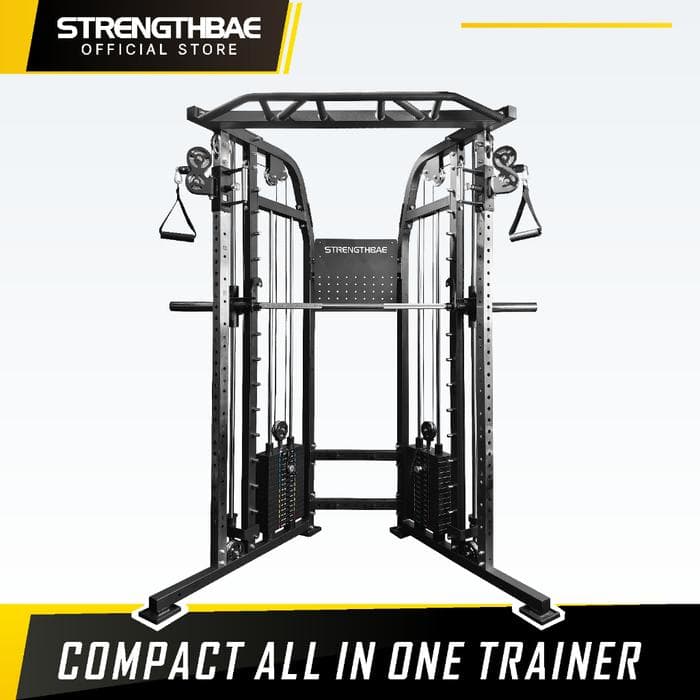
Is it safe to install All-in-One Trainer equipment on the second floor of a house?
Yes, as long as the load capacity of the second-floor structure has been carefully calculated to support the weight of the machine frame, weight plates, and dynamic loads during training.
What gym equipment is most important for building your first home gym?
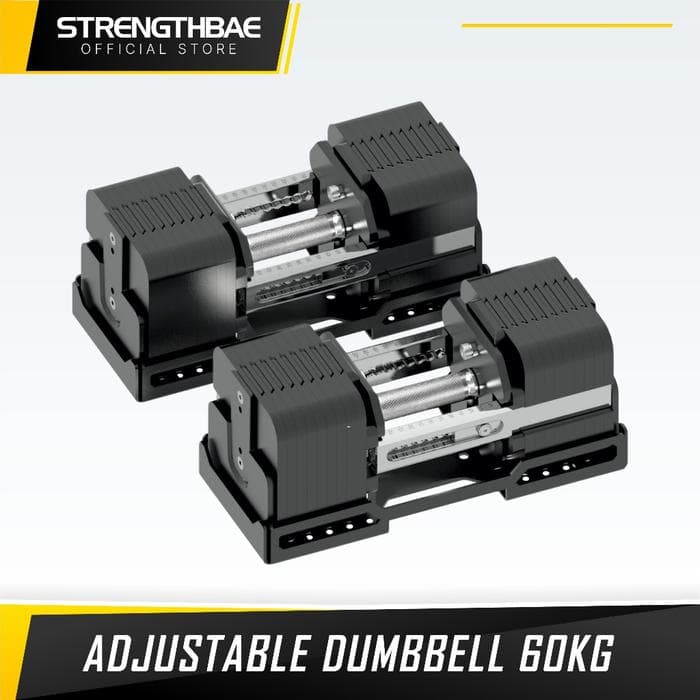
The most important equipment includes a pair of adjustable dumbbells, an adjustable bench, rubber mats for floor protection, and a compact rack or All-in-One Trainer for efficient full-body strength training variations.
Gym Equipment Delivery in Semarang with Strengthbae
Semarang’s varied topographical conditions require careful planning for heavy equipment delivery routes. Building a home gym in Semarang also requires proper planning by considering room size, ventilation conditions, and floor durability.
If you live in Semarang or the surrounding areas, you can provide your room dimensions, photos of home access, ceiling height, and a list of your training needs to receive a free consultation about your dream home gym with Strengthbae. You can also try gym equipment directly at the Strengthbae Semarang Showroom. Contact the Strengthbae team for reservations and consultation today.
Strengthbae is a professional gym equipment brand that provides solutions for commercial gym businesses and home gyms. From racks and All in One Trainers to functional training accessories such as HYROX-standard sandbags, everything is available at Strengthbae.