Clean vs. Dirty Bulking: Differences and How to Choose
Bulking is a nutrition and weight training strategy aimed at increasing muscle mass and body weight by consuming more calories than the body needs.
There are two commonly known bulking methods: clean bulking and dirty bulking. Both approaches differ in how they manage calorie intake and food choices, which can affect weight gain and body fat differently.
This article will discuss the differences between clean bulking and dirty bulking, their advantages and disadvantages, and tips for choosing a method that suits your needs and training goals.
What Is Clean Bulking?
Clean bulking, also known as lean bulking, is a method of gaining weight by managing calorie intake and prioritizing nutritious foods. The goal is to support muscle growth while limiting body fat gain and maintaining overall health.
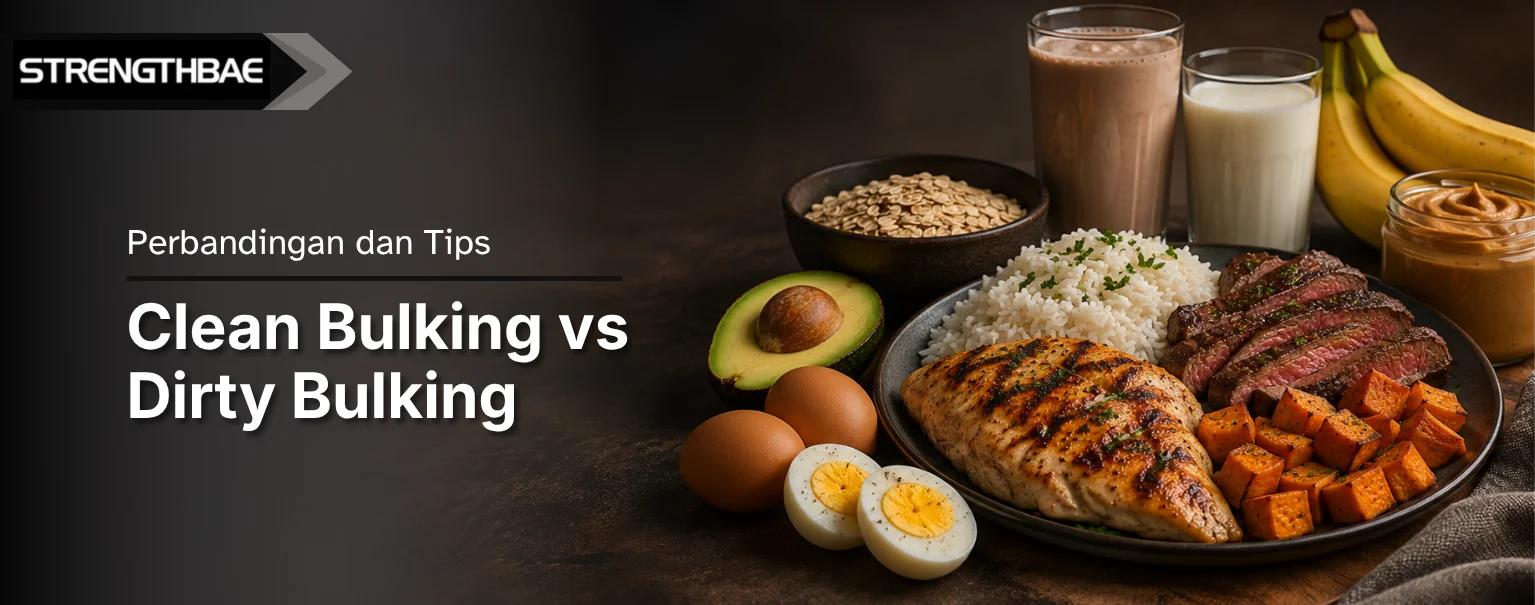
Clean bulking prioritizes whole foods such as rice, potatoes, sweet potatoes, chicken breast, lean beef, eggs, fish, vegetables, and fruits.
Protein and carbohydrate intake are also managed to support energy levels and muscle recovery after weight training.
During clean bulking, weight gain is gradual, generally around 0.25–0.5% of body weight per week.
Processed foods, junk food, and foods high in added sugar and saturated fat are also limited to help maintain health, including cholesterol levels and insulin sensitivity.
Advantages of Clean Bulking
Controlled weight gain: Body weight increases gradually, making changes in body composition easier to monitor.
More balanced nutrition: Nutritious foods provide protein, fiber, vitamins, and minerals to support digestion, energy, and overall fitness.
Limits fat gain: A controlled calorie surplus can help reduce excessive fat accumulation, potentially making the cutting phase after bulking easier.
Better for long-term habits: A diet that prioritizes nutritious foods can help build healthier eating habits that are easier to maintain over time.
Disadvantages of Clean Bulking
Requires calorie monitoring: It requires discipline to manage food portions and track daily calorie and macronutrient intake.
Can be difficult for people with low appetite: Foods high in protein and fiber tend to be more filling, so some people may find it difficult to consume enough calories.
Slower weight gain: Body weight increases gradually, so the process requires more time and patience.
Who Is Clean Bulking Suitable For?
Clean bulking is suitable for people who want to increase muscle mass while limiting body fat gain.
This method is also suitable for gym users or athletes who are accustomed to managing their diet, monitoring calorie intake, and following a consistent training routine.
Clean bulking can also be an option for anyone who wants to build muscle while prioritizing nutritious foods, digestive health, and healthy eating habits over the long term.
Read Also: 16 Fruits for Weight Loss Diets
What Is Dirty Bulking?
Dirty bulking is a bulking method that prioritizes calorie intake over food quality. The goal is to gain weight quickly without heavily restricting the types of food consumed.
Dirty bulking commonly involves high-calorie foods such as junk food, fast food, pizza, burgers, fried foods, ice cream, and sweet snacks.
This method is often based on the assumption that consuming more calories will result in faster muscle growth.
Although dirty bulking can increase body weight quickly, an excessive calorie surplus, even more than 500–1,000 calories per day, can also lead to excessive body fat accumulation.
Advantages of Dirty Bulking
Easy to meet calorie needs: High-calorie foods make it easier to reach daily calorie targets without having to eat very large portions.
More flexible food choices: There are fewer restrictions on food choices, making it more flexible, including when eating out.
Can help people who struggle to gain weight: Calorie-dense foods can make it easier for people with low appetites or high calorie needs to achieve a calorie surplus.
Disadvantages of Dirty Bulking
Higher fat gain: An excessive calorie surplus can lead to excessive body fat accumulation.
Less balanced nutrition: Consuming processed foods too frequently can result in inadequate intake of vitamins, minerals, and fiber.
Potential health risks: Excessive consumption of added sugar, saturated fat, and trans fat can increase the risk of metabolic problems and other health issues.
More difficult cutting phase: Excessive fat gain can make the process of reducing body fat after bulking take longer.
Who Is Dirty Bulking Suitable For?
Dirty bulking is often chosen by people who have difficulty gaining weight, particularly those with low appetites or high calorie requirements who struggle to meet their calorie needs through whole foods.
The method may also appeal to people who want to gain weight quickly and are willing to accept a greater risk of body fat gain.
However, a very high calorie surplus is not actually necessary for building muscle, including for people with a naturally lean body type. Protein, vitamins, minerals, and other essential nutrients should still be prioritized.
Clean Bulking vs. Dirty Bulking Comparison
Both clean bulking and dirty bulking can increase muscle mass when combined with regular weight training and adequate protein intake. However, they can affect body composition differently, particularly the amount of muscle and fat gained.
The body has a limit to how quickly it can build muscle. Therefore, a very large calorie surplus does not automatically accelerate muscle growth and may instead increase fat accumulation.
Training experience also matters. Beginners generally have greater potential for faster muscle growth, while experienced lifters tend to build muscle more slowly and therefore need to manage their calorie surplus more carefully.
Here is a comparison of clean bulking and dirty bulking:
Aspect | Clean Bulking | Dirty Bulking |
Calorie Surplus | Moderate, around 250–500 calories/day | Large, around 500–1,000+ calories/day |
Food Choices | Prioritizes nutritious foods such as rice, chicken, eggs, and vegetables | More flexible, including fast food and foods high in sugar |
Weight Gain | Gradual, around 0.25–0.5% of body weight per week | Generally faster, potentially more than 1% per week |
Muscle and Fat Gain | More controlled fat gain | Higher risk of fat gain |
Health Impact | More supportive of healthy eating habits and metabolic health | May negatively affect health if too many low-nutrient foods are consumed |
Cutting Phase | Generally shorter and easier | May take longer due to greater fat gain |
Read Also: Low-Calorie Drink Diet Variations
Tips for Choosing the Right Bulking Method
Choosing between clean bulking and dirty bulking should depend on your training goals, current condition, and eating habits. Consider the following before choosing a bulking method:
Define your body composition goals: If you want to increase muscle mass while limiting fat gain, clean bulking is more suitable. Dirty bulking is generally chosen when rapid weight gain is the priority, but it comes with a higher risk of excessive fat gain.
Consider your current body weight: If your body weight or body fat percentage is already relatively high, clean bulking is generally more suitable. For people who are very lean and struggle to gain weight, a more flexible approach to food choices can help meet calorie needs.
Consider your appetite: Clean bulking can be more difficult for people who get full quickly because it prioritizes nutritious foods that tend to be filling. On the other hand, calorie-dense foods can make it easier to meet energy needs without eating very large portions.
Consider long-term health: Clean bulking prioritizes food quality and balanced nutrition. Meanwhile, dirty bulking that frequently relies on foods high in sugar, saturated fat, and low in nutrients may increase the risk of health problems.
Choose a method you can maintain: Consider your schedule, food budget, and ability to manage your diet. The best method is one you can follow consistently without neglecting your nutritional needs.
In general, clean bulking is more recommended because it helps control weight and body fat gain. If you have difficulty meeting your calorie needs, you can still choose more flexible food options without having to follow dirty bulking with an excessive calorie surplus.
The Effect of Weight Training on Bulking Results
A calorie surplus and adequate protein intake should be combined with weight training to optimize muscle growth. Without weight training, excess calories are more likely to contribute to body fat gain.
To support muscle growth during bulking, apply the principle of progressive overload by gradually increasing the weight, repetitions, or training volume so the muscles continue to adapt and develop.
Prioritize compound exercises that involve multiple muscle groups at once, such as squats, deadlifts, bench presses, overhead presses, and bent-over rows.
Recovery is also important. Aim for 7–9 hours of sleep each night and allow around 48–72 hours before training the same muscle group again, depending on training intensity and your physical condition.
When Should You Change Your Bulking Strategy?
During bulking, it is important to monitor changes in your body and adjust your strategy when necessary. The following signs may indicate that your bulking program needs to be evaluated:
Body weight has not increased for 2–3 weeks: If your weight remains unchanged, your calorie needs may have increased. Try adding around 100–200 calories per day.
Waist circumference is increasing too quickly: This may indicate that the calorie surplus is too large and that more body fat is being gained.
Training performance is not improving: If your strength or lifting performance is not progressing, evaluate your training program, sleep quality, and recovery.
Body fat percentage is too high: If body fat has become relatively high, such as above 20% for men or 28% for women, consider switching to a maintenance or cutting phase based on your condition and goals. These numbers are not mandatory limits for everyone.
FAQ
Can weight training affect bulking results?
Yes. Whether you use free weights or gym machines, muscle growth can still be achieved as long as your resistance training provides progressively increasing challenges through progressive overload.
Is cardio still necessary during bulking?
Yes. Light to moderate cardio 2–3 times per week can help support cardiovascular health, circulation, and stamina. As long as the intensity is appropriate and your calorie needs are still met, cardio does not necessarily interfere with muscle growth.
Why should you measure body circumference in addition to body weight during bulking?
An increase in body weight does not always mean an increase in muscle mass. Regularly measuring your chest, arms, and waist can help track changes in your body shape and provide a better indication of whether the weight gained is primarily muscle or fat.
How can you meet your calorie needs during clean bulking at home?
If you find it difficult to eat large portions, try dividing your meals into 4–5 moderate-sized meals throughout the day. Choose nutritious and calorie-dense foods such as avocado, oatmeal, peanut butter, or banana smoothies. Protein supplements can also help meet your daily protein needs if it is difficult to get enough protein from food alone.
When should you stop bulking and start cutting?
You may consider ending a bulking phase when your body fat percentage becomes relatively high, such as around 18–20% for men or 26–28% for women, or after bulking for 4–6 months. However, these numbers and time frames are not strict rules. The decision to start cutting should be based on changes in body composition, overall health, and your training goals.
Build Muscle and Maximize Your Bulking Results with Strengthbae
Successful bulking depends not only on the number of calories you consume, but also on the quality of your nutrition and consistency of your weight training. With an appropriate diet and training program, you can increase muscle mass while keeping body fat gain under control.
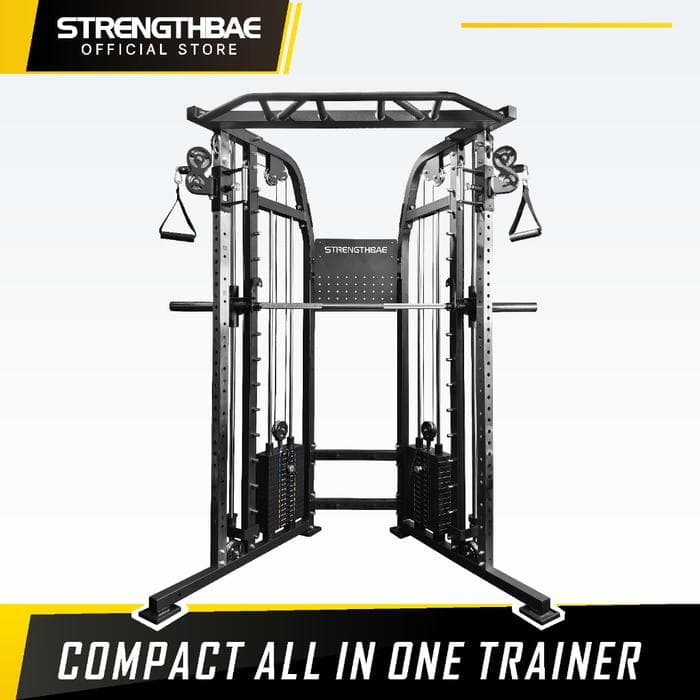
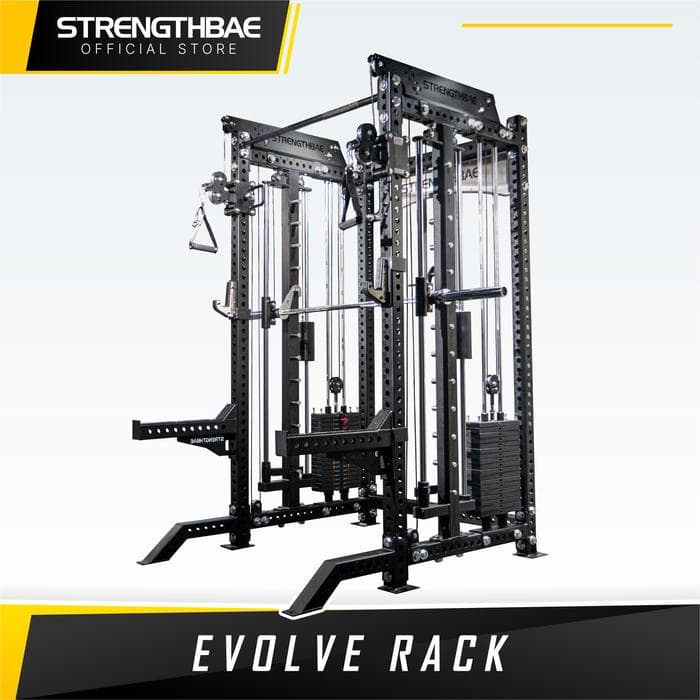
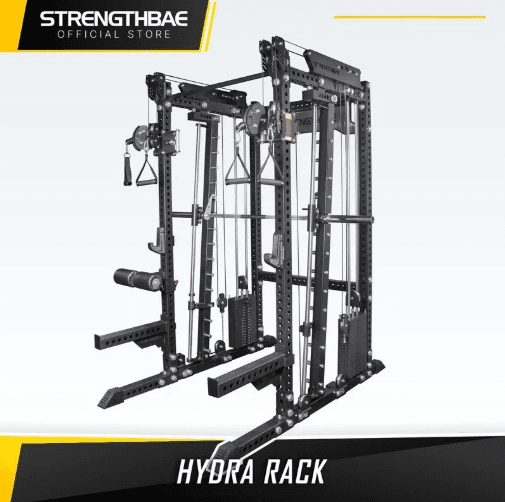
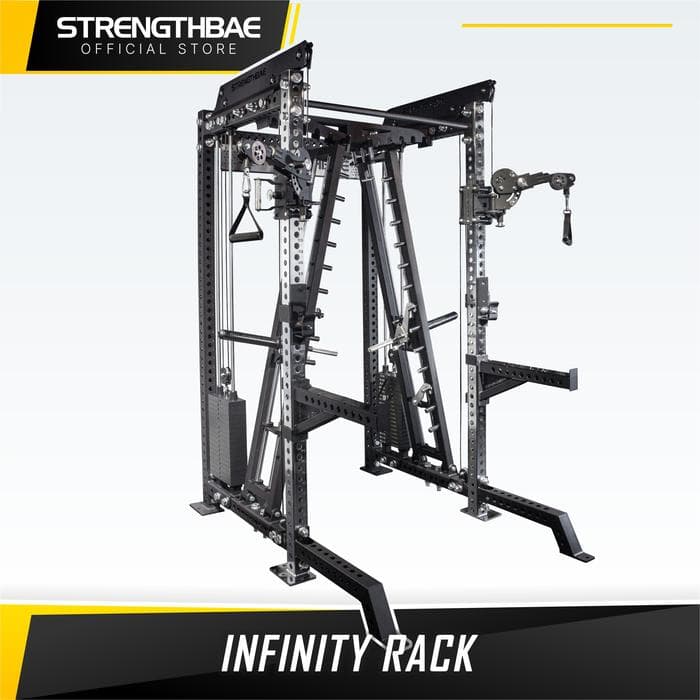
Ready to maximize your bulking results? Complete your workouts with quality gym equipment from Strengthbae, from barbells and dumbbells to power racks and All in One Trainers for home gyms and commercial gyms. Contact the Strengthbae team to find gym equipment that suits your training needs and goals.
Strengthbae is a professional gym equipment brand providing solutions for commercial gyms and home gyms. From racks and All in One Trainers to functional training accessories for HYBRID RACE workouts, everything is available at Strengthbae.