Building a Home Gym from Scratch: Where to Start
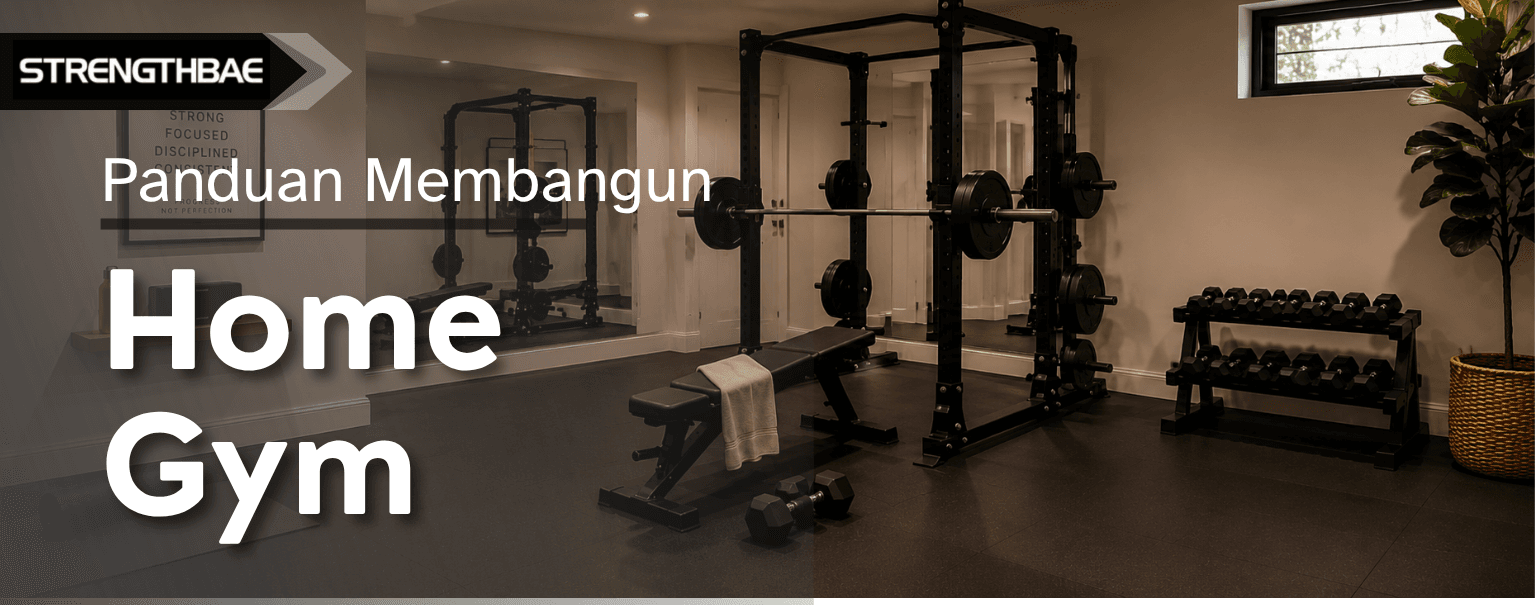
Setting up a home gym does not mean you need to buy a lot of equipment or fill an entire room with gym machines. With proper planning, you can save money and create a home gym that is easier and more enjoyable to use every day.
Choose a Suitable Room or Space
A home gym can be set up in a garage, spare room, or another area of your home with a sturdy, level floor.
In addition to considering the dimensions of the gym equipment you plan to buy, make sure there is still enough space to move around safely. You should also make sure the equipment can be brought into and out of the room without being blocked by doors, furniture, or walls.
If you do not have a large enough room, you can create a workout station in one corner of your home. This setup is ideal for activities such as yoga, Pilates, and light strength training with dumbbells or kettlebells.
Use Rubber Flooring or a Workout Mat
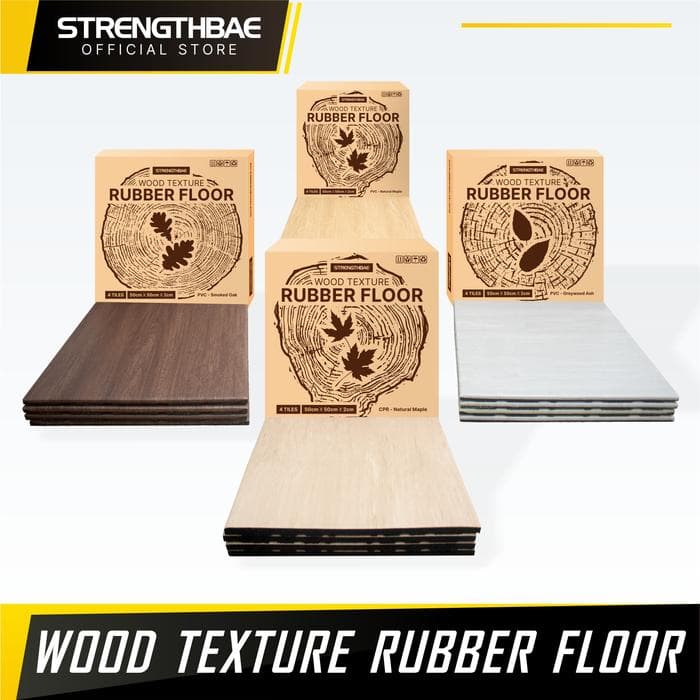
Before bringing in large pieces of equipment, consider installing rubber flooring or rubber mats in your home gym area.
This layer helps protect the floor from impacts and dropped weights, reducing the risk of scratches, cracks, or dents.
Rubber flooring can also provide additional protection for you. In a home gym, it can help reduce the risk of slipping and injury by providing a more stable surface.
For lighter workouts such as yoga, a workout mat may be all you need. However, placing a mat over rubber flooring can provide additional comfort during exercise.
Measure All the Equipment You Plan to Buy
The dimensions of gym equipment alone do not determine whether it will fit comfortably in your home gym. Do not just make sure the equipment fits into the room. Leave enough clearance around it so you can exercise safely and comfortably.
It is recommended to leave around 60 to 100 cm of clearance around the equipment. This gives you enough room to perform exercises, change attachments, or even assemble and disassemble the equipment. However, always check the manufacturer's recommendations, as each piece of equipment has different space requirements.
Pay Attention to Important Specifications
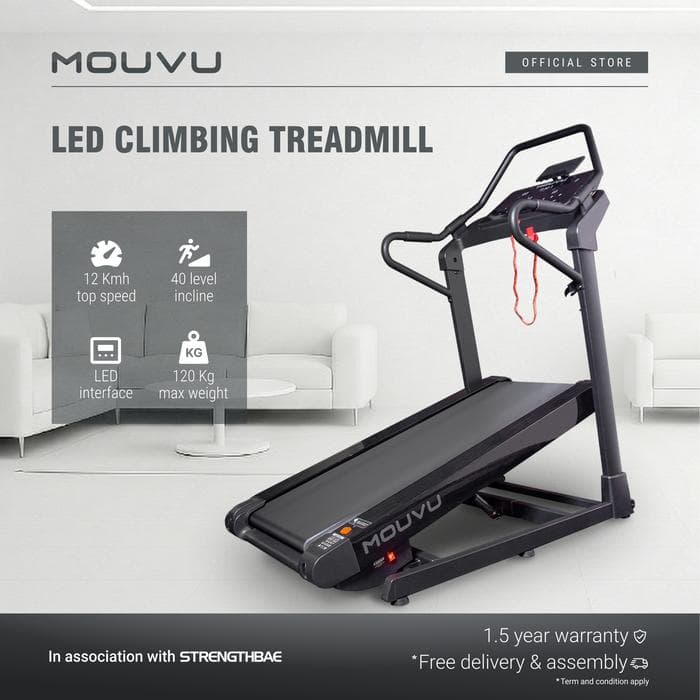
In addition to dimensions, you should also consider the home gym equipment's specifications. Some machines, such as treadmills and motorized cardio equipment, require a specific amount of electrical power. Since home gyms often have limited electrical capacity, make sure your available power supply is sufficient.
Other important specifications to consider include the equipment's weight, maximum load capacity, and any installation requirements.
For example, knowing the equipment's weight is especially important if you plan to build a home gym on the second floor. Maximum load capacity is also important, particularly for users weighing more than 100 kg. Make sure the equipment can safely support the required load.
Installation requirements are another consideration. Some equipment may need to be anchored to the floor, wall, or ceiling. This can affect both the aesthetics and potentially the structure of your home.
Plan Your Budget
If you have a limited or a certain budget for building a home gym, this will naturally affect your planning. Prioritize equipment that directly supports your training goals.
For example, if your main goal is to focus on strength training or build muscle, you may not need cardio equipment such as a treadmill.
Avoid choosing equipment simply because it is new or popular. Instead, use your budget to buy equipment you know you will use regularly.
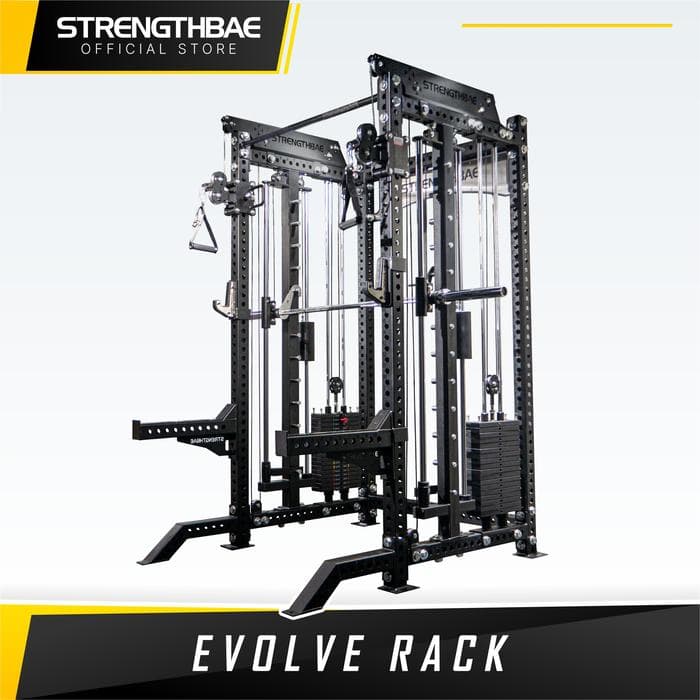
You can consider buying used gym equipment, or choose equipment that can grow with your needs, such as the Strengthbae Evolve All in One Trainer. An All in One Trainer like this can be purchased gradually by adding the accessories you need over time.
Make Sure the Room Has Good Ventilation
Good ventilation in a home gym is not just about keeping the room cool. It also helps maintain air quality and reduce humidity, which can affect your gym equipment.
Poor ventilation can cause lingering sweat odors after a workout. Choose a room with windows or adequate ventilation so fresh air can circulate.
If natural ventilation is not sufficient, you can use a fan or air conditioner. A wall-mounted fan is particularly useful because it does not take up floor space that could otherwise be used for gym equipment or movement.
If you choose to use an air conditioner, consider its power consumption and monthly electricity costs. This is especially important if you also use gym equipment that requires electricity.
Add Storage Space
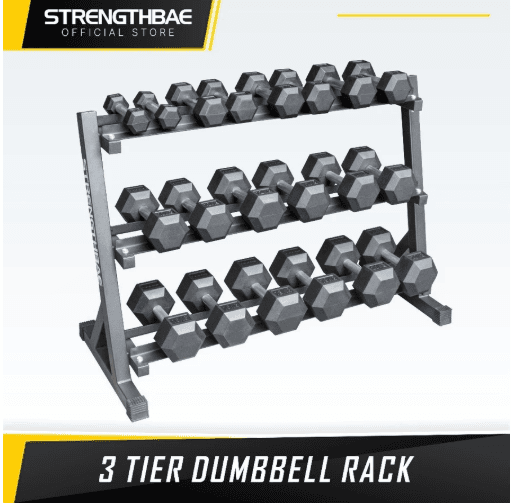
Prepare racks or hooks for storing your workout equipment and keeping the training area tidy. Dumbbells should be stored on a sturdy or dedicated dumbbell rack so they do not roll around or take up floor space. Place the heaviest weights on the bottom.
Meanwhile, resistance bands, jump ropes, cable attachments, and other accessories can be stored on hooks or wall-mounted hangers. This keeps everything organized and makes your equipment easier to access when needed.
Keeping your equipment properly stored also helps reduce the risk of tripping or slipping.
Reduce Noise
If your home gym is next to a family room or near a bedroom, consider ways to reduce noise during your workouts. You can also schedule your workouts at times that are less disruptive to other people in the house.
For strength training, consider using rubber bumper plates. They absorb impact better than traditional iron weight plates.
Rubber flooring is also highly recommended in this situation because it can help absorb vibrations and reduce noise when weights are set down. You should still practice lowering weights in a controlled manner whenever possible.
Remember to maintain your home gym equipment regularly. Loose bolts, squeaky pulleys, or a treadmill that needs lubrication can all become sources of unwanted noise. Following the manufacturer's maintenance instructions can help reduce squeaking and rattling while also extending the life of your equipment.
Bonus: Home Gym Accessories
You can also consider adding accessories to make your home gym more functional, such as:
Install a mirror. In addition to checking your progress, a mirror can help you monitor your posture and technique while exercising.
Set up a water station. Whether you use a water dispenser or a small table for your water bottle, having water nearby makes it easier to stay hydrated without leaving your home gym.
Install a TV or tablet holder. This can be useful if you regularly follow online workout classes or other training programs.
Install speakers. Speakers can be a useful addition if you enjoy working out while listening to music or audio instructions.
FAQ
How can I tell if the gym equipment I choose is worth the price?
Calculate the cost based on how often you will use the equipment, rather than simply looking at the purchase price.
For example, if you buy a dumbbell for Rp800,000 and use it three times a week for three years, that adds up to around 468 workout sessions, bringing the cost to only about Rp1,700 per session.
Does a home gym need to be designed by a specialist?
You can design your own home gym, but working with a specialist can help you create a more carefully planned setup. An interior designer can help with the aesthetics and layout, while a home gym specialist can help you choose equipment, calculate safe clearance areas, and provide other technical recommendations.
Does home gym equipment require regular maintenance?
Yes. Home gym equipment should be maintained regularly to keep it clean, safe, and functioning properly. Clean the equipment after use, inspect moving parts and connections regularly, and make sure bolts and other components remain securely fastened. You should also follow the manufacturer's maintenance instructions to keep the equipment in good condition and extend its lifespan.
Complete Your Home Gym with Strengthbae
Once you have decided on your available space and the types of workouts you want to do, it is time to equip your home gym with the right gear. Strengthbae offers a wide range of gym equipment, from All in One Trainers, racks, and benches to dumbbells and various training accessories. Choose equipment that fits your needs and available space. Build a comfortable home gym that supports your training routine with Strengthbae. Contact our customer service team for further consultation.