Padel Training: Workout Exercises to Improve Agility and Stamina
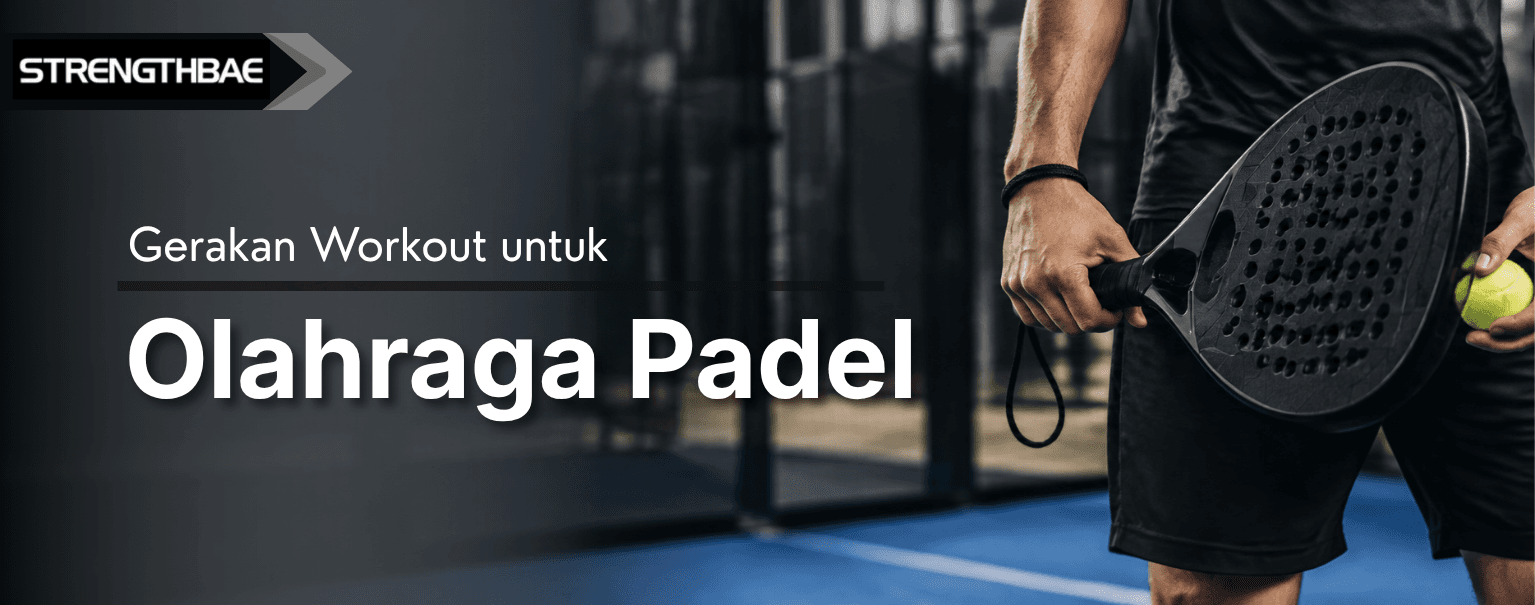
The right workout exercises for padel training should combine lower-body strength, core stability, and rotational movements. These elements are important for improving lateral movement agility and maintaining stamina throughout the game.
Padel requires more than just racket technique. The sport demands quick reactions, sudden changes of speed, and dynamic directional movement.
By training key muscle groups such as the quadriceps, hamstrings, glutes, core, and shoulders through structured gym workouts, you can improve your performance on the padel court.
What Physical Abilities Do Padel Players Need?
Padel is a high-speed racket sport that combines various technical elements. The game is played inside a relatively compact glass-walled court, which creates fast and intense rallies.
Many recreational players focus only on arm strength and racket swings, even though the lower body and core are the main engines behind movement and stability on the court.
To perform at your best throughout a match, players should train four main physical abilities required in padel.
Explosive Power
Required for initial acceleration when chasing short balls, jumping for smashes, and generating force during powerful shots and volleys.
Agility & Lateral Speed
Padel involves frequent lateral movements, forward and backward movement, and sudden deceleration when reacting to ball rebounds from the glass walls.
Core Balance & Coordination
A strong and stable core allows players to maintain a lower body position during difficult shots while performing controlled rotations and symmetrical movements.
Cardiovascular Endurance
Interval-based cardio capacity is needed to maintain focus and high stamina during long rallies without excessive muscle fatigue.
Which Muscle Groups Should Be Trained for Padel?
Understanding the role of each muscle group helps you select workout variations that are more specific to padel performance.
Lower Body
The legs are the foundation of player movement and should be included in every padel training program. Every split step, short sprint of 2–3 meters, and lateral movement starts from the strength of the lower-body chain:
Quadriceps: Active during squat positions, stopping movements, and generating acceleration force.
Hamstrings: Important for deceleration, sprinting, and supporting knee stability during fast movements.
Glutes: Provide explosive power for lateral movement, jumping, and hip stability.
Calves & Ankles: Support quick reactions and maintain ankle stability during changes of direction.
Core
Core muscles play an important role in generating power during padel movements. During a shot, force does not only come from the arms but starts from the legs and transfers through the body to the shoulders and racket.
A trained core helps improve rotational stability, maintain balance, and create more controlled movements.
Upper Body
Although padel does not require extremely heavy weight training, upper-body muscles still play an important role.
Shoulder muscles help maintain joint stability during repeated racket swings.
In addition, forearm and grip strength help players control racket direction, produce more accurate shots, and maintain endurance during longer matches.
Best Workout Exercises for Padel Training
Padel Training for Lower-Body Strength
Barbell / Dumbbell Squat: Stand with feet shoulder-width apart, lower your hips as if sitting down, then push back up to standing position.
Romanian Deadlift: Hold the weight in front of your body, push your hips backward while keeping your back straight, then return to standing.
Box / Plyometric Jump: Stand in front of a box, jump onto the box, then step down with control and repeat.
Padel Training for Agility & Lateral Movement
Lateral Lunge & Cossack Squat: Step sideways, bend one leg while keeping the other leg extended, then return to the starting position.
Cone Drill & Ladder Drill: Move through cones or an agility ladder with quick footwork while maintaining directional control.
Resistance Band Lateral Walk: Place a resistance band around your legs, then walk sideways while maintaining a slightly bent knee position.
Padel Training for Core & Rotation
Cable Wood Chop: Pull the cable from a high position downward while rotating your body in a controlled movement.
Pallof Press: Push the cable handle forward while keeping your body stable and resisting rotation.
Medicine Ball Rotational Throw: Rotate through the hips and throw the medicine ball sideways with explosive power.
Padel Training for Cardio
Treadmill Interval Running: Alternate between high-intensity running and recovery periods.
Air Bike & Rowing Machine: Perform repeated cycling or pulling movements at a consistent rhythm to improve endurance.
Read Also: Building a Home Gym from Scratch: Where to Start
Recommended Weekly Padel Training Program
The training schedule should be adjusted based on your fitness level and how often you play padel. Here is a recommended weekly padel training structure:
Player Level | Main Training Focus | Gym Exercise Variations | Example Schedule |
|---|---|---|---|
Beginner | Basic movement, mobility, balance, and body control | Dumbbell Squat, Resistance Band Lateral Walk, Plank, Pallof Press | 2x per week. Use light to moderate loads. |
Intermediate | Strength development, power, lateral agility, and stamina | Barbell / Dumbbell Squat, Romanian Deadlift, Cable Wood Chop, Box Jump, Cone Drill, Treadmill Interval | 2–3x per week. Combine strength, agility, and conditioning. |
Advanced | Competitive performance, maximum power, and maintaining high intensity | Romanian Deadlift, Medicine Ball Rotational Throw, Ladder Drill, Air Bike, Rowing Machine, Cable Wood Chop | 3x per week. Adjust based on training and competition schedule. |
Best Gym Equipment for Padel Training
To maximize padel training in commercial gyms or home gyms, several equipment options can support your development:
Cable Machine: Versatile for rotational training and shoulder strengthening with consistent cable resistance.
Adjustable Dumbbell: Practical for unilateral strength exercises.
Medicine Ball: Useful for developing explosive rotational power through throwing movements.
Resistance Band & Agility Ladder: Effective for warm-ups, shoulder activation, hip mobility, and footwork training.
Air Bike / Rower / Treadmill: Functional cardio equipment for improving cardiovascular endurance and stamina.
FAQ
Do padel players need weight training in the gym?
Yes.
Structured gym training is highly recommended for padel players of all levels. Strength training helps improve leg strength and supports joint stability against repetitive movements.
How many times per week should padel players train in the gym?
Ideally, padel players can train 2–3 times per week.
Allow at least one day of recovery between intense gym sessions and padel matches so the muscles have enough time to recover.
Will gym training make padel players stiff or too bulky?
No, as long as the program focuses on functional movements, agility, and rotation.
Proper strength training can improve joint mobility, lateral movement, and power during racket swings.
What gym equipment is the most versatile for padel training at home?
The most versatile setup for home padel training includes a Cable Machine or All-in-One Trainer, a pair of Adjustable Dumbbells, and a Medicine Ball.
This combination supports lower-body strength, core rotation, and shoulder training.
How can players prevent knee and shoulder injuries while playing padel?
Injury prevention involves strengthening muscles that support the joints, such as the quadriceps and hamstrings for knee stability, and the rotator cuff for shoulder stability.
Improve Your Padel Performance with StrengthBae
Ready to move faster, improve agility, and hit stronger shots on the padel court? Do not let limited strength and stamina hold back your performance.
Complete your home gym with StrengthBae gym equipment. Contact our team for a free consultation.
StrengthBae is a professional gym equipment brand providing solutions for commercial gyms, personal training facilities, and home gyms. From racks and All-in-One Trainers to functional gym accessories, everything is available at StrengthBae.