Dumbbells vs. Barbells: Which One Do You Need?
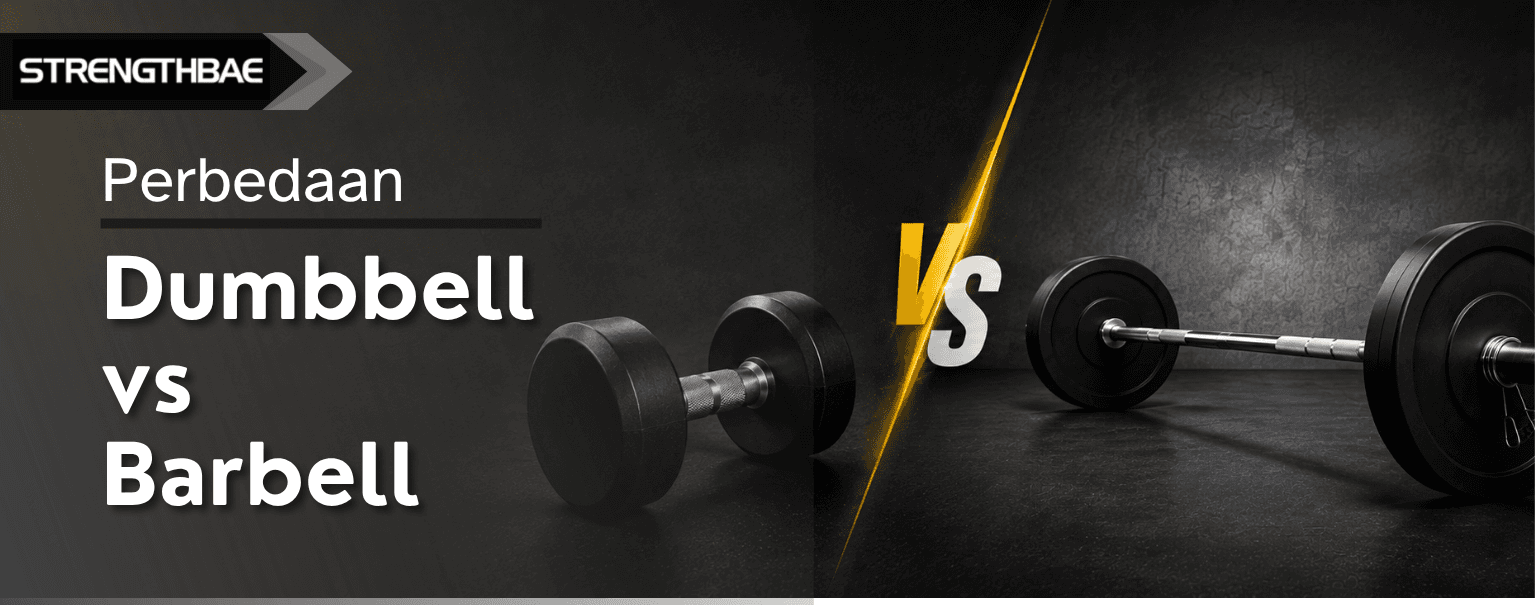
In Indonesia, dumbbells are commonly referred to as barbells, even though the two are different. Both dumbbells and barbells are used for strength training, but they differ in their design, how they are used, and their characteristics. Both are popular choices for beginners because they are widely available in gyms, and each has its own advantages. For beginners, the choice between dumbbells and barbells ultimately depends on their training goals.
Design and How They Are Used
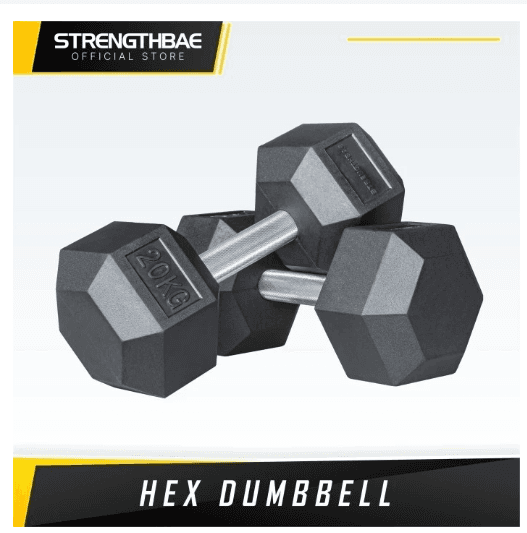
Dumbbells have short handles and are typically used one in each hand. Because each hand holds a separate weight, you can move each side of your body independently.
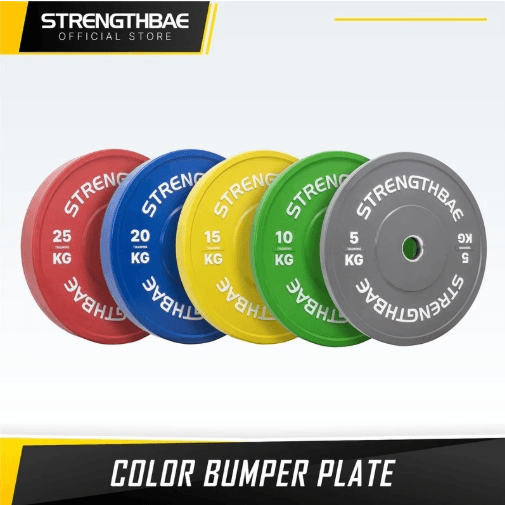
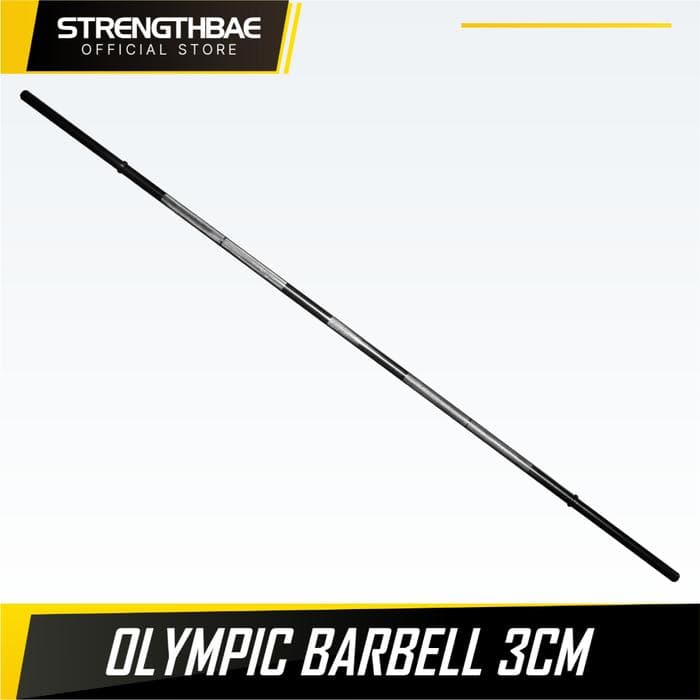
Barbells, on the other hand, have a long bar with weight plates loaded on both ends. A barbell is used with both hands at the same time, meaning both sides of the body work with the same bar.
Types of Exercises
Dumbbells are well suited for unilateral exercises, where the right and left sides of the body work independently. This can be useful if you have balance issues or one side of your body tends to be stronger or more dominant than the other.
Examples include bicep curls and shoulder presses. Unilateral exercises can help identify and address strength imbalances between the two sides of the body.
Barbells, meanwhile, are well suited for various compound movements that engage multiple muscle groups at once. Common barbell exercises include squats, deadlifts, and bench presses.
Stability and Load Capacity
Dumbbells provide greater freedom of movement. They also require more coordination and stabilizer muscle engagement to control the weight, which can help address strength differences between the right and left sides of the body.
Dumbbell exercises tend to carry a lower risk of injury because the weights are generally lighter.
With a barbell, both hands work on the same bar, allowing the load to be controlled more centrally. This characteristic can make barbells more beginner-friendly, even though dumbbells are often more popular and may appear easier to use.
Barbells can accommodate heavier loads, making them more suitable if your primary goal is to maximize strength.
However, using excessively heavy weights can increase the risk of injury. For this reason, barbell exercises require proper and more precise technique than dumbbell exercises.
Basic Dumbbell Exercises
Here are some basic exercises you can do with dumbbells:
Dumbbell Squat
Muscles worked: quadriceps, glutes, and hamstrings.
Stand with your feet shoulder-width apart, holding a dumbbell in each hand at your sides.
Brace your core, keep your chest upright, and look straight ahead.
Bend your knees while pushing your hips back as if you were about to sit in a chair.
Lower your body until your thighs are parallel to the floor, or as far as feels comfortable.
Push through your heels to return to a standing position while keeping your back straight.
Repeat for the desired number of repetitions.
Tip: Avoid rounding your back or allowing your knees to cave inward during the movement.
Dumbbell Chest Press
Muscles worked: chest (pectoralis major), front shoulders (anterior deltoids), and triceps.
Lie on a bench while holding a dumbbell in each hand.
Press the dumbbells up until they are directly above your chest, with your palms facing forward.
Slowly lower the dumbbells until your elbows are at around a 90-degree angle or slightly below chest level.
Press the dumbbells back up until your arms are almost straight, without locking your elbows.
Repeat for the desired number of repetitions.
Tip: Keep both feet firmly planted on the floor for better stability. If you are just starting out, use a light weight to get comfortable with the technique before increasing the load.
Dumbbell Bicep Curl
Muscles worked: biceps and brachialis.
Stand with your feet shoulder-width apart, holding a dumbbell in each hand.
Let your arms hang straight at your sides with your palms facing forward.
Bend your elbows to curl the dumbbells toward your shoulders while keeping your elbows close to your sides.
Slowly lower the dumbbells back to the starting position.
Repeat for the desired number of repetitions.
Tip: Do not swing your body to help lift the weights. Keep your elbows close to your sides throughout the movement.
Basic Barbell Exercises
Here are some basic exercises you can do with a barbell:
Barbell Deadlift
Muscles worked: glutes, hamstrings, and lower back (erector spinae).
Stand with your feet hip-width apart, with the barbell positioned over the middle of your feet.
Push your hips back and slightly bend your knees to reach the barbell with both hands.
Brace your core, keep your back straight, and lift your chest.
Lift the barbell by extending your hips and knees simultaneously until you are standing upright.
Slowly lower the barbell back to the floor by pushing your hips back first, then bending your knees.
Repeat for the desired number of repetitions.
Tip: Keep your back straight and avoid rounding it. Keep the barbell close to your legs throughout the movement. Start with a light weight to learn the proper technique.
Barbell Bench Press
Muscles worked: chest (pectoralis major), front shoulders (anterior deltoids), triceps, and core.
Lie on the bench with your eyes level with or slightly below the barbell.
Grip the barbell slightly wider than shoulder-width apart, then lift it off the rack with both arms straight.
Slowly lower the barbell until it touches or comes close to the middle of your chest.
Press the barbell back up until your arms are almost straight, without fully locking your elbows.
When finished, carefully return the barbell to the rack.
Repeat for the desired number of repetitions.
Tip: Use a power rack with safety pins or ask a spotter for assistance to help keep the exercise safe.
Barbell Overhead Press
Muscles worked: shoulders (deltoids), triceps, upper chest, upper back and neck (trapezius), and core.
Stand with your feet shoulder-width apart and grip the barbell slightly wider than shoulder-width apart.
Position the barbell in front of your shoulders or just above your collarbones, with your elbows slightly forward.
Brace your core and keep your back in a neutral position.
Press the barbell straight overhead until your arms are almost fully extended.
Slowly lower the barbell back to the starting position in front of your shoulders.
Repeat for the desired number of repetitions.
Tip: Keep your wrists straight and avoid bending them backward. Avoid arching your lower back. Move your head slightly backward to allow the barbell to travel straight upward. Start with a light weight.
Bonus: Dumbbells or Barbells for a Home Gym?
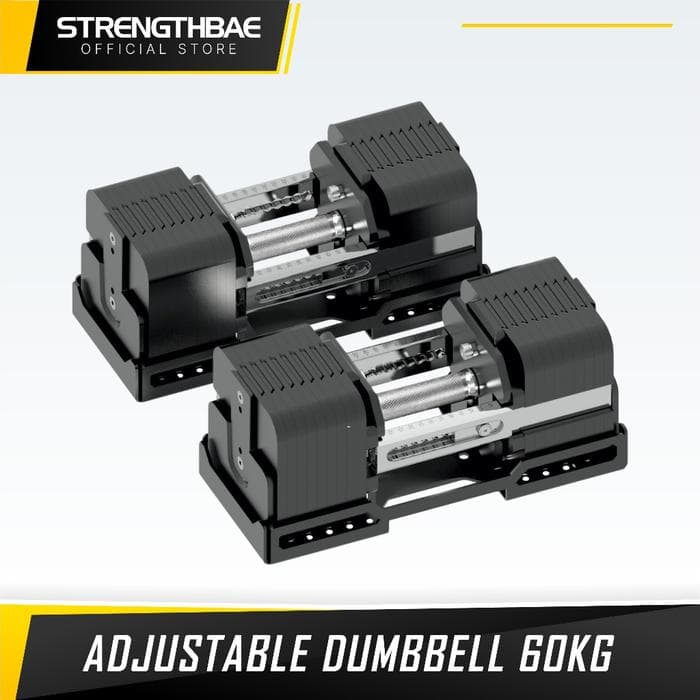
If you work out at home with limited space, dumbbells are a more practical choice because they can be used without much additional equipment. Adjustable dumbbells can save even more space because a single set can provide multiple weight options.
Barbells typically require more equipment, including a bar, weight plates, and, for certain exercises, a rack or bench. For this reason, barbells are more suitable if you have enough space to safely set up and use the equipment, ideally with a rack.
FAQ
Can dumbbells and barbells be used interchangeably in the same workout program?
Yes. Dumbbells and barbells can be used interchangeably within the same workout program. Combining both allows you to take advantage of the unique characteristics of each type of equipment and tailor your workouts to your needs and goals.
What weight should I choose for dumbbells or barbells?
Beginners should start with lighter weights and gradually increase the load as their strength and ability improve. Choose a weight that allows you to perform each movement with proper form. The appropriate weight also depends on the exercise and the individual's ability.
Do dumbbells and barbells require different types of maintenance?
In general, their maintenance is quite similar. Clean your dumbbells and barbells regularly, especially after use, and store them in a dry place to prevent rust.
Dumbbell and Barbell Recommendations from Strengthbae
Strengthbae offers both dumbbells and barbells in a variety of weights and configurations. From round dumbbells and adjustable dumbbells to barbells with different bar options, you can find everything you need here. Contact the Strengthbae customer service team to discuss your training needs.