How Cutting Differs from a Regular Diet
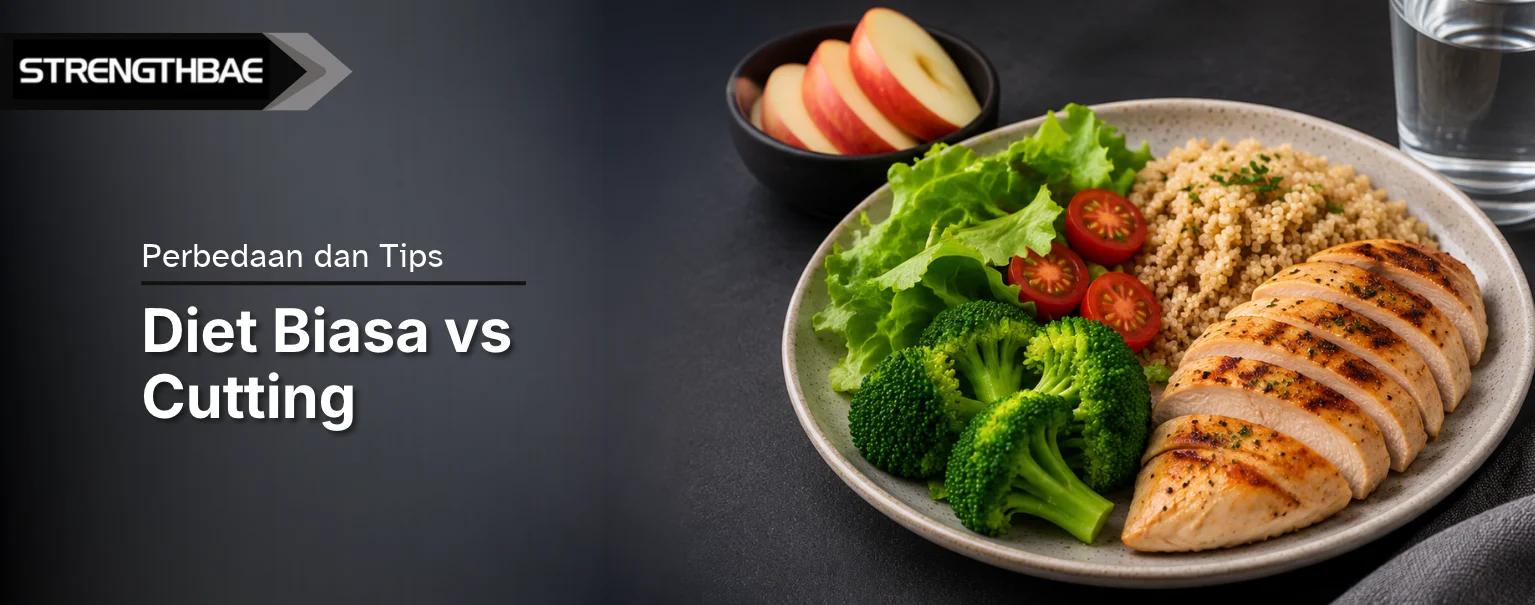
A regular diet and cutting are often considered the same, even though they have different focuses. A diet is the regulation of eating patterns for various purposes, while cutting is a specific dieting method aimed at reducing body fat while maintaining muscle mass.
Although both can be used for weight loss, cutting takes a more targeted approach to nutrition and physical training. This article will discuss the differences between a regular diet and cutting, how cutting works, food choices, daily meal examples, and tips for choosing the method that suits your needs.
What Are Diet and Cutting?
A diet is the regulation of daily eating patterns based on a person's calorie needs, health condition, and goals.
A diet is not always intended for weight loss. It can also be used to gain or maintain weight or to meet specific health needs.
When following a weight-loss diet, the weight lost can come from fat, body fluids, or muscle mass, especially when protein intake and strength training are not properly considered.
Meanwhile, cutting is a dieting method aimed at reducing body fat while maintaining muscle mass.
This method is commonly used by people who regularly perform strength training, bodybuilders, or those who want their muscles to appear more defined.
Cutting is done by managing a calorie deficit, meeting protein needs, performing regular strength training, and adding cardio when necessary.
How Does Cutting Work?
Cutting is carried out by managing nutrition and training so that the body can reduce fat while maintaining muscle mass. Here are some key principles for following a cutting program:
Gradual calorie deficit
Reduce calorie intake gradually so the body can adapt more easily and excessive hunger can be avoided.
The target rate of weight loss during cutting is generally around 0.5–1% of body weight per week.
A cutting program usually lasts 12–16 weeks, but it can also be shorter, around 4–6 weeks, depending on individual needs and body condition.
High protein intake
Protein helps maintain muscle mass during cutting and keeps you feeling full for longer.
A commonly recommended protein intake is around 1.6–2.2 grams per kilogram of body weight per day.
Regular strength training
Strength training helps maintain strength and muscle mass during cutting.
Focus on compound movements such as squats, deadlifts, bench presses, and pull-ups, for example, with 8–12 repetitions per set according to your ability.
Cardio training
Cardio helps burn additional calories, making it easier to achieve a calorie deficit. In addition, cardio is beneficial for maintaining heart and lung health and overall stamina.
Stay hydrated and get enough rest
Make sure your fluid needs are met, such as around 2 liters of water per day or adjusted according to your activity level.
Also aim to sleep for 7–8 hours every night to support muscle recovery and maintain your condition during cutting.
Read Also: Low-Calorie Diet Drink Variations
How to Manage Your Diet and Training During Cutting
Following a cutting program requires consistent nutrition and training. Here are some tips to make cutting more effective:
Determine your daily calorie needs: Calculate your total daily energy expenditure (TDEE), then reduce it by around 300–500 calories per day to create a calorie deficit.
Meet your protein needs: Consume around 1.6–2.2 grams of protein per kilogram of body weight per day to help maintain muscle mass.
Perform regular strength training: Perform strength training around 3–5 times per week to help maintain strength and muscle mass during cutting.
Add cardio training: Perform cardio in moderation to help burn additional calories without interfering with your body's recovery time.
Pay attention to rest and hydration: Meet your water needs, such as around 2 liters per day or according to your activity level, and aim to sleep for 7–8 hours every night.
Monitor your progress: Weigh yourself, measure your waist circumference, and record your training progress regularly to evaluate your cutting results.
Who Is Cutting Suitable For?
Cutting is suitable for people who want to reduce body fat while maintaining muscle mass.
This method is often used by gym-goers or people who regularly perform strength training after a bulking phase to make their muscles more defined and create a more athletic physique.
In addition, cutting can also be applied by beginners who have a relatively high body fat percentage, as long as their nutrition and training are adjusted to their physical condition and individual goals.
Foods Suitable for Cutting
Your diet during cutting should prioritize nutritious foods to meet your protein, carbohydrate, fat, vitamin, and mineral needs.
Choosing the right foods helps maintain energy, support muscle recovery, and keep you feeling full for longer.
Protein Sources
Choose high-protein foods such as skinless chicken breast, salmon, tuna, snapper, eggs, lean beef, tofu, tempeh, and edamame.
Low-sugar and low-fat whey protein can also be used as an additional source if your daily protein needs are difficult to meet through food alone.
Carbohydrate Sources
Carbohydrates remain important as a source of energy during training. Options include white rice, brown rice, potatoes, sweet potatoes, oatmeal, and whole-wheat bread.
Carbohydrate portions can be adjusted according to your energy needs, such as consuming more on training days and less on rest days.
Vegetables and Fruits
Vegetables and fruits contain fiber, water, vitamins, and minerals that help support digestive health and keep you feeling full for longer. Examples include broccoli, spinach, carrots, water spinach, apples, oranges, and papaya.
Fat Sources
Healthy fats are still needed to support hormone function and vitamin absorption. Choose fat sources such as avocado, almonds, peanuts, seeds, and olive oil in appropriate portions.
Example Daily Cutting Meal Plan
Here is an example of a meal plan that can be consumed during cutting:
Meal Time | Example Meal |
Breakfast | 2 boiled eggs, 2 slices of toasted whole-wheat bread, and 1 apple |
Lunch | 100–150 g brown rice, 150 g grilled chicken breast, and stir-fried broccoli and carrots |
Snack | High-protein Greek yogurt with papaya or orange slices |
Dinner | A moderate portion of white or brown rice, 150 g grilled fish, steamed tofu, and spinach soup |
This menu is only an example and can be adjusted according to each person's calorie and protein needs. Also pay attention to food portions, the amount of oil used, and sauces to keep calorie intake within your cutting target.
Diet Options Other Than Cutting
Cutting should be stopped or reevaluated if your body begins to show signs of insufficient energy, such as frequent fatigue, dizziness, excessive hunger, difficulty concentrating, or sleep disturbances.
A decline in training strength, increasingly slow muscle recovery, mood changes, and menstrual irregularities can also indicate that the calorie deficit is too large or has lasted too long.
If these symptoms continue even after improving your diet and rest, it is recommended to stop the calorie deficit and consult a healthcare professional before continuing cutting.
If cutting is no longer suitable for your physical condition or training goals, consider another diet approach that better suits your needs. Here are several options:
Bulking: Suitable for those who want to increase muscle mass and body weight by consuming more calories than the body needs.
Maintenance: Suitable for maintaining body weight and body composition by keeping calorie intake balanced.
Body recomposition: Aims to reduce body fat while building muscle mass. This approach may be suitable for beginners or people who have recently returned to regular exercise.
Diet for health needs: A dietary approach adjusted to specific medical conditions or health needs, preferably under the guidance of a healthcare professional.
FAQ
Does cutting require avoiding rice and carbohydrates?
No. Rice and carbohydrates can still be consumed during cutting because body fat loss depends on maintaining a calorie deficit. Carbohydrates are also important as a source of energy during training. You can eat white or brown rice in portions that match your needs while limiting oil and high-calorie sauces.
Is whey protein required during cutting?
No. Whey protein simply helps meet the daily protein requirement of around 1.6–2.2 grams per kilogram of body weight conveniently without adding too many calories. Protein can also be obtained from foods such as chicken, eggs, and fish.
Why does body weight sometimes not decrease at the beginning of cutting?
Body weight can fluctuate due to changes in body fluids, digestive tract contents, or muscle recovery after training. Monitor your average body weight and body measurements for 2–3 weeks before changing your calorie intake.
Can excessive cardio interfere with cutting?
Yes. Excessive cardio can interfere with recovery and increase the risk of muscle loss, especially when protein intake and strength training are insufficient. Perform cardio in moderation and continue to prioritize strength training to maintain muscle.
Achieve Your Ideal Diet Performance with Strengthbae
Diet and cutting can have different goals, so it is important to choose an approach that suits your body's needs.
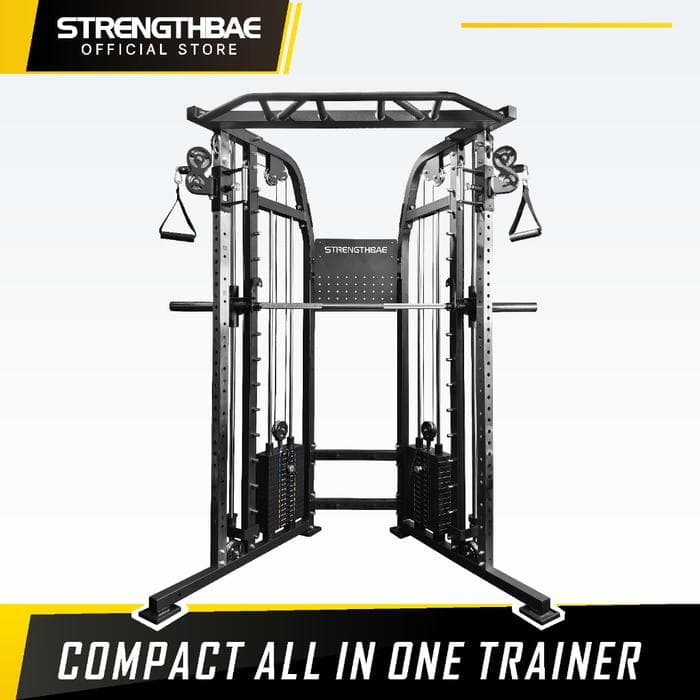
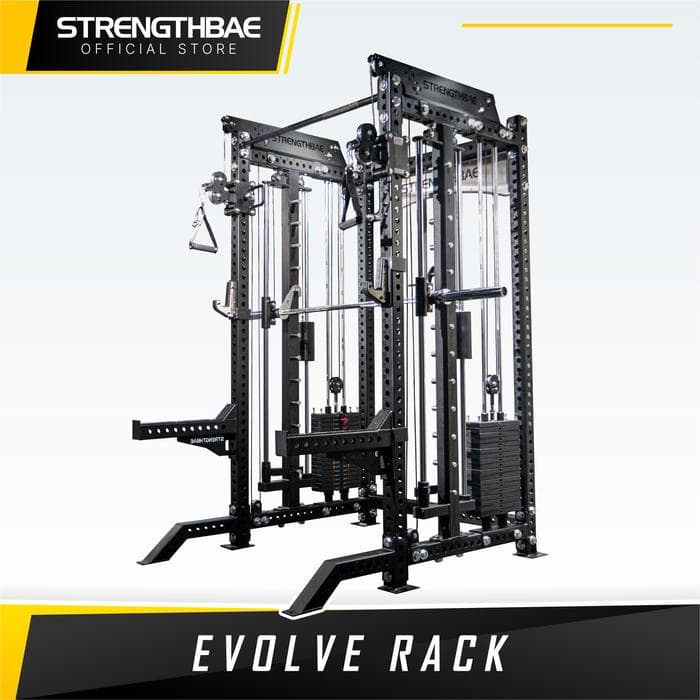
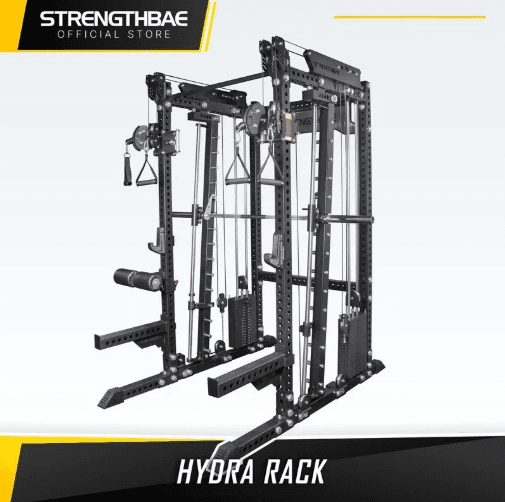
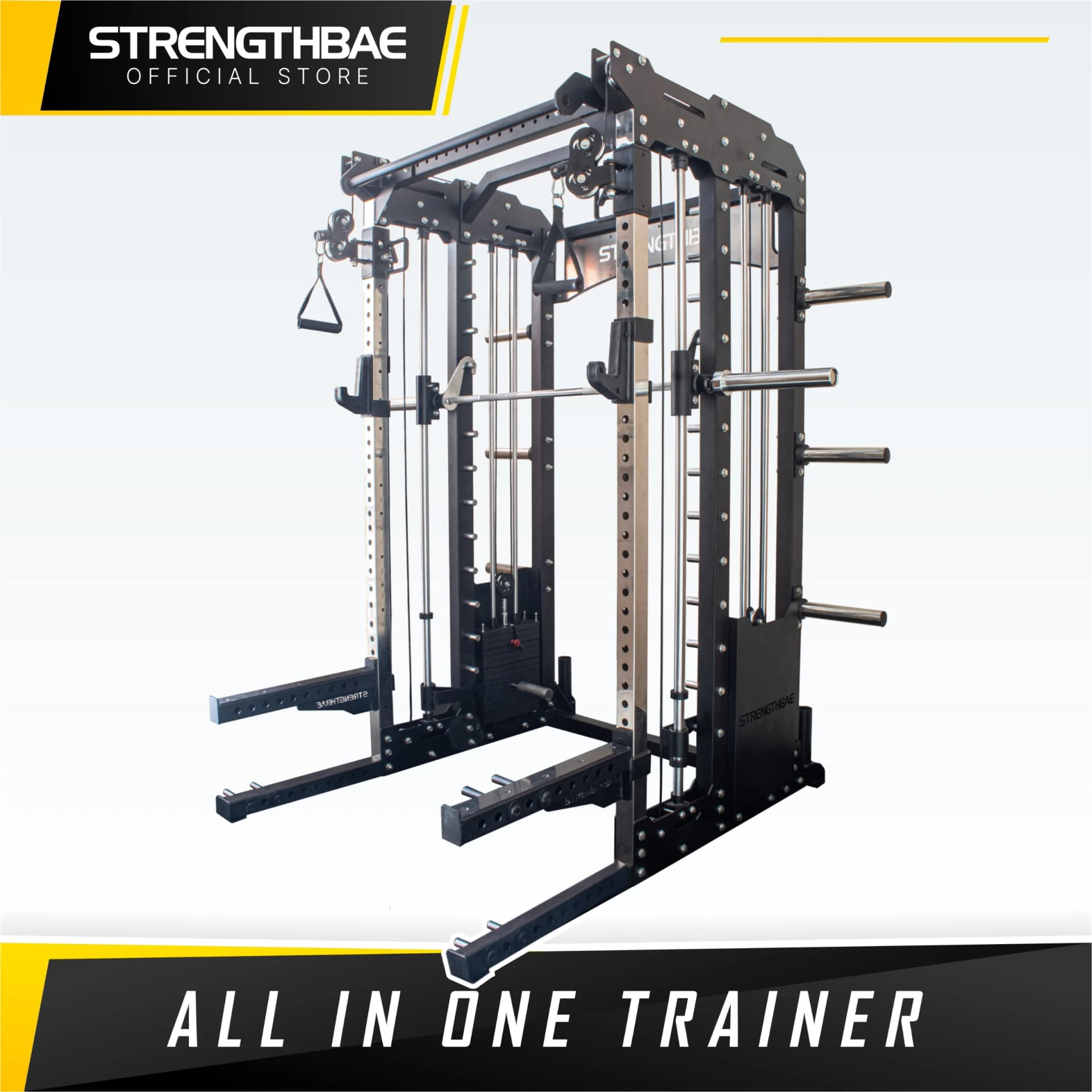
In addition to maintaining your diet, physical training also plays an important role in achieving your desired physique. If you want to complement your workouts at home, Strengthbae provides a variety of quality gym equipment for your home gym, from dumbbells and barbells to power racks and All in One Trainers. Contact the Strengthbae team to find equipment that suits your needs and training goals.
Strengthbae is a professional gym equipment brand that provides solutions for commercial gym businesses and home gyms. From racks and All in One Trainers to functional training accessories for hybrid race based on the HYROX standard, everything is available at Strengthbae.