beginner-weight-training-tips
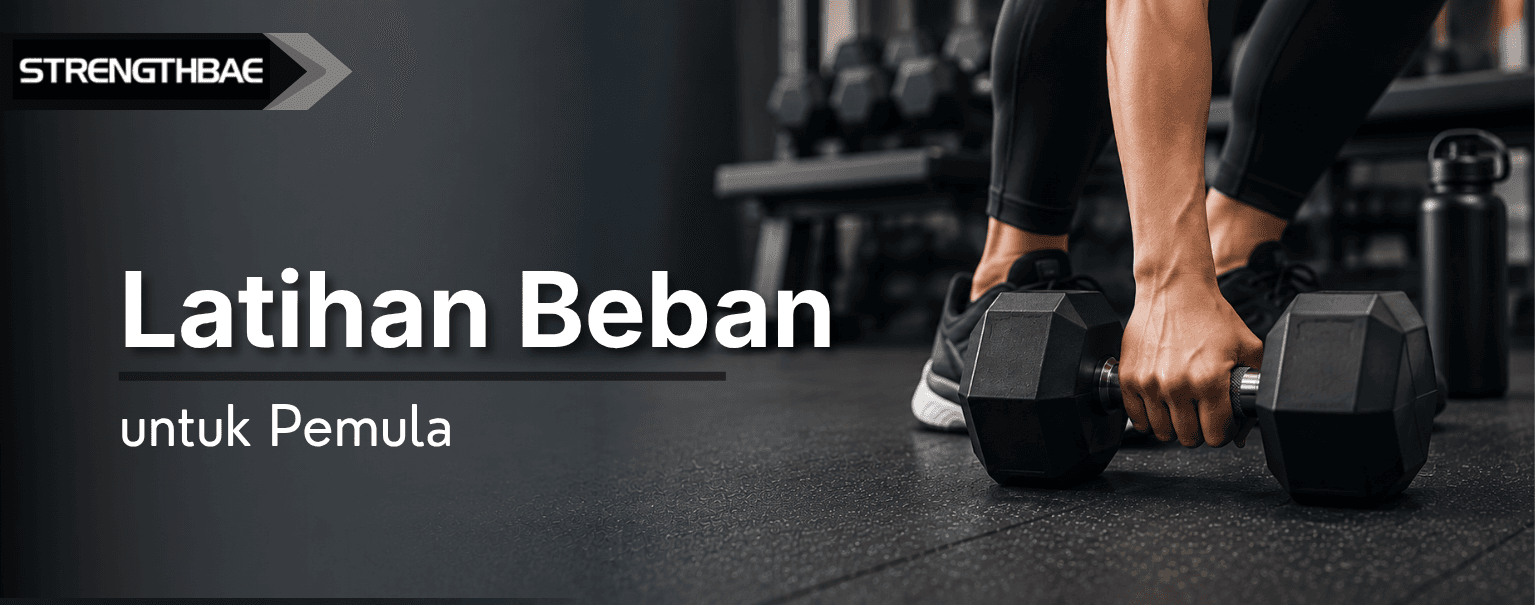
Weight training is not only about building muscle or lifting as much weight as possible. For beginners, it can also help increase strength, support overall fitness, and improve performance in daily activities and other sports.
The most important thing for beginners is not immediately lifting the maximum weight, but understanding where to start, which movements to perform, how to use proper technique, and when training should be progressed.
That is why you should first focus on building a foundation of movement, using weights that match your ability, and maintaining a consistent training routine.
With a simple and gradual approach, weight training can be safer and easier to understand. This guide will help you learn the fundamentals of training, build an initial program, and avoid common mistakes when getting started.
How to Determine Your Weight Training Goals and Targets
Before choosing weight training equipment or creating a workout schedule, first determine your main goal for starting weight training. Do you want to build muscle mass (hypertrophy), increase maximum strength, maintain general health, lose weight, or support performance in another sport?
Your goal will directly affect training intensity, number of repetitions, and rest duration between sets.
Here are examples of how weight training can be structured based on specific goals:
• Building Muscle Mass (Hypertrophy): Train with approximately 70%–85% of your maximum capacity (1RM). Perform 6–12 repetitions per set with 1–3 minutes of rest between sets.
• Increasing Maximum Strength (Max Strength): Train with heavier loads at approximately 75%–90% of your maximum capacity. Perform 3–8 repetitions per set with longer rest periods of 2–5 minutes for nervous system recovery.
• Muscular Endurance (Endurance & General Fitness): Use light to moderate loads, below 60% of 1RM. Perform more repetitions, around 12–15 repetitions, with shorter rest periods of approximately 30–60 seconds.
• Fat Loss: Use moderate to heavy weight training intensity at approximately 60%–80% of 1RM, with 8–12 repetitions per set and around 60–90 seconds of rest.
What Is 1RM?
1RM, or One-Repetition Maximum, is the heaviest weight you can lift for one repetition with proper technique. For example, if you can only bench press 100 kg for one repetition, your 1RM is approximately 100 kg.
If a weight training program recommends using around 70%–85% of your 1RM, this means using a percentage of your maximum capacity. If your 1RM is 100 kg, your training weight would be around 70–85 kg.
However, beginners do not need to immediately perform a 1RM test. It is safer to prioritize the ability to perform several repetitions with good technique.
Notes for Female Beginners
For female beginners, it is important to understand the anatomical difference known as the Q-angle, which is the angle between the hip and knee that tends to be wider due to pelvic structure. This can make the knees more likely to move inward during jumping or squatting movements in weight training.
Therefore, ignore the assumption that weight training will automatically make women excessively muscular. Instead, focus on proper knee tracking and strengthening the glutes. This type of weight training can help strengthen the joints and make daily activities such as carrying groceries or climbing stairs easier.
How to Choose Gym Equipment for Weight Training
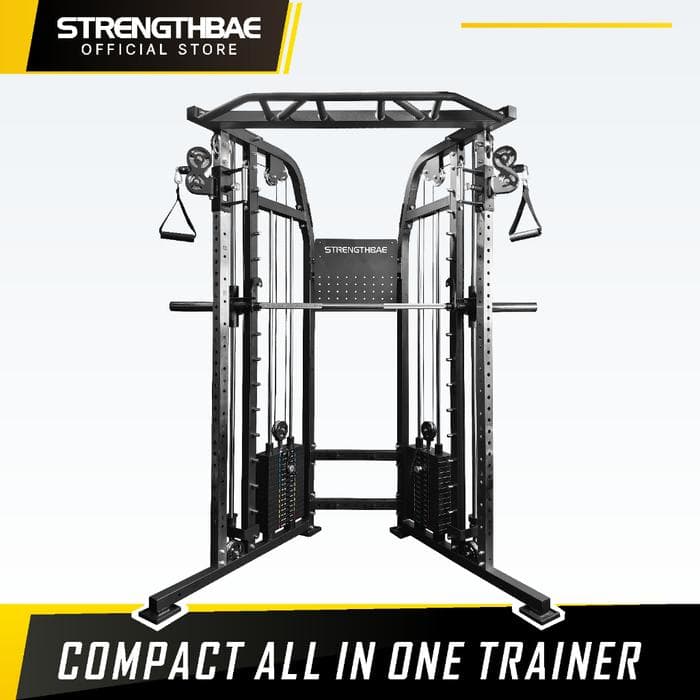
Beginners are often unsure whether to use free weights such as dumbbells, kettlebells, and barbells or selectorized machines and pulley systems such as cable machines or All-in-One Trainers. These types of weight training equipment can complement each other in your daily training routine, especially if you alternate between training at home and at a commercial gym.
Comparison Criteria | Free Weights | Cable Machines |
|---|---|---|
Movement Path & Stability | Free 3D movement path; requires independent control from stabilizer muscles. | Guided movement path; stability is assisted by the machine structure. |
Beginner Suitability | Requires coordination and initial form practice with lighter loads. | Very beginner-friendly; makes muscle isolation easier without worrying as much about losing balance. |
Function & Everyday Transfer | High; replicates real-life lifting patterns. | Very useful for reinforcing form and building foundational strength. |
Weight Adjustment System | Manual, such as switching dumbbells or adding plates to a barbell. | Very quick and practical using a pin on the weight stack. |
Home Gym Space Requirements | Relatively flexible; dumbbells, barbells, and benches can be adjusted to suit the available room. | Requires a dedicated area for the machine, but one cable machine can support many exercise variations. |
Home Gym Efficiency | Suitable for simple setups because several pieces of equipment can be used for many exercises. | Suitable if you want many exercise variations in one station without adding multiple separate machines. |
Suitability for Commercial Gyms | Very commonly used because they support different training levels and are easy for users to share. | Highly suitable because they offer many exercise options and quick weight adjustments for multiple users. |
The table above shows that beginners can start their first sessions using cable or selectorized machines to learn safer movement paths in a commercial gym before progressing to dumbbells or barbells. However, for training at home or in a home gym, dumbbells and barbells are also suitable options for getting started.
Read also: All-in-One Trainer for Limited Spaces: A Home Gym Solution
Understanding the 6 Basic Weight Training Movement Patterns
Beginners do not need to immediately master dozens of complicated exercises. A balanced weight training program is built around six basic movement patterns.
Squat
A movement that involves bending the knees and hips as if sitting down, training the quadriceps, glutes, and calves.
Examples: Goblet Squat, Barbell Back Squat.
Hip Hinge
A movement that involves pushing the hips backward while keeping the back straight to activate the posterior chain, or the back side of the body from head to heels.
Examples: Romanian Deadlift, Kettlebell Swing.
Push
A movement that pushes weight away from the body horizontally or vertically to train the chest, front shoulders, and triceps.
Examples: Push-Up, Bench Press, Overhead Shoulder Press.
Pull
A movement that pulls weight toward the body vertically or horizontally to strengthen the back muscles, including the latissimus dorsi and trapezius, as well as the biceps.
Examples: Lat Pulldown, Seated Cable Row, Dumbbell Row.
Lunge
An asymmetrical stepping movement performed forward or backward one leg at a time to train unilateral strength and ankle stability.
Examples: Walking Lunge, Reverse Lunge.
Carry
A movement that involves gripping a weight and walking upright to challenge grip strength and core stability.
Example: Farmer's Carry.
How to Build a Weekly Weight Training Program for Beginners
Avoid creating an overly complicated weight training program with 10–15 different exercises in a single session.
For beginners, choose 4 to 7 exercise variations per session that cover all major muscle groups in a full-body workout. This routine can be performed 2 to 3 times per week with rest days in between.
Here is a recommended 12-week weight training progression:
Weeks 1–4: Technique & Adaptation Phase
Frequency: 3 times per week. Use lighter weights at approximately 60%–70% of 1RM, or a load that allows 5–8 repetitions. The main focus during this phase is learning proper posture, range of motion (ROM), and breathing control.
Weeks 5–8: Strength Development Phase
Frequency: 3–4 times per week. Increase training intensity to approximately 70%–80% of 1RM, with 4–6 repetitions for 4–5 sets. Begin adding more free-weight exercises and gradually increase the training load.
Weeks 9–12: Heavy Load Intensity Phase
Frequency: 4 times per week. Use approximately 80%–90% of 1RM, performing 3–5 repetitions for 5–6 sets with 4–5 minutes of rest. This phase of weight training aims to maximize neural adaptation and muscular strength.
A Quick Overview of Progressive Overload
Progressive overload means gradually increasing the challenge of your training, for example by adding weight, repetitions, or difficulty as your body becomes stronger.
Good progressive overload is not measured by how quickly you increase the weight. It is better to plan progressive overload and set clear targets, such as gradually increasing the load by a maximum of 2.5 kg to 5 kg per week, adding repetitions, adding sets, or improving tempo control and range of motion (ROM).
Read also: Dumbbells vs. Barbells: Which One Do You Need?
Safe Weight Training Techniques
To help maintain physical safety during weight training at home or in the gym, follow these guidelines:
Master Your Technique
Prioritize learning proper technique and posture with light weights of around 1–5 kg before increasing the load. Avoid sacrificing range of motion simply to lift heavier weights.
Bracing and Breathing
Learn bracing techniques by tightening your abdominal muscles as if preparing to receive pressure. This helps stabilize the spine during squats, deadlifts, and presses. Inhale while lowering the weight and exhale while pushing or pulling the weight.
Warm-Up
Perform a 10–15 minute dynamic warm-up to increase body temperature, followed by 1–2 warm-up sets using lighter weights before moving into your main working sets.
Understand Gym Equipment Safety
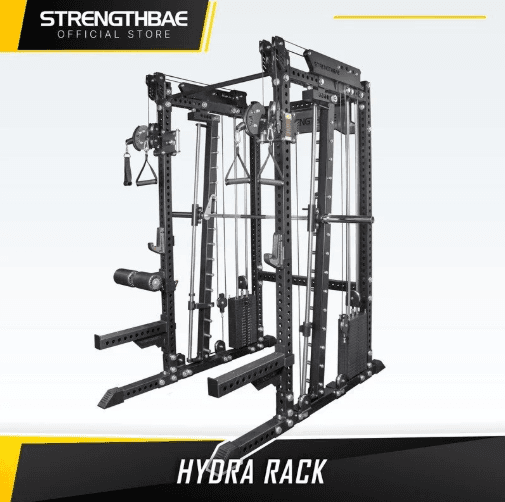
Before using gym equipment such as selectorized machines, Smith machines, or power racks, check the seat height, weight stack pin position, and make sure safety spotter arms and locking stoppers are properly installed.
Be Aware of Your Muscle Condition
A warm or fatigued sensation in the muscles is normal. However, if you experience sharp pain in the joints or spine, stop training immediately and evaluate your form.
Recovery, Sleep, and Protein
Muscles grow while the body is resting. Allow 48–72 hours of recovery before training the same muscle group again. Make sure you get 7–9 hours of sleep each night and consume approximately 1.6–2.2 grams of protein per kilogram of body weight per day.
FAQ
What is a safe starting weight for a beginner during their first training session?
Beginners are advised to start with very light weights ranging from approximately 1 kg to 5 kg. The main focus during the first few sessions should be learning the movement path and developing body coordination before adding heavier loads.
How often should beginners do weight training each week?
The ideal frequency for beginners is 2 to 3 times per week using full-body training sessions. Always include at least one rest day between sessions so the muscles and nervous system have enough time to recover.
What gym equipment is most important for starting weight training at home?
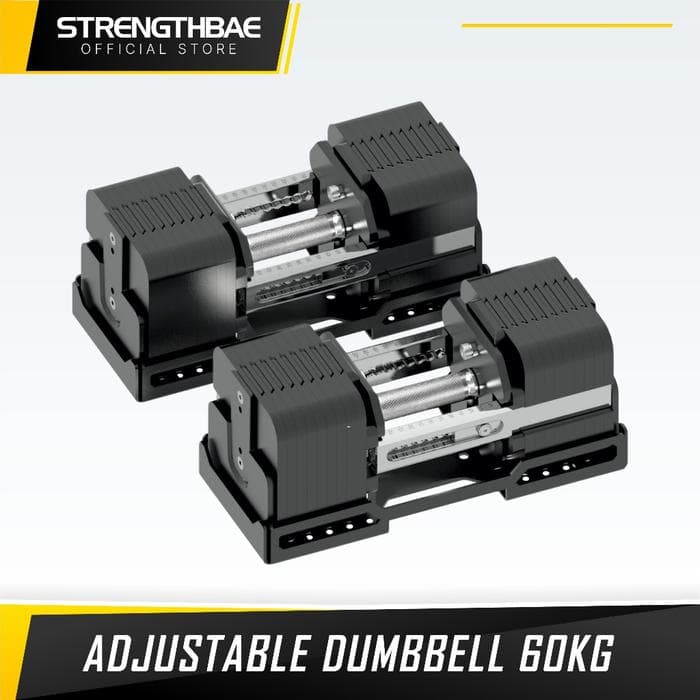
A good beginner home gym setup usually includes a pair of adjustable dumbbells, an adjustable bench for different bench angles, and resistance bands. This combination can support all six basic movement patterns while remaining space-efficient.
Can weight training make a beginner immediately become very muscular?
No. Building a very large amount of muscle mass requires a combination of a significant calorie surplus, high long-term training volume, and extreme intensity. For beginners, weight training can instead help burn fat, strengthen bones, and develop a more athletic and toned physique.
Build a Safe and Effective Weight Training Routine with StrengthBae
Effective weight training is not about lifting as much weight as possible. It is about building a foundation of proper, safe movement that can be performed consistently over the long term. With the right training equipment, you can develop strength according to your abilities and personal goals.
If you are still unsure which equipment to choose or want to build a home training setup such as a home gym, contact the StrengthBae team for consultation and equipment recommendations based on your needs.
StrengthBae is a professional gym equipment brand that provides solutions for commercial gyms, personal gyms, and home gyms. From racks and All-in-One Trainers to functional training accessories such as HYROX sandbags, everything is available at StrengthBae.