Whole Fruit vs Fruit Juice Comparison: Which Is Healthier?
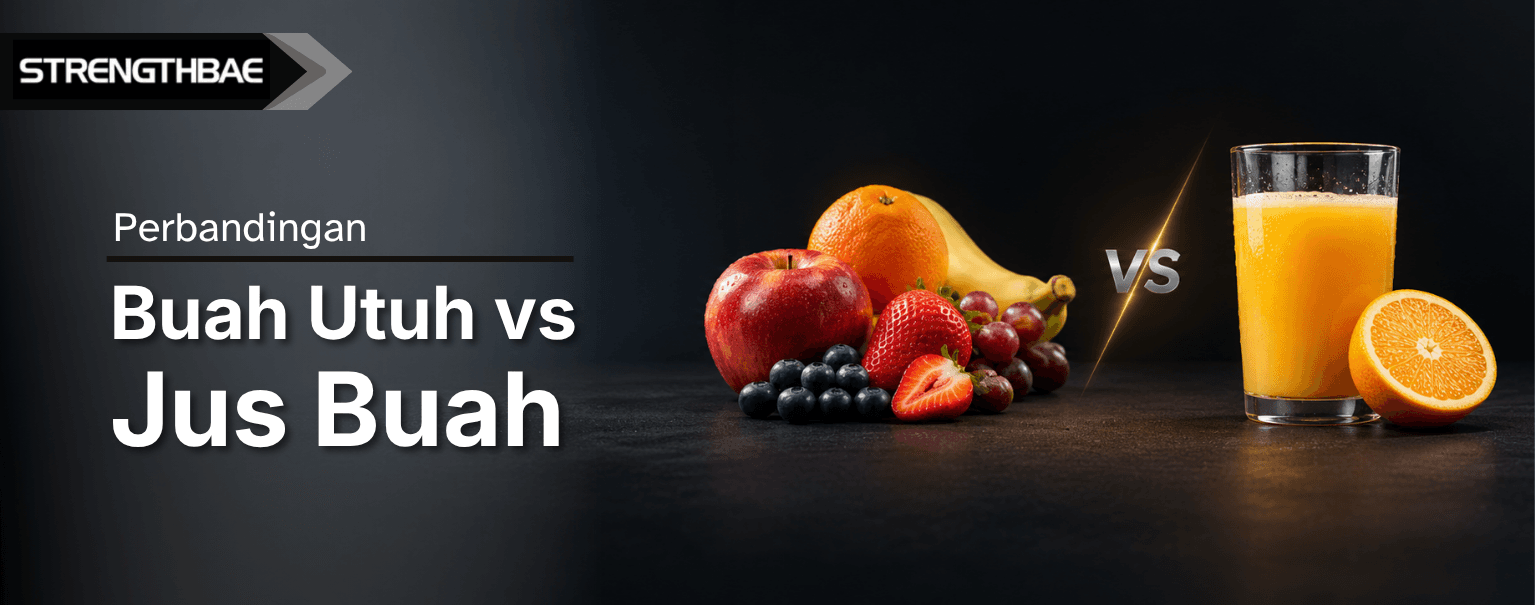
Whole fruit and fruit juice both contain vitamins and minerals, but whole fruit has several advantages for health and dietary management. Whole fruit still contains fiber and the fruit's natural structure, which helps slow digestion, keeps you feeling full for longer, and helps control portions and calorie intake.
When fruit is made into juice, some of its structure and fiber may be reduced, while the fruit's sugar becomes easier to consume in larger amounts and more quickly available to the body. Therefore, it is important to understand the differences in how the body receives whole fruit and fruit juice before deciding which option is more suitable for your needs.
What Is the Difference Between Whole Fruit and Fruit Juice?
Understanding the difference between whole fruit, juice, and smoothies starts with the form of the fruit and how it is processed. Although they all come from the same fruit, the processing method can change the texture, fiber content, and the way the fruit is consumed.
Definition of Whole Fruit
Whole fruit is fruit consumed in its original form without being juiced or strained. The edible parts of the fruit, such as the flesh, pulp, and certain skins, remain intact. The fruit's natural structure also retains its water, natural sugars, and fiber.
Definition of Fruit Juice
Fruit juice is a beverage made by pressing or extracting the juice from fruit. During this process, the liquid is separated from some or all of the pulp and fiber. Juice can be made using a juicer, a manual press, or processed commercially.
Juice with Pulp and Strained Juice
Juice with pulp still contains some of the fruit's pulp and fiber. Meanwhile, strained juice removes more of the pulp and fiber, resulting in a clearer liquid with a lighter texture. Therefore, the fiber content of juice can vary depending on how it is prepared.
100% Juice and Juice with Added Sugar
100% juice uses fruit as its main ingredient without added sugar. Meanwhile, fruit beverages may contain additional ingredients such as sugar, syrup, water, or flavorings, depending on the product. Therefore, it is important to check the ingredients and nutrition information on the label before choosing a fruit beverage.
Difference Between Fruit Juice and Smoothies
The main difference between juice and smoothies lies in how the fruit is processed. Juice is made by extracting the liquid from the fruit and usually separating some of the pulp, while smoothies are made by blending the whole fruit so that the fruit flesh and fiber remain in the drink.
Smoothies can also contain other ingredients such as milk, yogurt, water, or other foods. Because they are not strained, smoothies generally have a thicker texture and higher fiber content than strained juice.
Differences in the Characteristics and Composition of Whole Fruit and Fruit Juice
The main differences between whole fruit and fruit juice can be seen in their fiber content, satiety, consumption speed, and the amount of fruit typically used in one serving. Here is a simple comparison:
Parameter | Whole Fruit | Fruit Juice |
Fiber Content | High, because the fruit's natural structure and fiber remain intact. | Lower, especially when the pulp is strained out. |
Satiety | More filling because it needs to be chewed and takes longer to digest. | Generally less filling because it is easier and faster to drink. |
Consumption Speed | Slower because it needs to be chewed. | Faster and easier to consume in large amounts. |
Amount of Fruit per Serving | Usually around 1 fruit or according to the serving size. | One glass of juice can contain several fruits at once. |
Sugar Content | Sugar remains within the fruit's natural structure and is consumed together with fiber. | Fruit sugar becomes easier to consume in larger amounts, especially when juice is made from several fruits. |
Convenience | Requires washing, peeling, or cutting depending on the type of fruit. | More convenient and easy to drink. |
These differences mean that whole fruit is generally better at helping control portions and satiety. Meanwhile, juice can still be an option for consuming fruit, but the amount of fruit used and the preparation method should be considered, especially when the juice is strained or consumed in large portions.
Comparison of Whole Fruit and Fruit Juice for Satiety
The difference between solid and liquid forms of food can affect hunger, satiety, digestion, and how the body responds to the food consumed.
Advantages of Whole Fruit for Fiber and Satiety
Whole fruit is rich in fiber, including soluble fiber such as pectin found in apples, oranges, and berries. Pectin can help slow gastric emptying, allowing sugar from the fruit to enter the bloodstream more gradually. This process helps regulate the blood sugar and insulin response so that they do not rise too quickly.
Nutrients in Fruit Juice
When fruit is juiced or blended, the structure of the fruit's cell walls is disrupted. In fruit juice that still contains pulp, some fiber remains, while strained fruit juice loses more insoluble fiber.
Processing and storage, especially in commercially manufactured fruit juice, can also affect nutrient content. Research has shown a decrease of around 17%–22% in vitamin C and around 21%–67% in anthocyanins in fruit that undergoes certain processing methods.
Fruit Juice Is More Convenient
Fruit juice is easier to consume because it does not require chewing like whole fruit. In one study, fiber-free apple juice was consumed around 11 times faster than whole apples. Therefore, a person can consume an amount of energy equivalent to around 3–4 apples in a much shorter time when the fruit has been turned into a beverage.
Food Form and Portion Size
Solid foods require longer chewing and can help provide satiety signals. This process is also associated with the release of hormones such as GLP-1 and PYY, which play a role in regulating satiety.
In contrast, calories in liquid form are easier to consume quickly, so the amount consumed at one time can be greater.
Read Also: 16 Fruits for Weight Loss Diets
Comparison of Fruit Quantity and Sugar in Whole Fruit and Fruit Juice
One thing that is often overlooked when drinking fruit juice is how much fruit can be packed into a single glass. Because the fruit has been pressed and turned into liquid, we can consume several fruits at once without feeling like we are eating a large amount of food.
A Lot of Fruit in One Glass of Juice
One 240 mL glass of pure orange juice may require around 3–4 medium-sized oranges, depending on the type and size of the fruit. This means that when you drink one glass of juice, you may get the natural sugar from several fruits at once, but not the same amount of fiber as when those fruits are eaten whole.
Pay Attention to Juice Portions
Because juice is easier to drink in large quantities, portion size should be considered. For daily consumption, you can use a small glass with a serving of around 150–200 mL to keep the amount of juice consumed under control. This helps prevent excessive sugar and calorie intake without realizing it.
Intrinsic Sugar vs Free Sugar
The WHO distinguishes between natural sugar in whole fruit and free sugars. In whole fruit, the sugar remains within the fruit's structure and is consumed together with fiber. Meanwhile, the sugar found in fruit juice is categorized as free sugar because the fruit has been processed into a beverage.
This does not mean that fruit juice contains more sugar than whole fruit. However, fruit juice is easier to consume in large quantities. As a result, the total amount of sugar consumed in a single serving can be higher.
Pure Fruit Juice vs Fruit Drinks
Pure fruit juice is made from fruit without added sugar and still contains vitamins and minerals such as vitamin C and potassium. Meanwhile, fruit drinks may contain less fruit and are usually made with added sugar, water, or flavorings. The amount of fruit and added sugar can vary, so it is best to check the ingredients and nutrition information on the packaging.
Whole Fruit vs Juice for Weight Loss
When trying to lose weight, the way you consume fruit can affect satiety and how easy it is to control your daily food portions.
Whole Fruit for Controlling Portions and Calories
Whole fruit can help with weight management because it contains plenty of water and fiber. These contents give fruit a relatively large volume with relatively low calories, which can help keep you feeling full for longer and reduce the desire to overeat.
Fruit juice can still be part of a diet during fat loss, as long as its portion is accounted for within your total daily calorie intake. However, calories in liquid form generally do not provide as much satiety as whole foods. As a result, you may feel hungry again sooner after drinking juice, especially if the portion is large.
Combine a Whole-Fruit and Fruit-Juice Diet with a Calorie Deficit
A calorie deficit is a reduction in daily calorie intake and is an important factor in losing weight. When the energy coming from food and drinks is lower than the energy used by the body, the body will begin to burn stored fat for energy. Neither whole fruit nor juice directly burns fat. However, whole fruit can help control hunger, making it easier to maintain a calorie deficit over the long term.
Smoothies as an Alternative
If you want to consume fruit in beverage form, smoothies can be an option because the fruit is blended together with its edible parts, allowing the fiber to remain in the drink.
Unlike juice, which usually separates the fruit juice from the pulp, smoothies have a thicker texture and can help provide a longer-lasting feeling of fullness. To keep smoothies suitable for weight loss, also pay attention to added ingredients such as sugar, honey, milk, or syrup, which can increase the total calorie content.
High-Protein and High-Fiber Smoothie Recipe
The following smoothie recipe comes from the [Diet Santuy Instagram account]Diet Santuy Instagram account. This combination of fruit, protein, and fiber sources can be used as a more filling breakfast or snack option.
50 g frozen pineapple
50 g frozen peach
30 g frozen mango
30 g frozen raspberry
30 g frozen strawberry
50 g frozen blueberry
1 scoop whey protein
½ tsp chia seeds
¼ cup oats
120 ml almond milk
In this recipe, one serving contains approximately 363 calories, 30 g of protein, 4.3 g of fat, and 10 g of fiber. The combination of whey protein, oats, chia seeds, and various berries means this smoothie not only contains protein and fiber, but also provides various vitamins, minerals, and antioxidant compounds from the fruit.
Choose Whole Fruit and Fruit Juice According to Your Needs
Each form of fruit consumption has its own advantages that can be adjusted to your needs. If you want to stay full longer, help control blood sugar, and support digestion, whole fruit can be the primary choice because it still contains natural fiber.
Meanwhile, if you need a more convenient option, 100% fruit juice without added sugar can be consumed in a small portion of around 150 mL.
If you still want to get fiber in beverage form, blended fruit or smoothies can be an alternative because the fruit is blended without separating the pulp.
For weight loss, a whole-fruit diet can make it easier to control portions and calories, making it a suitable primary choice. However, both whole fruit and pure fruit juice can still be part of a balanced diet by adjusting the type, portion, and your daily needs.
FAQ
Is fruit juice as healthy as whole fruit?
Not entirely. Pure 100% fruit juice still contains vitamins and minerals, but the juicing process removes dietary fiber and changes the natural sugar in the fruit into free sugar, which is absorbed by the body more quickly. Combining a balanced nutrition plan with regular exercise, both at the gym and at home, is the key to maintaining your health.
Does fruit juice contain fiber?
Pure strained fruit juice contains very little fiber or even no fiber at all because the solid pulp is removed. If you make a smoothie by blending the fruit without straining it, the fruit's fiber content can be retained.
Is unsweetened fruit juice suitable for a diet?
Unsweetened fruit juice can still be included in a weight-loss diet, but the portion needs to be carefully controlled. Because it is a liquid, juice provides less satiety than eating whole fruit. Complementing your fruit-based diet with workouts and exercise at home can help increase daily calorie expenditure.
Can fruit juice cause weight gain?
Yes, if consumed excessively. One glass of fruit juice can contain the calories from 3 to 4 fruits at once without making your stomach feel overly full, potentially leading to excessive daily calorie intake if it is not balanced with sufficient physical activity.
Is a smoothie better than juice?
Yes, smoothies are generally better than strained juice because blending the entire edible portion of the fruit means the fiber is not removed. Combined with whey protein or oats, smoothies become a nutrient-rich and filling beverage option. However, still pay attention to the added ingredients in smoothies so that the calorie content does not become too high.
How much fruit should be used for one glass of juice?
Use a maximum of 1 to 2 servings of fruit (for example, 1 medium apple or 1 orange) for one serving glass, so that free sugar and calorie intake remain within safe limits.
Live a Healthy and Balanced Life with Strengthbae
Maintaining a balanced diet by paying attention to fruit portions, calorie intake, and nutritional needs is an important part of a healthy lifestyle. However, diet alone is not enough. Complement it with regular exercise to help maintain fitness, strength, and muscle mass, both at home and at the gym.
To support your training, Strengthbae provides a variety of fitness equipment, from dumbbells, barbells, and benches to other home gym equipment. Choose equipment that suits your needs and create an exercise routine that you can follow consistently. Contact our team for further consultation.
Strengthbae is a professional gym equipment brand that provides solutions for commercial gym businesses and home gyms. From racks and All in One Trainers to functional training accessories such as Hyrox-standard sandbags, everything is available at Strengthbae.