Difference Between Weightlifting vs Weight Training
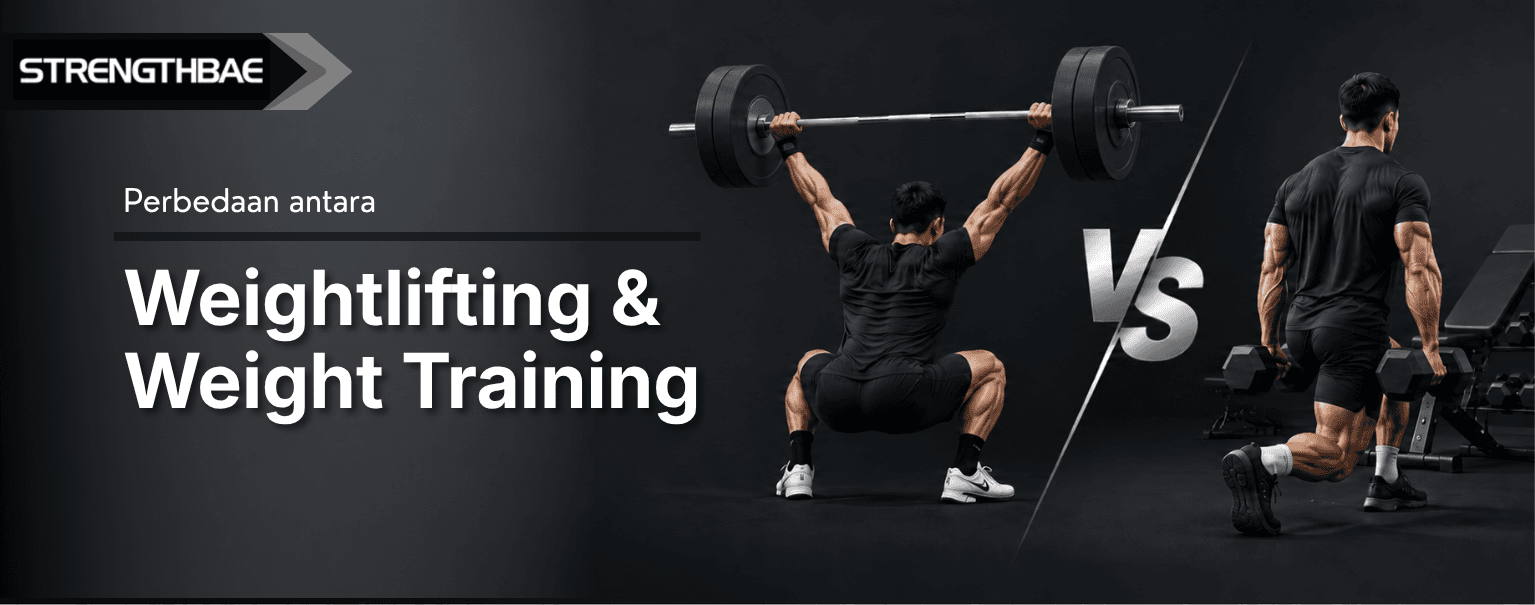
The main difference between weightlifting, or Olympic weightlifting, and weight training lies in their primary goals and types of movements.
Weightlifting is a competitive sport that focuses on two lifting movements with very heavy loads, while weight training is a resistance training method used to increase strength, muscle mass, fitness, and body composition.
The use of the term "angkat beban" in Indonesian is often confusing because it is considered to include all forms of resistance training. This article takes an in-depth look at the differences in techniques, equipment, as well as practical guidance for choosing the program that best suits your needs.
What Is Weightlifting or Olympic Weightlifting?
In the world of official sports, weightlifting specifically refers to the competitive sport of Olympic weightlifting, which is also featured in Olympic world competitions.
The main focus of weightlifting is lifting the heaviest possible barbell overhead according to highly structured and measurable official technical rules. In addition to competitions, weightlifting is also commonly performed in commercial gyms and dedicated weightlifting gyms.
Weightlifting competitions center around two main movements known as the main lifts:
Snatch: A movement that lifts the barbell from the floor directly overhead in one continuous and explosive sequence. This movement requires speed, full-body coordination, joint flexibility, and upper-body stability.
Clean & Jerk: A combination of two movement phases, beginning with lifting the barbell from the floor to the chest/shoulders (clean), followed by an explosive drive that brings the barbell overhead (jerk). This movement requires a combination of strength, explosive power, balance, and timing.
It is important to understand that common fitness exercises such as the bench press, biceps curl, leg extension, or lat pulldown do not fall into the category of weightlifting. Weightlifting focuses entirely on mastering the technique of these two lifts, especially for competition.
What Is Weight Training or Resistance Training?
Weight training or resistance training is a form of physical exercise that uses resistance from external loads or your own body weight to stimulate muscle contractions.
The main goals of weight training are very broad, including increasing muscle strength, building muscle mass (hypertrophy), improving physical endurance, burning calories for ideal body composition, and maintaining bone health and daily metabolism. Weight training can be performed in a commercial gym or at home in a home gym.
Resistance in weight training can come from various types of fitness equipment, such as:
Free Weights: Equipment such as dumbbells and kettlebells that provide full freedom of movement.
Barbell & Plates: Barbells and weight plates that allow the load to be increased gradually.
Machines & Cables: Selectorized machines and cable crossovers that provide stable and safe guided movement paths.
The variety of movements in weight training or resistance training is very broad and can be adjusted according to the user's ability level.
Popular exercise examples include dumbbell bench press, squat, leg press, lat pulldown, biceps curl, Romanian deadlift, and shoulder press. When you go to the gym to use dumbbells, cable pulleys, or weight training machines, you are essentially doing weight training, not weightlifting.
Differences Between Weight Training and Weightlifting
To provide a clear overview of the fundamental differences between these two types of training, the following table compares the key aspects:
Comparison Aspect | Weight Training / Resistance Training | Weightlifting / Olympic Weightlifting / Weightlifting |
|---|---|---|
Main Goal | Increase strength, muscle mass, fitness, & body composition, and can be done anywhere. | As a competitive weightlifting sport at national and international levels. |
Movement Variety | Very broad (compound & isolation exercises). | Focuses on two main lifts (Snatch & Clean and Jerk). |
Main Equipment | Dumbbell, barbell, machine, cable, kettlebell, bench. | Olympic barbell, bumper plate, weightlifting platform, rack. |
Technical Characteristics | From simple movements to functional variations. | Highly technical, specific, and precise. |
Movement Speed | Can be performed slowly, moderately, or in a controlled manner. | Very fast, dynamic, and explosive. |
User Suitability | Suitable for beginners, general users, and athletes from various sports. | Suitable for people who want to pursue the sport of weightlifting. |
Progression Focus | Increasing load, repetitions, sets, and training volume. | Mastering lifting technique and increasing the load massively and maximally. |
Weightlifting (Olympic Weightlifting)
Weightlifting movements are far more complex and require a high level of precision. Successful lifts depend heavily on proper barbell positioning, timing, explosive power, and full-body coordination from the feet to the arms.
Small mistakes in body position or transition timing can suddenly cause a failed lift. This makes this sport carry more risks compared with weight training.
Weight Training (Resistance Training)
Weight training offers a highly flexible range of exercise variations. Training can combine compound exercises (movements that involve multiple joints and muscle groups at the same time, such as squats and bench presses) as well as isolation exercises (isolated movements for one specific muscle, such as bicep curls and leg extensions).
The tempo or speed of movement can be slow, moderate, or controlled according to the training goal, such as hypertrophy or muscular endurance. Weight training can be used as an entry point for trying weightlifting.
Differences in the Equipment Used
Equipment for Weightlifting
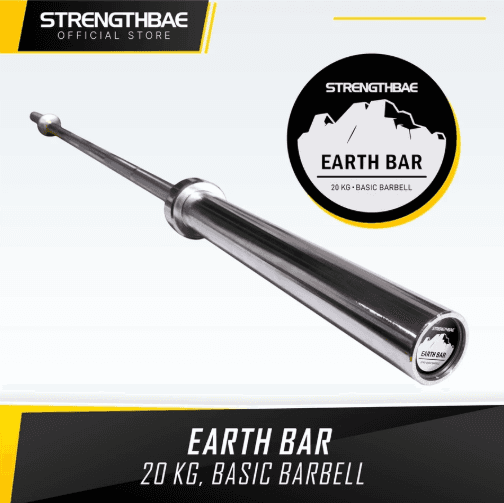
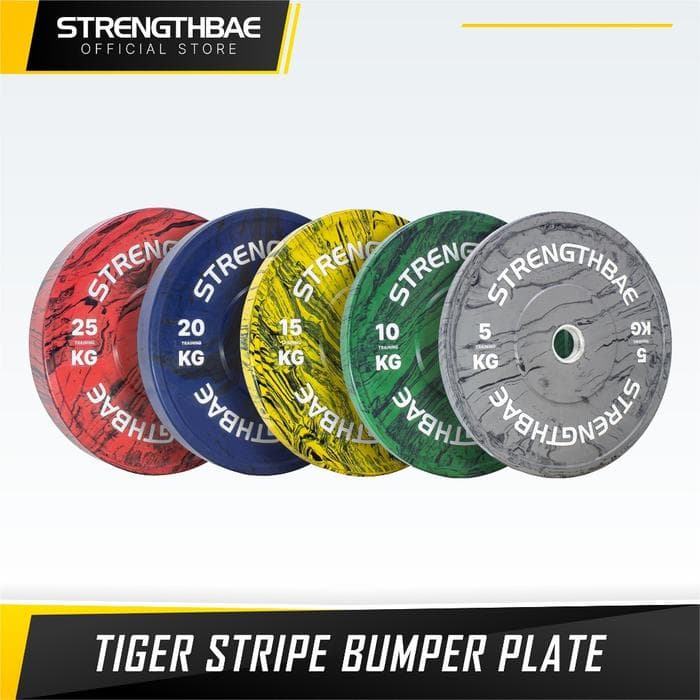
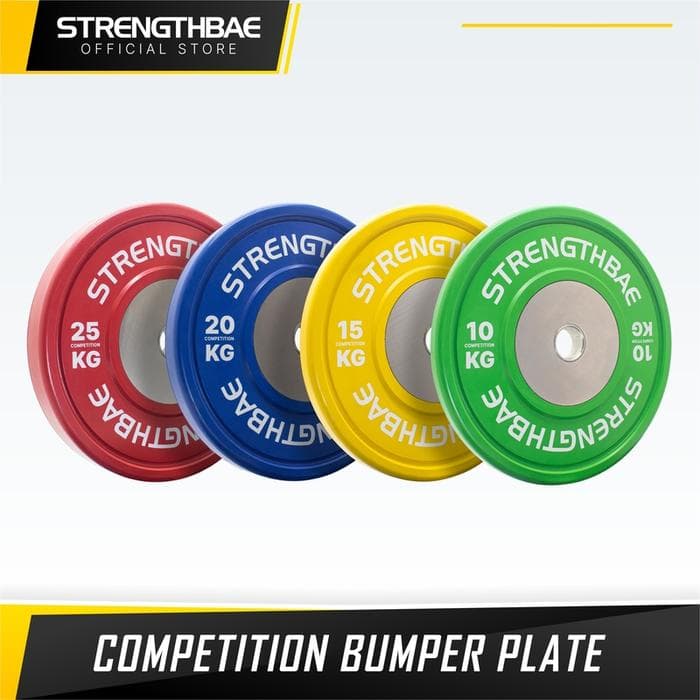
Weightlifting equipment is specifically designed to withstand impacts and the force of heavy loads. The main equipment includes Olympic barbells with specific specifications, usually with very smooth sleeve rotation; bumper plates, rubber weight plates that are safe to drop from overhead; weightlifting platforms, specialized impact-absorbing flooring; as well as supporting squat racks.
Although barbells are used in both types of training, the technical specifications of the barbell as well as the way and purpose for which it is used are very different compared with barbells for weight training.
Equipment for Weight Training
Weight training should be performed by taking advantage of the variety of gym equipment to provide muscle stimulation from various angles. Commonly used gym equipment includes dumbbells, barbells, weight plates, adjustable benches, power racks, Smith machines, cable crossovers, selectorized machines, and kettlebells.
How to Start Weightlifting for Beginners
The initial approach to learning weightlifting focuses heavily on technique and joint flexibility before using heavy loads. Beginners are advised to go through the following training stages:
Improve Joint Mobility
Flexibility training is very important, especially in the ankles, hips, shoulders, and thoracic spine so the body can reach a deep squat position with stability.
Learn Basic Barbell Positions
Understand grip technique (hook grip), the starting position on the floor, the bar path as it passes the knees, and the receiving position over the chest or head.
Train Muscle Memory
Use a PVC pipe, a light training bar, or an empty barbell first to develop muscle memory without being distracted by the weight of the load.
Learn the Movements Gradually
Break the Snatch and Clean & Jerk into smaller sections before practicing the complete movements as a whole.
Weightlifting Support Exercises
Improve strength through weight training variations such as front squat, overhead squat, Romanian deadlift, high pull, hang clean, hang snatch, push press, and split jerk. Guidance from a professional coach is highly recommended for beginners to ensure safety and proper technique.
How to Start Weight Training for Beginners
For beginners who want to start weight training, the best first step is to master the five basic movement patterns of the human body: squat (bending the knees), hip hinge (hinging at the hips), push, pull, and lunge (asymmetrical stepping).
Start by using equipment that is easy to control, such as weight machines, cable pulleys, or light dumbbells. Choose a weight that allows you to complete repetitions with clean and controlled technique and form.
A full-body training routine 2 to 3 times per week is already very effective as a starting point. An example of a simple training routine for beginners:
Goblet Squat
Hold one dumbbell in front of your chest, then lower your hips as if you were going to sit down and return to standing. This movement primarily trains the quadriceps and glutes.
Dumbbell Press
Lie on a bench while holding dumbbells beside your chest, then press the dumbbells upward and slowly lower them again. This movement trains the chest, front shoulders, and triceps.
Seated Row
Sit facing the machine or cable, pull the handle toward your abdomen, then slowly return it. This movement trains the back muscles and helps strengthen posture.
Romanian Deadlift
Hold a dumbbell or barbell in front of your body, push your hips backward while keeping your back straight, then return to standing. This movement trains the hamstrings and glutes.
Lat Pulldown
Sit facing the machine, pull the bar down from above toward your chest, then slowly return it. This movement trains the upper back muscles and helps improve muscular endurance.
The main focus during the early stages of the weight training above is learning movement coordination, developing body control, and gradually increasing the weight or repetitions (progressive overload).
FAQ
Is weightlifting (Olympic weightlifting or weightlifting) suitable for beginners?
Weightlifting can be learned by beginners, but it requires a gradual process of learning technique using very light weights or a training stick. Guidance from a professional coach is highly recommended to prevent the risk of injury.
Which is better for building muscle mass, weight training or weightlifting?
Weight training is far more effective and flexible for building muscle mass (hypertrophy) because it provides a wide variety of isolation exercises and load control. Meanwhile, weightlifting primarily focuses on muscle strength, not sculptural shape.
Can I do weight training and weightlifting at the same time?
Yes. Weightlifting athletes almost always perform weight training exercises such as squats, deadlifts, and rows as supporting exercises to strengthen their main muscle groups.
What gym equipment is most important to have when starting weight training at home?
The most important equipment for starting weight training at home and building a simple home gym begins with a pair of dumbbells or kettlebells, a gym bench, and rubber flooring for training comfort and safety.
How do I choose safe gym equipment for a home gym or commercial gym?
Choose fitness equipment with specifications that include a sturdy steel frame structure, a safe maximum load capacity, as well as support from an official warranty and reliable spare parts availability. Contact the Strenghtbae team to get all of these benefits.
Start Your Training and Weightlifting Journey with Strengthbae
Whether you choose to focus on weight training for fitness or learn weightlifting or Olympic weightlifting techniques, having gym equipment with precise specifications and an official warranty is the main key to maintaining consistency in daily training.
Strengthbae provides gym equipment for various weight training needs, from weightlifting with specifications that support Olympic competition standards to weight training for strength workouts at home.
With a selection of barbells, weight plates, racks, benches, and other supporting equipment, the setup can be adjusted according to training goals and user level. For more information about officially warrantied fitness equipment options, please contact the Strengthbae team.
Strengthbae is a professional gym equipment brand that provides solutions for commercial gym businesses and home gyms. From racks and all-in-one trainers to functional training accessories such as Hyrox-standard sandbags, everything is available at Strengthbae.