Take Care of Your Mental Health with Easy Exercises at Home
Light exercise at home can help support mental health by increasing the release of hormones and natural substances in the body that can help improve mood. Exercise can also help relax tense muscles and reduce stress and anxiety without requiring much physical effort or specialized equipment.
Simple activities such as walking in place, neck and shoulder stretches, light yoga, and cardio exercises can help improve mood and gradually improve sleep quality.
This article will discuss how exercise affects brain function and mental health, various options for light exercise at home, how to start exercising when you are feeling unmotivated, and easy exercise durations that can be done even on your hardest days.
Benefits of Regular Exercise for Mental Health
Amid the demands of everyday life, both the body and mind can often feel tired.
Exercise does not always have to be aimed at building muscle or burning calories.
Light physical activity can also help calm the mind, reduce stress, and build healthy habits.
Moving regularly helps reduce prolonged sitting and may help relieve symptoms of mild to moderate anxiety and depression in some people.
Exercise can also complement therapy for those who are undergoing medical treatment or receiving professional help for mental health conditions.
When you exercise, the body produces endorphins, which can help reduce pain and improve mood.
The body also produces endocannabinoids, natural compounds that can enter the brain and help create feelings of calm and relaxation.
In addition, exercise helps regulate stress hormones such as cortisol, increases blood flow to the brain, supports the brain's ability to adapt, and helps manage emotions more effectively.
How to Start Exercising When You Are Feeling Unmotivated
As a general guideline, the World Health Organization or WHO recommends that adults perform 150–300 minutes of moderate-intensity aerobic activity per week.
However, you do not have to reach this target immediately to gain mental health benefits. Moving for 3–5 minutes a day is still better than not moving at all. The most important thing is to build an exercise habit that feels comfortable and consistent.
When you are feeling unmotivated or emotionally overwhelmed, exercising for 30 minutes may feel difficult. Here are some ways to keep moving without feeling overwhelmed.
Start with the Easiest Movement
Choose a simple movement that does not require much preparation, such as slowly rolling your shoulders or tilting your neck.
Try Moving for 1 Minute
Start by moving for just 1 minute. You do not have to force yourself to exercise for a long period right away.
Do Movements While Sitting
If your body is too tired to stand, try movements such as seated cat-cow, seated side stretches, or alternating leg raises while sitting in a chair.
Rest When Needed
You can stop and rest whenever you need to. There is no need to force yourself to finish a workout if your body or mind is not in a suitable condition.
Increase the Duration Gradually
If you feel more comfortable after 1 minute, you can continue exercising for 5–10 minutes according to your preference and ability.
Here are several exercise options for supporting mental health, with difficulty levels that can be adjusted according to your mood and physical condition each day.
Walking at Home for Mental Health
Walking is one of the easiest forms of exercise that can be done anywhere without specialized equipment.
When your mental health feels low, you do not need to leave the house to do this. You can take a relaxed walk around the living room, along a hallway, or walk in place.
Walk at a comfortable pace and keep your body relaxed. Start with 1–5 minutes according to your ability and physical condition.
If you are feeling mentally exhausted, simply take a few steps and then rest. This activity helps keep your body moving without adding stress or pressure.
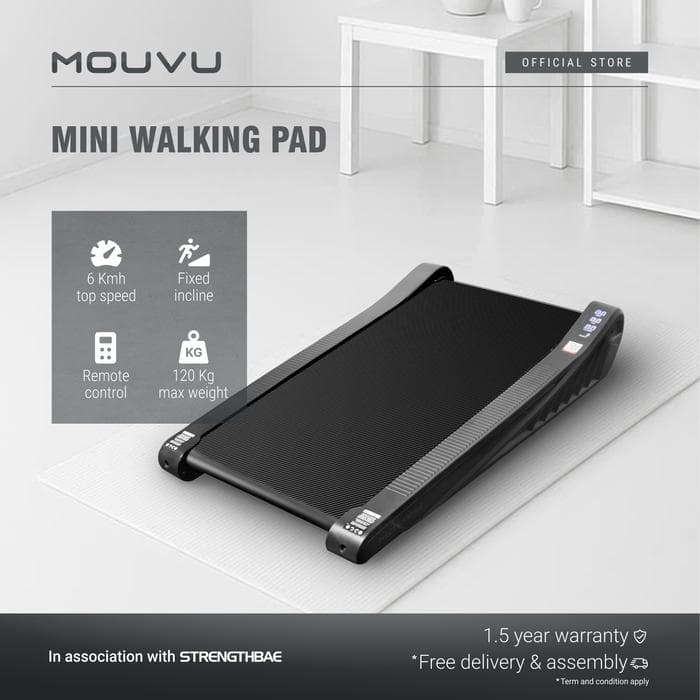
Read More: Walking Pad Mini Mouvu
Stretching for Mental Health
Stretching exercises can help reduce muscle tension caused by stress, sitting for too long, or sleeping in the same position for an extended period. Light stretching can also help the body and nervous system become more relaxed.
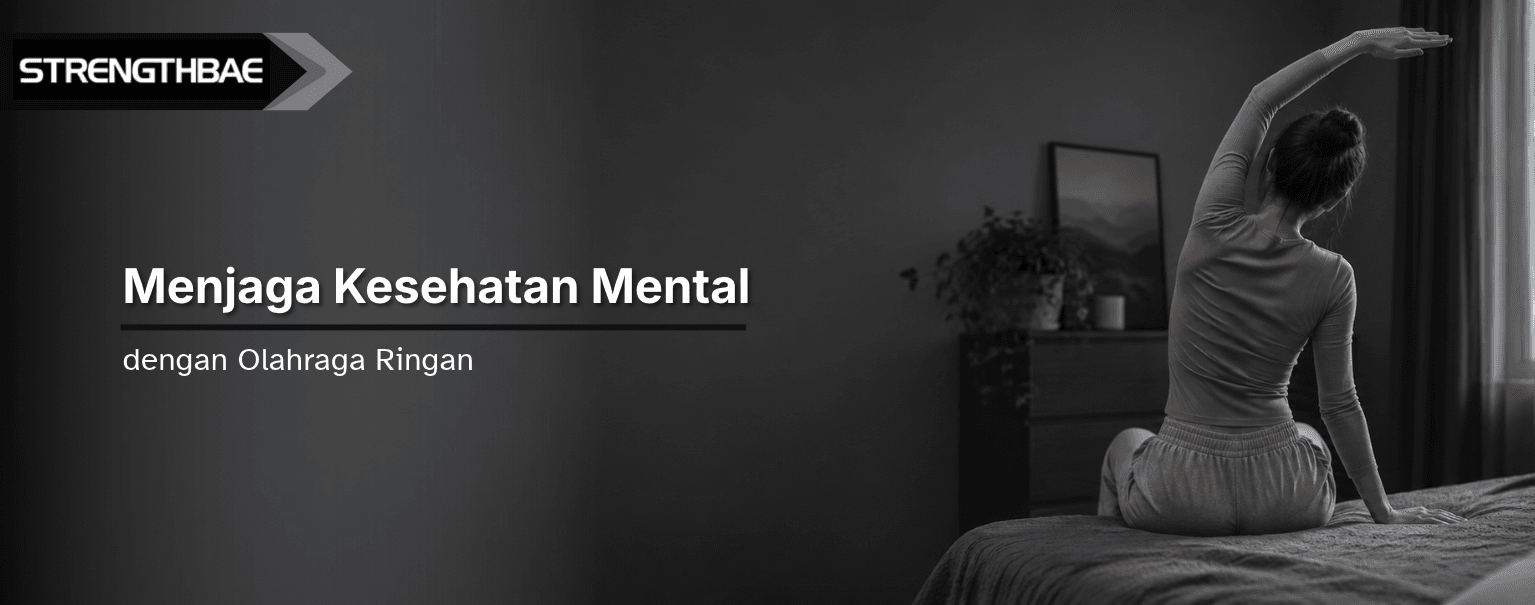
The benefit is that you can do these exercises while sitting on the edge of your bed, even on your hardest days.
Neck Side Stretch
Slowly tilt your head toward your right shoulder until you feel a gentle stretch on the left side of your neck. Hold for 10–15 seconds, then return to the center and repeat on the left side. This movement can help reduce neck muscle tension when you feel anxious.
Shoulder Rolls
Slowly roll your shoulders backward 5–10 times, then repeat the same movement forward. This exercise helps promote blood flow and makes stiff shoulder joints easier to move.
Seated Side Stretch
Sit upright on a chair, raise your right hand overhead, then gently lean your body to the left. Hold for 10–15 seconds, then repeat on the other side. This movement helps stretch the muscles along the sides of the body and open the chest area so breathing feels more comfortable.
Yoga for Mental Health
Light yoga can help calm the mind and increase body awareness by combining slow movements with controlled breathing.
Do these movements when you feel able to get out of bed. Remember to take slow, deep breaths to help calm your mind.
Mountain Pose
Stand upright with both feet firmly on the floor and your arms by your sides. Close your eyes or focus your gaze on one point, then slowly inhale and exhale for 30 seconds. Focus on your balance and breathing to help calm your mind.
Seated Cat-Cow
Sit upright on a chair with both feet flat on the floor. Slowly round your back, then gently arch it forward while coordinating your breathing with the movement. Repeat 5–8 times to help relax the muscles and reduce stiffness in the spine.
Seated Forward Bend
Sit on a chair, then gently lean your upper body forward from the hips while staying relaxed. Hold for 10–20 seconds as comfortable. You do not need to bend too far; simply go as far as feels comfortable and helps your back muscles relax.
Easy Bodyweight Exercises
Bodyweight exercises help activate the muscles and stimulate the release of endorphins without requiring additional weights or equipment.
Perform these exercises according to your ability. You can reduce or increase the number of repetitions and difficulty depending on your needs that day.
Chair Squat
How to Do It: Stand in front of a chair, then slowly lower your hips until they touch the seat. Push your feet into the floor to return to a standing position, then repeat the movement. Use the chair or a wall for support if you need help maintaining balance.
Main Muscles: Quadriceps and glutes.
Recommendation: 3–5 repetitions.
Wall Push-Up
How to Do It: Stand about one arm's length away from a wall. Place both palms on the wall at shoulder height, then slowly bend your elbows until your chest moves closer to the wall. Push your body back to the starting position.
Main Muscles: Chest, triceps, and shoulders.
Recommendation: 3–5 repetitions with controlled movement.
Glute Bridge
How to Do It: Lie on your back on a mat with your knees bent and feet flat on the floor. Lift your hips slightly while contracting your glutes, then slowly lower them back down.
Main Muscles: Glutes and hamstrings.
Recommendation: 5–8 repetitions. You can skip this exercise if you are not comfortable lying on the floor.
Simple Dance Workout for Mental Health
A simple dance workout can be a fun way to exercise and express emotions. Dancing to your favorite songs can also quickly boost your energy. Play a song or some music and move your body to the rhythm without having to follow a specific choreography.
Simple movements can include stepping from side to side, swinging both arms, or gently rolling your shoulders. Start with 1–3 minutes, depending on the length of the song. This activity can even be done while sitting if you do not feel ready to stand.
Read Also: Resistance Band Strengthbae
Low-Impact Cardio for Mental Health
Low-impact cardio helps gradually increase your heart rate and breathing without placing excessive stress on the body.
Marching in Place
Walk in place while alternately lifting your feet with slow movements for 30–60 seconds. This exercise can also be done while sitting.
Step Jacks
This movement is similar to jumping jacks but without jumping. Step one foot to the side while raising both arms overhead. Return to the starting position, then repeat with the other foot. Perform 5–10 repetitions.
Side Steps
Step to the right and left alternately at a comfortable pace for 30–60 seconds. If space is limited, simply take smaller steps.
Summary of Light Exercise Options at Home for Mental Health
Type of Exercise | Example Movements | Benefits | Duration / Repetitions |
|---|---|---|---|
Walking | Walking around the house or walking in place | Helps keep the body active and calm the mind | 1–5 minutes |
Stretching & Mobility | Neck Stretch, Shoulder Rolls, Seated Side Stretch | Helps reduce tension in the neck, shoulders, and midsection | 10–15 seconds / 5–10 repetitions |
Light Yoga | Mountain Pose, Seated Cat-Cow, Forward Bend | Helps regulate breathing and calm the nervous system | 30 seconds / 5–8 repetitions |
Bodyweight Workout | Chair Squat, Wall Push-Up, Glute Bridge | Helps stimulate endorphin release and maintain muscle strength | 3–8 repetitions |
Dance Workout | Side steps and arm swings to music | Improves mood in an enjoyable way | 1–3 minutes or 1 song |
Low-Impact Cardio | Marching in Place, Step Jacks, Side Steps | Helps promote blood flow without high-impact stress on the joints | 30–60 seconds / 5–10 repetitions |
You can create a schedule or use this table as a menu of daily exercise options. No matter how simple your movements are that day, they still count as progress. Remember that progress is not always linear.
If you feel that you need to reduce your activity today, that is not a failure. Consistency is key to recovery and maintaining your mental health regularly.
FAQ
Is light exercise at home effective for reducing stress caused by mental fatigue?
Yes, light exercise can help reduce stress by helping the body and nervous system relax, regulating stress hormones such as cortisol, and stimulating the release of endorphins that can improve mood.
How often should I do light exercise at home to support mental health?
Light exercise can be done every day or 3–5 times a week for 5–15 minutes. Regular physical activity can help maintain the balance of brain chemicals that affect mood, helping your emotional state remain more stable throughout the week.
Is light exercise safe for beginners experiencing anxiety or depression?
It is generally safe when performed according to your physical ability using light movements that do not place excessive stress on the body. Activities such as walking in place, neck stretching, or seated cat-cow have a low risk of causing excessive fatigue and can provide a sense of accomplishment after moving.
When is the best time to exercise for mental health?
You can exercise in the morning to start the day with a fresher mind or in the afternoon after work to help reduce stress. Choose the time that feels most comfortable and is easiest to maintain consistently without feeling overwhelmed.
What gym equipment can be used to add variety to home workouts?
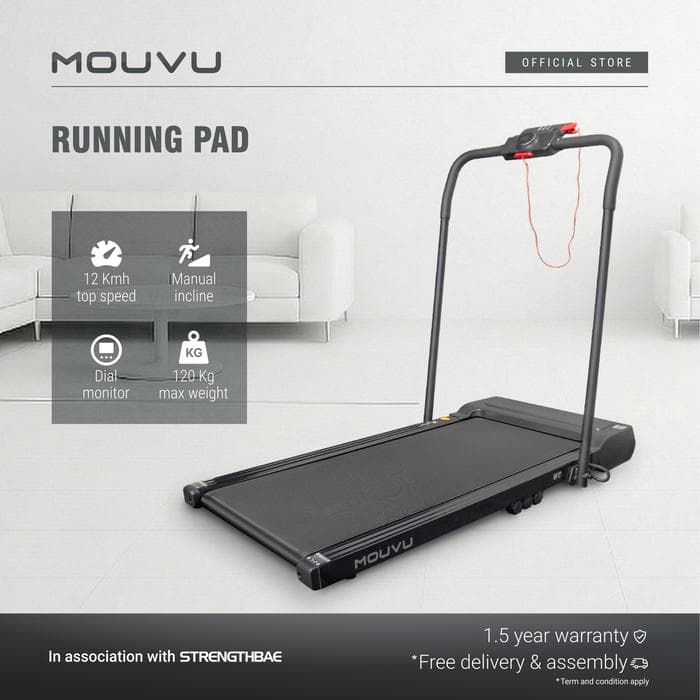
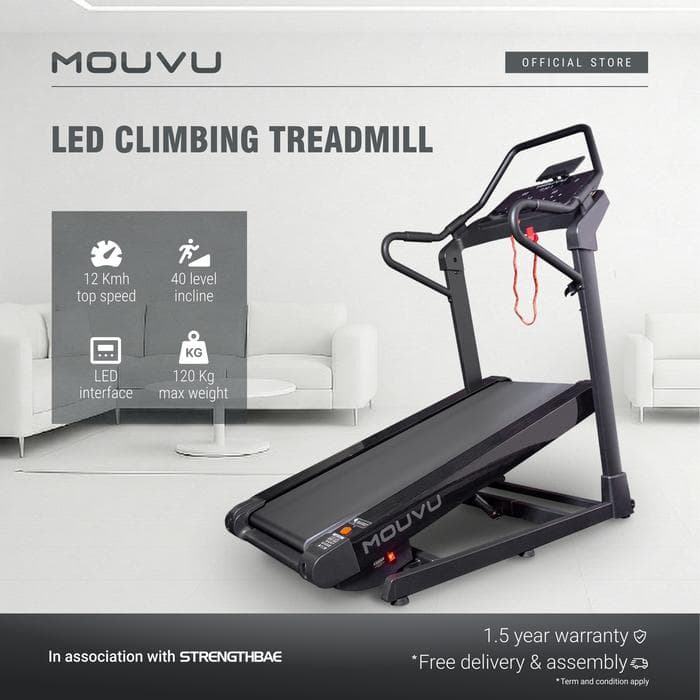
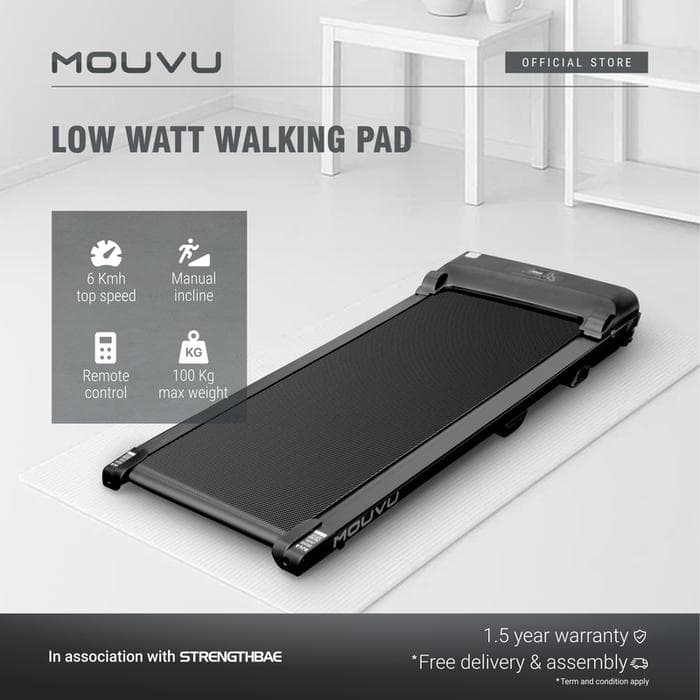
If you want to add variety to your workouts, you can use a rubber gym mat for yoga, resistance bands or light dumbbells for strength training, or practical cardio equipment such as a walking pad or running pad.
Stay Fit and Support Your Mental Health with Strengthbae
Exercise does not always have to be intense or exhausting. Light movements performed comfortably at home can also help increase energy, improve mood, and reduce stress.
If you are becoming more accustomed to moving and are ready to increase your workout frequency and difficulty, you can try various simple gym equipment to add more variety to your home workouts.
Explore gym equipment from Strengthbae, from resistance bands and dumbbells to other training equipment that suits your needs. Contact the Strengthbae team for recommendations on the right equipment to make your home workout routine more comfortable and enjoyable.
Strengthbae is a professional gym equipment brand that provides solutions for commercial gyms and home gyms. From racks and All in One Trainers to functional training accessories for HYROX-standard hybrid races, everything is available at Strengthbae.