Sitting Too Long While Working? Try These Stretches at Home
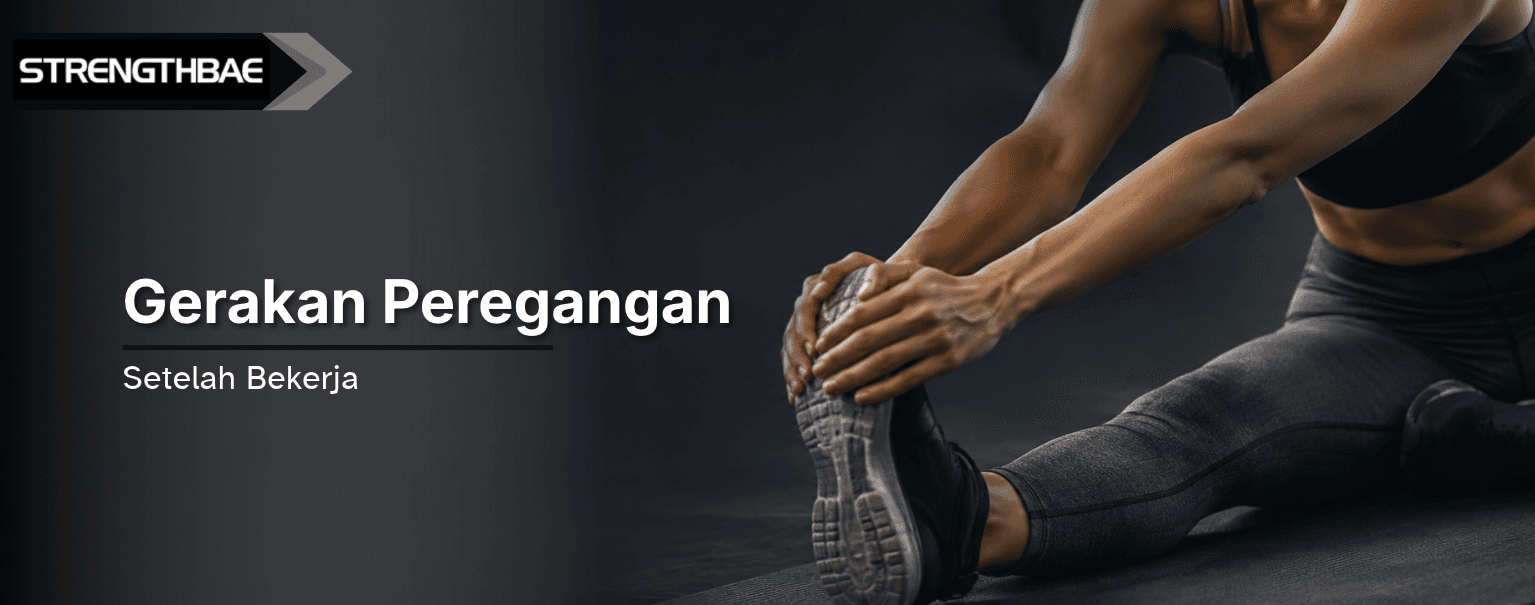
Sitting too long while working in front of a computer can make the muscles in your neck, shoulders, back, and hips feel stiff or sore.
If you rarely move, your body may also feel less flexible and uncomfortable during daily activities.
To help with this, you can regularly perform simple and easy stretching exercises. These movements can help reduce muscle tension, maintain flexibility, and make your body feel more comfortable without requiring gym equipment.
This article covers the effects of sitting too long on the body, how to perform stretches for different parts of the body, a 5–10 minute stretching routine, and tips for staying active while working.
What Are the Effects of Sitting Too Long on the Body?
Sitting too long in front of a computer has become a common habit for many office workers and people who work from home.
When the body remains in a seated position for hours without much movement, muscles and joints can become stiff and may cause several of the following issues:
Holding your head too far forward and rounding your shoulders while looking at a screen can make the neck and shoulder muscles work harder, causing soreness or stiffness.
Staying in the same position for too long limits movement in the back, which can make it feel stiff or uncomfortable when standing up.
When sitting, the hips remain in a flexed position. If this continues for too long, the muscles at the front of the hips (hip flexors) may feel tight and less flexible.
Sitting for too long means the thigh and calf muscles are used less frequently than when standing or walking.
Spending long periods sitting reduces daily physical activity and may increase the risk of health problems if it continues without being balanced by regular exercise.
Performing stretching exercises regularly can help reduce muscle tension, maintain flexibility, and make your body feel more comfortable after sitting for long periods.
Neck and Shoulder Stretching Exercises
Sitting too long while working can make the neck and shoulder muscles feel tense or stiff. Here are two simple stretching exercises that can help reduce tension and maintain flexibility in the neck and shoulders.
Neck Side Stretch
Neck Side Stretch is a stretching exercise for the muscles on the sides of the neck and upper shoulders.
How to Do It: Sit or stand upright, then slowly tilt your head toward your right shoulder without raising your shoulder. Hold for a few moments, then repeat on the left side.
Duration: Hold for 10–20 seconds on each side.
Tips: Do not pull your head too forcefully or force the movement if your neck feels painful.
Shoulder Rolls
Shoulder Rolls are circular shoulder movements that can help reduce stiffness in the shoulders and upper back.
How to Do It: Slowly raise both shoulders toward your ears, then roll them backward and lower them. Repeat the movement in the opposite direction.
Repetitions: Perform 10 circles backward and 10 circles forward.
Tips: Perform the movement slowly and with control. Avoid raising your shoulders too high or forcing the movement if it causes pain.
Chest and Back Stretching Exercises
Sitting for too long with a rounded posture can make the chest, shoulders, and back muscles feel tense or stiff. Here are several simple stretching exercises to help reduce muscle tension and maintain back flexibility.
Doorway Chest Stretch
Doorway Chest Stretch is a stretching exercise for the chest and the front of the shoulders.
How to Do It: Stand in a doorway, then place both arms against the door frame with your elbows slightly bent. Step one foot forward slowly until you feel a stretch in your chest.
Duration: Hold for 20–30 seconds while breathing normally.
Tips: Adjust your hand position so your shoulders remain comfortable and do not feel painful.
Cat-Cow Stretch
Cat-Cow Stretch is a movement that can help improve spinal flexibility and mobility.
How to Do It: Start on all fours on a mat with your hands aligned under your shoulders and knees aligned under your hips. Round your back upward while lowering your head, then slowly lower your back while lifting your chest.
Repetitions: Perform 8–10 repetitions slowly and with control.
Benefits: Helps reduce back stiffness after sitting for too long.
Child's Pose
Child's Pose is a stretch that can help relax the muscles in the back, shoulders, and hips.
How to Do It: Kneel on a mat, then lower your hips toward your heels. Extend both arms forward while lowering your chest and head toward the floor.
Duration: Hold for 20–30 seconds while breathing slowly.
Tips: Place padding under your knees or adjust your foot position if your knees or hips feel uncomfortable.
Seated Spinal Twist
Seated Spinal Twist is a rotational stretch for the upper body that can help reduce back stiffness.
How to Do It: Sit upright in a chair with both feet flat on the floor. Slowly rotate your upper body to the right while holding the chair back or your thigh. Return to the center, then repeat on the left.
Duration: Hold for 10–20 seconds on each side.
Tips: Keep your back upright and avoid twisting too forcefully or suddenly.
Read Also: Beginner's Guide to Dumbbell Workouts at Home
Hip and Leg Stretching Exercises
Sitting for too long can make the hip, glute, and hamstring muscles feel stiff. Here are several simple stretching exercises to help reduce tension and maintain lower-body flexibility.
Kneeling Hip Flexor Stretch
Kneeling Hip Flexor Stretch is a stretching exercise for the muscles at the front of the hip, which can become tight from sitting for too long.
How to Do It: Kneel on a mat with one knee on the floor and the other foot positioned in front. Engage your glutes, then gently push your hips forward until you feel a stretch at the front of the hip.
Duration: Hold for 20–30 seconds on each side.
Tips: Keep your back neutral and avoid pushing your hips too far forward, which can cause excessive arching of the lower back.
Figure-Four Stretch
Figure-Four Stretch is a stretching exercise for the glutes and the back of the hip.
How to Do It: Sit upright on a stable chair, then place your right ankle over your left thigh to form a figure-four position. Lean slightly forward while keeping your back straight until you feel a stretch in your glutes. Repeat on the other side.
Duration: Hold for 20–30 seconds on each side.
Tips: Do not round your back excessively or force the raised knee downward.
Seated Hamstring Stretch
Seated Hamstring Stretch is a stretching exercise for the hamstrings, which can feel stiff after sitting for long periods.
How to Do It: Sit on the edge of a stable chair, then extend one leg forward with your heel touching the floor and your toes pointing upward. Slowly lean forward from the hips until you feel a stretch in the hamstrings.
Duration: Hold for 20–30 seconds on each side.
Tips: Keep your back neutral and do not force yourself to reach your toes.
Wrist Stretching Exercises
Typing or using a mouse for too long can make the forearm and wrist muscles feel tense. The following stretch can help reduce stiffness and maintain wrist flexibility.
Wrist Flexor Stretch
Wrist Flexor Stretch is a stretching exercise for the inner forearm muscles that are frequently used when typing and gripping a mouse.
How to Do It: Extend one arm forward with your palm facing upward. Use your other hand to gently pull the fingers downward until you feel a stretch in the forearm.
Duration: Hold for 15–20 seconds on each side.
Tips: Do not pull the fingers too forcefully. Stop if you experience sharp pain, tingling, or increasing discomfort.
Example of a 5–10 Minute Stretching Routine After Work
Here is an example of a simple 5–10 minute stretching routine to help reduce stiffness after sitting for too long. Before starting, stand or walk lightly in place for 1 minute to prepare your body.
Stretching Exercise | Duration / Repetitions |
Neck Side Stretch | 15 seconds per side |
Shoulder Rolls | 10 circles in each direction |
Doorway Chest Stretch | 20 seconds |
Cat-Cow Stretch | 10 repetitions |
Seated Spinal Twist | 15 seconds per side |
Kneeling Hip Flexor Stretch | 20 seconds per side |
Figure-Four Stretch | 20 seconds per side |
Wrist Flexor Stretch | 15 seconds per side |
Perform each movement slowly and according to your body's ability. If you still have time, repeat the stretches for the areas that feel the stiffest.
This routine can be performed during a work break or after finishing work to help reduce muscle tension and maintain flexibility.
Read More: Strengthbae Rubber Gym Roll Mat
Simple Stretching Exercises While Working
Stretching can be more beneficial when combined with an active routine during work. Here are some simple ways to reduce prolonged sitting and keep your body moving.
Stand Up and Move Regularly
Make it a habit to stand up or change your body position every 30–60 minutes. Use your break to walk for a while, get some water, or move lightly for 1–2 minutes. You do not need to perform a full stretching routine every time you take a break.
Do Light Exercises Near Your Desk
In addition to stretching, you can also perform some simple movements without any special equipment, such as:
Overhead Reach: Raise both arms above your head to help stretch your shoulders and upper body.
Chair-Assisted Squat: Stand up from a stable chair, then slowly sit back down to work your leg muscles.
Seated March: Sit upright, then alternately lift your right and left knees to move your hip and leg muscles.
Adjust Your Desk and Chair Position
You do not need to maintain the same sitting position throughout the day. Changing your body position regularly is also important to reduce stiffness.
Position your monitor approximately at eye level so your neck does not have to bend downward or look upward too often. Adjust the height of your chair and desk so your shoulders remain relaxed, your elbows are comfortable while typing, and both feet can rest flat on the floor.
FAQ
Can stretching alone help improve fitness?
Stretching can help reduce muscle tension and stiffness after sitting for long periods. However, the results can be better when combined with regular standing, walking, adjusting your workstation position, and strength training to maintain muscle fitness.
How often should I stand up and stretch while working?
Try to stand up or move lightly every 30–60 minutes. You can walk for a while, get some water, or perform simple stretches for 1–2 minutes. This habit can help reduce prolonged sitting and make your body feel more comfortable.
Is stretching at home safe for people with chronic lower back pain?
Some gentle movements such as Child's Pose and Cat-Cow Stretch may be suitable, but not every movement is safe or comfortable for every back condition. Avoid stretches that cause pain or worsen your symptoms. If you have chronic back pain, consult a doctor or physiotherapist to determine which stretches are appropriate for you.
How can I tell the difference between a normal stretch and pain during stretching?
A normal stretch usually feels like a mild pulling sensation in the muscle and should not cause pain. Stop the stretch if you experience sharp pain, burning, tingling, or pain that becomes stronger. Do not force your body to reach a particular stretching position.
What gym equipment is suitable for complementing stretching at home?
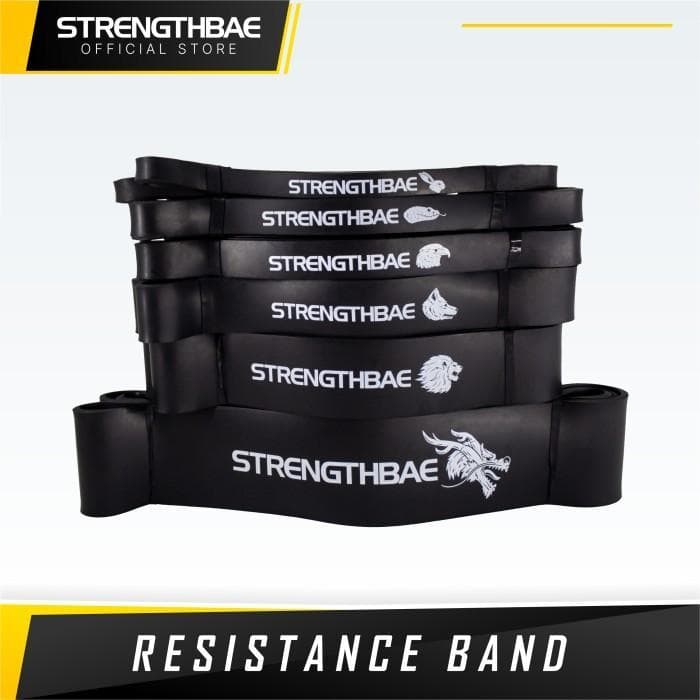
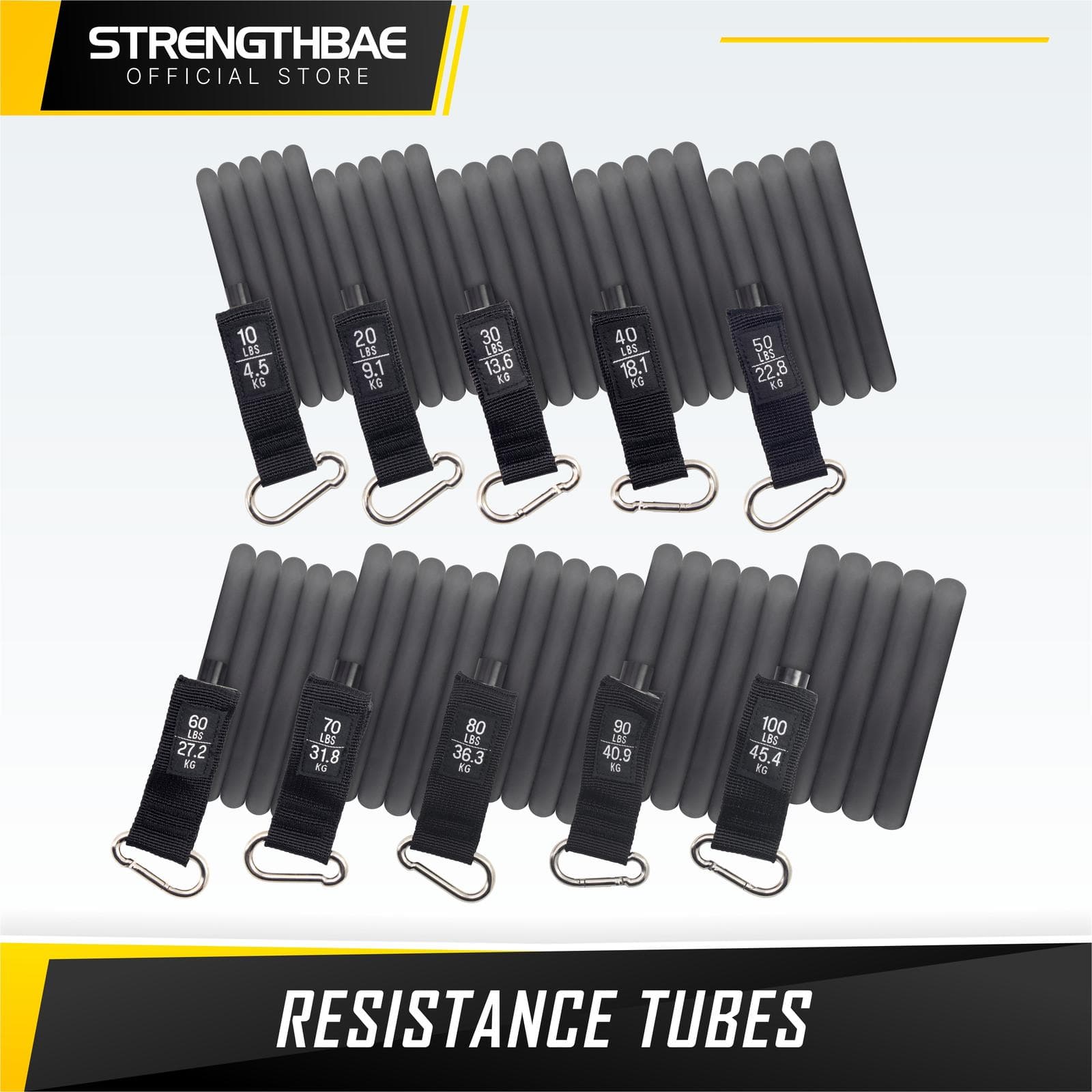
You can use an exercise mat for floor stretches, a foam roller to temporarily help relieve stiffness, and resistance bands for mobility exercises and light muscle strengthening.
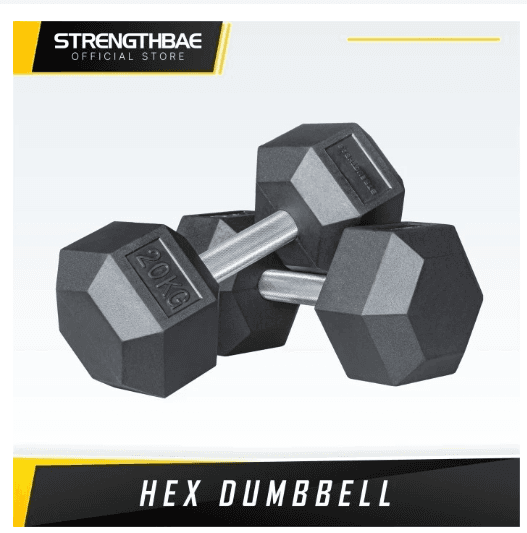
If you want to add strength training, equipment such as dumbbells, power racks, or All in One Trainers can also be options depending on your needs, available space, and home gym budget.
Reduce Muscle Stiffness with Stretching from Strengthbae
Sitting for too long while working can make your muscles feel stiff and sore. To help address this, make stretching, moving during work breaks, and exercising regularly part of your routine.
Simple movements for the neck, shoulders, back, hips, and wrists can help reduce muscle tension and maintain body flexibility.
Start building an active routine at home with Strengthbae. Complete your workout area with simple stretching equipment such as an exercise mat, resistance bands, and a foam roller, or add dumbbells for strength training.
Explore a wide range of fitness equipment at Strengthbae and contact our team to find equipment that suits your needs and budget.
Strengthbae is a professional gym equipment brand providing solutions for commercial gyms and home gyms. From racks and All in One Trainers to functional training accessories for hybrid races such as HYROX, Strengthbae offers equipment to support your training needs.