Futsal Training at Home: Leg Exercises and Stamina
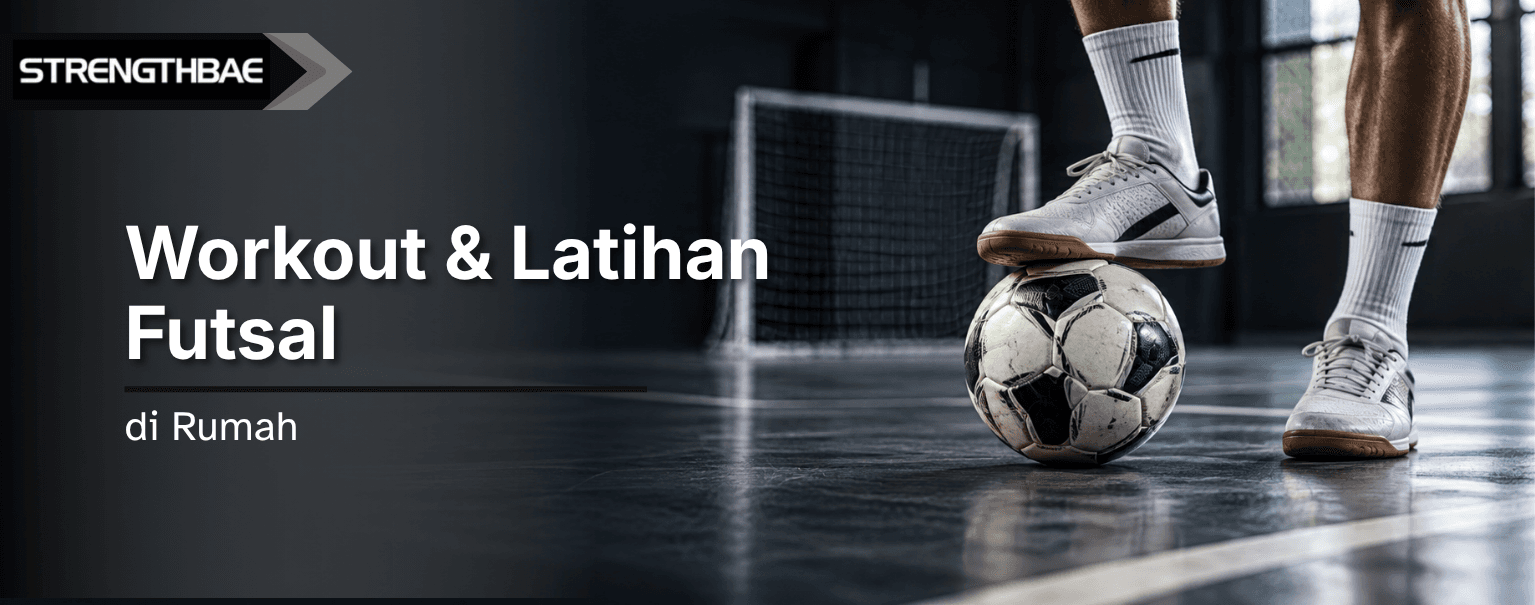
Futsal training can take the form of a complete physical training program that develops lower-body strength, kicking power, speed, agility, deceleration, stamina, and stability to support performance on a small court.
Futsal requires a complete combination of physical abilities, not just passing and shooting techniques, which is why training at home is also necessary. Futsal training can be done without equipment at home, with equipment such as a home gym setup, or by using machines in a commercial gym.
What Physical Abilities Are Most Important in Futsal?
Futsal is played on a relatively small court with a fast pace and high intensity. This type of play is dominated by short sprints, sudden changes of direction, and much more frequent acceleration and deceleration compared with straight-line long-distance running. To support these tactical demands, futsal players need seven main physical components:
Lower-Body Strength: Basic strength in the quadriceps, hamstrings, glutes, and calves to support impact and pushing force during movement.
Explosive Power: The ability of the leg muscles to generate maximum force in a very short amount of time when jumping or kicking.
Speed & Acceleration: Reaction speed and short-distance sprint acceleration (5–10 meters) from a stationary position.
Agility: The ability to change body direction precisely without losing balance.
Deceleration Control: The ability to slow down or stop with strong muscular control before changing direction or receiving the ball.
Cardiovascular Endurance: The stamina capacity of the respiratory and cardiovascular systems to perform repeated high-intensity efforts.
Core Stability: The strength of the core muscles in the torso to stabilize the body during physical contact, jumping, or turning.
Strong legs are very important for futsal players, but that strength must also be expressed quickly, explosively, and repeatedly throughout a 2 x 20-minute match.
Summary of Training Components for Futsal
The following table summarizes the relationship between the physical component being trained, example exercises, and their benefits for futsal:
Physical Component | Main Exercise Examples | Benefits |
Lower-Body & Unilateral Strength | Bulgarian Split Squat, RDL, Squat, Lunge | Improves kicking stability, body balance, and the foundation for acceleration. |
Speed & Explosive Power | Short Sprint, Jump Squat, Box Jump | Improves jumping explosiveness and 5–10 meter sprint speed. |
Agility & Deceleration | Shuttle Run, Skater Jump, Lateral Shuffle | Improves braking, sudden changes of direction, and maneuvers to get past opponents. |
Conditioning & Stamina | Interval Running, Jump Rope, Air Bike | Helps maintain stamina for repeated high-intensity efforts throughout 40 minutes. |
Core & Anti-Rotation | Plank, Side Plank, Pallof Press | Helps maintain torso balance during physical contact and protects the spine. |
Futsal Training at Home for Leg Strength
Leg strength training is a key foundation for building strong pushing power, joint stability, and helping reduce the risk of knee and ankle injuries in futsal players.
Bodyweight Squat
Bodyweight squats can be performed at home without equipment to train the quadriceps, glutes, and overall body control. To perform the movement, stand with your feet shoulder-width apart, lower your hips by bending your knees as if you were about to sit down, then push through your feet to return to standing.
This movement is especially suitable as a basic exercise for beginners to learn proper squat depth. As your strength improves, you can increase the resistance using equipment such as dumbbells, kettlebells, barbells, or a Smith machine.
Bulgarian Split Squat
The Bulgarian split squat is performed by placing one foot on a chair or bench, then lowering your body using the front leg, alternating between sides. This single-leg exercise for unilateral strength is highly relevant to futsal.
This futsal exercise is important because activities on the court such as running, kicking the ball, and changing direction are often dominated by one leg. The movement focuses on training the quadriceps, glutes, balance, and hip stability.
Romanian Deadlift
The Romanian deadlift can be performed using dumbbells, kettlebells, a barbell, or a Smith machine. Hold the weight in front of your thighs, push your hips backward while keeping your back neutral, then drive your hips forward to return to standing.
This exercise strengthens the hamstrings, glutes, and lower back muscles (posterior chain), which are crucial for generating explosive sprint power and absorbing deceleration forces after sprinting.
Walking Lunge
Walking lunges can be performed using bodyweight or with additional dumbbells held in both hands. Step one foot forward, lower your body until both knees are bent, then push through the front foot and continue with the opposite leg.
This futsal exercise trains unilateral strength, balance, knee alignment control, and hip stability while also building muscular endurance in the thighs.
Calf Raise
Calf raises can be performed without equipment, with dumbbells, a Smith machine, or a calf machine. To perform the movement, stand upright, raise your heels until you are on the balls of your feet, then slowly lower them back down.
The calf muscles (gastrocnemius and soleus) are highly active when standing on your toes, jumping, driving the body forward, and making sudden changes of direction on a hard court. These benefits make calf raises one of the most important and easiest futsal exercises to perform at home.
Futsal Training at Home for Speed and Power
Combining strength training with explosive movements helps convert muscular strength into speed and kicking power on the court.
Jump Squat
Jump squats are performed without equipment. Perform a squat, then jump upward explosively. This movement helps the legs generate a high amount of force quickly. The main focus of the exercise is on jump height and a soft landing. You can perform relatively few repetitions, for example 6–8 reps per set, while maximizing explosive power during each jump.
Skater Jump / Lateral Bound
The skater jump is a movement where you jump laterally from one leg to the other. This movement trains lateral strength, single-leg control, and body balance. This exercise is highly relevant for home training because futsal players frequently move and shift sideways, not just straight forward.
Box Jump
Box jumps use a stable plyo box to train explosive jumping power as well as take-off and landing coordination. If you do not have a plyo box at home, alternative exercises include jump squats or horizontal broad jumps.
Short Sprint
Short sprints can be performed in a yard, garage, court, or safe outdoor area over a distance of 5 to 10 meters. Short-distance acceleration is much more relevant for replicating the physical demands of futsal than slow-paced long-distance running.
Shuttle Run
Shuttle runs use two markers, such as cones, bottles, or other objects, for repeated back-and-forth running. This exercise trains rapid acceleration, braking (deceleration), and turning technique, making it highly suitable for replicating the stop-and-go movement patterns typical of futsal.
Futsal Training at Home for Deceleration and Changes of Direction
Futsal players are not only required to run fast, but must also be able to slow down through deceleration or stop running with control. Deceleration ability is essential before changing running direction, receiving a pass, making an accurate pass, or tracking an opponent’s movement.
In addition to improving speed and power, futsal exercises such as shuttle runs, lateral shuffles, and skater jumps help train the braking function of the quadriceps and hamstrings. All of these exercises can be performed at home without equipment or with equipment in your home gym.
Futsal Training at Home for Stamina
Futsal requires respiratory stamina that can support repeated high-intensity efforts. For this reason, stamina training is important to perform both on the court and at home.
High Knees
High knees can be performed at home without equipment as a stamina conditioning exercise. You can run in place while alternating knee lifts. Lift your knees as high as possible with a fast rhythm while keeping your body upright. This movement is highly effective for quickly increasing your heart rate in a short amount of time.
Jump Rope
Jump rope uses a skipping rope to train cardiovascular endurance, coordination, footwork agility, and calf muscular endurance. This exercise is very easy to perform in a home gym with limited space. Make sure there are no objects within a radius of one and a half meters when performing this exercise.
Mountain Climber
Mountain climbers require no equipment and combine cardio, core strength, and shoulder stability. Start in a plank position, then alternately drive your right and left knees toward your chest at a fast pace.
Interval Running
Interval running can be performed outdoors or on a treadmill using alternating periods of fast running (sprinting) and recovery (jogging/walking). This training pattern closely matches the characteristics of a futsal match.
Air Bike
An air bike is highly suitable for high-intensity interval training (HIIT) without requiring a long running track. Combining pushing and pulling movements with the arms and pedaling with the legs can burn calories and improve cardiovascular stamina. You can get the best Air Bike at Strengthbae.
Spin Bike
A spin bike provides a conditioning option with lower joint impact compared with running. This equipment can be used for interval training, steady-state cardio, or recovery sessions. You can also get a Spin Bike at Strengthbae.
Rowing Machine
A rowing machine engages around 85% of the body's muscles to improve cardiovascular capacity and aerobic endurance. Although it does not directly replicate futsal movements, rowing is highly useful for improving overall physical work capacity. The Strengthbae Air Rower is available to support your sports training at home.
Futsal Training at Home for Core and Stability
The core muscles act as a force-transfer system between the upper and lower body while maintaining torso balance during fast movements. To train them, you can perform the following exercises at home:
Plank
The plank is performed on a mat without equipment to build strength and endurance in the abdominal muscles. This exercise helps keep the torso stable and prevents you from easily losing balance while running, receiving physical contact from an opponent, or turning.
Side Plank
The side plank trains lateral core stability. This movement is important for maintaining body balance when a player needs to stay upright while moving sideways.
Pallof Press
The Pallof press uses a resistance band or cable machine to train anti-rotation strength. Stand sideways to the cable or resistance band, hold the handle in front of your chest, then press it straight forward while resisting rotation. This exercise helps keep the torso controlled when the legs are moving or making extreme changes of direction.
Futsal Training Program at Home Without Equipment
For those who want to train independently at home with limited space and equipment, here is an example workout program:
Bodyweight Squat / Bulgarian Split Squat: 3 sets x 10–12 reps per leg
Walking Lunge: 3 sets x 10 steps per leg
Jump Squat / Skater Jump: 3 sets x 8–10 reps (focus on explosive power)
Shuttle Run / Short Sprint: 4–6 sets x 10 meters (focus on acceleration & deceleration)
Jump Rope / High Knees: 3 sets x 45 seconds (focus on cardiovascular stamina)
Plank / Side Plank: 3 sets x 30–45-second hold
The main focus of home training is maintaining proper movement technique, body control, and landing quality. Perform these movements consistently to achieve the best results.
Useful Home Gym Equipment for Futsal Players
Adding several pieces of fitness equipment at home can help provide measurable resistance progression for the physical development of futsal players.
Priority for Limited Space and Budget
Adjustable Dumbbell & Kettlebell: Efficient for adding resistance to lunges, Bulgarian split squats, and RDLs.
Adjustable Bench: Provides stable support for Bulgarian split squats and upper-body exercises.
Resistance Band & Skipping Rope: Space-efficient equipment for Pallof presses, agility, and stamina training.
Plyo Box: Very useful for explosive box jump and landing training.
Treadmill or Spin Bike: Cardio machine options for simulating stamina intervals indoors.
With the simple equipment setup above, you can already train lower-body strength, unilateral strength, power, conditioning, and core stability independently.
If You Have More Budget and Space
If you have a larger dedicated home gym room or train at a commercial gym, higher-capacity equipment can be used more extensively:
Smith Machine & Power Rack: For squats, RDLs, and calf raises with a high level of safety.
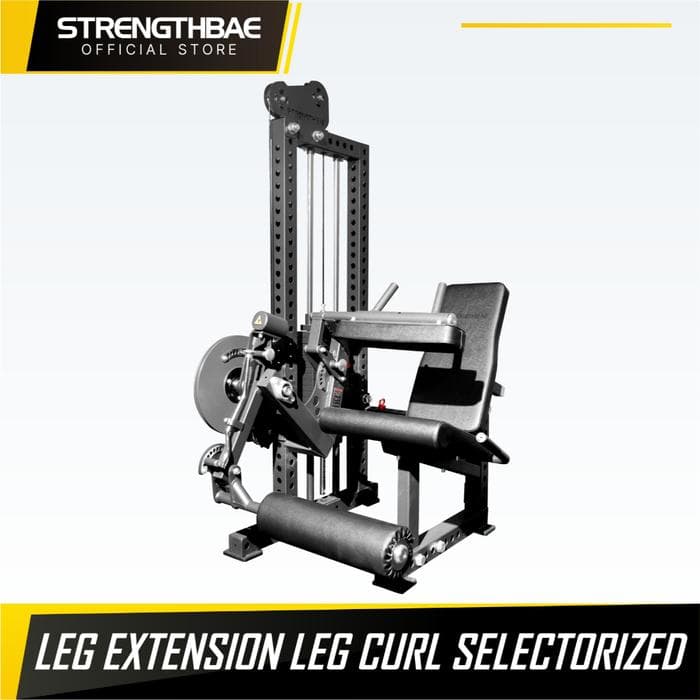
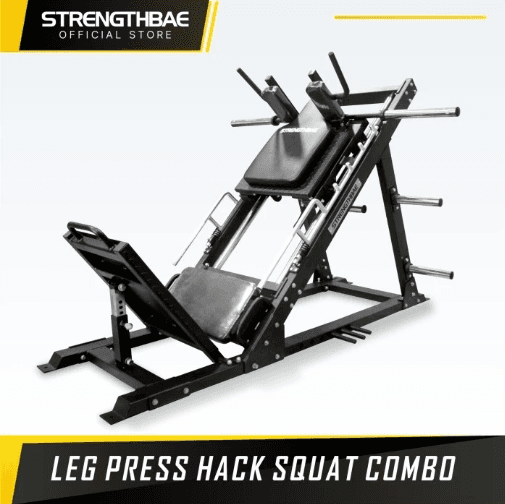
Leg Press & Leg Extension / Leg Curl: For isolating quadriceps and hamstring strength without placing additional load on the spine.
Air Bike & Rowing Machine: Commercial cardio equipment for high-intensity interval training.
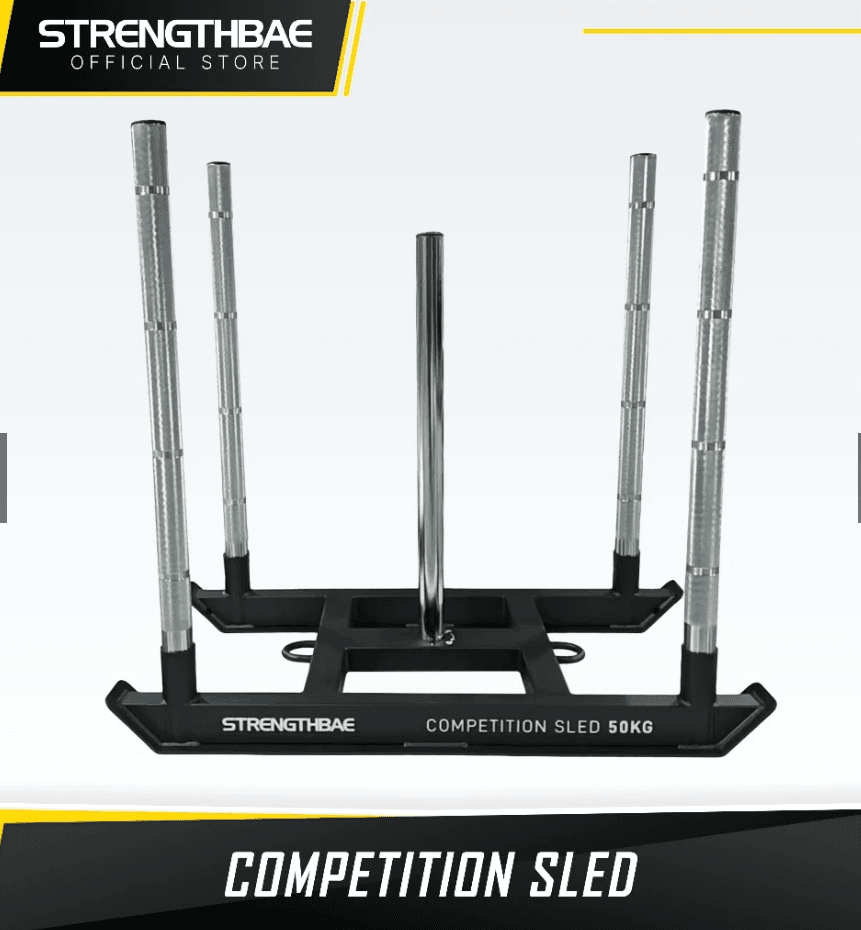
Weighted Sled & Turf Track: Highly effective for training running acceleration, leg pushing strength, and functional conditioning.
How to Structure Futsal Training
Training schedule management is very important to keep your muscles fresh on match day. Avoid doing heavy lower-body resistance training sessions 24 to 48 hours before an official futsal match.
Balance your training sessions throughout the week: separate strength, speed, and stamina sessions on different days or combine them with controlled training volume. Adjust your training volume based on how often you play futsal, your fitness level, and your recovery time. Prioritize training consistency and movement quality rather than forcing too many exercise variations into a single day.
FAQ
How many times per week should futsal players do physical training?
Futsal players should perform physical and strength training 2 to 3 times per week. This schedule should be alternated with rest days or futsal technique training so the muscles have enough time to recover.
When is the best time to do weight training, before or after futsal training?
Weight training should ideally be performed after tactical or futsal technique training, or on a separate dedicated day. This helps ensure that you still have maximum energy to absorb futsal tactical training without being affected by muscle fatigue.
What gym equipment is most important for training futsal fitness at home?
The most important home gym equipment includes a pair of adjustable dumbbells, kettlebells, an adjustable bench, resistance bands, a skipping rope, and rubber flooring. This combination of equipment is already enough to support thigh strength, explosive power, agility, and stamina training in a personal home gym.
Train and Build Your Futsal Performance with Strengthbae
Futsal workouts should not only aim to make the leg muscles stronger. Players also need a combination of speed, explosive power, agility when changing direction, stable deceleration and braking ability, cardiovascular stamina, and core strength. Many exercise variations can be performed without equipment or by using simple equipment at home.
If you have access to a home gym or commercial gym, equipment such as dumbbells, kettlebells, an adjustable bench, cardio equipment, and strength machines can be used to gradually increase training intensity. For more information about gym equipment options and planning a home gym or commercial gym layout, please contact the Strengthbae team for a free consultation.
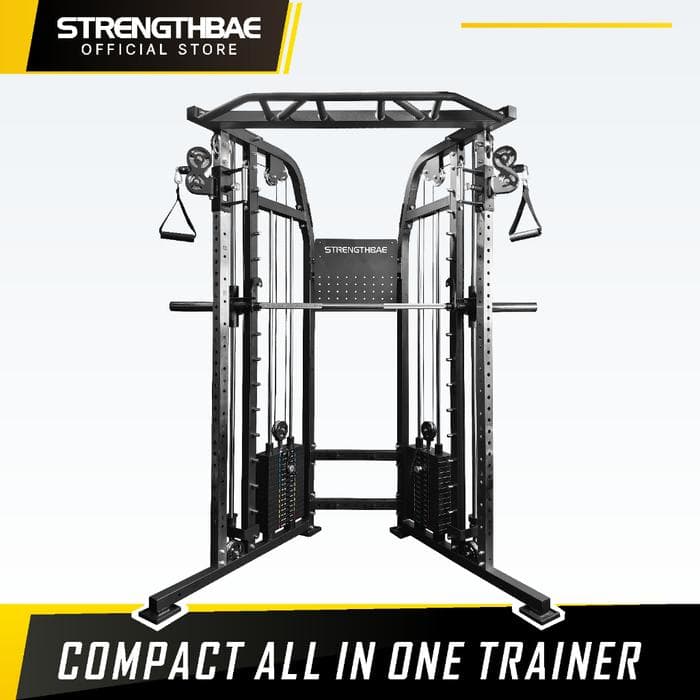
Strengthbae is a professional gym equipment brand that provides solutions for commercial gym businesses and home gyms. From racks and All in One Trainers to functional training accessories such as HYROX-standard sandbags, everything is available at Strengthbae.