Home Gym: 7-Point Checklist Before Buying Home Gym Equipment
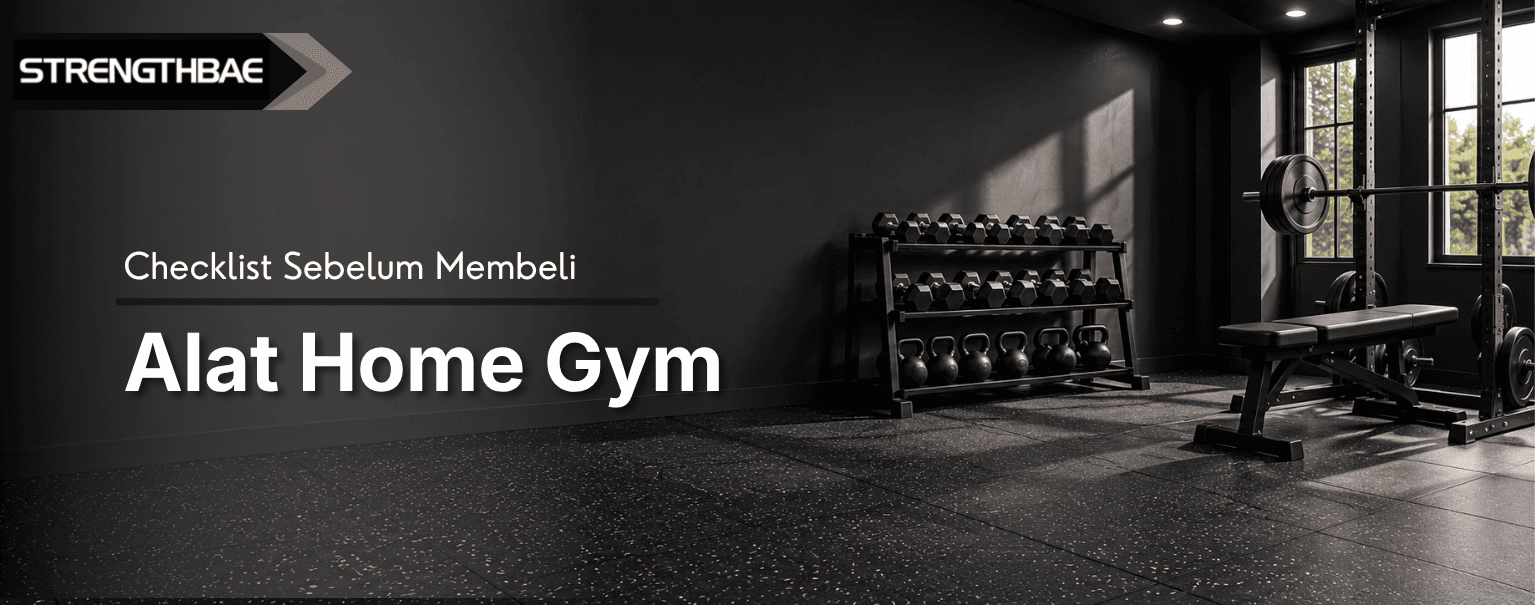
Buying equipment for a home gym should not be based only on low prices or the number of features listed. Home gym equipment that looks ideal may not necessarily be suitable once it is placed inside your home, especially if it has not been carefully planned. You can start your planning by checking seven key points: training goals, room dimensions, working space, ceiling height, delivery access, floor structural strength, equipment functions, and total budget. All of these are very important to ensure that your home gym equipment choices are suitable, safe, comfortable, and efficient.
Step 1: Determine Your Training Goals and Home Gym Theme
Determining your main training goal is the first step before choosing the type of home gym equipment to purchase for your home gym. Choose your training focus from the following:
Building muscular strength (strength)
Building muscle mass (muscle building)
Weight loss
Heart health (cardio)
Functional training (functional training/hybrid race such as HYROX)
General fitness
Knowing your specific goals helps you determine which home gym equipment should be purchased first or prioritized. You may also be able to eliminate equipment that you do not actually need. Your home gym can then become more efficient without wasting your budget on unnecessary features.
Home Gym Equipment for Building Muscular Strength (Strength) & Building Muscle Mass (Muscle Building)
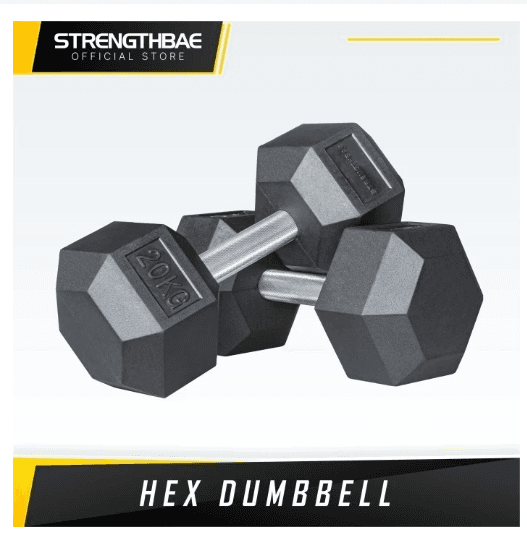
If your main focus is strength training, prioritize weighted equipment in your home gym. The main options include a power rack or squat rack, Smith machine, Olympic barbell, weight plates (weight plates/bumper plates), training bench (adjustable bench), and a pair of adjustable dumbbells or fixed dumbbells.
Home Gym Equipment for Weight Loss
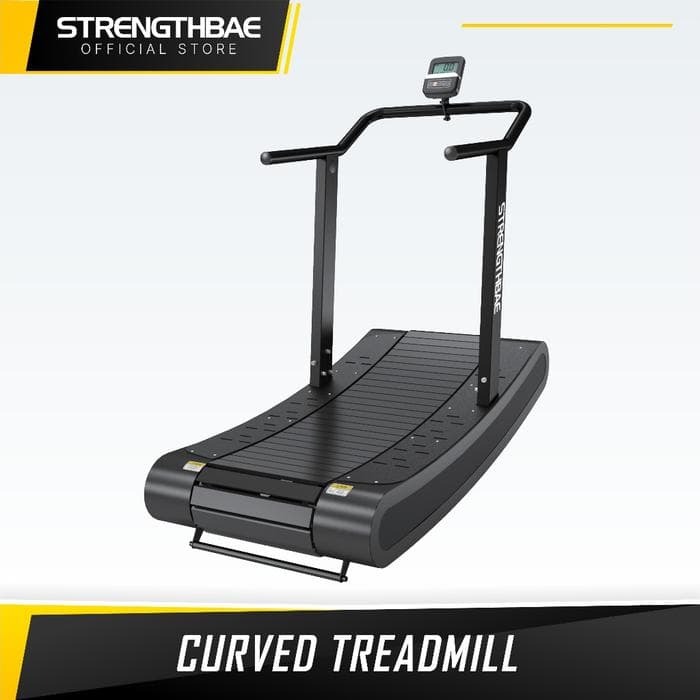
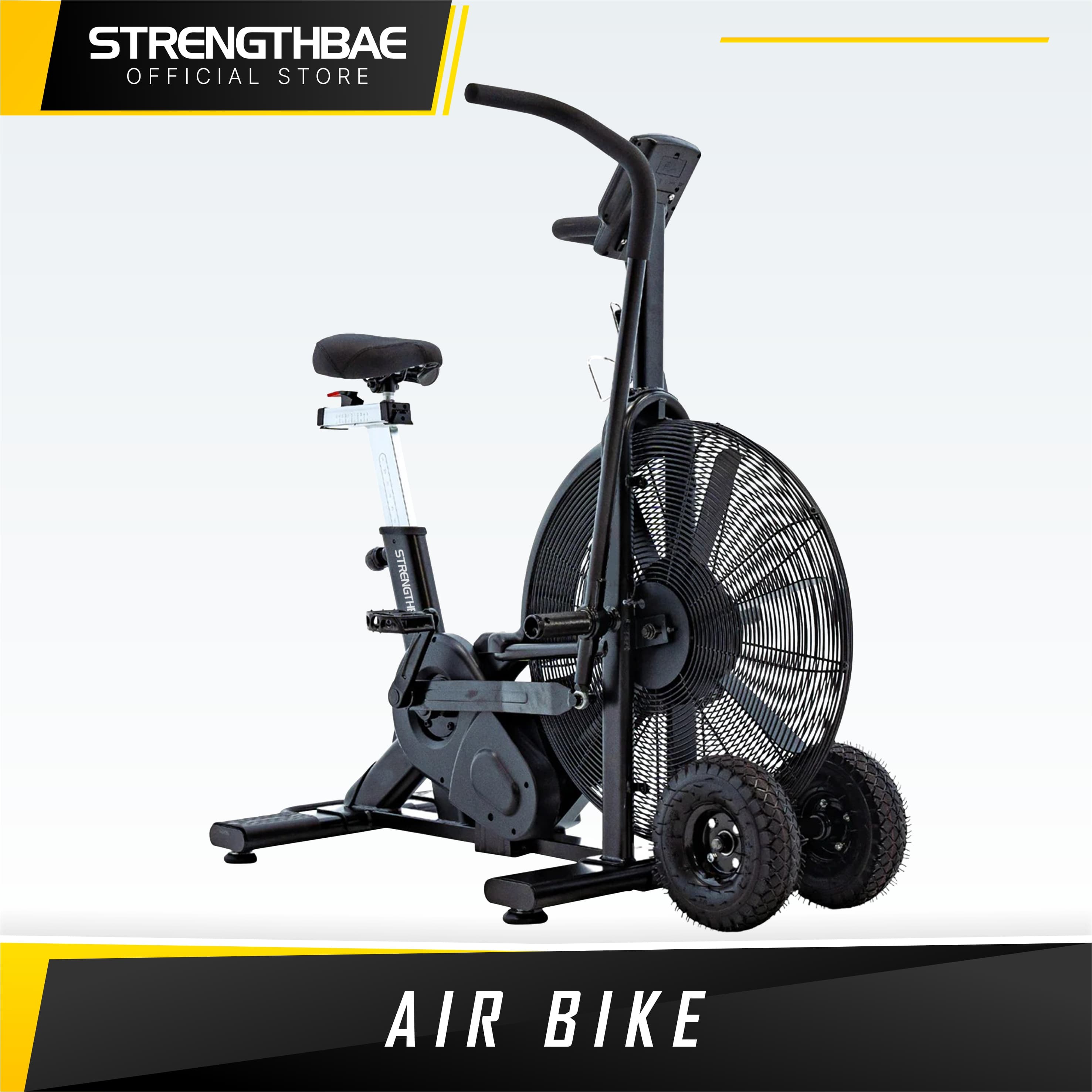
If your main goal is weight loss, choose gym equipment that helps increase physical activity and calorie expenditure while also supporting strength training. Equipment options for your home gym may include a treadmill, spin bike, air bike, rowing machine, adjustable dumbbells, kettlebells, and resistance bands. Combining cardio and strength training can help create a more balanced weight loss program.
Home Gym Equipment for Heart Health (Cardio)
If your focus is improving cardiovascular fitness and heart health, prioritize cardio gym equipment that can be used consistently for exercise at home. The main options include a treadmill for walking or running, a spin bike for cycling workouts, an air bike for high-intensity training, and a rowing machine for cardio training that also engages the upper and lower body.
Home Gym Equipment for Functional Training (Functional Training/Hybrid Race such as HYROX)
If you want to do functional training or prepare for a hybrid race such as HYROX, choose gym equipment that supports all race movements, such as carrying loads, pushing, pulling, and endurance training. Your home gym equipment options may include kettlebells, sandbags, wall balls, a weighted sled, rowing machine, treadmill, plyo box, as well as a cable machine or All in One Trainer for supporting strength training.
Home Gym Equipment for General Fitness
If your goal is simply to maintain overall fitness, you do not need to immediately purchase a large amount of home fitness equipment. A combination of adjustable dumbbells, resistance bands, an adjustable bench, and one cardio machine can already be used to train strength, endurance, mobility, and general fitness at home.
Step 2: Measure the Room and Working Space
Measuring only the physical size of your home gym room is not enough to ensure that gym equipment can be used safely and comfortably. Record the length, width, and height of the room, then compare them with the physical dimensions of the product. The most important factor that is often overlooked is providing working space or a clear movement area around the equipment to support user safety and mobility during training.
Important Areas to Consider When Choosing a Room
When planning your home gym layout, make sure to leave clear space for the following operational needs:
Entry and Exit Access: Clear space around the equipment so users can get on, get off, and change positions without being obstructed by walls.
Space for Loading Weight Plates: Clear space on the right and left sides of the barbell or plate-loaded machine so weight plates can be loaded and removed easily.
Barbell Movement Space: A standard Olympic barbell (2.2 meters long) requires sufficient side clearance from walls or household furniture.
Cable Pulling Space: Open space in front and to the sides to accommodate cable extension when performing movements such as cable chest flyes or lunges.
Bench Placement Space: Space to move, rotate, and position an adjustable bench at different angles (flat, incline, decline).
Maintenance Space: Access space behind or beside the machine for lubrication, cleaning, and regular technical inspections.
For example, a power rack may physically fit in the corner of a 2 × 2 meter home gym room. However, when fitted with a 2.2-meter Olympic barbell, the barbell will hit the wall if additional space is not provided on both the right and left sides.
Step 3: Check the Ceiling Height
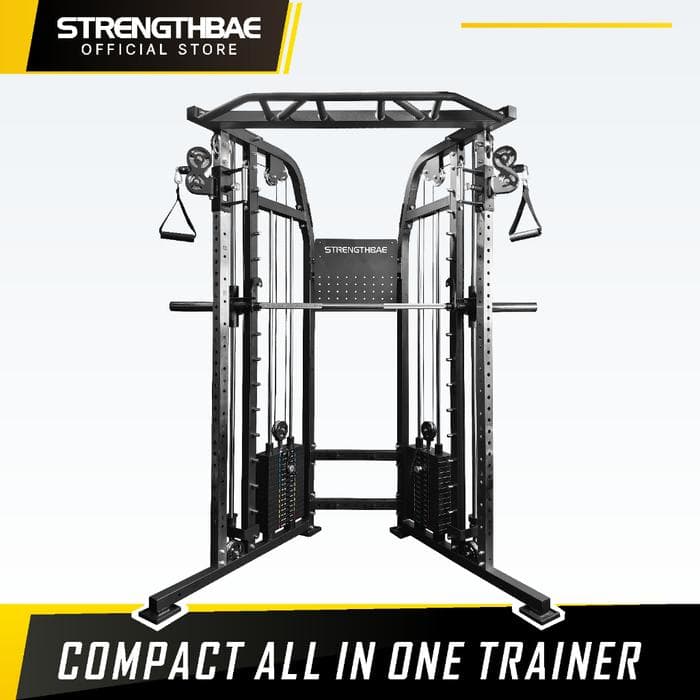
The ceiling height of a home gym is often one of the main limiting factors when installing tall gym equipment at home. Ceiling height is especially important when planning the installation of a power rack, All-in-One Trainer, pull-up station, tall cable machine, or when performing overhead movements.
Do not simply compare the physical height of your chosen home gym equipment with the ceiling height of the room. You must leave additional space above the equipment to accommodate your head when performing pull-ups or chin-ups, barbell clearance during overhead presses, and space for assembling the upper components of the machine. If your home has a relatively low ceiling, for example less than 2.4 meters, consider choosing a compact or short-rack design.
Step 4: Check the Entry Route and Installation Access
Home gym equipment that fits inside a room may still be unable to reach that room if the access route through your home is not considered from the beginning. Before placing an order, measure the width of the house gate, main entrance, room doors, corridors, hallway turns, stairs, and even elevator capacity if available.
Carefully consider the delivery of heavy and large-structure equipment such as Smith machines, All-in-One Trainers, leg presses, Hack squats, selectorized machines, and treadmills. Check whether the equipment is delivered disassembled, can be separated into several smaller components, or has long single-frame sections that cannot be taken apart.
For a home gym installation on the second floor, also consider the strategy for carrying the home gym equipment components up the stairs and through any narrow turns.
Step 5: Check the Floor Strength and Type
Some home gym equipment can have a very large structure even before weight plates are added. Calculate the total load on the floor from the weight of the steel frame, weight stacks, weight plates, barbells, and the user’s body weight.
Check whether the floor appears cracked, sagging, uneven, or has other damage, then find out the type of floor construction if possible. For very heavy equipment, do not rely solely on estimates. Confirm the floor’s load capacity with a contractor or structural professional to ensure safer installation.
Considering the floor’s load-bearing capacity is especially important if the home gym is located on the second floor, in a mezzanine area, or in an older building structure. It is best to consult an architect or civil engineer if you are unsure about your home floor’s load limit.
Using Rubber Flooring for Safety
Installing rubber flooring is highly recommended for your home gym area. Rubber flooring helps protect the underlying floor surface from cracking, absorb impact and vibrations from dropped weights, improve grip to prevent slipping, and reduce training noise.
Choose a rubber mat thickness that matches your type of training, from standard thickness for dumbbell areas to heavy-duty thickness for deadlift and rack areas.
Step 6: Check the Equipment Functions
Before deciding to purchase new home gym equipment, evaluate the product specifications based on the actual functions you will use, rather than simply counting the number of exercises listed in the brochure. Check whether the equipment features provide new movement variations or simply duplicate equipment you already have at home.
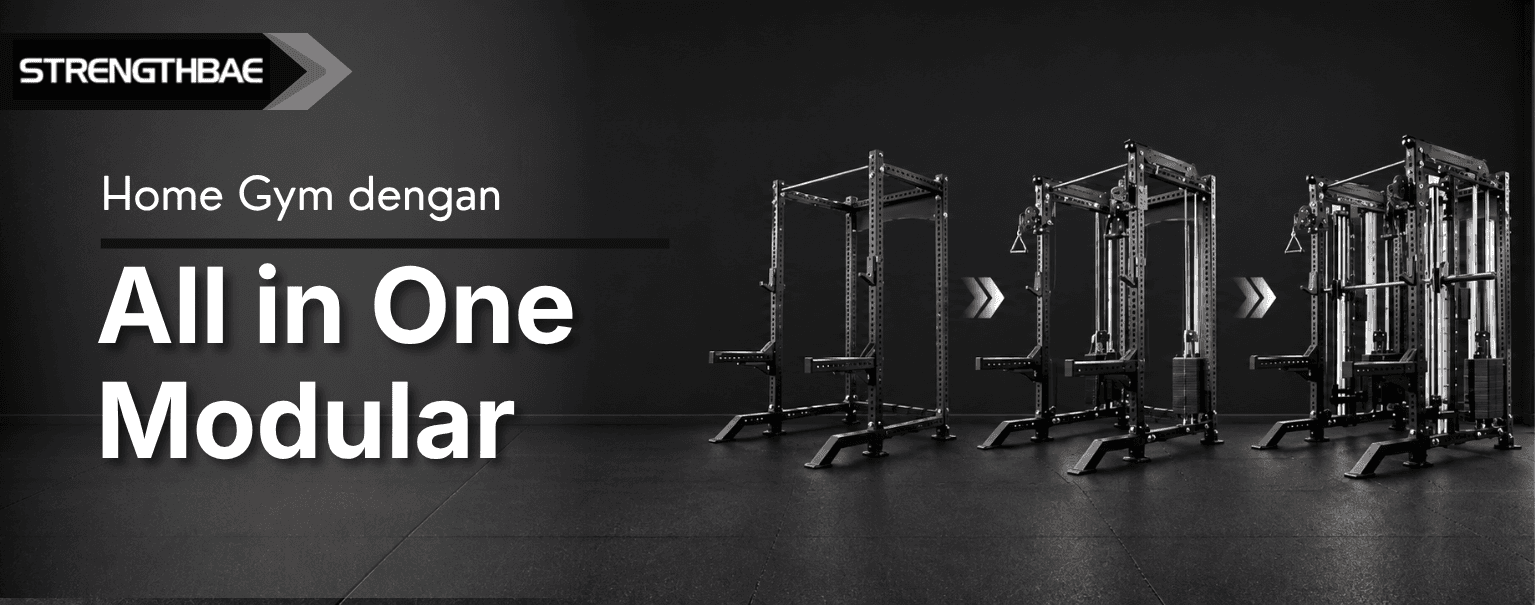
For example, if you already have a power rack, barbell, and adjustable bench, adding a cable-based Functional Trainer is much more useful than purchasing an All-in-One Trainer that duplicates the rack function. On the other hand, if you are building a home gym from scratch, choosing an All-in-One Trainer that combines a rack, Smith machine, and cable system is a highly cost- and space-efficient option.
Step 7: Check the Total Budget for the Entire Home Gym
The price of the home gym equipment you choose is not the only expense involved in building a ready-to-use home gym. Many buyers spend their entire budget on gym equipment, leaving no funds for supporting equipment and accessories.
When planning your budget, calculate the cost of a complete home gym setup, including rubber flooring, storage, shipping and installation, electrical equipment if needed, and additional accessories. This ensures that your budget is sufficient not only to purchase the equipment but also to make the training area fully ready for use.
Checklist Before Buying Home Gym Equipment
The following table provides a summary of the practical checklist you should review before purchasing home gym equipment. Use this checklist to assess your home gym readiness one by one.
Evaluation | Key Things You Must Confirm | Readiness Status |
1. Training Goals | The type of equipment matches your main training focus (Strength/Cardio/Hybrid). |
|
2. Room Dimensions | The length, width, and working space around the equipment have been measured. |
|
3. Ceiling Height | There is sufficient extra space above the equipment for pull-ups and overhead presses. |
|
4. Delivery Access | Doors, hallways, stairs, and gates are wide enough for gym equipment components to pass through. |
|
5. Floor Strength | The floor structure can support the total weight of the gym equipment and rubber flooring. |
|
6. Function Efficiency | The equipment does not duplicate existing equipment, and its features will actually be used. |
|
7. Total Budget | The budget already includes the main equipment, barbell, plates, bench, flooring, and shipping. |
|
FAQ
How much clear space should be left around home gym equipment?
Provide at least 0.5 to 1 meter of clear space around gym equipment. This open area is essential for user movement, loading weight plates onto the barbell, cable movement range, and equipment maintenance access.
Is it necessary to install rubber mats or rubber flooring in a home gym?
It is highly recommended. Rubber flooring helps protect household tiles from damage caused by weight impacts, reduces training noise, improves foot grip and stability, and absorbs equipment vibrations.
Is it better to buy individual gym equipment or an All-in-One Trainer for home use?
If you are building a home gym from scratch in a limited space, an All-in-One Trainer is much more efficient and cost-effective. However, if you already have a rack and barbell, purchasing specific individual equipment such as a cable Functional Trainer will be more efficient.
Can you build a home gym area on the second floor of a house?
Yes, as long as the structural capacity of the second floor has been confirmed to support the total weight of the machine, stacks of weight plates, and dynamic loads during training. Use thick rubber flooring to absorb vibrations.
Where is the best place to try and buy reliable home gym equipment?
You can try and compare various high-quality gym equipment options in person by visiting the Strengthbae Showroom located in Semarang, Central Java.
Build Your Dream Home Gym with Strengthbae
Planning a home gym requires careful consideration when choosing the type of equipment, adjusting it to the room dimensions, calculating delivery access, and arranging a safe and comfortable layout.
Trying the equipment directly at the showroom can help you ensure a comfortable training position, experience the quality of the machine’s movement, and receive precise room layout consultation before purchasing. However, you can also consult online about home gym equipment recommendations, home gym room layouts, and the best price offers. Contact Strengthbae via WhatsApp, and our team is ready to answer all your questions.
Strengthbae is a professional gym equipment brand that provides solutions for commercial gym businesses and home gyms. From racks and All in One Trainers to functional training accessories such as HYROX-standard sandbags, everything is available at Strengthbae.