Running Tips for Weight Loss
Running is an aerobic exercise that can help with weight loss because it can burn a significant amount of calories in a relatively short amount of time.
When running, various muscles throughout the body work together, increasing the body's energy requirements. Weight loss occurs when the body uses more calories than it takes in from food.
For beginners, running for weight loss does not have to be done at a high speed. What matters more is training consistently, gradually increasing the duration, and adjusting the exercise to your body's ability.
The results can be more optimal when running is combined with a balanced diet and regular strength training.
Can Running Really Help You Lose Weight?
Running can help with weight loss by increasing the amount of energy used by the body. Running for weight loss occurs when the body is in a calorie deficit, meaning that more calories are burned than are consumed from food and drinks.
As an aerobic exercise, running involves many muscle groups, from the legs, hips, and core to the arms. When performed regularly, running can help reduce body weight and body fat.
However, running alone is not always enough to achieve significant weight loss because the results are also influenced by diet, training frequency, duration, intensity, and each individual's physical condition.
Here is how running can help with weight loss
Calories Burned While Running
When running, the body requires a significant amount of energy to move the muscles, maintain balance, and support the work of the heart and lungs. Because it involves the legs, glutes, calves, core, and arms, running can burn a significant amount of calories during exercise.
Increased Energy Expenditure After Exercise
After running, the body still requires energy for the recovery process. This condition is known as Excess Post-Exercise Oxygen Consumption (EPOC), also referred to as the afterburn effect.
High-intensity running, such as sprint intervals or uphill running, can increase energy expenditure after exercise, but it should still be supported by an appropriate diet for more effective weight loss.
Helping Reduce Body Fat
Regular running can help reduce body fat, including visceral fat around the internal organs. Running for weight loss does not only strengthen the leg muscles but also helps reduce overall body fat.
In addition, high-intensity running may temporarily reduce hunger in some people. This is related to changes in hormones that regulate hunger and satiety, which may help control food intake.
How Many Calories Are Burned While Running?
The number of calories burned while running varies depending on body weight, speed, duration, and running terrain. As a general example, here is an estimate of calories burned during 30 minutes of running for a person weighing around 70 kg
Easy running at a speed of 8 km/h (7:30 minutes/km pace) burns around 290 calories.
Moderate running at a speed of 9.7 km/h (6:12 minutes/km pace) burns around 360 calories.
The heavier you are and the faster you run, the more energy your body uses.
You can check estimated calorie expenditure using devices such as a smartwatch, running app, or treadmill. However, these figures are only estimates and are not exact.
This is because the body can also adapt to regular exercise, causing energy expenditure to change over time.
To help running support weight loss, aim for around 250 minutes of moderate-to-vigorous physical activity per week while also managing your diet.
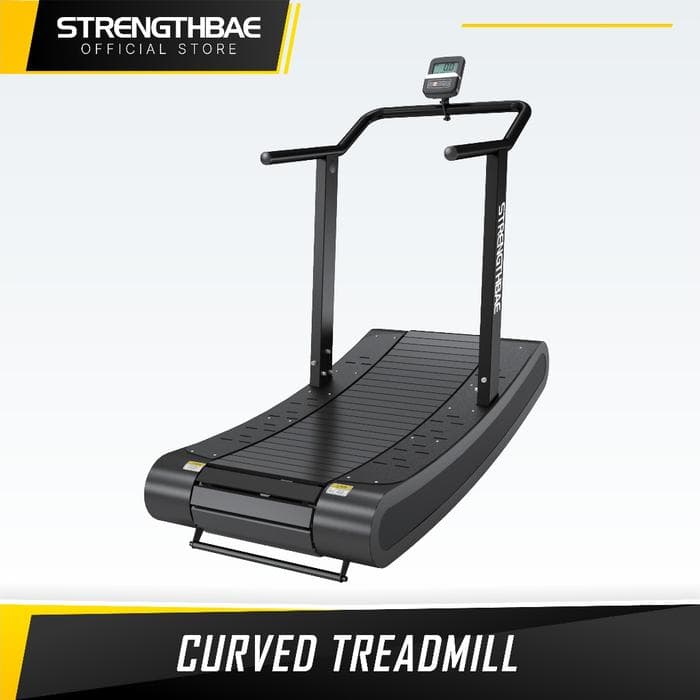
Read More Curved Treadmill Strengthbae
Is Running Suitable for Everyone?
Running is a high-impact exercise because it places repeated stress on the knees, ankles, and hips. Therefore, the type and intensity of running for weight loss should be adjusted according to each individual's physical condition
Beginners and people who are new to exercise: Start with brisk walking or a combination of walking and running (walk-run intervals) before gradually increasing running duration.
People with higher body weight: Adjust your running speed and duration so your body can adapt without placing excessive stress on the joints.
Certain medical conditions: If you have severe obesity, osteoarthritis, heart problems, or spinal disorders, consult a doctor or healthcare professional before starting a running program.
If you are not ready to run yet, low-impact exercises such as brisk walking, stationary cycling, or swimming can be alternatives to stay active and burn calories while placing less stress on the joints.
Types of Running Training for Weight Loss
There are several running methods you can choose based on your weight loss goals
Brisk Walking and Alternating Running
Suitable for beginners who are not yet able to run continuously. You can combine 2 minutes of brisk walking with 1 minute of jogging alternately to gradually build stamina.
Easy Run or Easy Jogging
Performed at a comfortable pace where you can still speak comfortably while running with a friend. This method helps improve endurance and calorie expenditure without placing excessive stress on the body.
Longer-Distance Running
Suitable for those who are already accustomed to running regularly. The running duration is increased while maintaining a comfortable pace to improve endurance and energy expenditure.
Interval Running
Combines fast running with walking or jogging as recovery periods, for example, running fast for 30 seconds followed by 90 seconds of walking. This method can burn a significant amount of calories in a short time, but it is best performed after developing a sufficient fitness base.
Running Tips for More Effective Weight Loss
To achieve better results and reduce the risk of injury, apply the following tips when running
Start at a Comfortable Pace
Do not start by running too fast. Choose a pace that allows you to breathe regularly and speak fairly comfortably. It is better to maintain a consistent training duration than to run too fast and stop because of exhaustion.
Increase Duration Gradually
Increase your running duration or distance little by little each week. Do not increase distance, speed, and training frequency all at once. Leave rest days so your muscles and joints have enough time to recover.
Warm Up and Cool Down
Start with brisk walking or dynamic warm-up exercises for 5–10 minutes to prepare your body. After finishing, walk slowly and perform light stretches to gradually lower your heart rate.
Use Appropriate Equipment
Wear running shoes with comfortable cushioning that suit the shape of your feet. Choose lightweight, sweat-wicking sportswear and use a flat, safe running surface.
Pay Attention to Hydration and Weather
Drink enough water before, during, and after running. Pay attention to weather conditions and avoid high-intensity running when the weather is extremely hot or rainy. You can maintain your running routine with indoor treadmill training.
Combine Running with a Calorie-Deficit Diet
Running will be more effective for weight loss when combined with proper dietary management. Maintain a calorie deficit and avoid treating high-calorie food or drinks as a reward after running. Choose nutritious foods containing protein, vegetables, fruit, complex carbohydrates, and healthy fats.
Do Not Forget Strength Training
In addition to running, you can add strength training at least twice a week. Strength training helps maintain muscle mass during a calorie deficit while strengthening the muscles and joints that support running activities.
Some exercises that can support your running routine include
Squat: Strengthens the quadriceps, glutes, and hips to support running movements.
Lunge: Trains the strength and balance of each leg.
Romanian Deadlift: Strengthens the hamstrings, glutes, and hip stability.
Calf Raise: Strengthens the calves and ankles.
Plank: Trains the core to help keep the body stable while running.
These exercises can be performed at home using bodyweight, dumbbells, resistance bands, or gym equipment.
Read More Beginner Weight Training Tips: A Complete and Safe Guide
Running Duration and Frequency for Weight Loss
To maintain good health, adults are recommended to perform at least 150 minutes of moderate-intensity aerobic activity per week, or 75 minutes of vigorous-intensity activity per week.
For beginners, you do not need to immediately reach 150 minutes per week. Start with 15–20 minutes per session, 2–3 times per week, using a combination of walking and running if needed.
Once your body becomes accustomed to the training, gradually increase the duration or frequency, for example by around 10% per week.
Example of a 4-Week Running Program for Beginners
The following program can be used as an initial guide to gradually build a running habit.
Each session begins with 5 minutes of brisk walking as a warm-up and ends with 5 minutes of easy walking as a cool-down.
Week | Main Program per Session | Frequency |
Week 1 | Walk 2 minutes + jog 1 minute, repeat 5 times (15 minutes total) | 3 times/week |
Week 2 | Walk 2 minutes + jog 2 minutes, repeat 5 times (20 minutes total) | 3 times/week |
Week 3 | Walk 2 minutes + jog 3 minutes, repeat 4 times (20 minutes total) | 3 times/week |
Week 4 | Walk 2 minutes + jog 4 minutes, repeat 4 times (24 minutes total) | 3 times/week |
This schedule is flexible and can be adjusted according to your physical condition. If you still feel very tired at the end of the week, repeat the previous session and postpone increasing the duration. On days without a scheduled running session, you can take an easy walk or perform strength training.
How to Measure Running Progress for Weight Loss
The success of a running program for weight loss is not only determined by the number on the scale. The following indicators can help you see your progress more clearly. Use these benchmarks to stay motivated as you see your weight loss progress
Track changes in body weight based on weekly or monthly averages, rather than daily numbers that can fluctuate due to changes in body water levels.
Measure your waist and abdominal circumference regularly to monitor changes in body size.
Pay attention to whether your running duration, distance, or speed improves and feels easier.
Observe whether your daily stamina improves, such as feeling less tired when climbing stairs or performing regular activities.
Things to Avoid When Running for Weight Loss
Avoid the following habits to make your running program more effective, reduce the risk of injury, and maintain consistency
Running too fast at the beginning: Do not immediately run too fast or too far without building your stamina first. Besides increasing the risk of injury, setting the standard too high at the beginning can make it harder to maintain your running routine.
Ignoring rest days: Give your muscles and joints enough time to recover.
Relying too much on smartwatches or other calorie trackers: The calorie figures displayed by smartwatches are only estimates, not exact results. Use the progress indicators above to evaluate more meaningful changes.
Assuming that more sweat means more fat is burned: Sweat indicates that your body is regulating its temperature, not how much fat is being burned.
Ignoring your diet: Running for weight loss still needs to be accompanied by an appropriate diet to create a calorie deficit.
Ignoring pain: Do not push yourself if you experience persistent joint or bone pain.
Expecting instant results: Running for weight loss takes time, consistency, and regular habits.
FAQ
Which is better for weight loss, running in the morning or at night?
Biologically, the total calories burned from running in the morning and at night are relatively similar. The best time to run is the time that allows you to train consistently, get enough rest, and feel comfortable with the weather and environment.
Which is better for weight loss, running on a treadmill or outdoors?
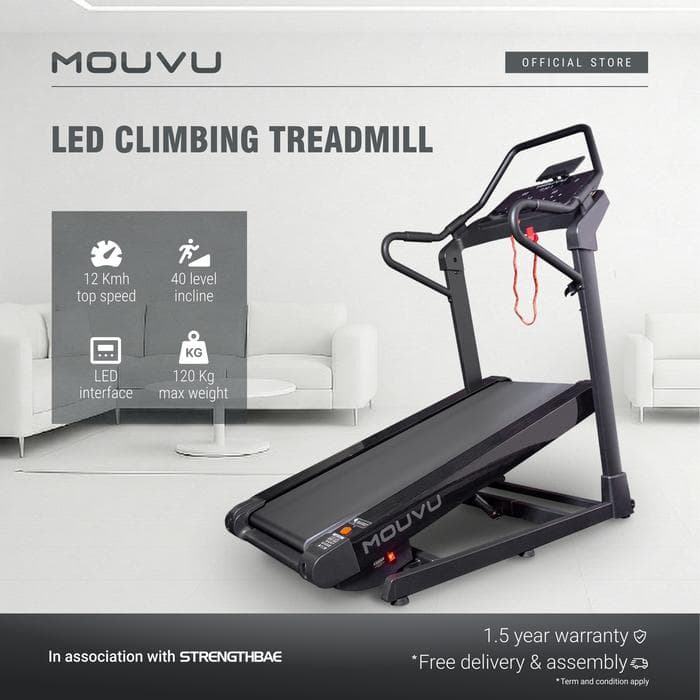
Both can be effective for burning calories. A treadmill at home or in a gym allows you to adjust speed and incline and eliminates weather-related limitations, while outdoor running provides the benefit of fresh air.
Can brisk walking replace running?
Yes. Brisk walking is especially beneficial for beginners or people with higher body weight. Although running burns more calories per minute, brisk walking can be performed for longer periods with a much lower risk of joint injury.
What gym equipment supports running and strength training at home?
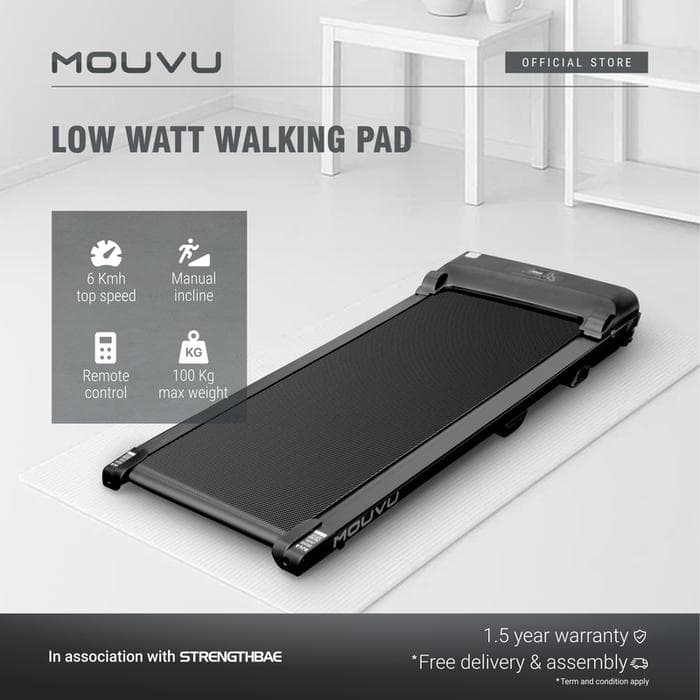
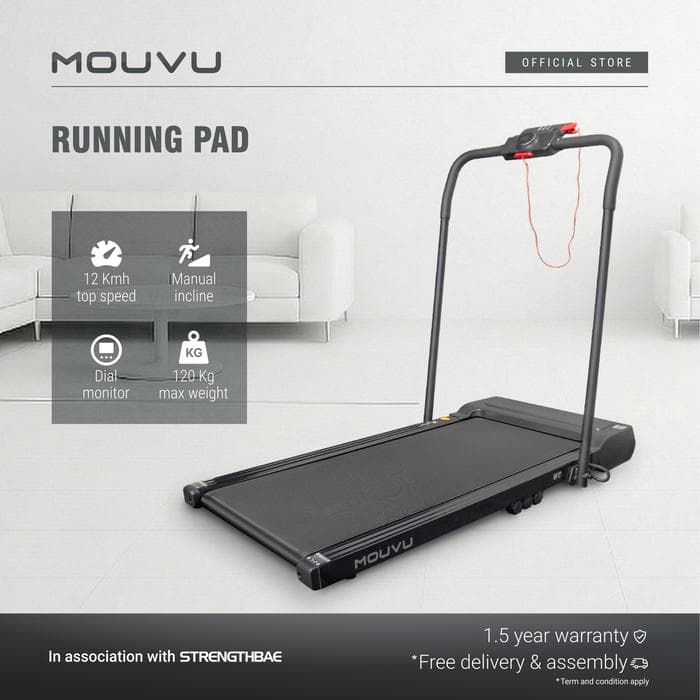
To support a combination of running and strength training at home, you can prepare a treadmill or walking pad for cardio, along with an adjustable dumbbell set, resistance bands, and a mat for strength exercises such as squats and lunges.
Reach Your Ideal Weight Goal with Strengthbae
Combining running, strength training, and a balanced diet can help you achieve your ideal weight and maintain long-term fitness.
You can run outdoors or train at home using a treadmill and strength training equipment. The most important thing is to stay consistent and adjust your training according to your body's ability.
If you need a treadmill, adjustable dumbbells, home gym equipment, or equipment for a commercial gym, Strengthbae provides a range of professional gym equipment with an official warranty. Consult with our team, who are ready to help you choose the right equipment.
Strengthbae is a professional gym equipment brand providing solutions for commercial gym and home gym needs. From racks and All in One Trainers to functional training accessories for HYBRID RACE-standard training, everything is available at Strengthbae.