Running Workouts from Home: Exercise for Running
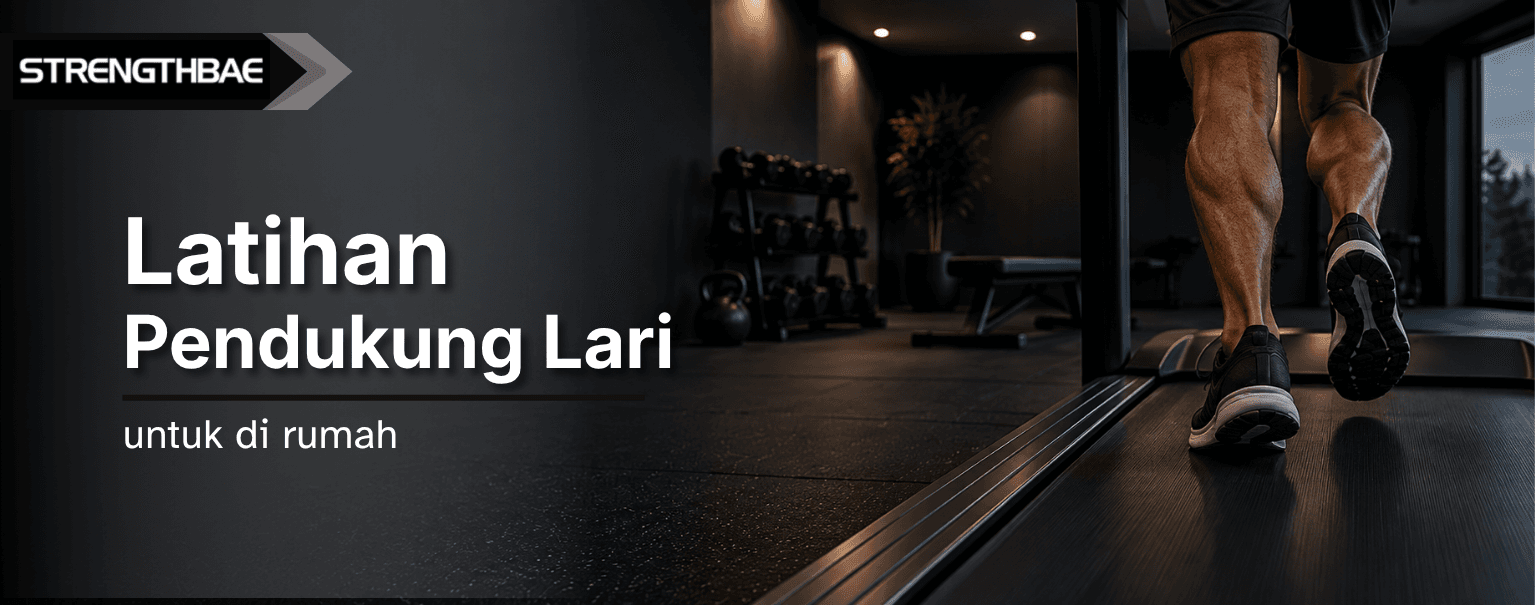
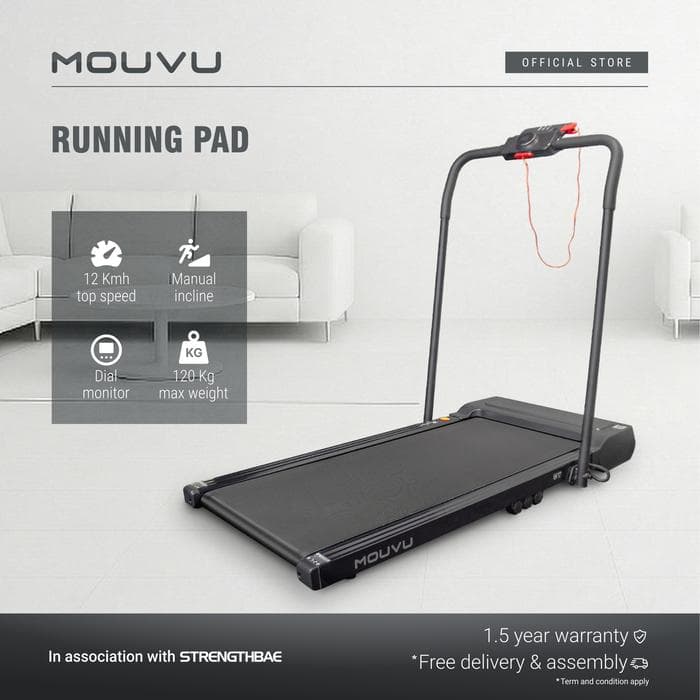
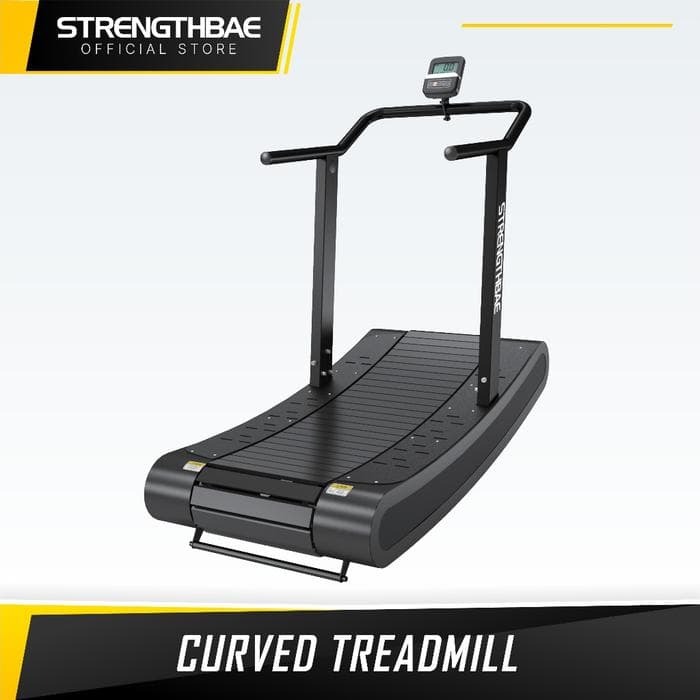
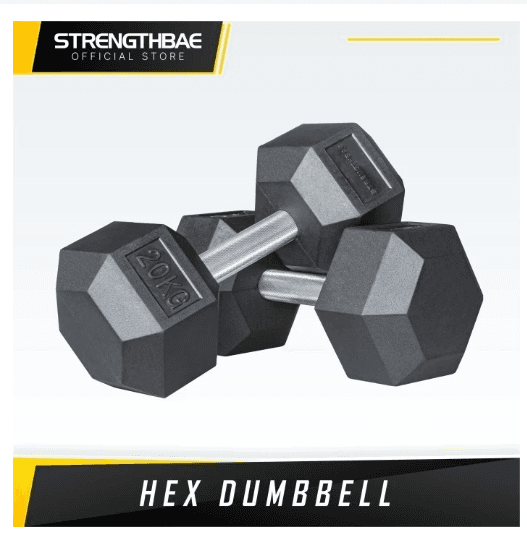
Running training is not only about running. Supporting exercises such as strength training, core training, balance, and strength exercises can be done at home. These running exercises can help strengthen muscles, maintain body stability, and support running performance. Running workouts at home can also be done with simple equipment such as dumbbells, kettlebells, resistance bands, treadmills, or plyo boxes. Adding strength training 2–3 times a week can also help maintain posture and keep your stride strong while running.
Tips for Home Exercise Training for Running
Strength training at home is not meant to replace running training, but to help make your body stronger and better prepared for repeated impact during intense running. The following principles can help you balance your running and strength training:
Alternate running sessions and supporting training sessions: Strength training should complement your running training and be incorporated into your running training routine. As a guideline, you can have around 3 running sessions for every 1 strength session, then adjust it according to your condition and training program.
Do additional training while your body is still fresh: Additional training should be done when you still have enough energy or separated from heavy running sessions. This allows you to maintain good technique and movement control.
Allow enough recovery time: Rest for around 30–60 seconds between sets for general exercises and allow at least 24 hours before doing your next heavy strength session. Recovery time can be adjusted according to the intensity of your running training and your physical condition.
Increase gradually: Slowly add weight or repetitions as your strength improves. As a practical guideline, if you are able to perform 2 additional repetitions on the final set for 2 consecutive sessions, you can consider increasing the weight.
Supporting Strength Exercises for Running
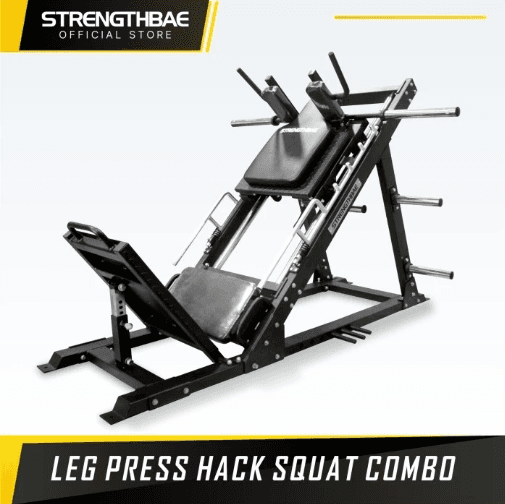
Strength exercises to support running training can help strengthen the thighs, glutes, calves, and hips. For runners, these exercises can help produce a stronger stride, maintain body stability, and prepare the body to handle impact while running. The following six exercises can serve as a foundation for running training to improve stamina and leg drive.
Squat
Squats train the quadriceps, glutes, and core. This movement helps strengthen the legs, maintain stability while running, and support stride propulsion.
Equipment Options: bodyweight for beginners, dumbbells or kettlebells for goblet squats, and barbells or a Smith machine for heavier loads.
How to Perform:
Stand upright with your feet shoulder-width apart and your toes slightly turned outward.
Push your hips back and bend your knees as if you are about to sit down.
Lower your body as far as comfortable while keeping your chest open and core engaged.
Push your feet into the floor to return to a standing position.
Romanian Deadlift
The Romanian Deadlift trains the hamstrings, glutes, and lower back. This movement helps strengthen the posterior chain and drive the hips during running.
Equipment Options: Dumbbell, kettlebell, or barbell.
How to Perform:
Stand upright while holding the weight in front of your thighs with your knees slightly bent.
Push your hips back while lowering the weight close to your legs.
Keep your back straight and neutral throughout the movement.
Lower the weight until you feel a stretch in your hamstrings, then drive your hips forward to return to a standing position.
Bulgarian Split Squat
The Bulgarian Split Squat trains single-leg strength, balance, and hip stability. This movement is suitable for runners because it trains each leg separately.
Equipment Options: A chair, adjustable bench, or plyo box for the rear leg. Use dumbbells if you want to add resistance.
How to Perform:
Stand with your back facing the bench or chair, about two steps away.
Place the top of one foot on the bench.
Slowly lower your body by bending the front knee.
Push your front foot into the floor to return to a standing position, then repeat with the other leg.
Walking Lunge
Walking Lunges train leg strength, knee stability, and step coordination. The movement also involves a stepping pattern similar to running.
Equipment Options: Bodyweight for beginners or dumbbells and kettlebells to add resistance.
How to Perform:
Step one foot forward and lower your body until both knees are bent.
Push your front foot into the floor to return to a standing position and step forward with the other foot.
Continue the movement alternately while keeping your body upright.
Keep your steps stable to maintain controlled balance.
Calf Raise
Calf Raises train the calf muscles, especially the gastrocnemius and soleus. These muscles help propel the body forward and maintain ankle stability while running.
Equipment Options: No equipment, using a step or plate for a greater range of motion, and dumbbells to add resistance.
How to Perform:
Stand with your feet flat on the floor or with the front of your feet positioned at the edge of a step.
Raise your heels as high as possible using your calf muscles.
Hold briefly at the top position.
Slowly lower your heels until you feel a comfortable stretch.
Glute Bridge / Hip Thrust
This movement trains the glutes to help generate power from the hips while running and maintain hip stability.
Equipment Options: No equipment for Glute Bridge. Use an adjustable bench, dumbbell, or barbell for Hip Thrust.
How to Perform:
For Glute Bridge, lie on your back with your knees bent and your feet flat on the floor.
For Hip Thrust, rest your upper back against a bench and place the weight over your hips.
Drive your hips upward while squeezing your glutes until your body forms a straight line.
Slowly lower your hips back to the starting position.
Supporting Running Exercises for Core and Stability
The core muscles help keep the body stable while running and transfer power from the legs forward. A strong core helps reduce unnecessary body movement, making your stride more stable and efficient.
Plank
Plank trains the abdominal and core muscles to keep the body stable, especially when you start to feel fatigued while running.
Equipment Options: exercise mat to make the elbow position more comfortable.
How to Perform:
Position your body face down, supporting yourself on your elbows and toes. Keep your body straight from head to heels.
Tighten your abdominal and glute muscles. Do not let your hips drop or rise too high.
Hold the position for 30–60 seconds.
Variation: Perform Front Plank and Side Plank to train the side abdominal muscles.
Dead Bug
Dead Bug trains core strength, body control, and coordination between the arms and legs. This movement also helps maintain body stability while running.
Equipment Options: exercise mat.
How to Perform:
Lie on your back with both arms extended upward and your knees bent at approximately 90 degrees.
Lower your right hand behind your head while extending your left leg forward.
Return to the starting position, then perform the movement on the opposite side.
Keep your lower back pressed against the floor throughout the movement.
Single Leg Balance
This exercise trains balance, ankle stability, and body control to help maintain stability while running.
Equipment Options: No equipment for beginners. Use a light dumbbell or balance pad for a more challenging variation.
How to Perform:
Stand upright on one leg and raise the other leg until your thigh is approximately parallel to the floor.
Hold the position for 30–45 seconds, then switch legs.
Keep your hips level and your body from leaning to one side.
Supporting Running Exercises for Power and Conditioning
Power and conditioning exercises help improve explosive power, movement speed, coordination, and endurance while running. These exercises can help you handle sprints, uphill runs, and changes in pace while running.
Jump Squat
Jump Squat trains explosive power in the thighs and glutes so the body can generate force quickly while running.
Equipment Options: No equipment.
How to Perform:
Perform a shallow squat, then push strongly into the floor to jump upward.
Land with your knees slightly bent to reduce impact.
Focus on a stable and controlled landing, rather than simply trying to jump as high as possible.
Skater Jump / Lateral Bound
Skater Jump trains balance, leg stability, and explosive power in a lateral direction.
Equipment Options: No equipment.
How to Perform:
Jump to the right and land on your right foot. Allow your left foot to cross behind.
Hold the position briefly, then jump to the left and land on your left foot.
Start with short jumps and gradually increase the distance once your landing is stable.
Mountain Climber
Mountain Climber trains body endurance, abdominal muscles, and leg coordination while also increasing the intensity of your cardio workout.
Equipment Options: Exercise mat.
How to Perform:
Start in a plank position with your hands directly under your shoulders.
Drive your right knee toward your chest, then alternate with your left knee.
Keep your hips stable and avoid raising them too high during the movement.
Jump Rope
Jump rope or skipping trains coordination, foot rhythm, calf muscles, and cardiovascular endurance.
Equipment Options: Skipping rope.
How to Perform:
Perform small jumps using the balls of your feet while rotating the rope with your wrists.
Keep your jumps low and maintain a light and steady rhythm.
Summary of Supporting Running Exercises to Do at Home
Supporting running exercises should not focus on just one type of training. Combine strength, core and stability, as well as power and conditioning into your routine gradually according to your needs and abilities. The following summary can help you determine the function and examples of exercises in each category.
Training Type | Focus | Benefits for Runners | Exercise Examples |
Strength | Muscle strength | Helps produce a stronger stride | Squat, RDL, Lunge, Hip Thrust |
Core & Stability | Stability and balance | Helps keep the body stable | Plank, Dead Bug, Single Leg Balance |
Power & Conditioning | Explosive power and endurance | Helps with sprints, uphill running, and changes in pace | Jump Squat, Skater Jump, Mountain Climber, Jump Rope |
Make time for these supporting exercises regularly between your running sessions, but adjust the amount and intensity according to your running program and recovery time. Not all exercises need to be performed in one session; you can divide them across several days so your training remains balanced and does not interfere with your main running sessions.
Example Supporting Running Training Program at Home
Here is a recommended supporting running training program that can be practiced regularly at home:
Supporting Strength Training for Running 2–3 Times a Week
Supporting strength training helps strengthen the legs, glutes, and hips so the body is better prepared to handle the load while running.
Goblet Squat / Barbell: 3 sets × 8–10 repetitions
Romanian Deadlift RDL: 3 sets × 8–10 repetitions
Bulgarian Split Squat: 3 sets × 10 repetitions per leg
Calf Raise: 3 sets × 12–15 repetitions
Glute Bridge / Hip Thrust: 3 sets × 10–12 repetitions
Supporting Core & Stability Training for Running 2–3 Times a Week
Supporting core & stability training helps keep the body balanced and stable while running.
Plank: 3 sets × 30–60 seconds
Dead Bug: 3 sets × 8–10 repetitions per side
Single Leg Balance: 3 sets × 30–45 seconds per leg
Supporting Power & Conditioning Training for Running 1–2 Times a Week
Supporting power & conditioning training helps improve explosive power, coordination, and endurance while running.
Jump Squat: 3 sets × 6–8 repetitions
Skater Jump: 3 sets × 8 repetitions per side
Mountain Climber: 3 sets × 30 seconds
Jump Rope: 3 sets × 30–60 seconds
FAQ
Do runners need strength training with weights?
Yes. Strength training helps runners strengthen tendons, improve oxygen utilization efficiency, improve body posture, and significantly reduce the risk of knee and ankle injuries. The training program should be adjusted according to your daily running duration.
How many times a week should I do strength training?
Runners are advised to perform strength training 2 to 3 times a week on days separate from high-intensity running sessions, or after an easy run session to allow sufficient muscle recovery.
Will weight training make my body heavy or stiff?
No. Performing weight training with proper technique and controlled loads will not make your body stiff or excessively muscular. Instead, increased muscle strength can make each running stride feel lighter and more efficient.
When is the best time to do supporting exercises during a running program?
The best time is on running rest days or in the afternoon after a morning running session. Avoid performing intense supporting exercises immediately before a speed session or long run so that your running performance is not affected.
What equipment is needed for supporting running exercises at home?
For a personal home gym or commercial gym, fitness equipment such as a pair of dumbbells, kettlebells, resistance bands, a bench, a plyo box, and a treadmill is already sufficient to perform a complete supporting running exercise routine.
Run Farther and Stronger with Strengthbae
Supporting running exercises help strengthen the body through strength, power, core, and balance training. With equipment such as dumbbells, kettlebells, resistance bands, benches, and treadmills, you can perform your workouts at home more comfortably and with better structure. These exercises are not intended to replace your running routine, but to help make every stride more stable, stronger, and more efficient.
Ready to improve your running workouts from home? Find the right home gym equipment for your training needs with Strengthbae. Contact our team for a free consultation about the gym equipment you need.
Strengthbae is a professional gym equipment brand that provides solutions for commercial gym businesses and home gyms. From racks and All in One Trainers to functional training accessories such as standard Hyrox sandbags, everything is available at Strengthbae.