Types of Cardio Equipment and How to Choose the Right One
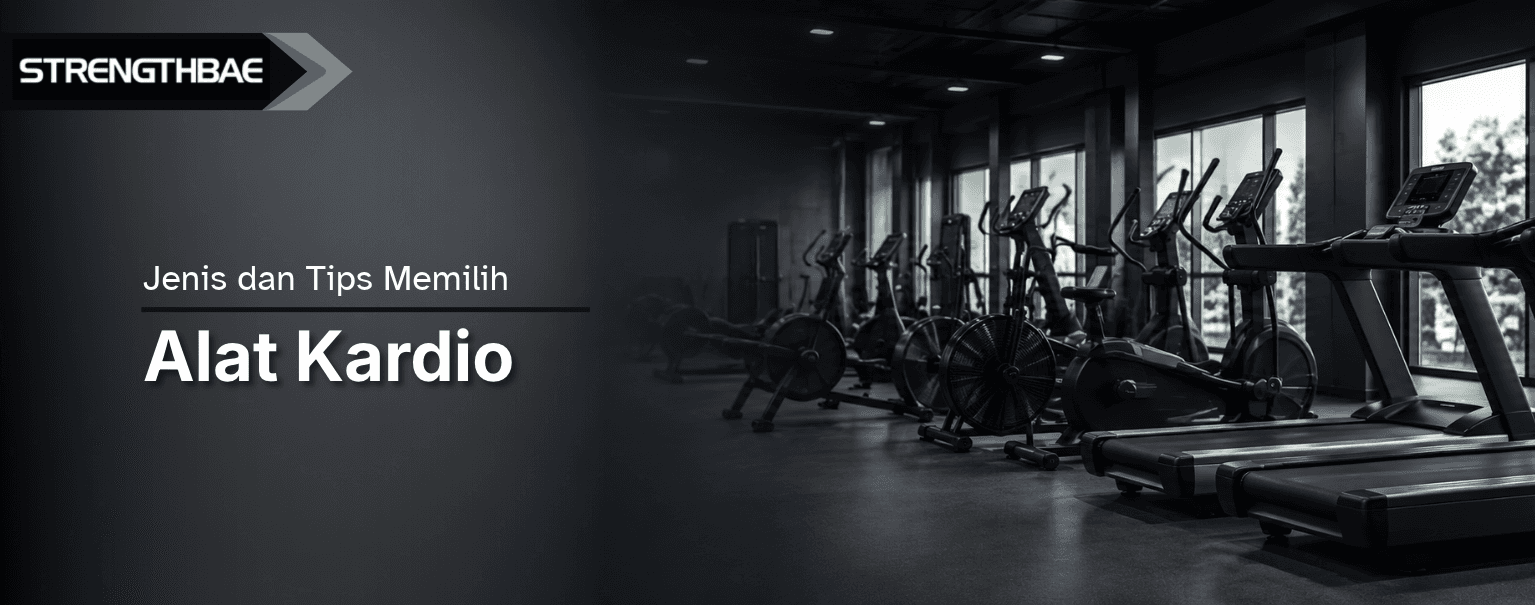
Cardio equipment is gym equipment designed to improve endurance, cardiovascular fitness, and calorie expenditure.
There are 11 common types of cardio equipment used in gyms: treadmill, walking pad, curved treadmill, upright bike, spin bike, recumbent bike, air bike, rowing machine, elliptical, stair climber, and ski trainer.
Each machine involves different movements, impact levels, and muscle groups. This article covers the function of each type of equipment and how to choose the right one based on your training goals, available space, and budget.
What Is Cardio Equipment?
Cardio equipment can be used for a variety of training methods, depending on your goals and fitness level. In addition to improving fitness and endurance, cardio equipment allows you to adjust your training based on what you want to achieve.
For lighter, longer-duration workouts, you can use steady-state training by maintaining a consistent intensity throughout the session.
If you prefer a more intense workout in a shorter amount of time, interval training or HIIT can be used by alternating high-intensity work periods with recovery periods.
Because treadmills and stationary bikes are among the most popular cardio machines, there is a common assumption that cardio mainly trains the lower body. However, equipment such as air bikes, rowing machines, and ski trainers also engage the upper body and core, making them suitable for full-body workouts.
Comparison of Cardio Equipment by Type
The table below compares 11 types of cardio equipment based on movement, muscles worked, impact level, training style, and resistance system.
Cardio Equipment | Movement | Muscles Worked | Impact | Training Type | Resistance |
Treadmill | Walking, jogging, running | Quads, hamstrings, glutes, calves | Moderate–high | Steady-state & interval | Motorized belt, adjustable speed & incline |
Walking Pad | Easy walking, brisk walking | Quads, hamstrings, glutes, calves | Low–moderate | Steady-state | Motorized belt |
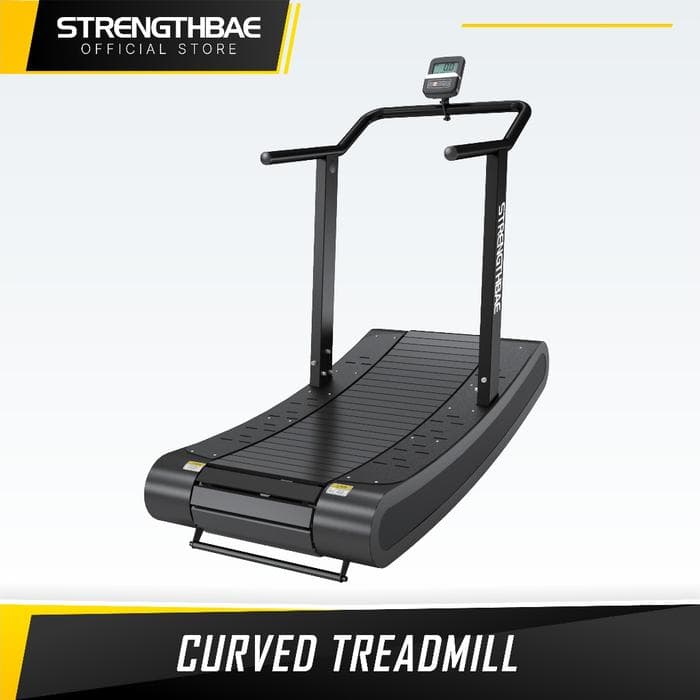
Curved Treadmill | Sprinting, intervals, conditioning | Quads, hamstrings, glutes, calves, core | High | HIIT, sprint, conditioning | Non-motorized |
Upright Bike | Upright cycling | Quads, hamstrings, glutes, calves | Very low | Steady-state & interval | Magnetic / friction |
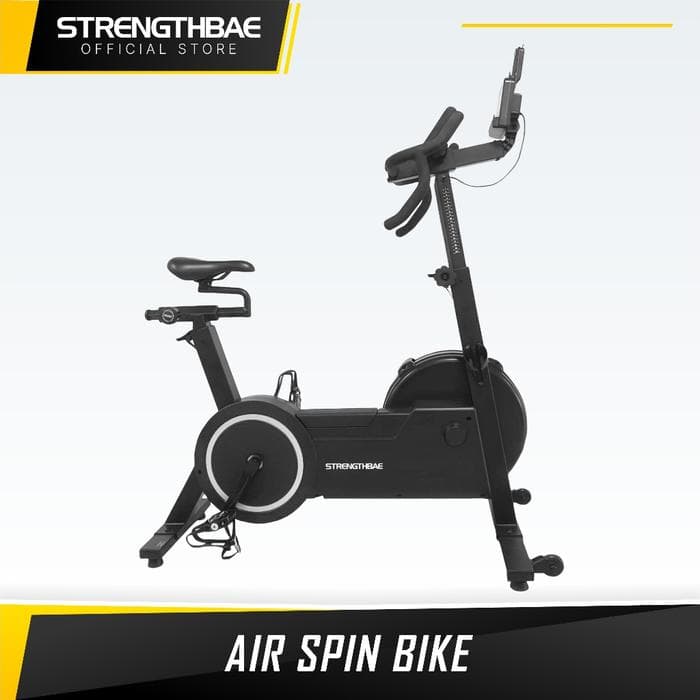
Spin Bike | Indoor cycling | Quads, glutes, hamstrings, calves | Very low | HIIT, tempo, endurance | Flywheel & friction / magnetic |
Recumbent Bike | Seated cycling with back support | Quads, glutes, hamstrings, calves | Very low | Light–moderate steady-state | Magnetic |
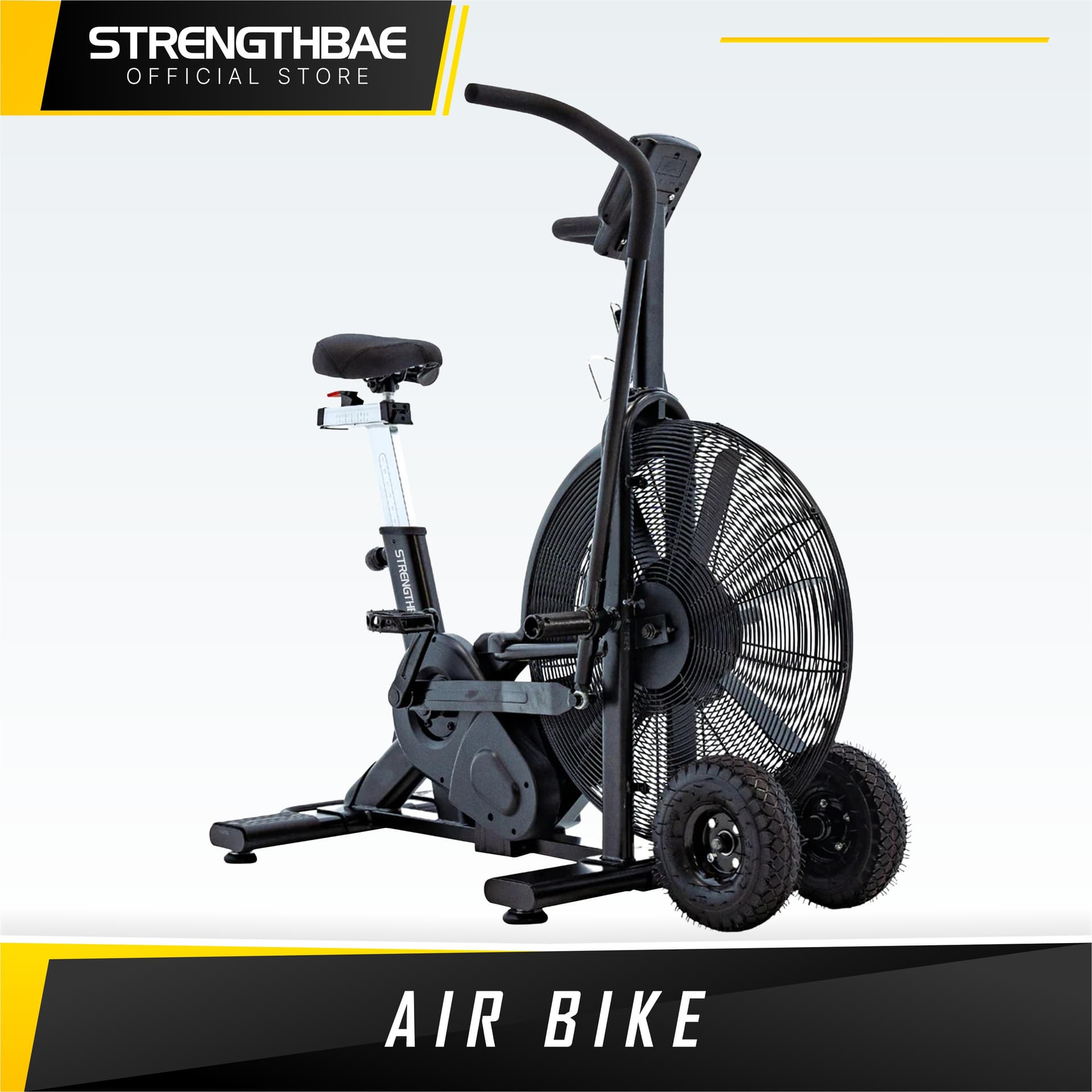
Air Bike | Pedaling while pushing/pulling the handles | Full body, including legs, arms, shoulders, core | Very low | HIIT & conditioning | Air resistance |
Rowing Machine | Rowing motion | Full body, especially legs, back, biceps, core | Very low | Steady-state, HIIT, endurance | Air / magnetic / water |
Elliptical Trainer | Gliding motion with handles | Quads, glutes, chest, arms | Very low | Steady-state & interval | Magnetic / front-flywheel |
Stair Climber | Stair-climbing motion | Quads, glutes, hamstrings, calves | Low | Cardio & muscular endurance | Motorized revolving stairs |
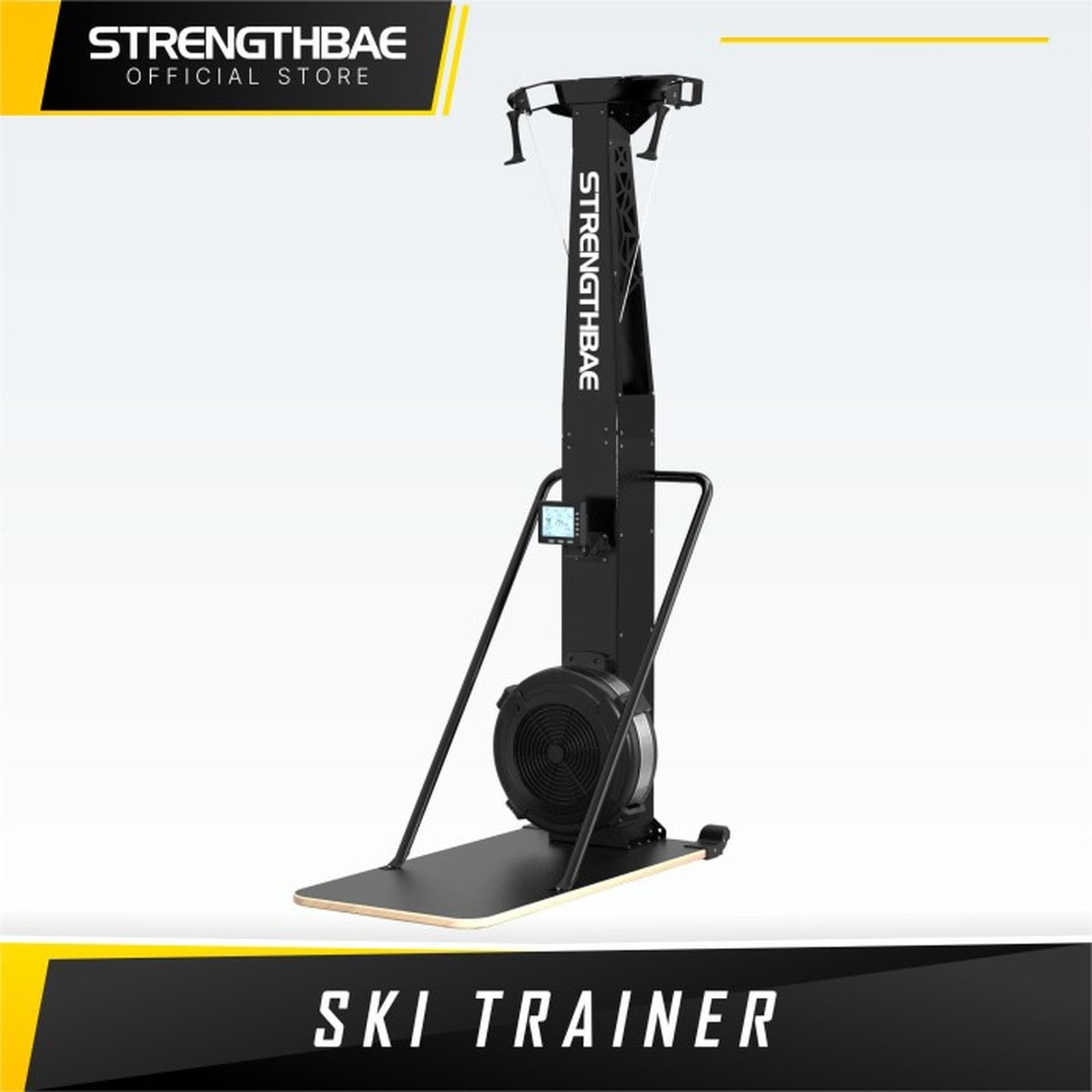
Ski Trainer | Pulling the handles downward | Lats, triceps, core, hips | Very low | HIIT & endurance | Air resistance |
Keep in mind that the difficulty level of each machine is not always the same. Training intensity can be adjusted through speed, resistance, duration, as well as the amount of effort and the technique used.
Read More: Strengthbae Cardio Equipment
Types of Cardio Equipment for Walking and Running
This category of cardio equipment uses movements such as walking, jogging, and running. Each machine has different features and is designed for different training goals.
Treadmill
A treadmill uses a motorized running belt with adjustable speed and, on some models, incline. This cardio machine can be used for easy walking, brisk walking, jogging, running, interval training, and incline walking. The main muscles worked are the quadriceps, hamstrings, glutes, and calves.
One of its main advantages is that you can control your training pace without being affected by the weather. When choosing a treadmill, consider the running deck size, motor power, weight capacity, cushioning system, and available space.
Walking Pad
A walking pad is a more compact walking machine that can often be folded, making it convenient for use at home or under a work desk. This cardio machine is ideal for increasing your daily step count through easy to brisk walking.
It primarily works the thighs, calves, and hips. Walking pads are generally better suited for walking than high-intensity running. Pay attention to the maximum speed, belt size, frame stability, and weight capacity, as not every walking pad is designed for jogging or running.
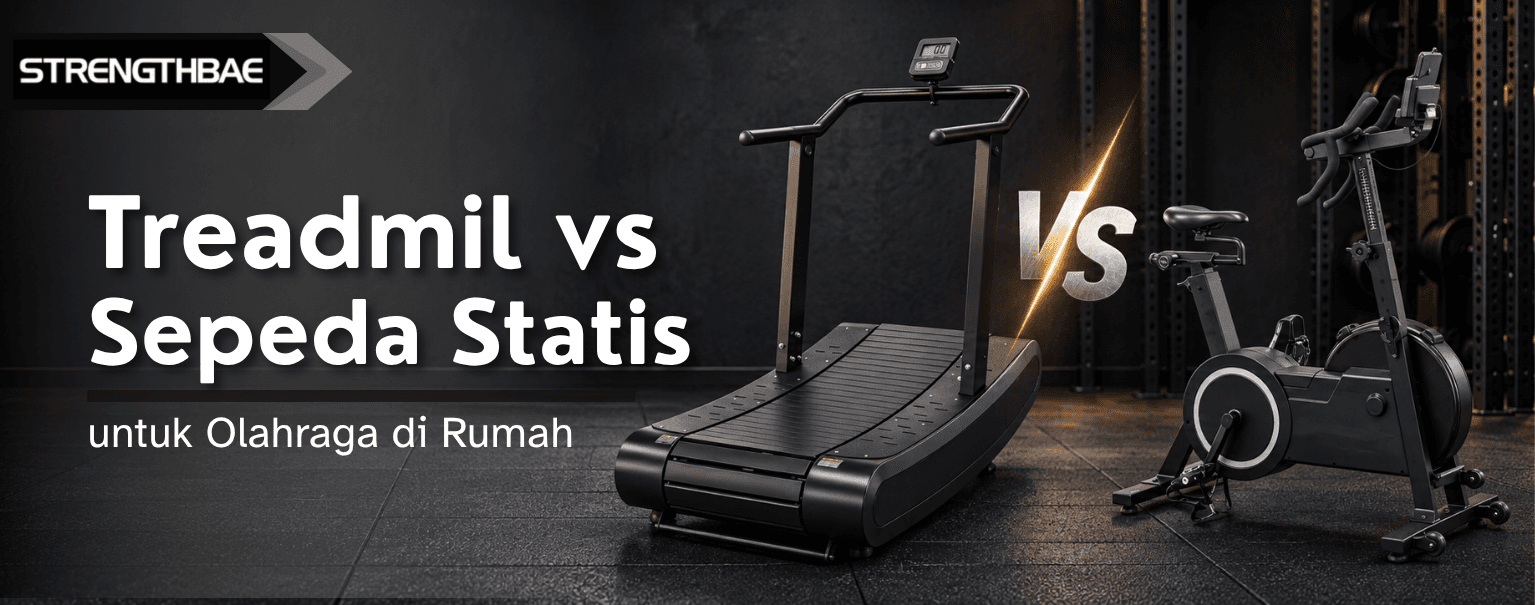
Curved Treadmill
A curved treadmill features a curved running belt that moves without a motor and is powered by the user's steps. This cardio machine is suitable for sprinting, interval training, high-intensity conditioning, and running drills. The muscles involved include the quadriceps, hamstrings, glutes, calves, and core, which helps maintain balance.
Users need some time to adapt to the technique and balance because the intensity can increase quickly. Since it does not require electricity, maintenance is also relatively simple and can help reduce operating costs.
Bike-Based Cardio Equipment
Stationary bikes are suitable for low-impact cardio, making them easier on the knees and ankles. Each type of bike has a different riding position and training experience.
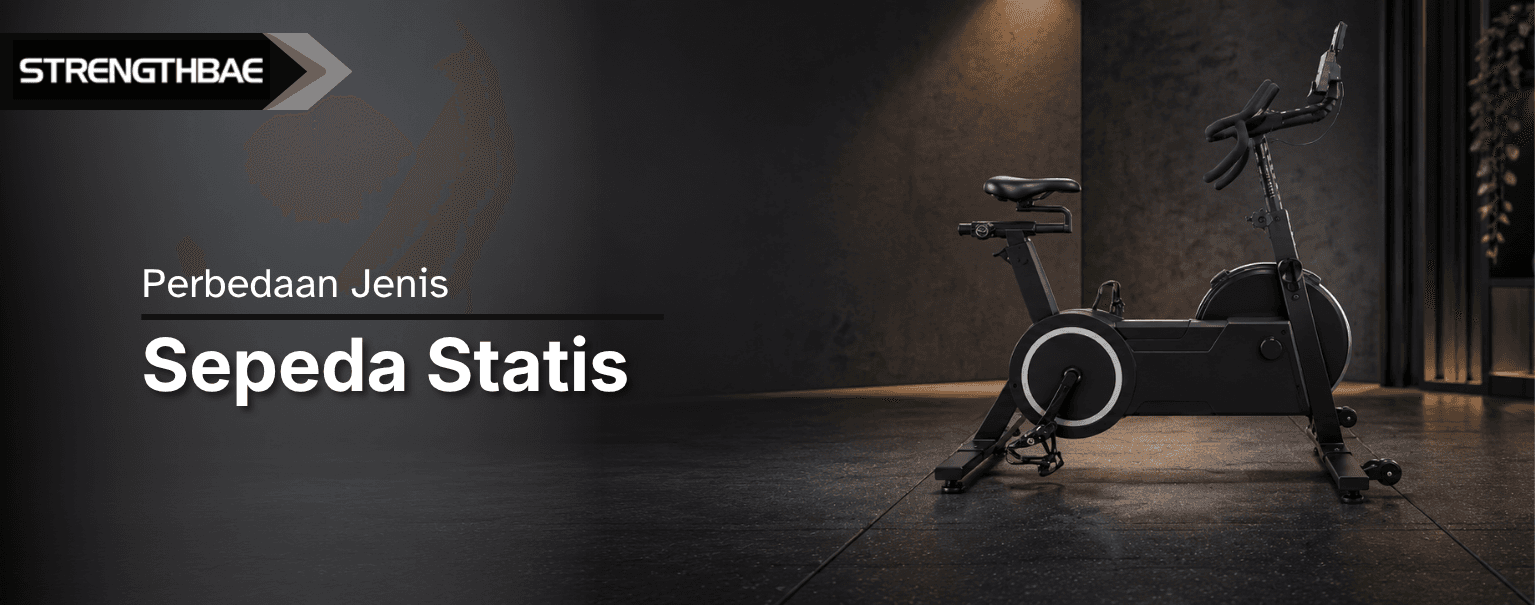
Upright Bike
An upright bike has an upright seating position similar to a regular bicycle, with the pedals positioned underneath the body. This cardio machine is suitable for light to moderate workouts, endurance training, and light intervals. The main muscles worked are the quadriceps, hamstrings, glutes, and calves.
When choosing an upright bike, consider the seat adjustment, handlebar position, seat comfort, and smoothness of the resistance system.
Spin Bike
A spin bike has a design similar to a road bike, with a more forward-leaning riding position and a flywheel that provides a more realistic cycling feel. This cardio machine is suitable for indoor cycling, endurance, tempo rides, and HIIT. The main muscles worked are the quadriceps, glutes, hamstrings, calves, and lower back.
Pay attention to the seat and handlebar adjustments, flywheel weight, resistance system, and pedal locking mechanism.
Recumbent Bike
A recumbent bike features a wide seat with back support and pedals positioned in front of the body. This position provides greater back support and is suitable for light to moderate cardio or recovery workouts. The muscles worked include the quadriceps, glutes, hamstrings, and calves.
Consider the seat adjustment range, backrest comfort, and how easy it is to get on and off the machine.
Air Bike
An air bike uses a large fan as its source of resistance, with handles that move back and forth along with the pedals. This machine is suitable for full-body conditioning, HIIT, warm-ups, and endurance training. The muscles worked include the legs, glutes, shoulders, chest, back, arms, and core.
The faster and harder you pedal and move the handles, the greater the resistance becomes. The intensity can increase quickly, and the fan can also produce a noticeable amount of wind noise.
Read More: Spin Air Bike Strengthbae
Types of Cardio Equipment for Full-Body Movement
These machines combine lower- and upper-body movements in a single workout, making them suitable for improving overall fitness and training multiple muscle groups at once.
Rowing Machine / Air Rower
A rowing machine features a seat that moves along a rail, footrests, and a handle that you pull toward your body. An air rower uses a fan as its source of resistance.
This cardio machine is suitable for full-body cardio, endurance, interval training, and muscular endurance. The muscles worked include the quadriceps, glutes, hamstrings, back, biceps, and core.
The movement combines leg drive, hip movement, and an arm pull in one sequence. When using a rowing machine, pay attention to the movement sequence and foot position, and keep your back neutral for a more effective and safer workout.
Elliptical / Cross Trainer
An elliptical has two pedals that move in an elliptical pattern and handles that can be moved with the arms. This cardio machine is suitable for low-impact cardio, endurance training, and interval workouts with less stress on the joints.
The muscles worked include the quadriceps, glutes, hamstrings, and calves. When you actively use the handles, the chest, shoulders, and arms are also engaged.
When choosing an elliptical, consider the stride length, smoothness of movement, body position, and whether the machine size is suitable for the user's height.
Types of Cardio Equipment for Conditioning
This type of cardio equipment mimics movements such as climbing stairs and outdoor sports. In addition to improving fitness, these machines can help build muscular endurance and improve your body's ability to handle high-intensity activities.
Stair Climber
A stair climber uses continuously moving steps to mimic the motion of climbing stairs. This cardio equipment is suitable for building lower-body muscular endurance, burning calories, and improving cardio conditioning. The main muscles involved are the glutes, quadriceps, hamstrings, and calves.
When using it, pay attention to the step height and movement speed. Keep your body upright and avoid putting too much weight on the handrails so your muscles can work more effectively.
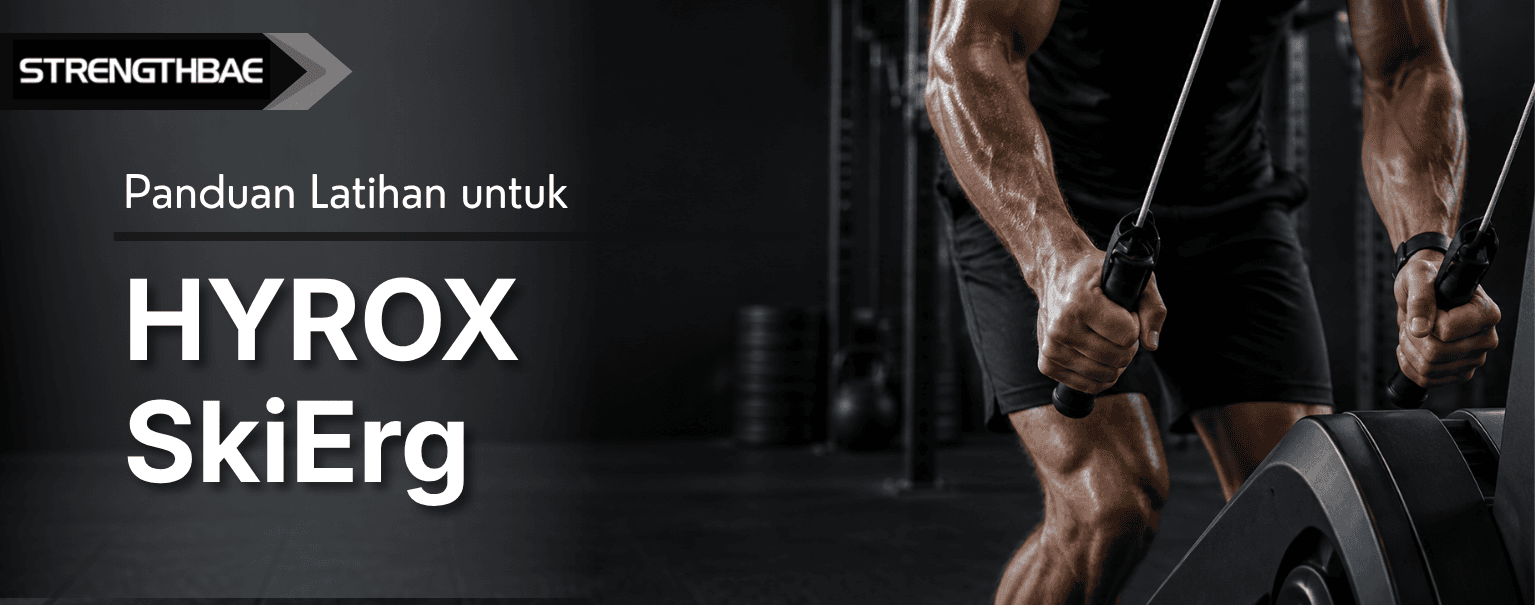
Ski Trainer
A ski trainer mimics the movement of skiing by pulling two handles downward. This cardio equipment is suitable for upper-body cardio, endurance, interval training, and hybrid race training such as HYROX. The muscles involved include the back, triceps, shoulders, core, glutes, and thighs.
The movement should combine the arm pull with hip and core movement rather than relying only on the arms. Keep your back neutral and control the pace of each pull to maintain proper form.
How to Choose Cardio Equipment
Before buying cardio equipment, consider the following factors to make sure the equipment you choose actually suits your needs
Training goals: Determine whether you want to use the cardio equipment for walking, running, recovery, or high-intensity training.
Type of movement: Choose a type of cardio movement that feels comfortable and enjoyable so it is easier to stay consistent with your training.
Impact on the joints: If you have joint problems or sensitivity, consider low-impact equipment such as stationary bikes or rowing machines instead of higher-impact options like treadmills.
Training intensity: Check the available speed, incline, or resistance settings listed in the cardio equipment specifications.
Equipment size: Make sure the equipment's footprint fits your available space and leave enough room around it for safe movement.
Weight capacity: Make sure the cardio equipment's weight capacity meets or exceeds the user's body weight.
Comfort: Consider the handle position, stride length, and the comfort of the saddle or seat.
Stability and safety: Choose equipment with a sturdy frame and appropriate safety features, especially for treadmills.
Noise level: Consider the noise produced by the motor or fan, especially if the equipment will be used at home.
Monitor features: Check what information is displayed, such as time, distance, calories, and heart rate.
Power and maintenance: Consider power requirements and routine maintenance, such as treadmill belts or stationary bike chains.
Price and service: Consider the price, official warranty, spare parts availability, and other technical services such as installation.
Choosing Cardio Equipment for a Home Gym
For a home gym, prioritize cardio equipment that saves space, is easy to store, does not produce excessive noise, and has suitable power consumption.
Choosing Cardio Equipment for a Commercial Gym
For a commercial gym, choose heavy-duty cardio equipment that can handle long periods of use, is easy for multiple members to operate, and comes with a commercial warranty and readily available spare parts. Don't forget to research your gym's needs first to determine how many units of each type of cardio equipment you should purchase.
FAQ
Does cardio equipment need to be used every day?
Not necessarily. Training frequency depends on the intensity of the workout and your physical condition. Light cardio such as walking can be done every day, while HIIT requires adequate rest to allow your body to recover.
Can all types of cardio equipment help with weight loss?
Yes. All types of cardio equipment can help burn calories. However, weight loss still depends on maintaining a calorie deficit, meaning your body uses more calories than you consume.
Can cardio training be combined with strength training?
Yes, and the two can complement each other. Strength training can be done first while your energy levels are still high, followed by cardio according to your needs.
How should I choose cardio equipment if it will be used by several family members?
Choose cardio equipment with an adequate user weight capacity, easy-to-adjust settings, and a type of movement that feels comfortable for multiple users.
Also consider the users' heights, handle or saddle positions, and available resistance or speed settings so the equipment can accommodate different fitness levels.
Do I need gym flooring under cardio equipment?
It is not always necessary, but gym flooring can help protect the floor, improve equipment stability, and reduce noise and vibration during use. For a home gym, flooring can also help keep the training area neat and comfortable.
Build Your Ideal Workout Space with Quality Cardio Equipment from Strengthbae
Understanding the different types and functions of cardio equipment can help you choose equipment that matches your training goals, available space, and budget. Whether you are setting up a home gym or a commercial gym, choose equipment that is comfortable, safe, and suitable for your intended level of use.
Still unsure which cardio equipment is right for you? Talk to the Strengthbae team about your needs, from choosing the right equipment specifications to planning your gym layout. Our team is ready to help you build a training facility that fits your needs with Strengthbae.
Strengthbae is a professional gym equipment brand providing solutions for commercial gym and home gym needs. From racks and All in One Trainers to functional training accessories for HYBRID RACE-standard training, everything is available at Strengthbae.