Types of Exercise Bikes and How to Choose One
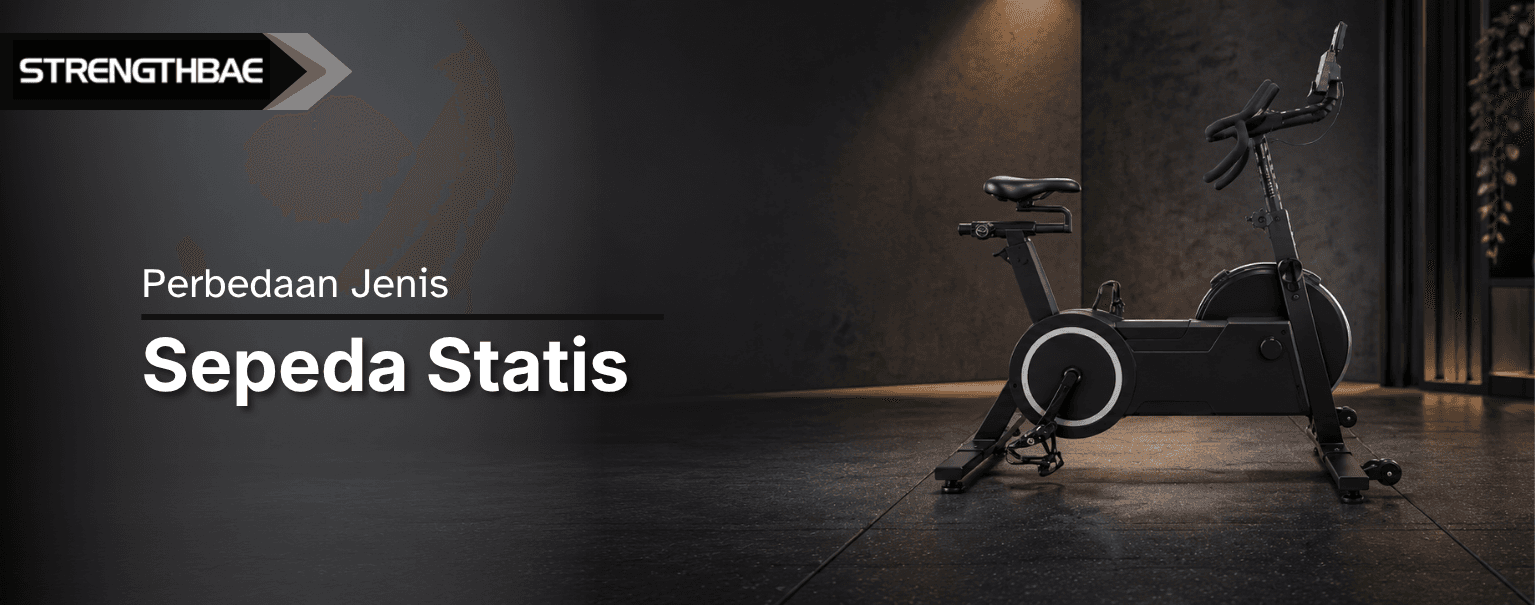
There are five main types of exercise bikes: upright bikes, recumbent bikes, spin bikes, air bikes, and mini pedal exercisers. The main differences lie in body position, resistance system, muscles involved, and training intensity.
Upright bikes and recumbent bikes are suitable for moderate cardio and recovery. Spin bikes and air bikes are more suitable for high-intensity training such as HIIT and conditioning. Meanwhile, mini pedal exercisers are suitable for spaces with very limited room.
The choice of exercise bike should be based on your training goals, comfort, user weight capacity, available space, and budget. This article will discuss all types of exercise bikes so you can find the option that best suits your needs.
Things to Consider Before Choosing an Exercise Bike
Before purchasing an exercise bike, consider the following factors to ensure the equipment matches your needs and available space.
Size and Space Requirements
Match the size of each type of exercise bike to the available room. Do not forget to leave enough space around the equipment so it is easy to get on and off and the pedals or handlebars can move freely.
For small spaces, an upright bike or mini pedal exerciser is more practical. Recumbent bikes and air bikes require more space.
User Capacity and Equipment Adjustability
Check the maximum user weight capacity and make sure the frame size is suitable for the user. Choose a bike with an adjustable seat so it can be used comfortably by family members with different heights.
Monitor Features and Workout Programs
Check the information available on the monitor, such as time, distance, speed, calories, cadence, and heart rate. Choose features based on your needs so you do not pay for features that are rarely used.
Power Requirements
Check the power source required. Some air bikes and mechanical spin bikes only use batteries for the monitor, while bikes with automatic magnetic resistance, smart connectivity, or touchscreen displays usually require a power outlet.
Seating Position and Comfort
Comfort is important so that you can exercise consistently. Choose an exercise bike with a seat that can be adjusted vertically and horizontally. An adjustable handlebar can also help you find a more comfortable training position.
Recumbent bikes have a backrest for greater comfort, while the saddle on upright bikes and spin bikes can be adjusted according to the user's preference.
Noise and Maintenance
Consider the noise level, especially if the bike will be used in an apartment or near a bedroom. Bikes with magnetic resistance are generally quieter, while air bikes produce more fan noise when pedaled at high speeds.
Also check maintenance requirements, such as cleaning the equipment, lubricating components when necessary, and regularly checking bolts and pedals.
Brief Comparison of Exercise Bike Types
The following comparison summarizes five types of exercise bikes based on their function, characteristics, and space requirements:
Exercise Bike Type | Suitable For | Main Characteristics | Space Requirements |
Upright Bike | Beginners, daily cardio | Upright position, pedals positioned below the body, compact | Relatively small |
Recumbent Bike | Comfortable cardio, seniors, recovery | Seat with backrest, pedals positioned in front | Larger |
Spin Bike | Indoor cycling, intervals, endurance | Forward-leaning position, heavy flywheel | Moderate |
Air Bike | Conditioning, intervals, HIIT | Full-body movement, fan resistance | Moderate |
Mini Pedal Exerciser | Light activity, office, seniors | Very compact, without seat and handlebars | Very small |
Read Also: Treadmill vs Exercise Bike: Which Is Suitable for Working Out at Home?
Upgright Bike
An upright bike is one type of exercise bike with an upright seated position and pedals positioned below the body, similar to a regular bicycle. This bike is suitable for daily cardio and beginners because it trains the thigh muscles and core.
Its compact size also makes the upright bike suitable for home gyms with limited space. To maintain comfort, adjust the saddle height according to your body position.
Recumbent Bike
A recumbent bike is one type of exercise bike with a wide seat and backrest. The pedals are positioned in front of the body, allowing the user to exercise in a more comfortable and relaxed position.
This bike is suitable for long-duration cardio, recovery, seniors, or users who prioritize comfort. However, its longer design requires more space compared to other types of exercise bikes.
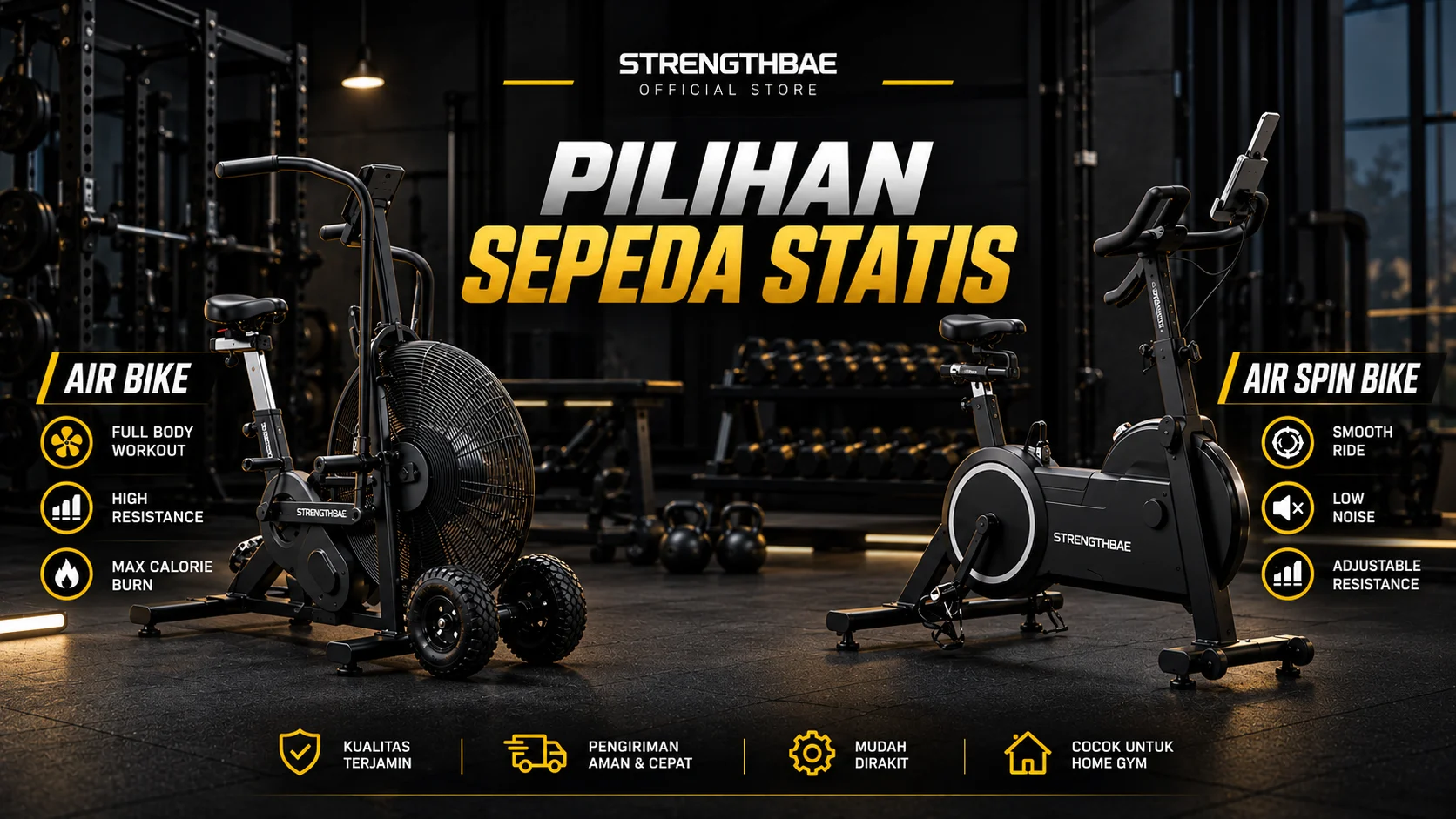
Spin Bike
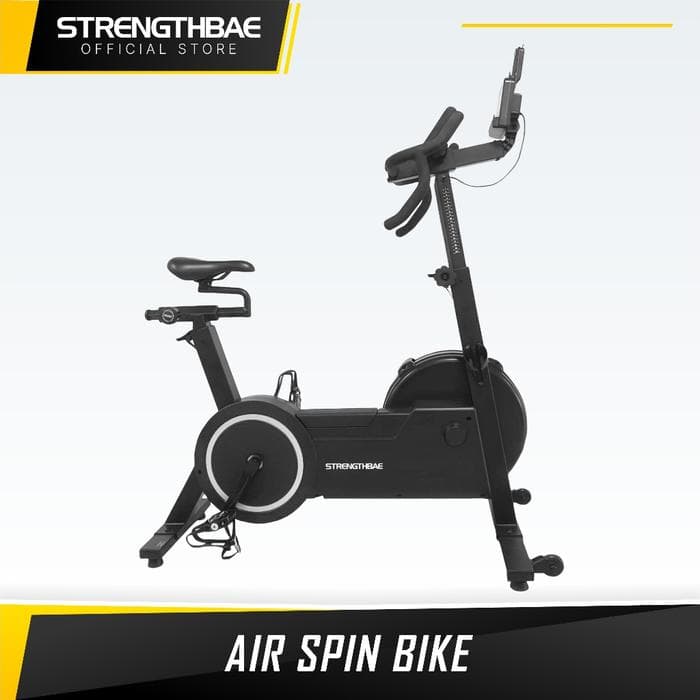
A spin bike or indoor cycling bike is a type of exercise bike designed to replicate the position and sensation of cycling on the road. The body position tends to lean forward, and users can pedal while standing when performing sprints.
Spin bikes are suitable for indoor cycling, endurance training, and high-intensity intervals. The saddle and handlebar can usually be adjusted for greater comfort during use.
Air Bike or Fan Bike
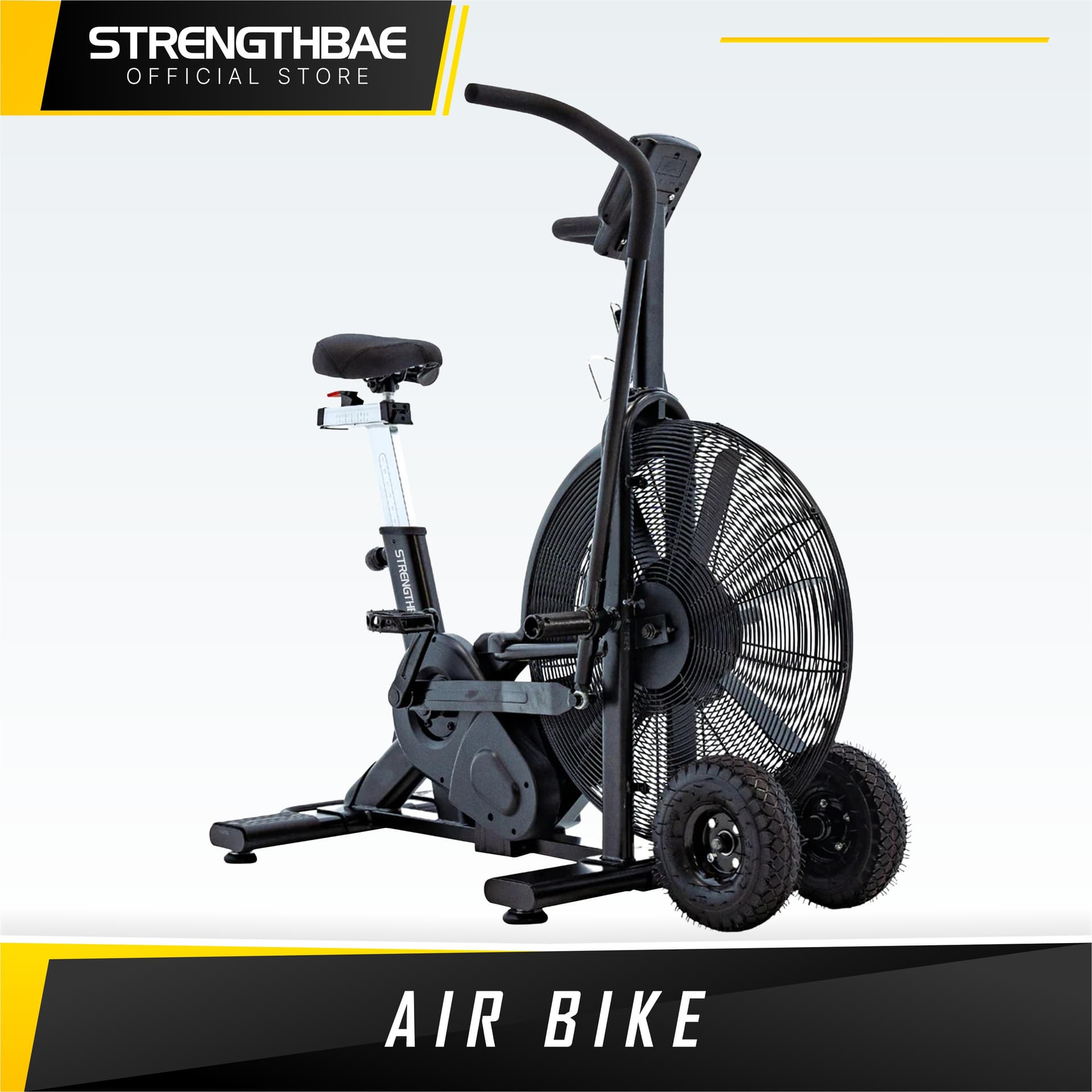
An air bike or fan bike is a type of exercise bike that uses a large fan as its resistance. The harder you pedal and push the handlebars, the greater the resistance you feel.
Because the handlebars and pedals move simultaneously, an air bike trains both the upper and lower body at the same time. This equipment is suitable for full-body conditioning and HIIT. However, the fan noise becomes more noticeable when used at high intensity.
Mini Pedal Exerciser
A mini pedal exerciser is the most compact type of exercise bike. It consists only of pedals and a resistance mechanism without a seat or handlebars.
It can be used while sitting, for example under a desk or in front of a chair. A mini pedal exerciser is suitable for light cardio and activities in very limited spaces, but it is not designed to replace high-intensity cardio or strength training using a full-size exercise bike.
Resistance Systems in Different Types of Exercise Bikes
The resistance mechanism determines how heavy the pedaling feels, how smooth the movement is, the level of noise, and how the resistance can be adjusted. Resistance does not always determine the type of exercise bike. One type of bike can use different resistance systems depending on its design and model.
Magnetic Resistance
Magnetic resistance uses magnets to provide resistance against the flywheel. The pedaling motion feels smooth, stable, and relatively quiet. Resistance can usually be adjusted using a knob or buttons on the monitor.
This resistance system is commonly used on exercise bikes such as upright bikes and recumbent bikes, and can also be found on some spin bikes. It is suitable for home gyms because it produces relatively low noise.
Friction Resistance
Friction resistance uses a pad that presses against the flywheel to increase resistance. The resistance can be adjusted manually by turning the resistance knob.
This system is commonly found on spin bikes. Its characteristics are suitable for indoor cycling and sprint training, but the friction pad can wear over time and requires maintenance.
Air Resistance
Air resistance uses a large fan as the source of resistance. The harder and faster you pedal and push the handlebars, the greater the resistance you feel.
This system is the main characteristic of air bikes or fan bikes. Because the resistance responds to the amount of force produced by the user, air bikes are highly suitable for HIIT, conditioning, and interval training.
Read More: Air Bike Strengthbae
How to Choose an Exercise Bike Based on Your Needs
Use the following guide to choose the type of exercise bike that best matches your training needs:
For Beginners and Daily Cardio
Choose an Upright Bike. Its upright seated position is easy to use, while its compact size makes it practical for cardio training at home.
For Comfort and Long-Duration Cardio
Choose a Recumbent Bike. Its wide seat and backrest provide a more comfortable training position for longer cardio sessions.
For Indoor Cycling and Intense Training
Choose a Spin Bike. Its forward-leaning position and heavy flywheel are suitable for indoor cycling, endurance, and speed training.
For Conditioning and Intervals
Choose an Air Bike. The pedals and handlebars move simultaneously, engaging both the upper and lower body. An air bike is suitable for HIIT and conditioning.
For Very Limited Space
Choose a Mini Pedal Exerciser. Its very small size makes it easy to store, making it suitable for rooms with limited space or for use while sitting.
For Light Cardio
An Upright Bike, Recumbent Bike, or Mini Pedal Exerciser can be used for light cardio for around 20–30 minutes at moderate intensity.
For Endurance
An Upright Bike, Recumbent Bike, or Spin Bike can be used for around 45–60 minutes to train endurance.
For High-Intensity Intervals
A Spin Bike or Air Bike is suitable for HIIT sessions lasting around 15–25 minutes, using a combination of intense intervals and recovery periods.
For Full-Body Conditioning
An Air Bike is a suitable choice because the pedal and handlebar movements engage both the upper and lower body simultaneously. Use it for around 20–30 minutes according to your ability.
FAQ
Which type of exercise bike is suitable for beginners?
Upright bikes and recumbent bikes are the best choices for beginners. An upright bike has a familiar upright seated position, while a recumbent bike offers maximum comfort with a backrest for starting a daily cardio routine at home or in the gym.
Which type of exercise bike is the most space-efficient?
A mini pedal exerciser is the most space-efficient type because of its very small size. For full-size exercise bikes, an upright bike has the most compact footprint and saves space.
Does every type of exercise bike have the same resistance system?
No. The type of exercise bike does not always determine the type of resistance system used.
Upright bikes and recumbent bikes commonly use magnetic resistance, but certain models may use other systems. Spin bikes can use magnetic or friction resistance. Meanwhile, air bikes use air resistance as their primary resistance system. Mini pedal exercisers can also have different resistance systems depending on the model.
Therefore, when choosing an exercise bike, consider both the type of bike and the resistance mechanism it uses.
Can an exercise bike be used for weight loss?
Yes. Using an exercise bike regularly helps burn calories and strengthen the cardiovascular system. Combining exercise bike training with a balanced diet and strength training at home or in a commercial gym is the most effective way to lose weight while maintaining muscle mass.
How long should you use an exercise bike?
For light cardio and recovery, use it for 20–30 minutes per session. For endurance training, use it for 45–60 minutes, while 15–25 minutes of interval HIIT using a spin bike or air bike is already sufficient to trigger effective calorie burning.
How do you choose an exercise bike based on height and body weight?
Check the equipment's maximum user weight specification to ensure that the bike frame can safely and stably support your body weight. For height, make sure the seat adjustment features for height and forward-backward positioning have a sufficient range so that your knee remains slightly bent, around 5–10 degrees, when the pedal is at its lowest point.
Meet Your Gym Equipment Needs with Strengthbae
There is no single type of exercise bike that is best for everyone. The best choice depends on your training goals, comfort, available space, user capacity, and budget.
An upright bike is suitable for compact daily cardio, a recumbent bike prioritizes comfort and back support, a spin bike is suitable for indoor cycling and intense training, while an air bike is ideal for full-body conditioning. If space is very limited, a mini pedal exerciser can be a practical choice.
Already know which type of exercise bike is right for you? Consult your training and gym space requirements with the Strengthbae team. We are ready to help you choose an exercise bike, cardio equipment, or a home gym or commercial gym package that suits your needs.
Strengthbae ais a professional gym equipment brand that provides solutions for commercial gym businesses and home gyms. From racks and All in One Trainers to functional training accessories for HYROX-standard hybrid races, everything is available at Strengthbae.