Complete Guide to Weightlifting Accessories and Their Functions
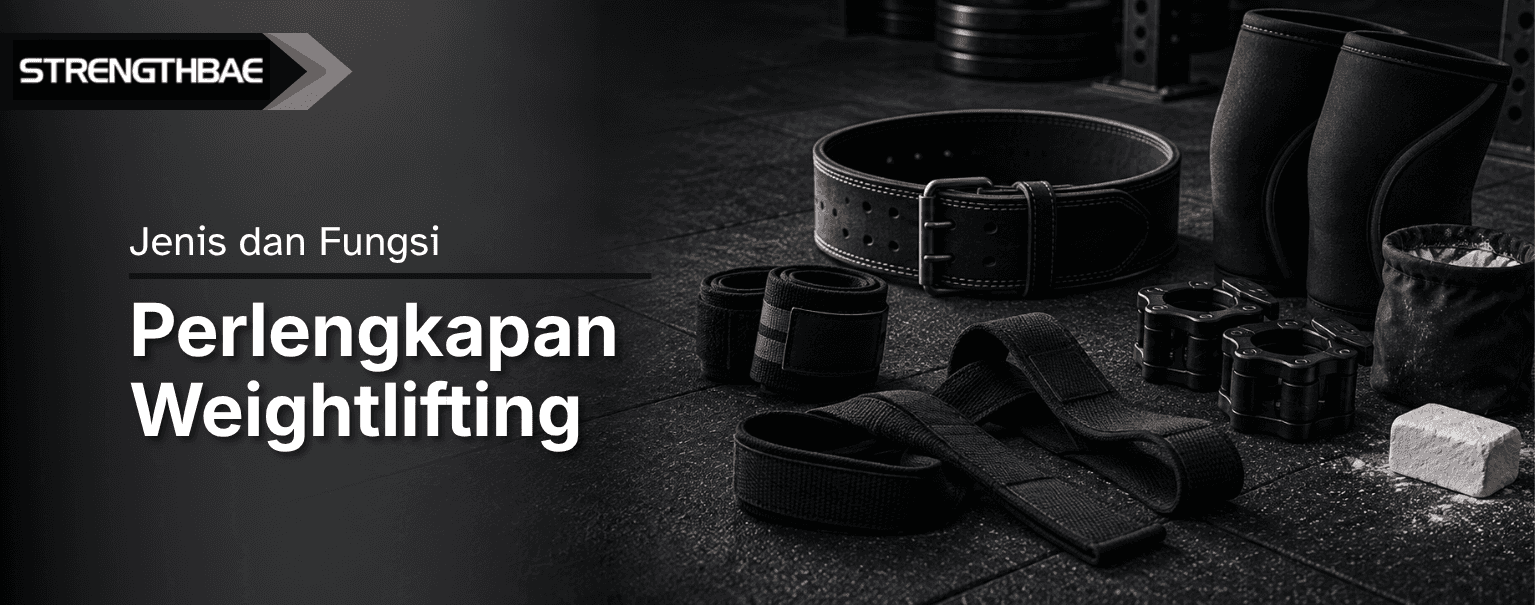
Weightlifting equipment consists of accessories that help improve grip, maintain joint stability, provide comfort, and support safety during weightlifting. Some examples include weightlifting belts, knee sleeves, wrist wraps, wrist straps, and weightlifting shoes.
These accessories do not replace proper technique, warm-up, or gradual load progression. Each accessory has a different function, so its use should be adjusted to individual needs and the type of training, whether in a home gym or commercial gym.
Tips for Choosing Weightlifting Equipment
Choosing the right weightlifting equipment should be based on your training needs rather than simply following professional athlete trends. Using accessories with the wrong size or type can actually make training less comfortable or restrict movement.
Several things to consider before choosing weightlifting equipment:
Match it to your type of training: Choose equipment based on the exercises you perform most often. Olympic Weightlifting such as snatch and clean & jerk requires different support from Powerlifting or general strength training.
Choose the right size: Make sure the size of your belt, knee sleeves, or wrist wraps matches your body size. Accessories that are too loose may reduce their support, while those that are too tight can cause discomfort and restrict movement.
Consider the material and quality: Choose equipment made from strong and durable materials, such as neoprene for sleeves, sturdy materials for belts, and strong stitching for wrist straps.
Do not just follow appearance: Not every accessory is necessary for every lifter. Use weightlifting equipment according to your training needs and the amount of weight you use.
Always prioritize technique and recovery: Accessories only function as training aids. Proper technique, gradual load progression, physical strength, adequate rest, and safety remain the main foundations of weightlifting training.
Choosing Weightlifting Equipment According to Training Type
Each type of weightlifting places different demands on the body. Therefore, weightlifting equipment should be selected according to the type of training and individual needs, so you do not have to purchase every accessory at once.
For Olympic Weightlifting
Olympic Weightlifting requires fast and explosive movements, as well as good mobility when performing squats and receiving the barbell. Some weightlifting equipment that can be used includes:
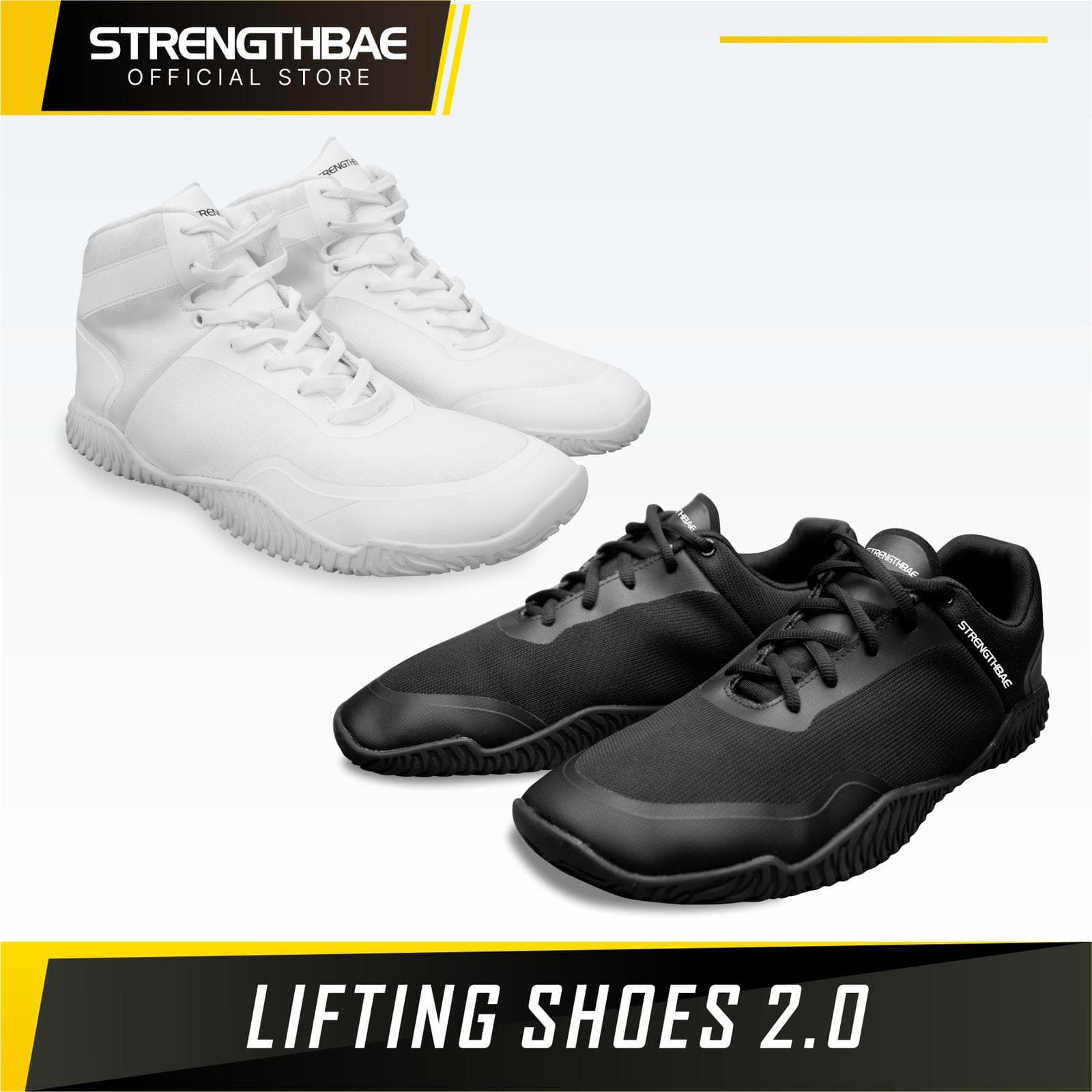
Weightlifting Shoes: Stiff soles with heel elevation help provide a stable base and support the squat position when performing snatch or clean.
Knee Sleeves: Provide compression and help keep the knees warm during squats.
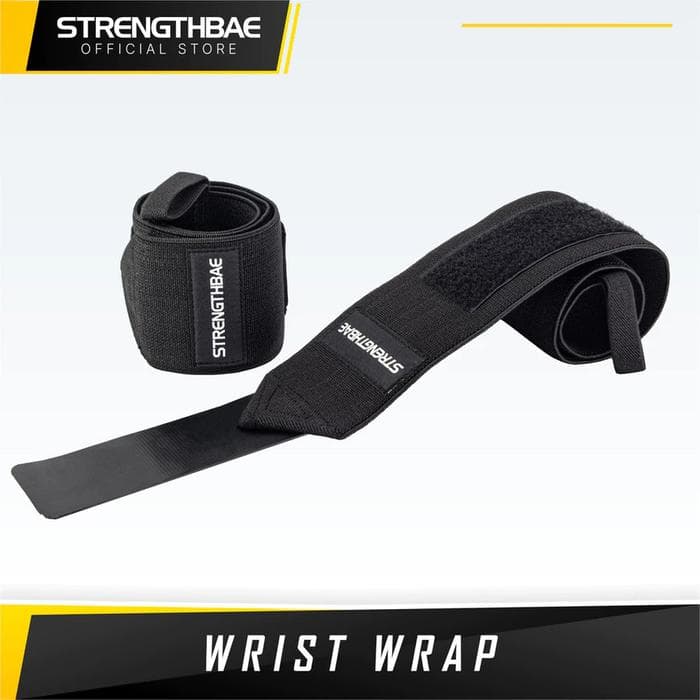
Wrist Wraps: Help provide additional support for the wrists during overhead or front rack positions.
Weightlifting Socks: Long socks help protect the shins from friction with the barbell during pulls.
Chalk: Helps reduce moisture on the palms so grip remains strong, especially when using a hook grip.
Weightlifting Belt: Can be used during heavy lifts to help with bracing and maintain body stability.
For Strength Training
Strength training such as Powerlifting focuses more on squat, bench press, and deadlift movements with heavy loads. Commonly used weightlifting equipment includes:
Weightlifting Belt: Helps improve bracing and maintain body stability when performing heavy squats or deadlifts.
Wrist Wraps: Help support the wrists during bench press and overhead press.
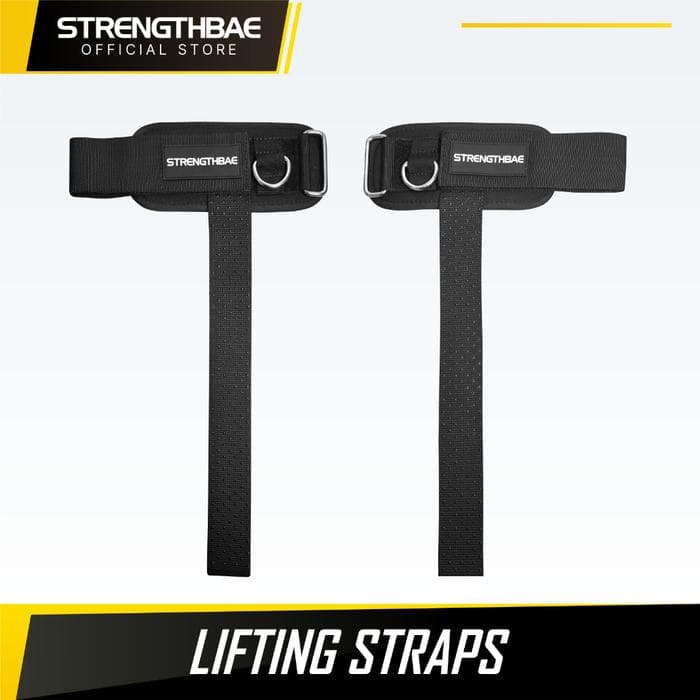
Wrist Straps: Help maintain grip when performing deadlifts, barbell rows, or shrugs with heavy loads when grip strength starts to become the limiting factor.
Knee Sleeves: Provide compression and help keep the knees warm during lower-body training.
Chalk: Helps keep the palms dry so grip does not become slippery easily.
For Beginners
Beginners do not need to purchase all weightlifting equipment right away. Start with the equipment that is truly needed according to your type of training.
The most important things are mastering basic techniques, maintaining proper body positioning, building strength gradually, and allowing sufficient recovery time. As your training becomes more consistent and the loads begin to increase, you can add accessories according to your needs.
Read Also: Weightlifting vs Weight Training: What's the Difference?
Comparison of Weightlifting Accessories
The following comparison table summarizes the main function, relevant types of training, and recommended usage timing for each type of weightlifting accessory:
Accessory Type | Main Function | Relevant Training | When Should It Be Used? |
Weightlifting Belt | Increase intra-abdominal pressure & torso stability | Heavy Squat, Deadlift, Clean, Overhead Press | When lifting heavy loads approaching ≥80% 1RM. |
Knee Sleeves | Provide compression & warmth to the knee joint | Squat, Snatch, Clean, Leg Press, Lunge | During lower-body training sessions to keep the joints warm. |
Elbow Sleeves | Compression & warmth for the elbow joint | Bench Press, Overhead Press, Push Press, Clean | When performing pressing movements or heavy upper-body loads. |
Wrist Wrap | Stabilize the wrist in an extended position | Heavy Bench Press, Overhead Press, Front Squat | When the wrist is under direct pressing load. |
Wrist Strap | Grip assistance when the hands become fatigued | Heavy Deadlift, Barbell Row, Shrug, Lat Pulldown | When grip strength becomes the limiting factor during heavy pulling movements. |
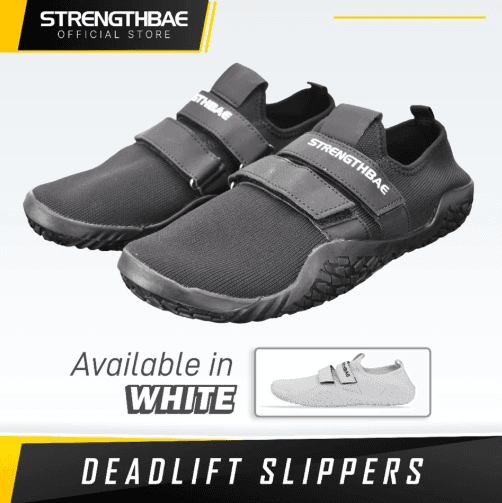
Weightlifting Shoes | Stiff sole & elevated heel for squat stability | Olympic Weightlifting, Deep Squat, Front Squat | When you need a stable, rigid heel and additional ankle mobility support. |
Weightlifting Socks | Protect the shins from friction with barbell knurling | Deadlift, Clean Pull, Snatch Pull | Whenever performing barbell pulling movements with the bar traveling close to the legs. |
Weightlifting Clothes | Maintain freedom of movement & comfort while managing sweat | All types of strength training & Olympic lifting | Every time you train at home or in a commercial gym. |
Weightlifting Bag | Compartmentalized storage for carrying all equipment | Daily gym equipment management | When organizing and carrying training equipment to a fitness facility. |
Chalk | Absorb moisture from the palms & increase friction | Deadlift, Pull-up, Snatch, Clean, Heavy Press | When your palms become slippery from sweat while gripping a barbell. |
Smelling Salt | Brief nervous system stimulation for mental focus | Max Effort Lift, Powerlifting Competition PR | Immediately before attempting a maximal lift for experienced lifters. |
FAQ
Do beginners need to use a weightlifting belt?
Beginners are not required to use a weightlifting belt. It is better to first master basic technique, breathing, and bracing with light to moderate loads. A belt can be used when you start lifting heavier loads and need additional stability.
What is the difference between a wrist wrap and a wrist strap?
A wrist wrap is used to help stabilize the wrist during exercises such as bench press and overhead press. A wrist strap, meanwhile, is used to assist grip during pulling exercises such as deadlifts and barbell rows.
Why are weightlifting shoes important?
Weightlifting shoes have stiff soles and an elevated heel. This design helps provide a stable base and can help maintain a more upright body position during squats.
When should you use chalk?
Use chalk when your palms begin to sweat and feel slippery while gripping a barbell or pull-up bar. Chalk helps keep your hands dry so your grip remains stronger.
Is smelling salt necessary?
No. Smelling salt is not essential equipment for everyday training. It is typically used by some experienced lifters before performing very heavy lifts to help increase alertness and focus.
Complete Your Weightlifting Equipment with Strengthbae
Weightlifting equipment is more than just a training accessory. Each type of accessory has a different function, such as helping with grip, providing joint support, improving stability, and making training more comfortable. Therefore, choose weightlifting equipment according to your training type and individual needs.
With the right equipment, training at home or in a commercial gym can be more comfortable and effective. If you are still unsure about choosing accessories, barbells, or equipment suitable for your home gym or commercial gym, the Strengthbae team is ready to help provide recommendations based on your training needs. Contact us now for a free consultation.
Strengthbae is a professional gym equipment brand that provides solutions for commercial gym businesses and home gyms. From racks and All in One Trainers to functional training accessories such as Hyrox-standard sandbags, everything is available at Strengthbae.