What Is a Power Rack: Different Forms and Types
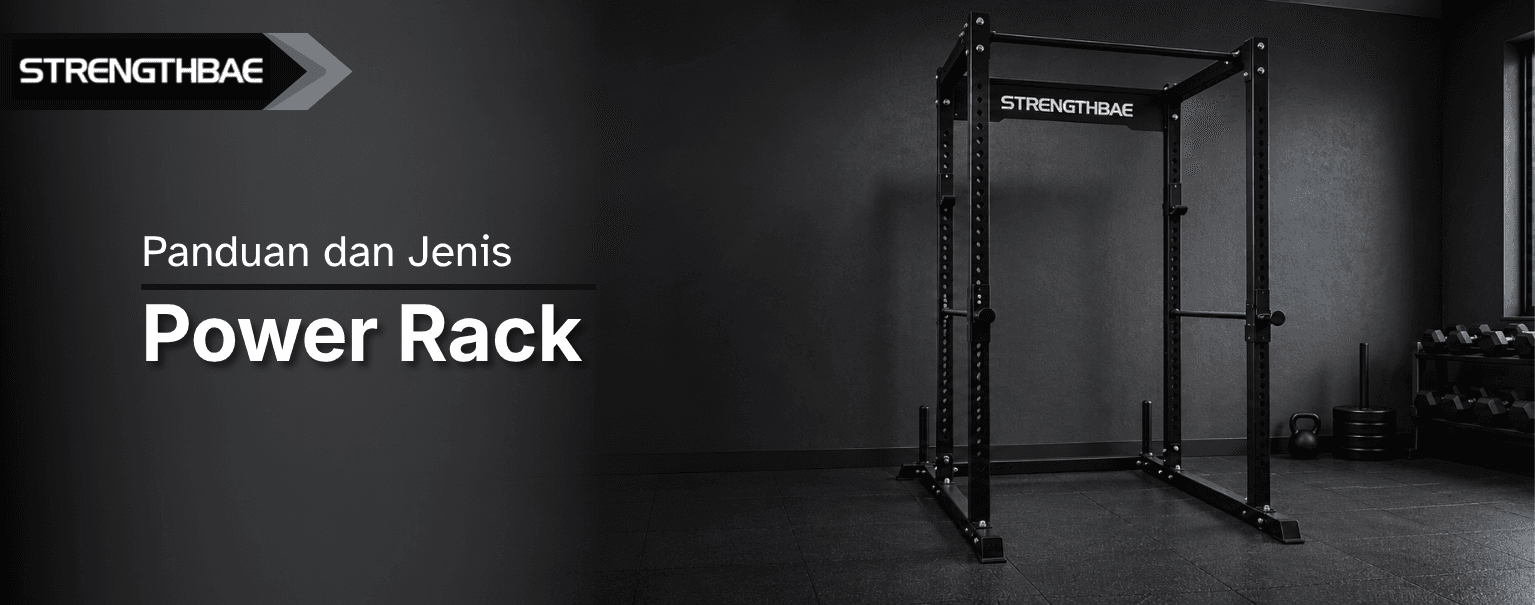
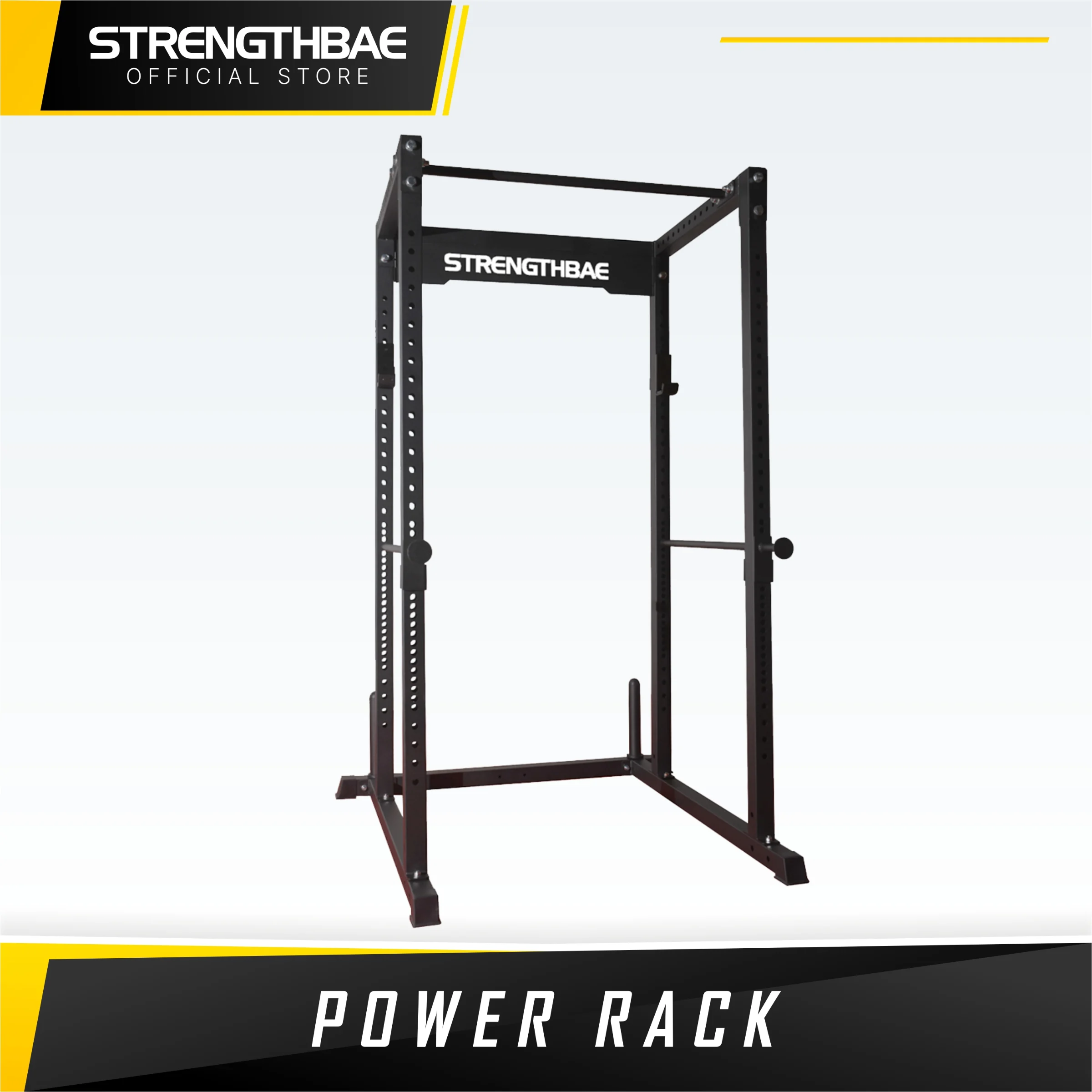
A power rack or power cage is a strength training equipment consisting of a steel frame with several upright posts connected by horizontal bars. It is used for free-weight exercises such as squats, bench presses, overhead presses, and pull-ups with greater safety, even when training alone.
Power racks are equipped with safety features such as safety bars, pins, or straps that can be adjusted in height. These safety systems help catch the barbell if you fail to complete a repetition.
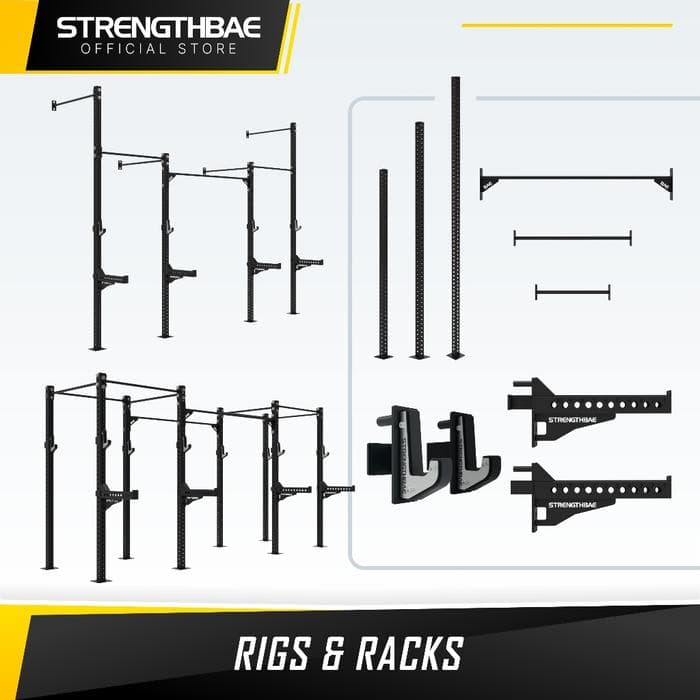
Power racks are available in various forms, such as full power racks, half racks, folding racks, and wall-mounted racks. Each type has different dimensions, levels of stability, and attachment options, allowing them to be adapted to your available space and training needs.
What Is a Power Rack?
Power Power racks have four steel upright posts connected by horizontal bars, forming a sturdy structure to support the barbell. The posts feature adjustment holes for installing J-Hooks to hold the barbell and safety systems at the appropriate height for different movements.
This structure allows various compound barbell exercises such as squats, bench presses, overhead presses, and rack pulls to be performed more safely. Safety bars, pins, or straps help catch the barbell in the event of a failed rep, allowing users to train independently and gradually increase their loads.
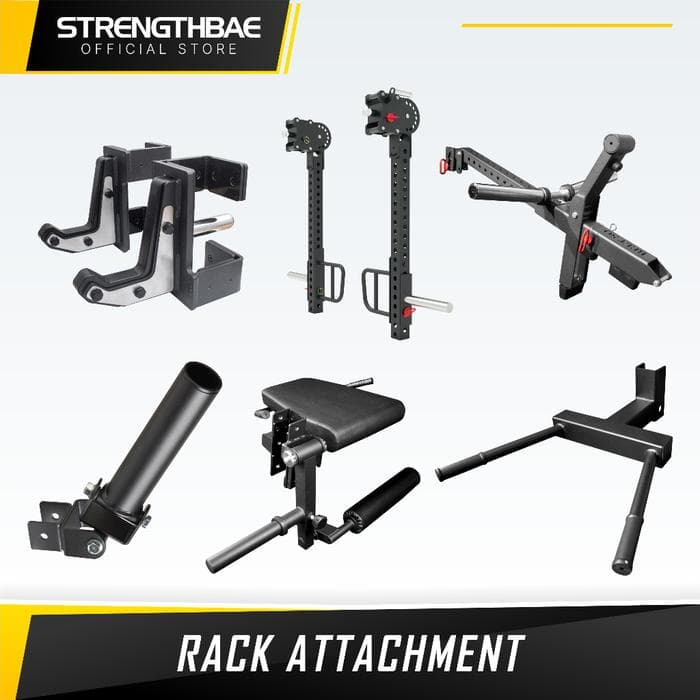
In addition to serving as a training station, a power rack can be expanded with various attachments such as pull-up bars, dip stations, landmines, and cable pulley systems. With these additions, a single rack can be used for a wider variety of exercises.
Forms and Components of a Power Rack
A power rack consists of several main components that work together to create a sturdy and safe structure when used with heavy loads.
Upright Post
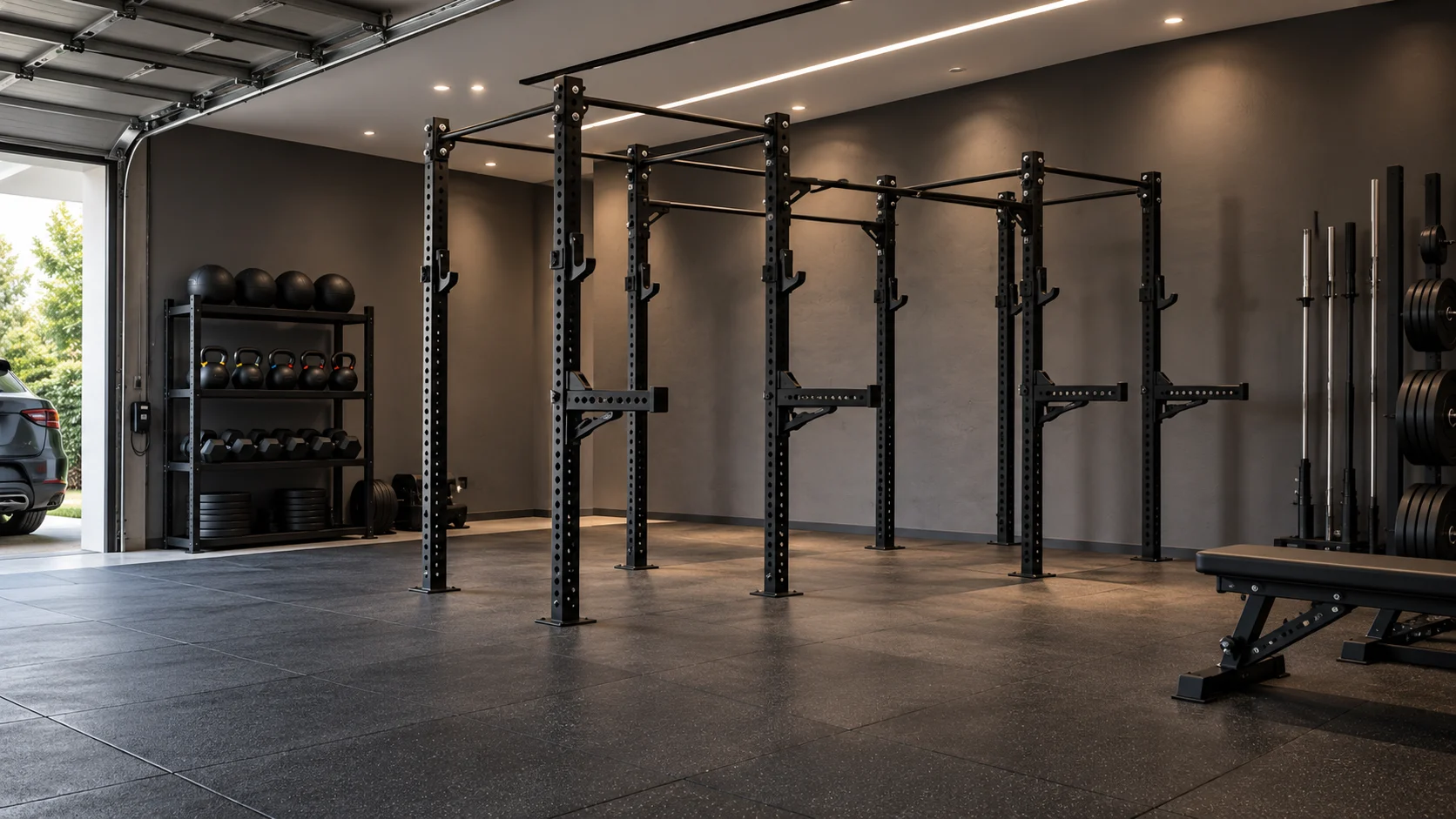
The upright post is the main vertical support of the power rack. It is typically made from thick steel tubing, such as 11-gauge steel with a thickness of approximately 3 mm and tubing dimensions of 3×3 inches (75×75 mm) or 2×3 inches. These posts feature multiple holes for installing J-Hooks, safety systems, and various attachments. The spacing between the holes determines how easily the components can be adjusted.
Crossmember
The crossmember is a horizontal bar that connects the upright posts at the top and bottom of the rack. This component helps make the rack more rigid and reduces movement during use. Depending on the rack design, crossmembers can also serve as mounting points for pull-up bars, cable systems, or plate storage.
J-Hook
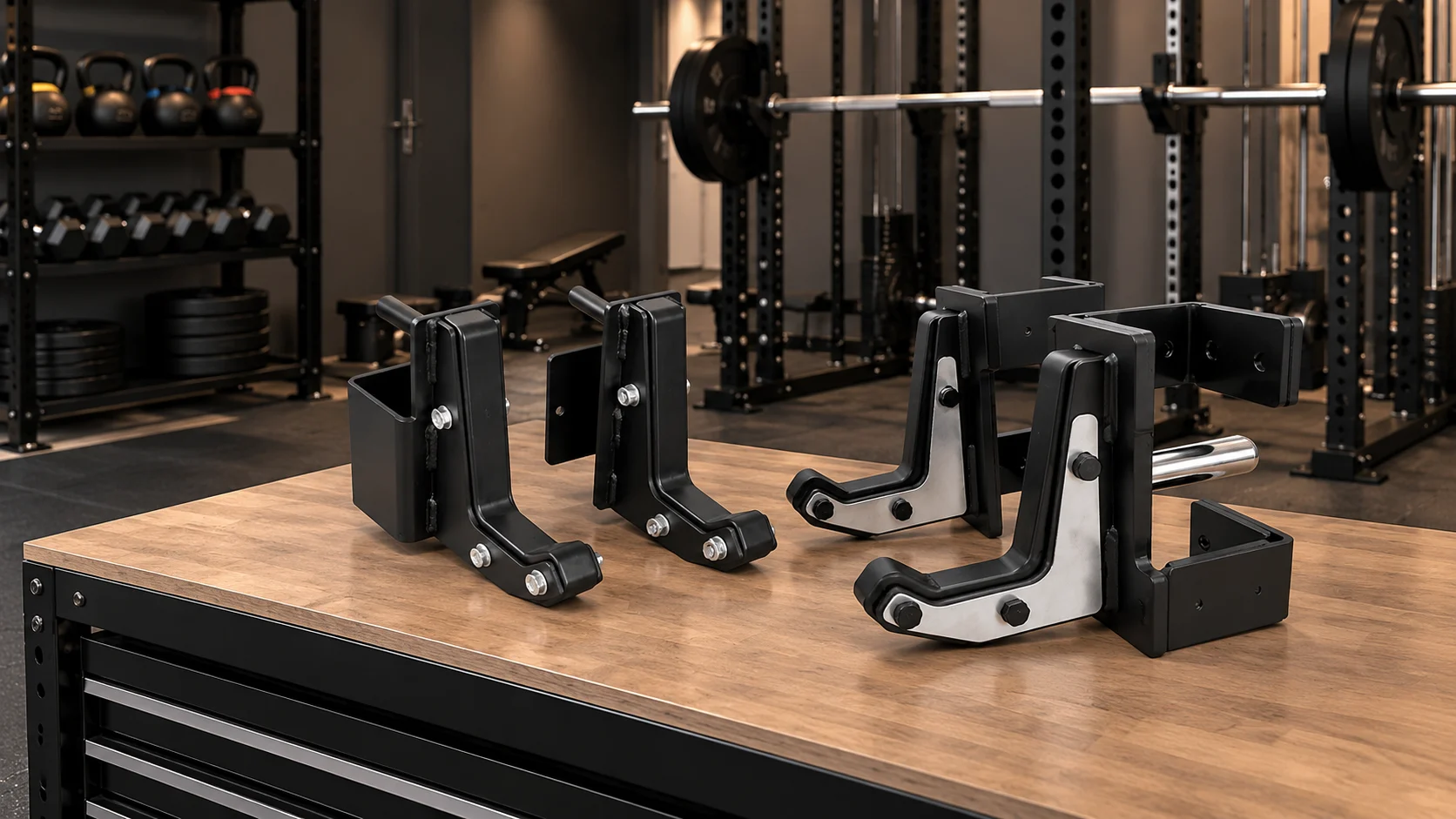
A J-Hook is a J-shaped support used to hold the barbell. Its height can be adjusted according to the exercise and the user's height. A good J-Hook typically features a protective layer such as UHMW plastic to help reduce scratches on the barbell.
Safety System
The safety system helps catch the barbell if the user fails to complete a repetition, especially during squats or bench presses. Types can include safety pins, safety bars, spotter arms, or safety straps. The height should be adjusted slightly below the lowest position of the movement so the system can work effectively when needed.
Pull-Up Bar
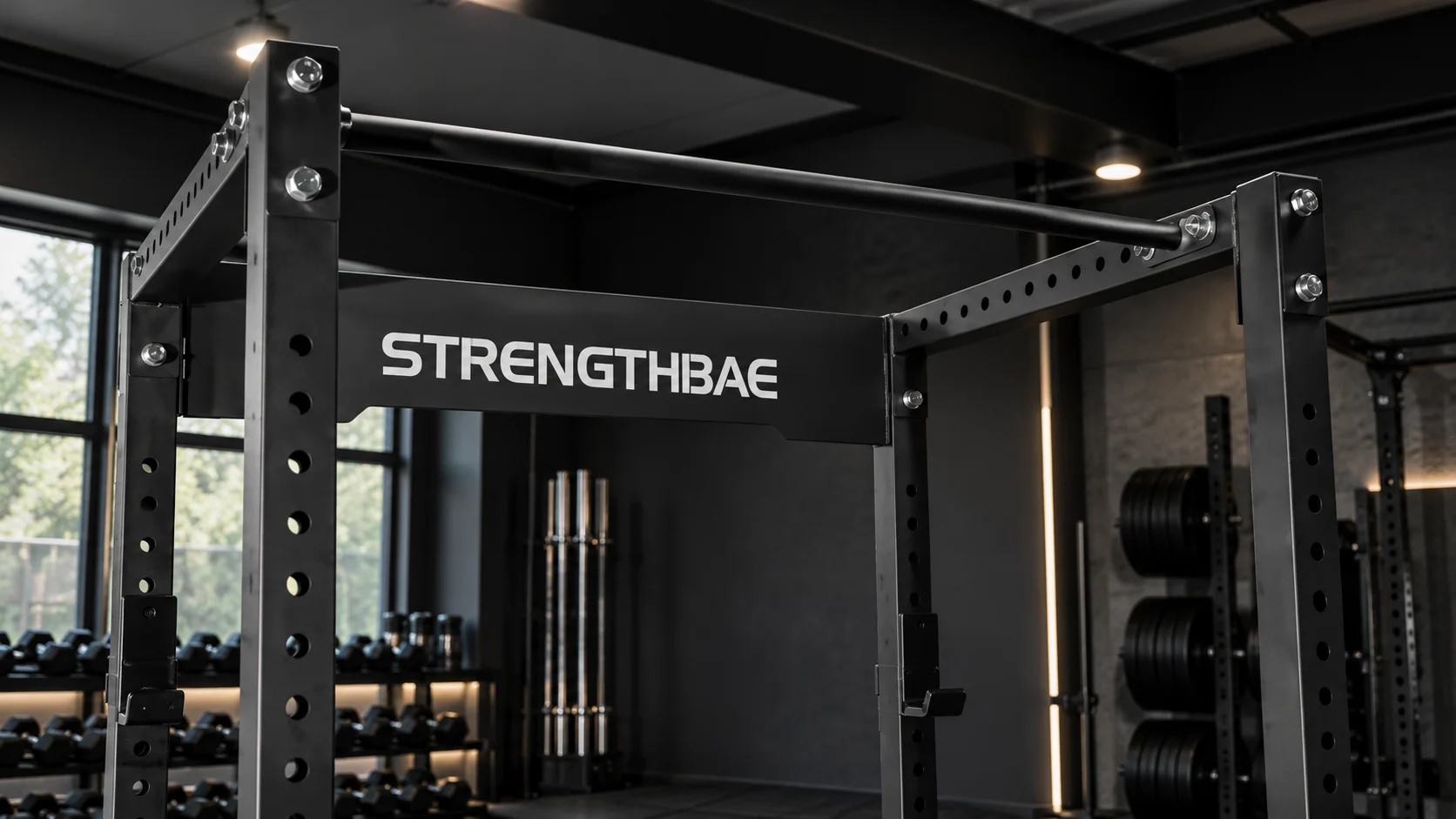
A pull-up bar is usually installed at the top of the power rack and can be used for pull-ups, chin-ups, or hanging leg raises. Its design may include a straight bar, fat bar, skinny bar, or multi-grip bar, depending on the rack design.
Read More: Strengthbae Power Racks
Types of Power Racks Based on Design
Power racks can be categorized based on their design and installation method. Four commonly used types are:
Full Power Rack
A full power rack features a complete cage structure with four or six upright posts. Training is performed inside the rack and it is equipped with a safety system to catch the barbell in the event of a failed rep. A 6-post model typically includes plate storage at the rear, which can also help improve rack stability. This type offers the highest level of stability and is suitable for heavy loads, but requires more space.
Half Rack
A half rack has a more open design with front uprights for training and rear uprights that are typically used for plate storage. Users train outside the rack with the help of safety spotter arms. Its more compact design provides easier access to the training area from different sides.
Folding Rack
A folding rack uses hinges on wall brackets, allowing the rack to be folded closer to the wall after use. This type is highly suitable for home gyms with limited space because it can save floor space. Installation requires a strong wall or supporting structure.
Wall-Mounted Rack
A wall-mounted rack is installed directly and permanently onto a wall. Because it does not require rear uprights on the floor, this type saves significant space while still providing a stable structure for strength training.
Comparison | Full Power Rack | Half Rack | Squat Rack / Folding |
Safety System | Very Comprehensive (inside a fully enclosed cage) | Comprehensive (spotter arms outside the cage) | Limited / Minimal (short spotter arms) |
Footprint | Large (requires a full floor area) | Medium (saves space at the front) | Very Compact (easy to move) |
Training Access | Inside the cage | Outside the cage (open front) | Highly open from all sides |
Stability Level | Maximum (4/6 connected uprights) | High (2 main uprights + 2 storage uprights) | Medium to Low (depending on the load) |
Attachment Flexibility | Very Extensive (cable, dip, landmine, storage) | Extensive (plate storage, dip, landmine) | Very Limited (J-Hooks & basic safety system) |
Space Requirements | Dedicated Room / Large Garage Gym | Medium-Sized Room / Garage | Limited Room / Small Home Gym |
Types of Power Racks Based on Usage System
In addition to their form, power racks can also be categorized based on their usage flexibility.
Standalone Power Rack
A standalone power rack is an independent rack designed for basic barbell exercises such as squats, bench presses, and overhead presses. This type is suitable for users who want a simple strength training setup.
Modular or Attachment-Compatible Rack
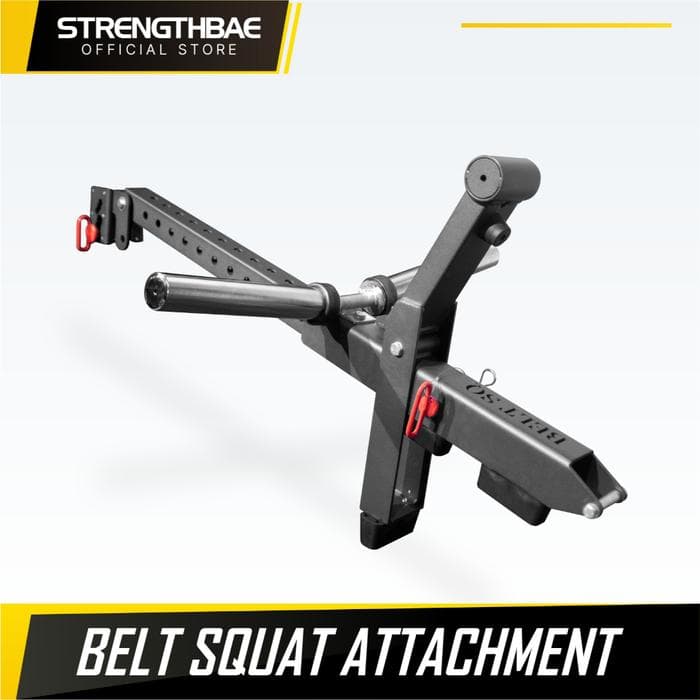
A modular rack is designed to accommodate various attachments according to the user's needs. Users can add dip bars, landmines, T-bar rows, step attachments, and cable pulleys to expand exercise options, or transform the rack into a versatile gym machine such as an All in One Trainer.
Read More: Build Your Home Gym Step by Step with a Modular All in One Trainer
Exercises You Can Do with a Power Rack
A power rack can be used for various strength exercises with the help of adjustable J-Hooks and safety systems.
Squat
Adjust the J-Hooks according to your height to place the barbell at a comfortable position. Set the safety bars slightly below the deepest squat position to help catch the barbell if you fail to complete a repetition. A power rack can be used for back squats, front squats, and Bulgarian split squats.
Bench Press
Place an adjustable bench inside the rack, then adjust the J-Hooks according to your body position. Set the safety system slightly above chest level to help catch the barbell if you fail to complete a repetition. It can be used for flat, incline, and decline bench presses.
Overhead Press
Place the barbell on the J-Hooks at shoulder height so it can be easily lifted into the starting position. Make sure there is enough clearance between the barbell and the ceiling when performing an overhead press.
Rack Pull
Set the safety pins or spotter arms at approximately knee height to create the starting point for the barbell. Rack pulls can help train the back, hips, and hamstrings with a shorter range of motion than a conventional deadlift.
Pull-Up
Use the pull-up bar installed at the top of the rack to perform pull-ups, chin-ups, or weighted pull-ups with additional weight.
Tips for Choosing the Right Power Rack for a Commercial Gym
For a commercial gym, choose a power rack that can be used by many people with different experience levels and body sizes. Components such as J-Hooks and the safety system should be easy to adjust so users can switch quickly without disrupting the training flow.
Pay attention to the durability of frequently used components, such as J-Hooks, safety bars, bolts, and parts that experience friction. Strong materials and construction will help the power rack continue to function properly even when used repeatedly every day.
Ease of maintenance is also an important consideration. Choose a power rack with components that are easy to inspect, clean, and replace if they become worn. The availability of spare parts can help reduce equipment downtime.
For facilities with multiple power racks, consider using matching units so users and staff can more easily understand how to operate them. A consistent design also makes it easier to manage and maintain the entire strength training area.
Lastly, consider after-sales service and an official warranty. For commercial gyms with high usage, responsive technical support can help keep equipment ready for use and reduce operational disruptions.
Tips for Choosing a Power Rack for a Home Gym
A power rack can become the center of a home gym because it can be used for various barbell exercises and expanded with attachments. To avoid choosing the wrong rack, consider the following points.
Choose a power rack that suits your training program. Consider the exercises you perform most often, such as squats, bench presses, overhead presses, or pull-ups, so the available features match your actual needs.
Also consider how easy it is to adjust the J-Hooks and other components. A power rack that is easy to install, remove, and adjust will make changing positions during home workouts more practical.
Make sure the power rack's installation method is suitable for your home. Some power racks require bolting to the floor or wall to remain stable, so the type of surface and supporting structure where it will be installed should be considered.
Finishing quality is also important for long-term use. Good finishing can help protect the rack surface from scratches, sweat, and regular use at home.
Lastly, consider the official warranty and availability of replacement components. This will make maintenance easier and provide protection if problems occur with the power rack in the future.
FAQ
Is a power rack safe to use when training alone at home?
Yes. A power rack can be used for solo training because it is equipped with safety bars, pins, or straps that help catch the barbell if you fail to complete a repetition, especially during squats and bench presses.
What is the difference between a power rack, half rack, and squat rack?
A power rack has a cage-like structure with multiple uprights and a training area inside. A half rack has a more open design with safety arms, while a squat rack has a simpler structure and is primarily used to support the barbell.
How much space and ceiling height are required?
As a general reference, an area of approximately 2.5 × 3 meters with a minimum ceiling height of 220 cm can be a starting point. However, the required space still depends on the power rack dimensions, barbell length, and available movement space.
Can all attachments from different brands be installed?
Not always. Compatibility depends on the tubing dimensions, hole diameter, and hole spacing of the power rack. Check the specifications of both the rack and attachment before purchasing additional attachments.
Is a power rack suitable for both home gyms and commercial gyms?
Yes. Power racks can be used for both. Choose the construction and features based on usage intensity, number of users, and types of exercises being performed.
Choose the Best Power Rack with Strengthbae
Choosing the right power rack helps create a safe, sturdy, and comfortable training area for long-term use. Match your choice to the room conditions, training needs, construction quality, and features you actually require.
If you are still unsure about choosing the right type and specifications of power rack, the Strengthbae team is ready to help with power rack selection, adapting the rack to your available space, and planning your home gym or commercial gym setup. You can also consult us about supporting equipment such as barbells, weight plates, benches, and rack attachments so that all your equipment can be used optimally.
Strengthbae is a professional gym equipment brand providing solutions for commercial gym businesses and home gyms. From racks and All in One Trainers to functional training accessories for hybrid race, everything is available at Strengthbae.