What Is a Smith Machine? Functions, How It Works, and Uses
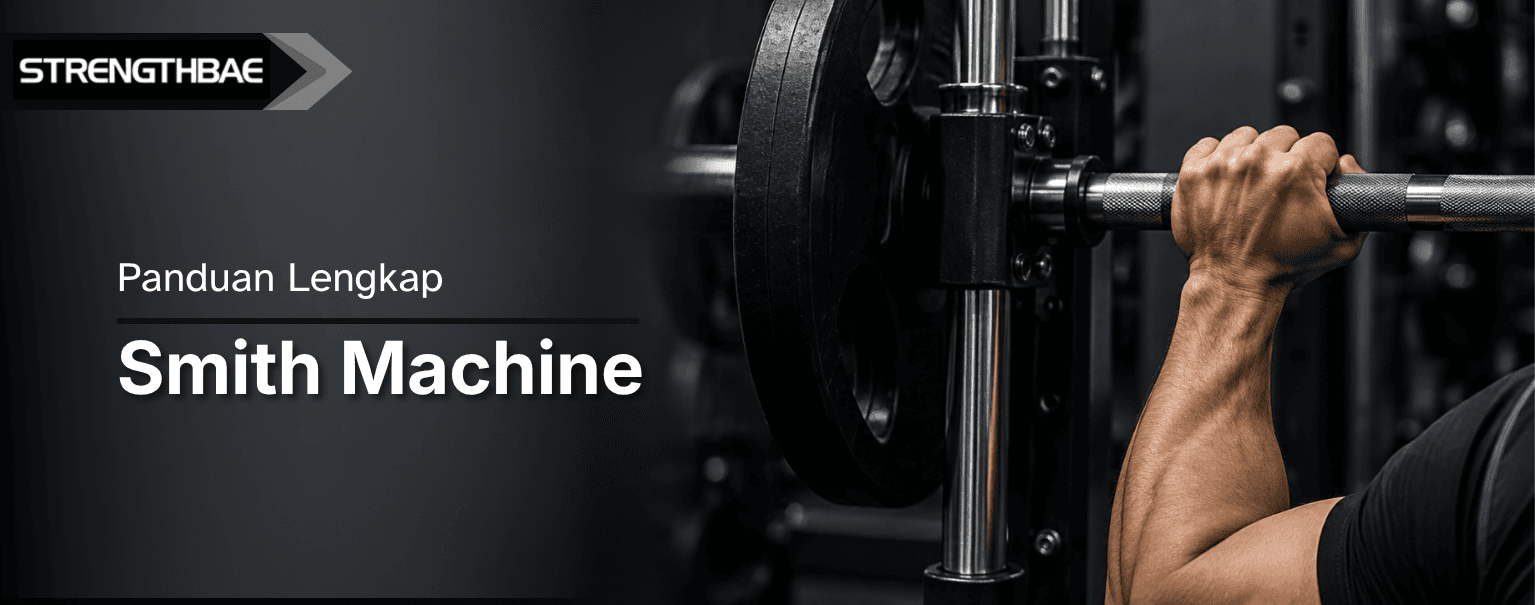
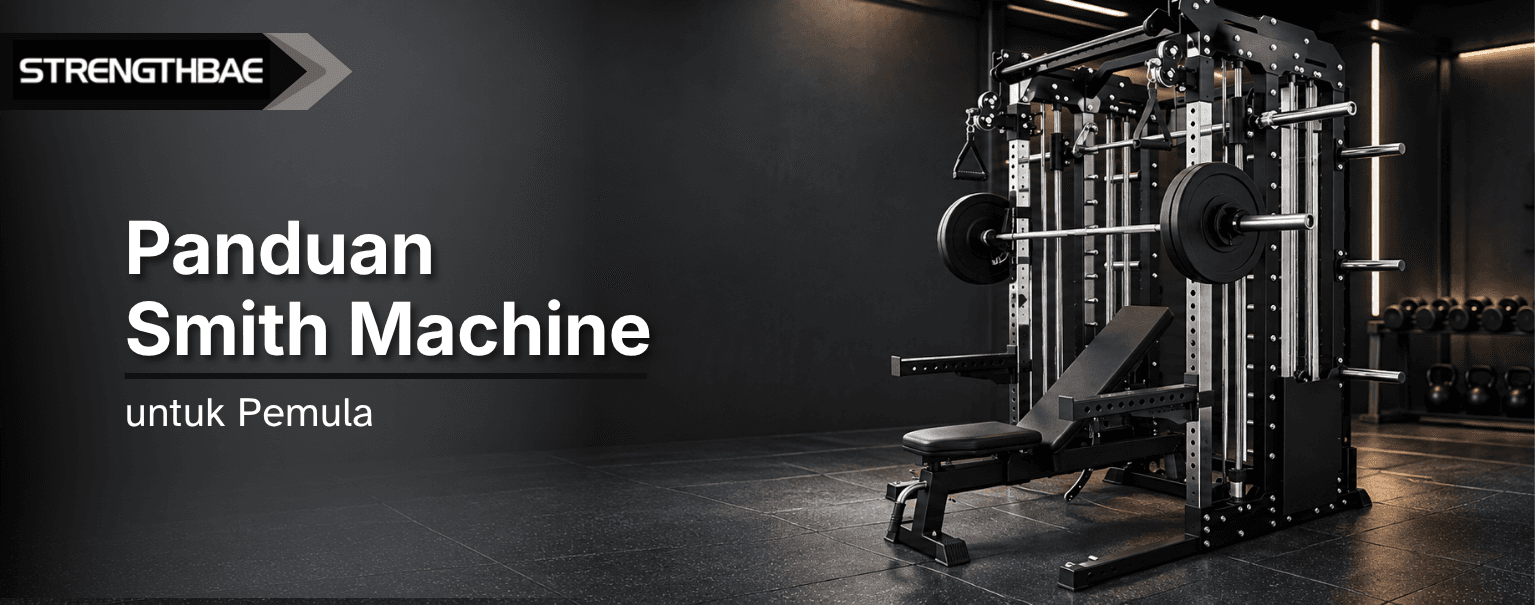
Smith Machine is a strength training equipment with a barbell that moves up and down along guide rails. This guided path makes the bar movement more controlled and reduces the need for the body to maintain side-to-side balance.
Smith Machine is equipped with hooks and safety stoppers that can hold the bar when needed. These features allow users to perform exercises such as squats, bench presses, and shoulder presses more independently, including when using heavy weights without the assistance of a spotter.
This article covers the parts of a Smith Machine, how it works, its safety system, counterbalance, various exercises that can be performed, how it differs from a free barbell, and tips for choosing a Smith Machine for a home gym or commercial gym.
What Is a Smith Machine?
Smith Machine is gym equipment for weight training that uses a barbell moving along two guide rails. These rails keep the bar moving along a predetermined path, so users do not need to maintain as much balance forward, backward, or sideways as they would with a free barbell.
In general, a Smith Machine has a sturdy steel frame and several main components that support training and safety. These components include:
Smith Bar is the bar where weight plates are loaded and is directly connected to the rail system.
Guide Rail is the rail that guides the bar's movement up and down.
Hook or Bar Lock is used to lock the bar at a specific position by rotating the bar so the hooks engage with the pegs on the frame.
Safety Stopper acts as an adjustable safety limit to catch the bar if the user cannot complete the movement.
Loading Sleeve is the end section of the bar, approximately 5 cm in diameter, used to load standard Olympic weight plates.
Counterbalance System is a balancing system found on some Smith Machine models that makes the initial bar weight feel lighter.
Smith Machine designs can vary between models. Some use vertical 90-degree rails, while others use slightly angled rails, such as around 7–12 degrees. Differences in rail design, frame construction, and additional features can affect the feel of the movement and how the body works while using this gym equipment. Therefore, it is important to understand more about this equipment.
How Does a Smith Machine Work?
A Smith Machine works by guiding the bar up and down along the guide rails using a linear bearing or bushing system. Because the bar follows a fixed path, the body does not need to maintain as much balance forward, backward, or sideways as it does when using a free barbell.
There are two common types of guide rails used in Smith Machines.
Vertical Rail: The rails stand vertically at 90° to the floor, allowing the bar to move straight up and down. This design can be used for exercises such as shoulder presses, calf raises, and shrugs.
Angled Rail: The rails are slightly inclined, usually around 7–12°. This design means the bar does not move completely vertically and can provide a different movement feel during exercises such as squats or bench presses.
With a Smith Machine that uses angled rails, body position and bench orientation can affect how the load feels on the muscles. Although the bar moves along the rails, it can still be rotated to engage or disengage the locking hooks from the pegs along the rails.
Benefits of a Smith Machine
The guided bar path makes movements easier to control and allows users to focus more on the exercise.
Equipped with hooks and safety stoppers to help provide safety during training.
Requires less stabilization because the bar follows the machine's rails.
Can be used for upper-body and lower-body exercises such as squats, bench presses, calf raises, and hip thrusts.
Makes it easier to train independently with heavy weights because the bar can be locked at several positions, as long as the safety mechanism is set correctly.
Before starting a workout, beginners should learn how to lock and release the hooks, adjust the safety stoppers, and find a comfortable body position according to the Smith Machine's design.
Locking and Safety Systems on a Smith Machine
The two main safety systems on a Smith Machine that users need to understand are the locking hooks and safety stoppers.
Hook or Bar Lock
The hook locks the bar onto the pegs along the guide rails. To release or lock the hook, the bar usually needs to be rotated according to the machine's mechanism. Make sure both hooks are properly engaged with the pegs before releasing the bar.
Safety Stopper
The safety stopper limits how low the bar can travel. Before training, set the stopper slightly below the lowest position you intend to reach. This way, if you fail to complete a repetition, the bar can be caught by the stopper and help prevent the load from pressing against your body. Always adjust the stopper according to the exercise and the Smith Machine design being used.
Counterbalance on a Smith Machine
Some Smith Machines are equipped with a counterbalance system to make the initial bar weight feel lighter. This system uses weights or a cable mechanism inside the machine to help balance the weight of the bar.
For example, a bar that physically weighs 20 kg may feel lighter when used without weight plates because of the counterbalance system. However, the perceived starting weight can vary between Smith Machines, such as 5 kg, 7.5 kg, or 10 kg.
Counterbalanced models typically feel around 2.5–10 kg because the bar weight is assisted by an internal counterweight system. Non-counterbalanced models typically feel around 12–20 kg or more, depending on the actual bar weight and machine mechanism.
Physically, a counterbalanced Smith Machine usually has cables, pulleys, or additional weights that help reduce the bar's effective weight, although the system may be concealed inside the frame.
Meanwhile, non-counterbalanced models generally do not have a balancing mechanism, so the bar feels heavier when used without weight plates. However, physical appearance alone is not always enough to determine this, so it is best to check the manufacturer's specifications or the bar's starting weight.
Read Also: Smith Machine Counterbalance vs Non-Counterbalance
How to Use a Smith Machine
If you are using a Smith Machine for the first time, do not immediately add heavy weight. First, learn how the bar moves, how to lock and release the hooks, and where to position the safety stoppers so you understand how the machine works before starting your workout.
Stand in front of the Smith Machine and check the condition of the bar, guide rails, hooks, and safety stoppers.
Adjust the bar height according to the exercise you are going to perform. Make sure the bar is easy to reach without having to stand on your toes or bend over excessively.
Set the safety stoppers slightly below the lowest position of the movement you will perform.
Grip the bar with both hands, then rotate the bar according to the machine's locking mechanism to release the hooks from the pegs.
Try moving the bar up and down without weight to familiarize yourself with its movement path and make sure it moves smoothly.
Once you understand the movement, add a light weight and perform several repetitions with controlled movements.
After finishing, rotate the bar back until the hooks lock onto the pegs. Make sure both sides are locked before releasing your hands.
Once you understand how the machine works, you can start using the Smith Machine for various exercises such as squats, bench presses, shoulder presses, rows, and other exercises according to your training program.
For beginners who are just starting strength training, a Smith Machine can help them learn basic movements such as squats, presses, and rows more easily. The guided bar path makes movements more stable, allowing beginners to focus more on technique and muscle engagement.
Several things beginners should pay attention to when using a Smith Machine:
Start with an empty bar to familiarize yourself with the movement path and how the machine works.
Learn how to lock and release the hooks before adding weight plates.
Always set the safety stoppers to the appropriate position before training.
Focus on controlled movements and a comfortable range of motion rather than immediately using heavy weights.
Exercises You Can Do with a Smith Machine
A Smith Machine can be used for various upper-body and lower-body exercises. Some common exercises include:
Smith Machine Squat
Trains the quadriceps and glutes. Place the bar across your upper back, position your feet about shoulder-width apart, then lower your body in a controlled manner and push back up to a standing position.
Smith Machine Bench Press
Trains the chest, triceps, and front shoulders. Position the bench under the bar, grip the bar slightly wider than shoulder width, then lower it toward your chest and press it back up.
Smith Machine Romanian Deadlift (RDL)
Trains the hamstrings and glutes. Hold the bar in front of your thighs, push your hips back while lowering the bar close to your body, then return to a standing position.
Smith Machine Shoulder Press
Trains the shoulders and triceps. Use a bench in an upright position, press the bar overhead, then lower it back down in a controlled manner.
Smith Machine Split Squat
Trains the thighs and glutes. Place one foot forward and the other behind you, then lower your body in a controlled manner before returning to the starting position.
Smith Machine Hip Thrust
Focuses on the glutes. Place your upper back on a bench, position the bar over your hips, then drive your hips upward and lower them slowly.
Smith Machine Calf Raise
Trains the calf muscles. Place the balls of your feet on a platform, then raise your heels as high as possible and lower them slowly.
Smith Machine for Home Gyms
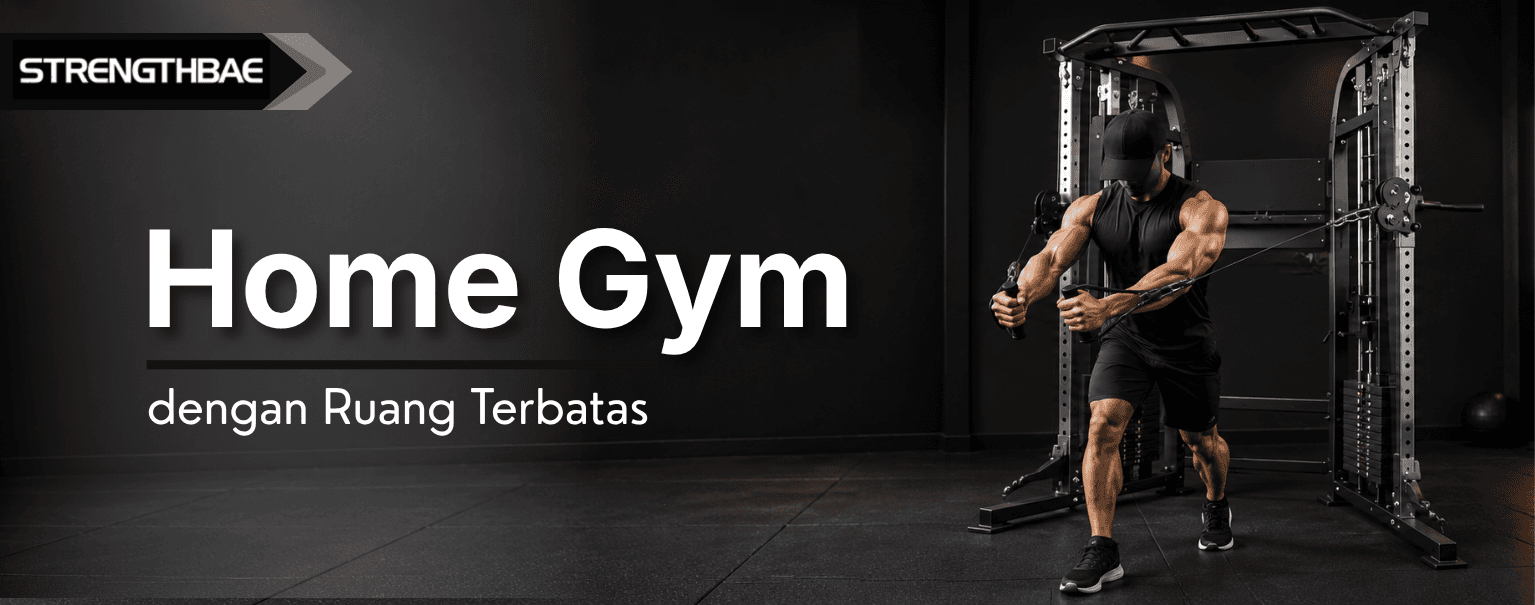
Having a Smith Machine in your home gym allows you to perform various strength training exercises independently without always needing a spotter. In addition, one machine can combine several training functions, making it a more space-efficient option.
Before buying a Smith Machine for your home gym, consider the following:
Machine Size and Space: Check the machine's length, width, and height. Make sure there is still enough open space on the right and left sides, around 50 cm or according to the machine's requirements, to make it easier to load weight plates and move around the equipment.
Ceiling Height: Make sure the ceiling is high enough for the machine. Smith Machines are generally around 210–225 cm tall, so a room with a ceiling around 240 cm or higher will provide more comfortable clearance.
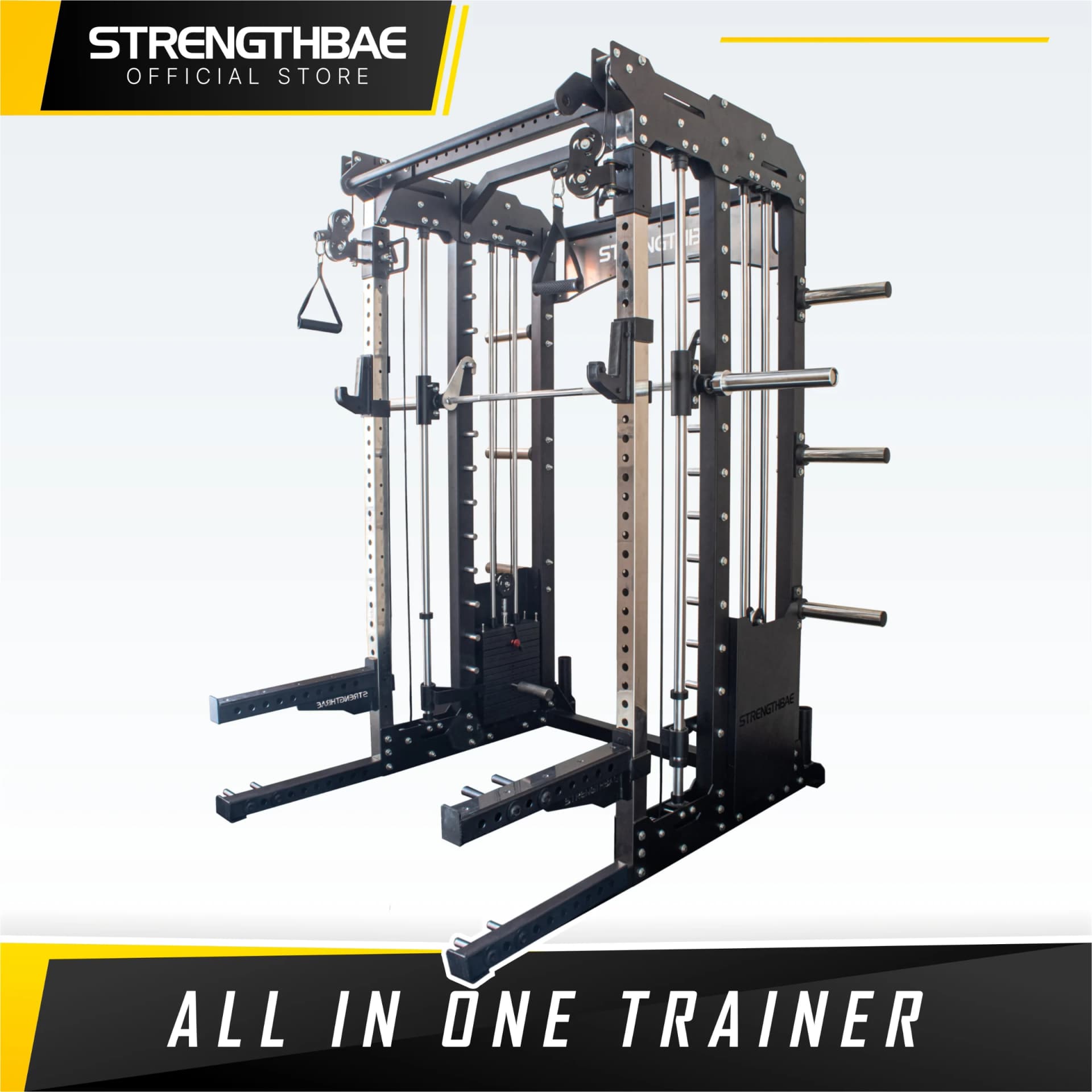
Multifunctional Features: If space is limited, consider a Smith Machine that also includes a Power Rack, Cable Crossover, Pull-Up Bar, and Lat Pulldown, such as the All in One Trainer. One unit can be used for more exercises without requiring multiple separate pieces of equipment.
Read More: Evolve All in One Trainer Strengthbae
FAQ
Is a Smith Machine safer than a free barbell?
A Smith Machine provides additional safety features such as locking hooks and safety stoppers that help control the load. However, safety still depends on properly setting the stoppers, using proper technique, and choosing a weight that matches your physical ability.
What is the average weight of a Smith Machine bar?
The starting weight of a Smith Machine bar varies from 2.5 kg to 20 kg. Smith Machines equipped with a counterbalance system generally have a lighter starting weight of around 5–10 kg, while non-counterbalanced Smith Machines typically have a starting weight of around 15–20 kg.
Is a Smith Machine suitable for beginners?
Yes. A Smith Machine helps beginners learn basic movement patterns with a guided and stable bar path, helping build confidence before or alongside using a free barbell.
Can a Smith Machine replace a Power Rack?
It depends on the unit's design. A Smith Machine typically only facilitates movements along a guided rail. However, the Smith Machine in the Strengthbae All in One Trainer also includes complete power rack uprights with J-hooks, allowing it to support both free-barbell exercises and Smith Machine exercises in one unit.
Can an All in One Trainer replace a Smith Machine?
Yes. An All in One Trainer generally includes an integrated Smith Machine, in addition to providing a power rack, cable crossover, and dip station. An All in One Trainer is a highly complete and space-efficient solution for meeting various training needs in both home gyms and commercial gyms.
Choose the Best Smith Machine with Strengthbae
A Smith Machine can be a practical choice for strength training because it provides a more stable and guided movement path. This gym equipment can also be used to build muscle mass. Choose a Smith Machine with a sturdy construction and features that suit your needs for comfortable long-term use. If you want to build a home gym with a Smith Machine, consult the Strengthbae team about your available space, training goals, and budget. Get recommendations for a Smith Machine, All in One Trainer, power rack, or gym equipment package that best suits your needs.
Strengthbae is a professional gym equipment brand that provides solutions for commercial gym businesses and home gyms. From racks and All in One Trainers to functional training accessories such as Hyrox-standard sandbags, everything is available at Strengthbae.