Badminton Support Training at Home
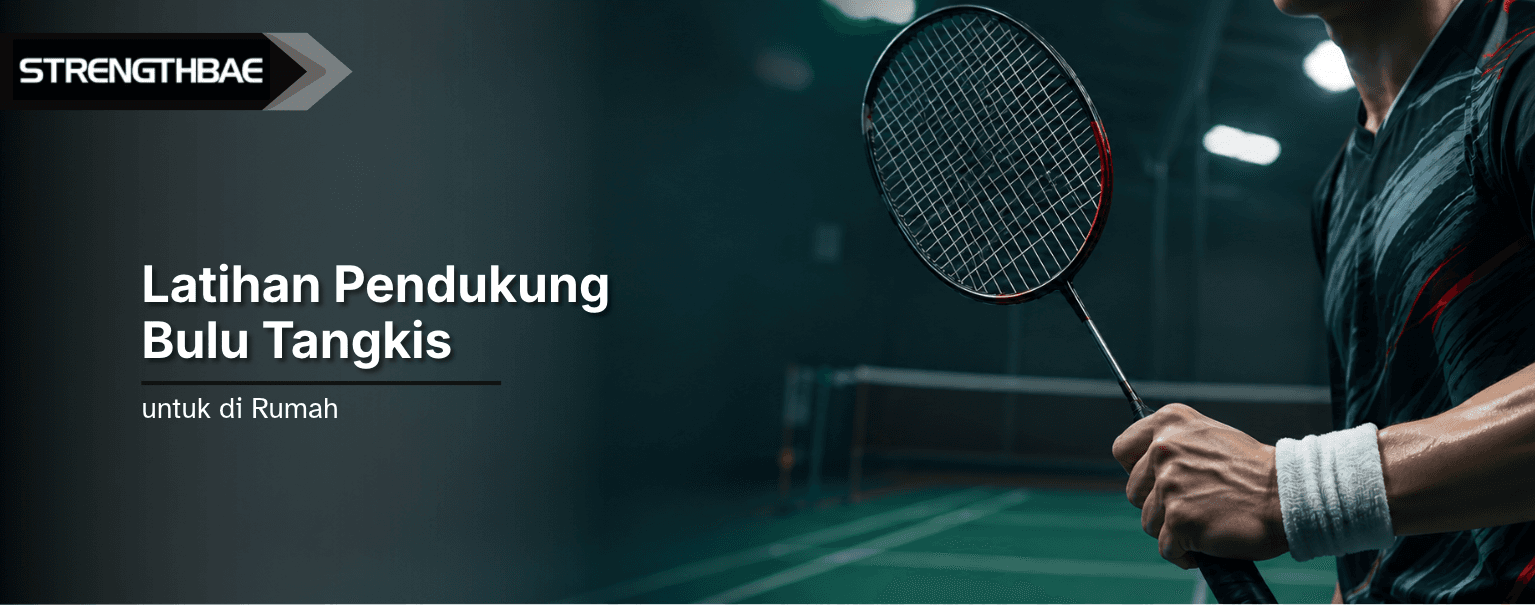
Badminton training at home usually includes supporting physical exercises that help improve playing ability. Unlike technical training such as smashes or serves, these exercises are performed off the court without using a racket. These exercises include warm-ups, body mobility, footwork, agility, muscle strength, explosive power, and stamina.
Supporting badminton exercises can be performed for 20–30 minutes regularly using bodyweight, dumbbells, or resistance bands. The goal is to help players move faster in different directions, produce stronger shots, and maintain balance when reaching for the shuttlecock.
In addition to improving playing ability, regular physical training also helps prepare the muscles and joints to become stronger and reduce the risk of injury when playing badminton.
Warm-Up for Badminton Training
Warm-ups help improve blood circulation, increase body temperature, and prepare the muscles and joints to move more freely.
The following movements can be performed before playing badminton or before starting more intense badminton training. The goal is to prepare the body for quick movements, changes in direction, and racket swings.
Shoulder Circles
Stand upright, then slowly rotate both arms forward and backward in wide, controlled circular movements.
Hip Circles
Stand with both hands on your hips, then slowly rotate your hips clockwise and counterclockwise.
Ankle Circles
Lift one foot slightly off the floor, then slowly rotate the ankle in both directions. Repeat with the other foot.
Thoracic Rotation
Start in a quadruped position with both hands and knees on the floor. Place one hand behind your head, then slowly rotate your chest and point your elbow upward. Repeat on the other side.
Badminton Training for Footwork
Agile footwork is very important in badminton training. Good footwork helps players move quickly in different directions, maintain balance, and return to the ready position in the middle of the court after hitting the shuttlecock.
Here are several footwork exercises that can be performed at home to improve agility and leg coordination.
Shadow Badminton
How to do it: Imagine that you are playing badminton. Move from the center position toward the front net, back, right, and left as if chasing the shuttlecock. After that, return to the center position.
Duration: 30–60 seconds per set.
Split Step
How to do it: Stand with your knees slightly bent, then perform a small jump. Land with both feet in a ready position to move in different directions. During a game, this movement is performed just before the opponent hits the shuttlecock.
Repetitions: 8–10 times per set.
Forward and Backward Footwork
How to do it: Start from the center position, move quickly forward as if approaching the net. Return to the center, then move backward. Repeat alternately.
Duration: 30–45 seconds per set.
Lateral Shuffle
How to do it: Slightly bend your knees as if in a half-squat position, then move quickly to the right and left without crossing your feet.
Duration: 20–30 seconds per set.
Side Step
How to do it: Step one foot to the side, then follow with the other foot. Repeat the movement to the right and left with a steady rhythm.
Duration: 30 seconds per set.
Quick Feet
How to do it: Perform small steps quickly in place. Keep your knees slightly bent and stay on the balls of your feet.
Duration: 15–20 seconds per set
Badminton Training for Leg Strength
Leg muscle strength is very important in badminton training. Strong thigh, glute, and calf muscles help players move quickly, maintain balance when performing lunges, and land more stably. Regular leg training can also help reduce the risk of injury while playing.
Here are some simple exercises to train leg strength at home.
Bodyweight Squat
How to do it: Stand with your feet shoulder-width apart, then lower your hips back as if you were about to sit down. Bend your knees until your thighs are close to parallel with the floor, then stand back up.
Repetitions: 10–12 times per set.
Reverse Lunge
How to do it: Stand upright, then step one foot backward. Bend both knees until they are close to a 90-degree angle, then return to a standing position. Repeat with the other leg.
Repetitions: 8–10 times per leg.
Lateral Lunge
How to do it: Stand upright, then take a wide step to the side. Bend the knee of the stepping leg while keeping the other leg straight. Return to the starting position and repeat on the other side.
Repetitions: 8 times per side.
Standing Calf Raise
How to do it: Stand upright, then raise both heels until you are on your toes. Hold briefly, then slowly lower your heels.
Repetitions: 12–15 times per set.
Read Also: Gym Equipment for Leg Training at Home Besides a Treadmill
Badminton Training for Speed and Power
Power training aims to increase explosive muscle power so that the body can move quickly and forcefully. In badminton training, this ability is important for performing jumping smashes, jumping, and moving quickly to reach the shuttlecock.
The following exercises involve jumping movements that require strength and balance.
For beginners, it is recommended to start with quick lateral stepping movements without jumping. Once the body becomes accustomed to the movements, gradually increase the difficulty.
Squat Jump
How to do it: Lower your body into a light squat position, then jump upward forcefully. Land softly with your knees slightly bent.
Repetitions: 5–8 times per set.
Skater Jump
How to do it: Jump sideways from one foot to the other. When landing, cross the back leg behind you to help maintain balance.
Repetitions: 6–8 times per side.
Lateral Bounds
How to do it: Jump sideways over a greater distance. Maintain your balance when landing, then repeat the jump in the opposite direction.
Repetitions: 5–6 times per side.
Badminton Training for Shoulder and Arm Strength
Shoulder and arm strength training helps maintain joint stability when swinging the racket and supports stronger and more controlled shots.
Unlike the previous badminton exercises that can be performed without equipment, the following movements require dumbbells and resistance bands. Even so, all exercises can still be performed at home without having to go to the gym.
Dumbbell Shoulder Press
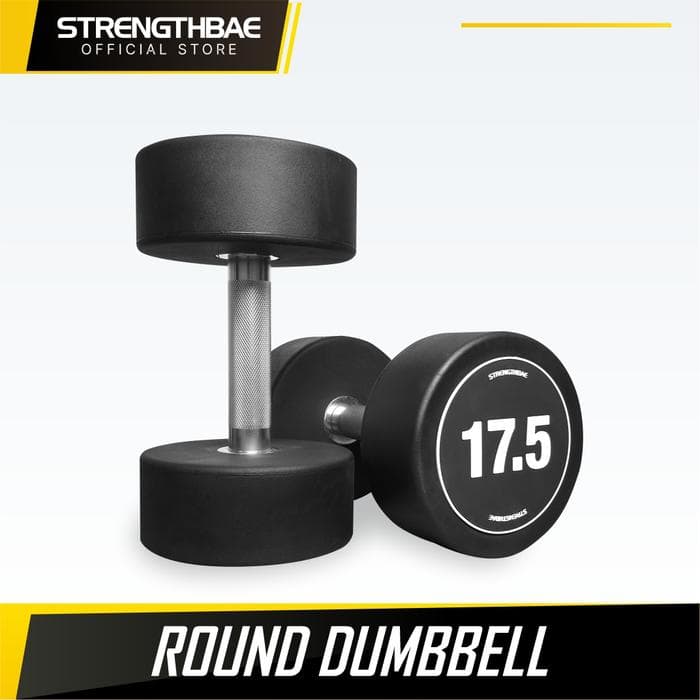
How to do it: Hold a pair of dumbbells in front of your shoulders, then press them overhead until your arms are almost straight. Slowly lower them back down.
Repetitions: 8–12 times per set.
Resistance Band External Rotation
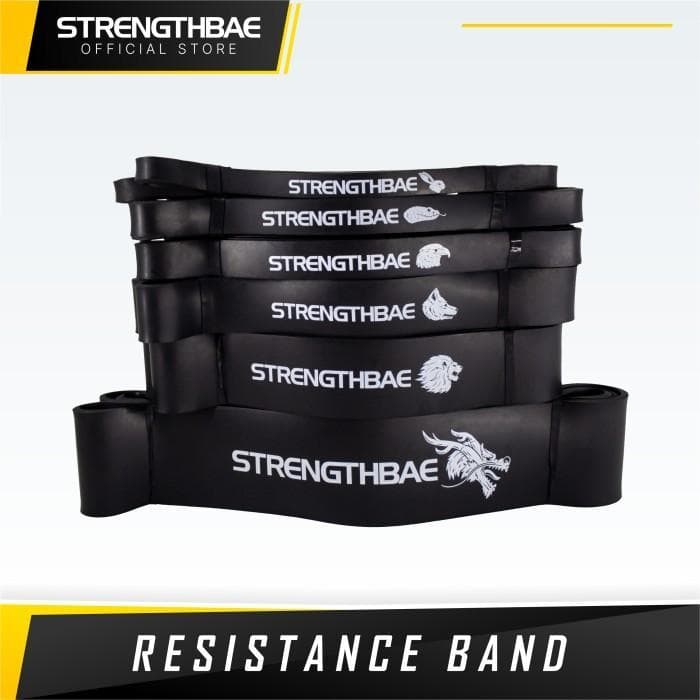
How to do it: Hold the resistance band with your elbow kept close to your side. Slowly rotate your forearm outward while resisting the band's pull. Make sure the band is attached to a sturdy anchor point.
Repetitions: 10–12 times per side.
Dumbbell Lateral Raise
How to do it: Hold the dumbbells at your sides, then raise both arms out to the sides until they are at shoulder height. Slowly lower them back down.
Repetitions: 10–12 times per set.
Read More: Strengthbae Dumbbell
Badminton Training for Wrist and Grip
Wrist and grip strength are also important in badminton training.
Although shot power comes from the entire body, the forearm and wrist muscles help control the racket and produce faster and more accurate shots.
The following exercises require a few simple tools such as a squeezable massage ball or hand gripper, and light dumbbells.
Wrist Curl
How to do it: Sit and place your forearm on your thigh with your palm facing upward. Hold a light dumbbell, then flex your wrist upward and slowly lower it.
Repetitions: 12–15 times per set.
Wrist Extension
How to do it: Place your forearm on your thigh with your palm facing downward. Hold a light dumbbell, then raise the back of your hand using your wrist. Slowly lower it back down.
Repetitions: 12–15 times per set.
Grip Squeeze
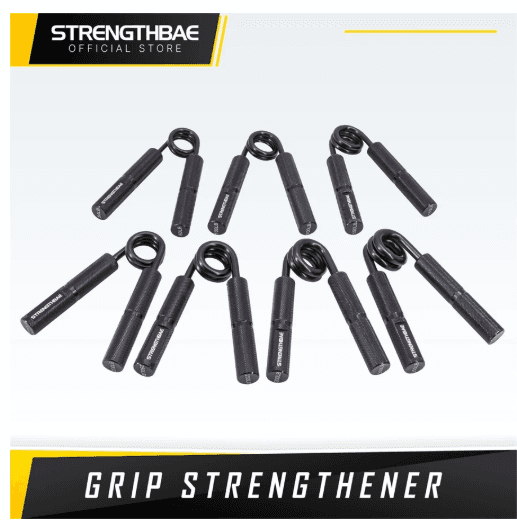
How to do it: Hold a squeezable massage ball or hand gripper, then squeeze it firmly according to your ability. Hold for 1–2 seconds, then slowly release.
Repetitions: 10–15 times per set.
Read More: Strengthbae Hand Grip
20–30 Minute Badminton Training Program at Home
Here is an example of a badminton training schedule at home for around 30 minutes. This program is suitable for beginners to intermediate players because it combines warm-up, footwork, strength training, agility, and stamina.
Training Stage | Exercises | Duration |
Warm-up | Shoulder Circles, Hip Circles, Ankle Circles, Thoracic Rotation | 4 minutes |
Footwork | Split Step and Shadow Badminton | 5 minutes |
Strength and Core | Squat, Reverse Lunge, Shoulder Press, Plank | 10 minutes |
Agility and Power | Lateral Shuffle and Skater Jump | 4 minutes |
Stamina | Jogging in place with intervals or Shadow Interval | 4 minutes |
Cool-down | Easy walking and light static stretching | 2 minutes |
For strength training, start with 1–2 sets and 8–12 repetitions per exercise. Allow enough rest between sets so that your body does not become overly fatigued.
For beginners, jumping movements such as Skater Jump can be replaced with Side Step or Lateral Shuffle. Adjust the speed and intensity of the workout according to your ability so that movements remain controlled.
Badminton Training Frequency and Recovery
To keep badminton training effective and prevent excessive fatigue, it is important to properly manage the schedule for main training, supporting exercises, and rest.
Perform supporting physical exercises 2–3 times a week. Adjust them according to your badminton playing schedule so that your body has enough time to recover.
Avoid heavy training or excessive jumping if your leg muscles are still tired. Also give your shoulders and wrists enough rest to prevent pain caused by overuse.
As your ability improves, gradually increase the number of sets, repetitions, or the load. This principle is called progressive overload and helps improve strength and stamina.
FAQ
Is physical training at home effective for improving badminton performance?
Yes, physical training at home can help improve muscle strength, footwork agility, balance, and stamina. All of these abilities are important for supporting movement and shots when playing badminton. However, court training is still necessary to develop technique and playing skills.
What gym equipment is suitable for badminton training at home?
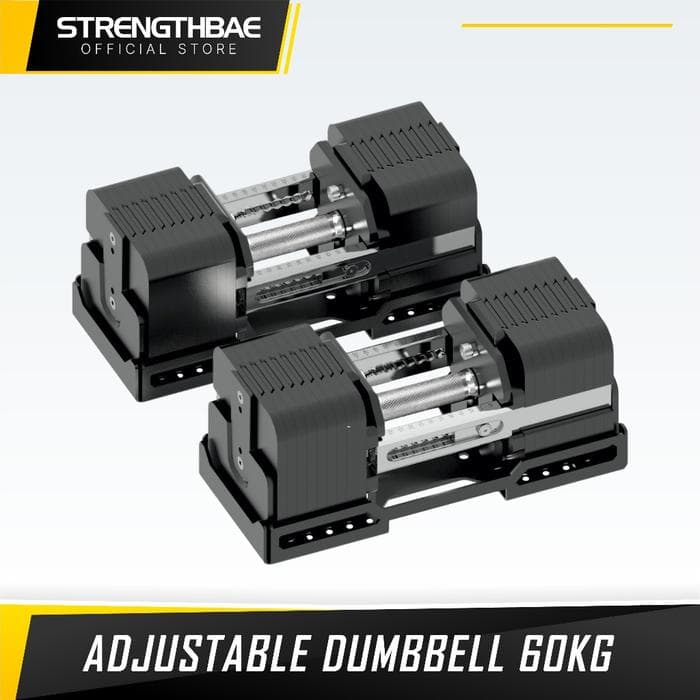
You can use resistance bands to train shoulder strength and stability, as well as adjustable dumbbells to strengthen the leg and arm muscles. A skipping rope is also suitable for training foot coordination and stamina. Meanwhile, a rubber mat can be used as a surface for various strength exercises and stretching at home.
How many times a week should wrist and grip exercises be performed?
Exercises such as wrist curls, wrist extensions, and grip squeezes can be performed 2–3 times a week. It is best to do them after the main workout and avoid overly intense grip training before playing so that your hands do not become tired quickly when holding the racket.
How can you reduce the risk of injury when doing footwork and jumping exercises at home?
Warm up first, especially the ankles and hips. Wear sports shoes with appropriate cushioning and make sure the floor is not slippery. A stable rubber mat can also help provide a comfortable training surface.
When jumping, try to land with your knees slightly bent to help reduce impact.
Do badminton players need heavy weight training such as squats and deadlifts?
Not necessarily. Squat and deadlift training with weights can help increase leg strength to support jumping and quick movements on the court.
However, beginners can start with bodyweight exercises. Once the movement technique has been mastered, weights can be added gradually using dumbbells, barbells, or gym machines.
Improve Your Badminton Training Performance with Strengthbae
Badminton training does not only take place on the court. You can also improve your playing ability through physical training at home. By regularly combining footwork, muscle strength, agility, and stamina exercises for 20–30 minutes, your body will be better prepared for quick movements and changes of direction when playing badminton.
To support your training at home, you can use simple equipment such as adjustable dumbbells, resistance bands, and skipping ropes. Add a rubber mat to make your training area more comfortable. Contact the Strengthbae team for recommendations on equipment that suits your training needs, available space, and budget.
Strengthbae is a professional gym equipment brand that provides solutions for commercial gym businesses and home gyms. From power racks and All in One Trainers to hybrid race-standard training accessories, everything is available at Strengthbae.