Beginner Tips for Leg Press: How to Use It, Proper Foot Position, and Weight Selection
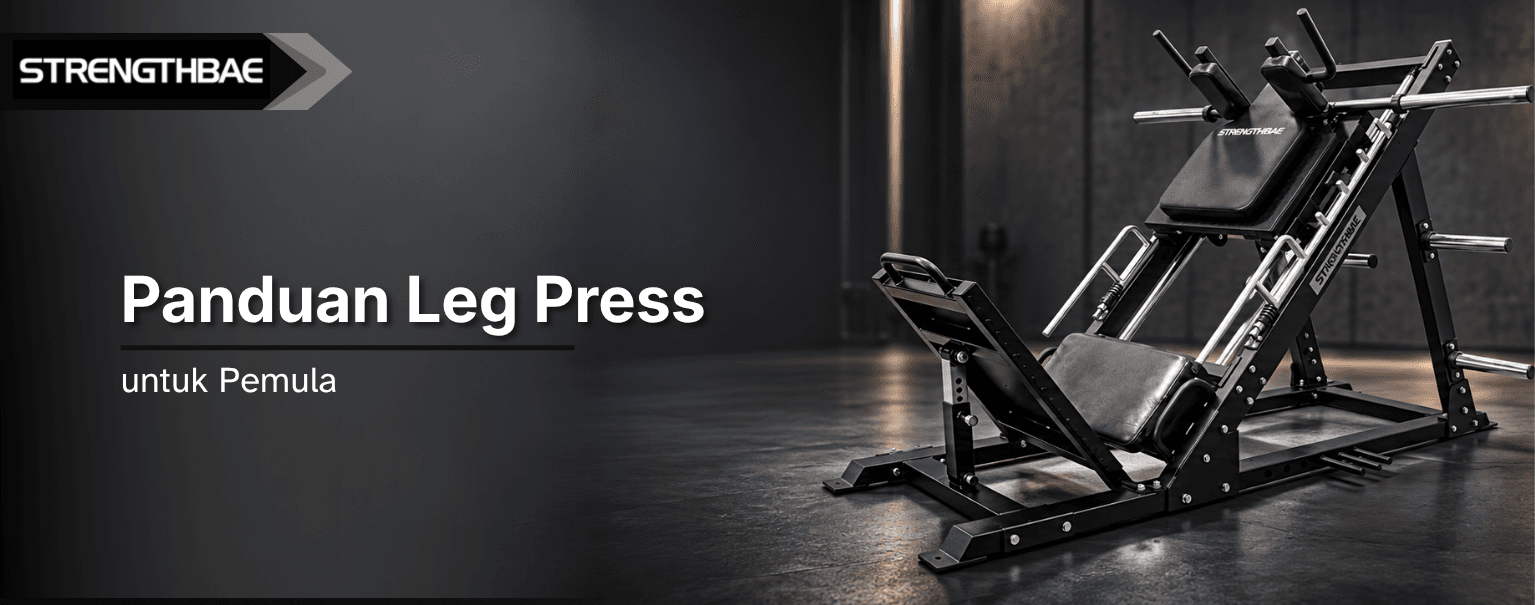
The leg press is a strength training machine designed to train the legs and lower body through a more controlled movement. It is suitable for beginners who want to build leg strength without having to support a barbell directly on their back as with a squat. To train safely and effectively, beginners need to understand how to adjust the machine, position their feet, use the safety mechanism, and choose a suitable weight based on their ability.
Muscles Trained with the Leg Press
The leg press trains several major muscle groups in the lower body through a pushing movement. The three main muscles involved are the quadriceps, glutes, and hamstrings.
The quadriceps, or front thigh muscles, are the primary muscles used when extending the knees and pushing the footplate away from the body. The glutes, or buttock muscles, help extend the hips, especially when pushing the weight from the lowest position. Meanwhile, the hamstrings, or back thigh muscles, help control knee movement and maintain pelvic stability while pushing and lowering the weight.
How much each muscle contributes can vary depending on foot position on the leg press footplate, how deep the movement is performed, and the angle of the leg press machine.
Understanding the Leg Press and Its Types
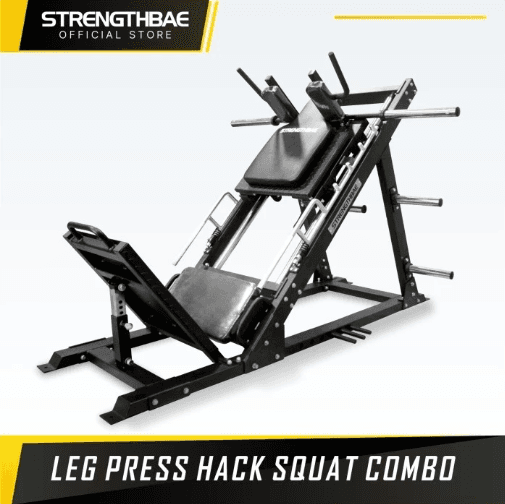
A leg press is a gym machine for leg training that uses a footplate or platform that moves along a rail. The user pushes the footplate with their legs while keeping their back and pelvis supported against the seat. This position makes the leg press relatively easy to control and suitable for beginners who want to start building leg strength.
Each leg press machine can provide a different resistance feel. Therefore, the weight displayed on one machine cannot always be directly compared with another machine.
This is important for beginners to understand so they do not rely only on the kilogram number when choosing a weight. Several factors can affect how heavy the exercise feels:
Sled Angle: A 45-degree leg press uses an angled track, so part of the load is supported by the rails. Meanwhile, a vertical leg press requires the user to push the load directly against gravity.
Mechanical Ratio of Pulleys and Levers: On a horizontal leg press with a pulley or pin-loaded system, the pulley mechanism helps distribute the resistance, making the movement feel smoother and more controlled for beginners.
Resistance Mechanism: Friction on the rails and the weight of the footplate or sled itself also affect how heavy the resistance feels during training.
Preparing Before Using the Leg Press
Before loading weight plates or pulling the pin on the weight stack, beginners should make several preparations to keep their body position safe and comfortable throughout the exercise.
Adjusting the Seat and Back Pad
Adjust the seat or backrest so your body feels secure and comfortable. Make sure your lower back and pelvis remain in contact with the pad throughout the movement. The seat position should also allow your knees to bend comfortably without causing excessive changes in your back position.
Understanding and Adjusting the Safety Mechanism
Beginners should first identify the safety stopper or locking mechanism on the leg press machine being used. Make sure the safety lock is in the correct position before loading the weight. If you are not familiar with the mechanism, practice unlocking and locking it without weight or with a light load to understand how it works before starting your workout.
High and Low Foot Position
Foot position on the footplate can change the movement angle and which muscles are emphasized. There is no single foot position that is ideal for everyone because a comfortable position can vary depending on body proportions and machine design.
Higher Foot Position: The feet are placed higher on the footplate, allowing greater hip movement while reducing the amount of knee flexion. This position places more emphasis on the glutes and hamstrings.
Lower Foot Position: The feet are placed lower on the footplate, resulting in greater knee flexion. This position places more emphasis on the quadriceps or front thigh muscles.
Choose a foot position based on the machine design, knee comfort, ankle flexibility, and the muscles you want to emphasize.
Foot Stance Width
Foot stance width affects foot stability and the direction of knee movement. Beginners should choose a position that feels stable and allows the knees to move in the same direction as the toes.
Narrow Stance: The feet are positioned closer together than shoulder width to provide a variation that places more emphasis on the quadriceps.
Standard Stance: The feet are positioned approximately shoulder-width apart, with the toes slightly turned outward by around 5–15 degrees. This position generally feels natural and stable for many beginners.
Wide Stance: The feet are positioned wider than shoulder width, allowing the inner thighs and glutes to work more.
There is no mandatory foot stance width that everyone must use. The most important thing is to keep the feet stable on the footplate and ensure the knees move in line with the toes throughout the movement.
Choosing a Leg Press Weight for Beginners
For beginners, do not determine the weight based on what other people are using. Start with a light weight that allows you to perform 10–12 repetitions while maintaining controlled movement and body position.
Each leg press machine can feel different, so the kilogram number on the weight plate does not always indicate the difficulty level. Before choosing your training weight, perform several repetitions using the empty footplate or the lightest available resistance to find a weight that feels comfortable and matches your ability.
How to Position Your Feet on the Leg Press
Foot position on the footplate can change which muscles are emphasized and how the leg press movement feels. There is no single position that is best for everyone, so adjust it according to your training goals, comfort, and range of motion.
Foot Position | Muscle Focus | Effect on Movement |
High Position | Glutes & hamstrings | Greater hip movement with less knee flexion |
Low Position | Quadriceps (front thighs) | Greater knee flexion and requires sufficient ankle mobility |
Narrow Position | Quadriceps | A narrower stance provides a variation that places more emphasis on the front thighs |
Wide Position | Inner thighs (adductors) & glutes | A wider stance increases foot spacing and places more emphasis on the inner thighs |
How to Use the Leg Press from Start to Finish
Here are simple steps for using the leg press for beginners to keep your body position safe and your movements controlled.
Sit with your back and hips firmly against the back pad. Make sure your body remains stable throughout the exercise.
Place both feet on the footplate in a comfortable position, keeping your entire feet firmly planted.
Adjust your foot position, both height and width, according to your knee and ankle comfort and your training goals.
Push the footplate slightly upward to support the load, then release the safety mechanism according to the machine's system.
Slowly lower the footplate by bending your knees while controlling the movement and inhaling.
Push the footplate back using your leg strength, especially through your thighs and heels, until your legs are almost straight.
Do not forcefully lock your knees at the top. Keep a slight bend and maintain control of the load.
After completing a set, return the footplate to a safe position, then re-engage the safety mechanism before leaving the machine.
Additional Tips for Beginners
Following a structured approach to leg press training can help beginners build safe and consistent training habits. Here are some tips to make your leg press training smoother and easier over time.
Knee Position and Movement Direction
Your knees do not always have to stay behind your toes during the leg press. Your knees can move slightly past your toes as long as your feet remain firmly planted and the movement is comfortable and controlled.
What matters more is keeping your knees moving in the same direction as your toes. Avoid letting your knees collapse inward or move too far outward while pushing and lowering the footplate.
Keeping Your Back and Hips in Contact
Your back and hips should remain in contact with the back pad throughout the exercise. Do not allow your hips to lift when lowering the footplate, as this can make your body position unstable.
If your hips start to lift, reduce the range of motion or readjust your foot and seat position. Choose a range of motion that allows you to maintain a comfortable and controlled body position.
Sets and Repetitions for Beginners
For beginners, perform 2–3 sets of 8–12 repetitions. Use a weight that allows you to perform each repetition with proper technique and control.
There is no need to chase heavy weights when starting leg press training. Focus first on stable movement and a comfortable range of motion, then gradually increase the training load.
Common Beginner Mistakes When Performing the Leg Press
Some mistakes to avoid when performing the leg press include:
Using a weight that is too heavy from the start.
Forcefully locking the knees when pushing the footplate.
Lifting the hips away from the back pad when lowering the weight.
Lowering the footplate too far until your body position changes.
Allowing the knees to collapse inward or move out of line with the toes.
Changing foot position only to lift heavier weights.
Not understanding how to use the safety mechanism.
Moving too quickly and relying on momentum.
How to Gradually Increase the Weight
You do not need to increase the weight every workout. Make sure your technique, control, and range of motion are consistent before increasing the load.
You can progress by increasing repetitions, for example from 8 to 12 repetitions, and then gradually adding a small amount of weight. You can also slow down the lowering phase of the footplate to improve control.
If adding weight causes your body position to change, your knees to become unstable, or your hips to lift, reduce the weight again and continue progressing gradually.
Including the Leg Press in Leg Day
The leg press can be used as either a primary or accessory exercise during a leg day session. If used as a primary exercise, perform it after warming up while your energy and concentration are still sufficient to maintain proper technique.
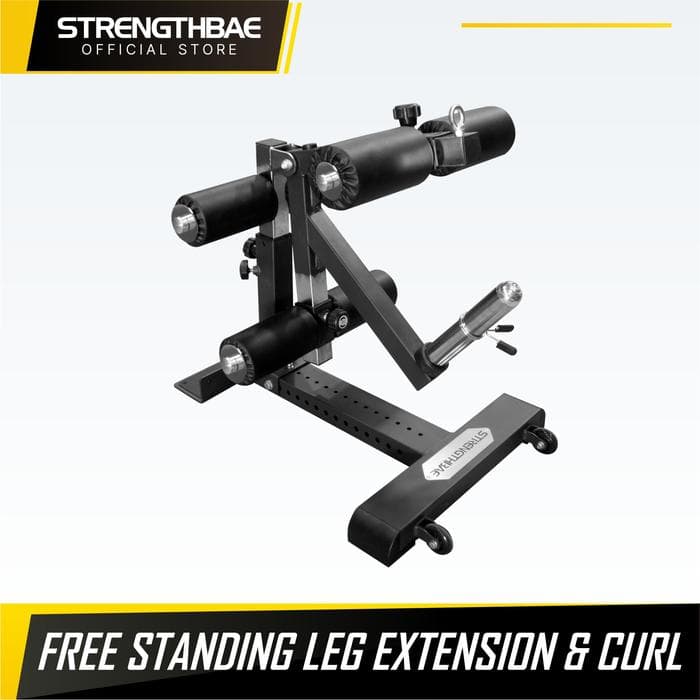
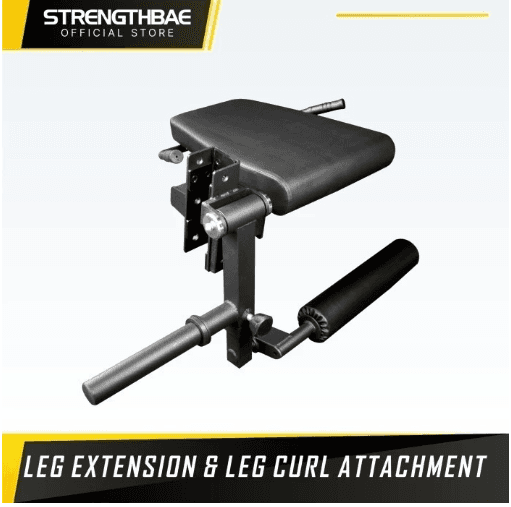
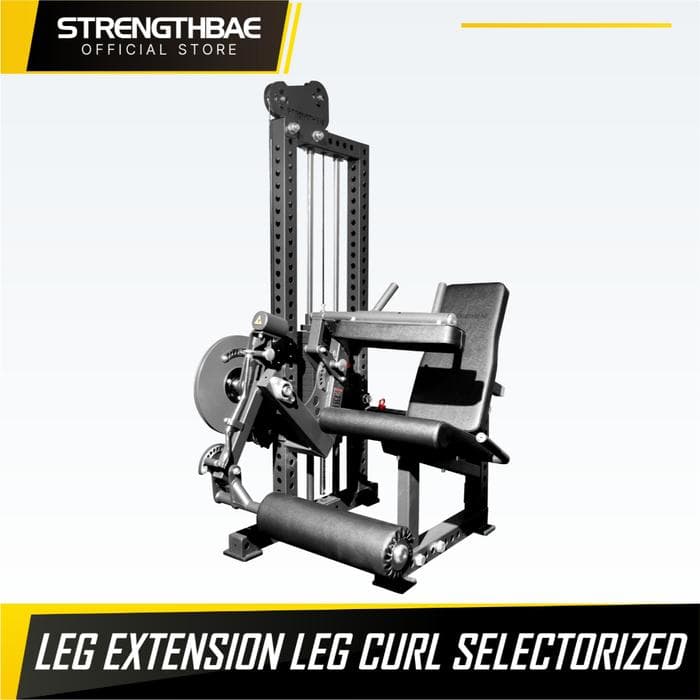
After the leg press, you can continue with exercises such as leg extensions for the quadriceps or leg curls for the hamstrings, depending on your training program.
FAQ
Is the leg press suitable for beginners at the gym?
Yes. The leg press is one of the best exercise options for beginners to train their leg muscles because its guided movement provides support for the back and hips. It allows beginners to build lower-body strength in a controlled manner at home or in a commercial gym before or alongside learning free-weight squat movements.
What leg press weight is suitable for beginners?
There is no universal kilogram figure because users have different physical abilities and each machine has a different starting resistance. Beginners should start with the empty footplate or the lowest available resistance to learn the technique. Choose a weight that allows you to complete 10–12 repetitions with smooth and stable movement.
Can your knees go past your toes during the leg press?
Yes. Allowing the knees to move past the toes can be safe as long as your feet remain flat and stable on the footplate, there is no joint pain, and your knees move in line with your toes.
Can the leg press replace the squat?
The leg press and squat complement each other, but they are not completely identical. Squats train leg strength while also requiring core stability and whole-body balance. The leg press, meanwhile, allows you to focus on the leg muscles with your back supported. Combining both exercises can provide a more complete leg workout, whether at a fitness facility or a home gym.
Does a higher foot position make the leg press more focused on the glutes?
Yes. Placing your feet higher on the footplate increases the amount of hip movement, which can increase glute and hamstring involvement while still engaging the leg muscles overall.
Safer and More Effective Leg Press Training with Strengthbae
The leg press is not just about pushing the footplate. The machine setup, foot position, range of motion, and movement control all need to be adjusted properly, especially for beginners. Start with a suitable weight, master the technique, and gradually increase the training load. Once your movement becomes consistent, the leg press can become part of your leg day alongside other lower-body exercises.
Looking for the right leg press machine for your home gym or commercial gym? Consult the Strengthbae team about your space, training needs, and budget to find the right gym equipment for you.
Strengthbae is a professional gym equipment brand providing solutions for commercial gyms and home gyms. From racks and All in One Trainers to functional training accessories such as sandbags designed for hybrid race training, everything is available from Strengthbae.