Calibrated Plates vs Standard Weight Plates
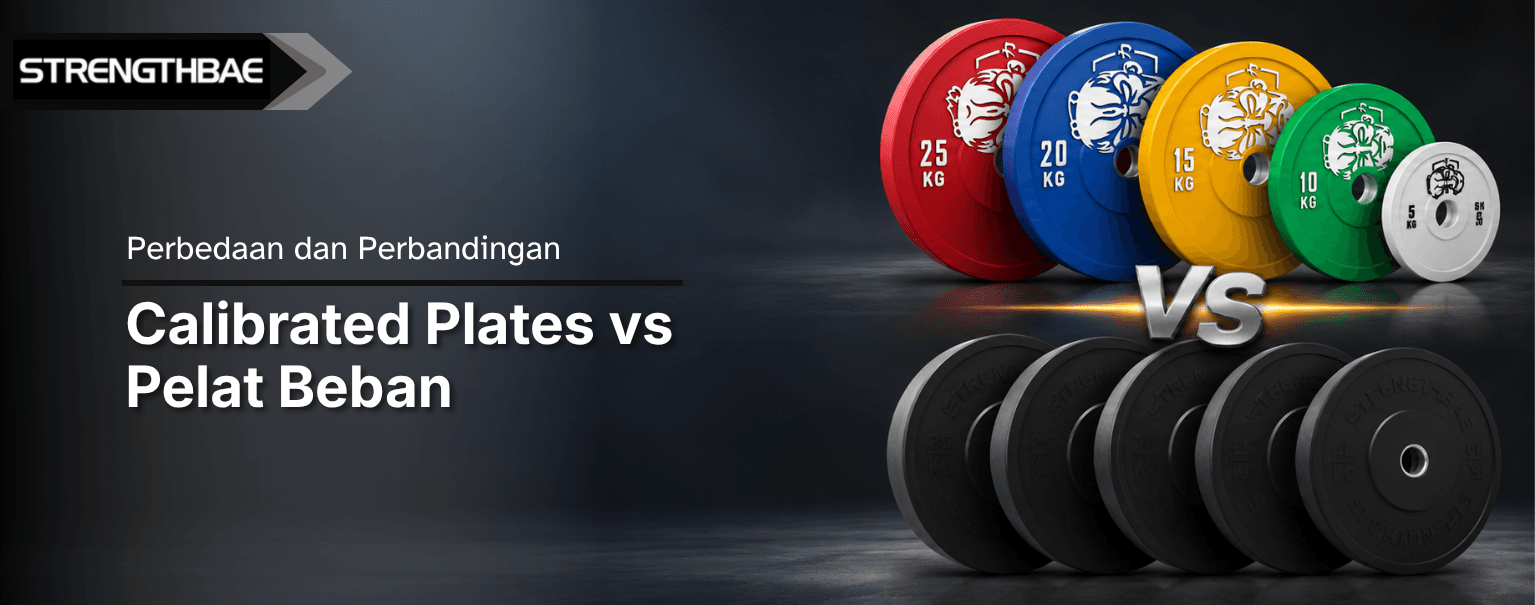
Calibrated plates and standard weight plates are both used for strength training, but they differ in their level of accuracy and characteristics. Calibrated plates are manufactured with greater precision and are suitable for powerlifting and competition training, while standard weight plates are more economical and versatile for everyday training at home or in the gym. Understanding the differences can help you choose the right weight plates for your training needs.
What Are Calibrated Plates and Standard Weight Plates?
Before comparing the two, it is important to understand the basic differences between calibrated plates and standard weight plates.
Calibrated Plates
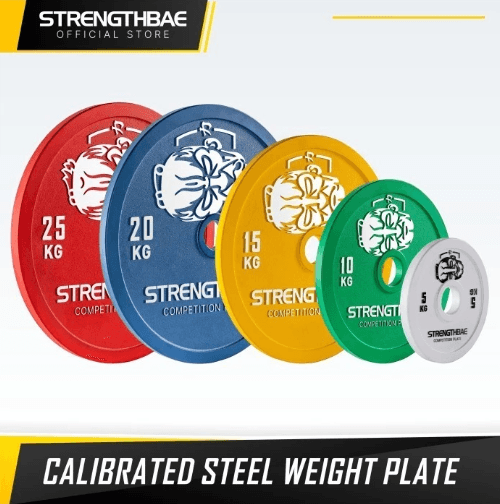
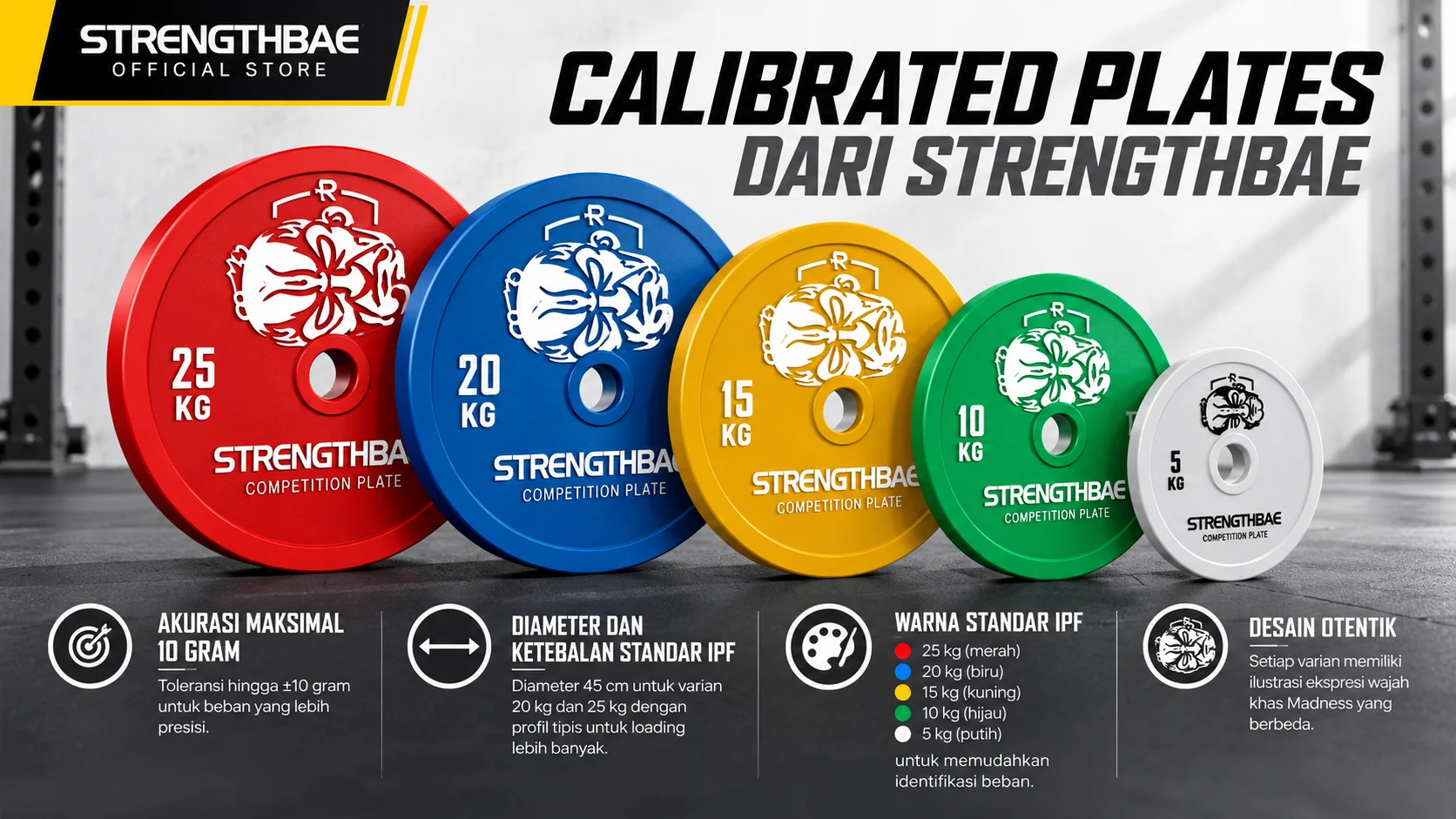
Calibrated plates are weight plates manufactured with a high level of precision. Their weight is tested and adjusted to closely match the stated weight on the plate, with a tolerance of up to ±10 grams. The calibration process may use lead or steel calibration plugs to adjust the plate's weight more precisely.
Calibrated plates generally use solid steel, have a thinner profile, and follow competition standards such as those of the International Powerlifting Federation (IPF). Plates weighing 20 kg or more have an outer diameter of 450 mm.
Standard Weight Plates
Standard weight plates, or standard Olympic plates, are designed for general strength training, fitness, and bodybuilding. Their weight tolerance is more flexible, generally around ±3–5% of the stated weight.
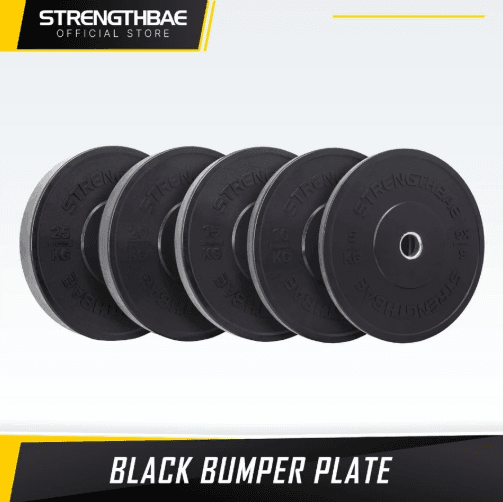
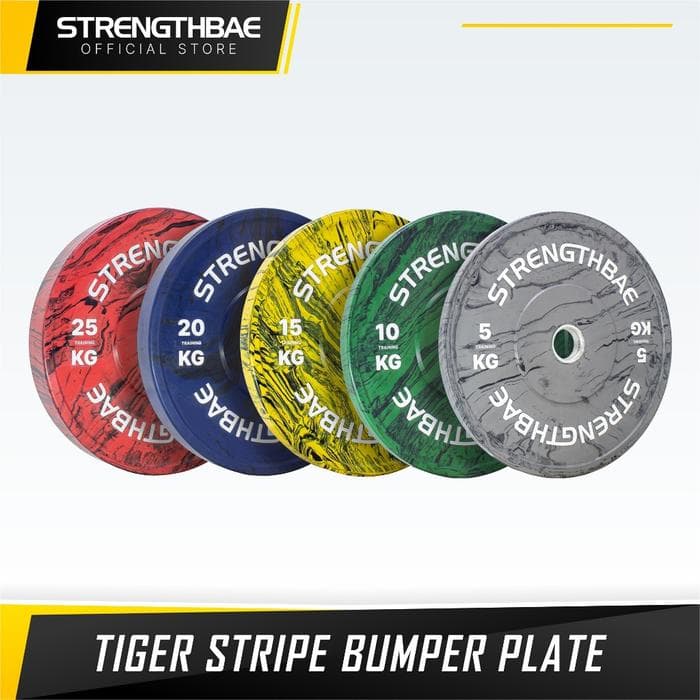
These plates are available in various materials and finishes, such as cast iron, rubber-coated, urethane, and bumper plates. They are more economical, durable for everyday use, and available in various sizes and designs.
Advantages and Disadvantages of Calibrated Plates and Standard Weight Plates
Each type of weight plate offers different technical advantages and operational limitations that should be matched to the user's training needs.
Calibrated Plates
Calibrated plates offer very high weight accuracy with a tolerance of up to ±10 grams, making it easier to calculate the total load precisely. Their thin profile and consistent dimensions also allow more plates to be loaded onto a barbell sleeve.
Made from solid steel, these plates are highly durable and long-lasting while providing a training experience that is closer to official competition conditions. However, this level of precision also makes them more expensive than standard weight plates.
Calibrated plates are also not designed to be frequently dropped from overhead like bumper plates used in Olympic weightlifting. Therefore, they are more suitable for powerlifting and competition-oriented training than everyday training.
Standard Weight Plates
Standard weight plates are more economical, making them suitable for adding a larger amount of weight to a home gym. They are also available in various types, such as cast iron, rubber-coated, and urethane, which can help reduce noise and protect the floor.
For training that involves dropping weights, bumper plates are safer to use because they are designed to withstand impact without easily damaging the floor or barbell. Standard weight plates are also practical for users of different experience levels in commercial gyms.
However, standard weight plates have a wider weight tolerance, meaning their actual weight may differ from the number stated on the label. They also tend to have a thicker profile, which limits the number of plates that can be loaded onto a barbell sleeve.
In addition, rubber or urethane coatings may experience surface wear after years of intensive use.
Read More: Strengthbae Calibrated Plate
Difference in Weight Accuracy and Tolerance Between Calibrated Plates and Standard Weight Plates
The main difference between calibrated plates and standard weight plates is their weight accuracy. Calibrated plates have a tolerance of up to ±10 grams. Therefore, a 25 kg plate may have an actual weight of approximately 24.99–25.01 kg. Meanwhile, standard weight plates have a tolerance of around ±3–5%, meaning a 20 kg plate may have an actual weight of approximately 19–21 kg.
This difference becomes increasingly important when using heavy loads or tracking progressive overload in detail. The more plates you use, the greater the potential difference between the stated weight and the actual weight. For powerlifting athletes, this accuracy is important to ensure that training loads more closely match the loads used in competition.
Keep in mind that a plate's appearance or price does not determine whether the product is truly calibrated. Always check the weight accuracy and tolerance specifications provided by the manufacturer.
Difference in Thickness and Diameter Between Calibrated Plates and Standard Weight Plates
Calibrated plates have a thinner profile compared with standard weight plates. A 25 kg plate generally has a thickness of around 22–28 mm, while a standard plate of the same weight can reach approximately 35–50 mm. The thinner profile allows more plates to be loaded onto a barbell sleeve.
For diameter, calibrated plates weighing 20 kg or more generally use a 450 mm diameter in accordance with IPF standards. Meanwhile, the dimensions of standard weight plates may vary depending on the manufacturer and material. In addition to diameter, make sure the center hole size is compatible with the barbell and that the edge design is easy to handle when loading or removing the plate.
Impact of Thickness on Barbell Loading Capacity
Olympic barbell sleeves are generally around 41–45 cm long, so plate thickness determines how much weight can be loaded. Standard plates with a thickness of around 45–50 mm can accommodate approximately 5–6 plates per side, with a total load of around 270–320 kg. Meanwhile, thinner calibrated steel plates, at around 22–28 mm, can accommodate up to 8–9 plates per side with a total load of 400 kg or more.
This capacity is important for advanced lifters who frequently perform heavy squats or deadlifts. For general training with loads below 200 kg, the capacity of standard plates is generally sufficient.
Material and Construction Differences Between Calibrated Plates and Standard Weight Plates
Calibrated plates generally use solid steel construction that is precision-processed, then fitted with calibration plugs and a finish such as chrome, nickel, or powder coating. Solid steel allows the plates to be made thinner while maintaining weight accuracy.
Standard plates offer a wider range of material options, such as cast iron, rubber-coated, urethane, or vinyl-filled plates with cement. However, plate quality is not determined by material alone. The design, mold quality, and manufacturing process also affect accuracy and durability.
Finishing and Weight Markings of Calibrated Plates and Standard Weight Plates
Calibrated plates generally use standard color coding to make it easier to quickly identify the weight:
Red = 25 kg (55 lbs)
Blue = 20 kg (44 lbs)
Yellow = 15 kg (33 lbs)
Green = 10 kg (22 lbs)
White = 5 kg (11 lbs)
Black = 2.5 kg (5.5 lbs)
Silver/gray = 1.25 kg (2.75 lbs)
Standard plates may use different colors or simply have a black finish with the weight marked on the surface. However, plates with competition-style colors do not necessarily have calibrated-level precision. Always check the manufacturer's weight accuracy and tolerance specifications.
Price Comparison Between Calibrated Plates and Standard Weight Plates
Calibrated plates are more expensive, costing around 2.5–3.5 times more than standard plates. This is due to their more precise manufacturing process, use of calibration plugs, and strict quality control. Standard plates, meanwhile, are more economical and suitable for adding larger amounts of weight.
In addition to price, consider product durability. Solid-steel calibrated plates can be used for 15–20 years or more with proper maintenance. Standard plates with rubber or urethane coatings may experience surface wear after around 5–8 years of intensive commercial use.
Calibrated Plates for Powerlifting and Competition
Calibrated plates are suitable for powerlifting athletes, competitive lifters, advanced lifters, and gyms or strength clubs that require highly precise weights. They help keep weight tracking accurate, especially when performing progressive overload with small weight increments or training with very heavy loads.
In powerlifting, weight accuracy is important because it relates to competition standards and fairness. The IPF sets a maximum weight tolerance of ±10 grams and a diameter of 450 mm for plates weighing 20 kg and above. Using calibrated plates during training can also help athletes become accustomed to the load feel, barbell balance, and loading capacity that more closely resemble competition conditions.
However, the term "calibrated" does not always mean that a plate is competition-legal. If the plates are being used for competition preparation, make sure the product has official certification from the relevant federation, such as IPF Approved.
Standard Weight Plates for Home Gyms and General Training
Standard weight plates are suitable for home gym owners, strength and bodybuilding training, as well as free-weight areas in commercial gyms, hotels, or corporate fitness centers. They are more affordable, and differences in weight tolerance generally have little impact on general exercises such as squats, bench presses, deadlifts, and overhead presses. Rubber-coated or urethane variants can also help protect floors, reduce noise and vibration, and provide better resistance to scratches when being moved.
Tips for Checking Weight Plate Specifications Before Buying
Before buying weight plates, check the following:
Weight Tolerance: Check the level of accuracy, such as ±10 grams for calibrated plates or ±3–5% for standard plates.
Material: Calibrated plates generally use solid steel, while standard plates may use cast iron, rubber, or urethane.
Thickness and Diameter: Check the plate dimensions to ensure the loading capacity of the barbell sleeve meets your needs.
Center Hole: Make sure the hole diameter matches an Olympic barbell sleeve, which is approximately 50.4 mm (2 inches).
Finishing: Choose finishes such as powder coating, chrome, or urethane that are resistant to corrosion and sweat.
Calibration: Make sure the plate actually has a calibration system and is not simply designed with a competition-style appearance.
Specifications | Calibrated Weight Plate | Standard Weight Plates |
Weight tolerance | ±10 grams | ±3–5% |
Material | Solid steel + calibration plug | Cast iron, rubber-coated, or urethane |
25 kg thickness | ±22–28 mm | ±35–50 mm |
Diameter 20 kg+ | 450 mm according to IPF specifications | Varies |
Color coding | Follows IPF/IWF standards | Varies by brand |
Loading capacity | High, can accommodate more plates | More limited for very heavy loads |
Durability | 15–20+ years | Around 5–8 years for rubber coatings |
Usage | Powerlifting, competition, and heavy lifts | General strength, home gyms, and commercial gyms |
Read Also: Beginner Weight Training Tips: A Complete and Safe Guide
FAQ
Can calibrated plates be used for a home gym?
Yes. However, for general home gym training, standard plates are usually sufficient. Calibrated plates are more suitable if you train for powerlifting, participate in competitions, or require highly precise weights and greater loading capacity.
What is the difference in weight tolerance between calibrated plates and standard plates?
Calibrated plates have a tolerance of around ±10 grams, while standard plates generally have a tolerance of around ±3–5%. This means the actual weight of calibrated plates is closer to the weight stated on the plate.
Why are calibrated plates more expensive?
They are more expensive because they use solid steel, more precise manufacturing processes, a calibration system, and stricter quality control to maintain weight accuracy.
Can calibrated plates be dropped from overhead?
It is not recommended. Calibrated plates are primarily intended for powerlifting exercises such as squats, bench presses, and deadlifts. For Olympic weightlifting, where the barbell is frequently dropped, use bumper plates specifically designed to withstand impact.
Where can I get professional-quality weight plates and gym equipment?
Strengthbae provides various calibrated plates, standard weight plates, barbells, and fitness equipment for home gyms and commercial gyms.
Best Weight Plate Options from Strengthbae
Choosing between calibrated plates and standard weight plates depends on your training needs, required accuracy, barbell loading capacity, and budget. Calibrated plates are suitable for powerlifting and training that requires greater weight precision, while standard plates are more practical and economical for everyday training in home gyms and commercial gyms.
If you need help choosing weight plates, barbells, or other fitness equipment, Strengthbae is ready to help provide quality and warranted gym equipment. Contact the Strengthbae team for further consultation.
Strengthbae is a professional gym equipment brand providing solutions for commercial gyms and home gyms. From racks and All in One Trainers to functional training accessories for HYROX-standard hybrid races, everything is available from Strengthbae.