What Is the Difference Between Weightlifting and Powerlifting?
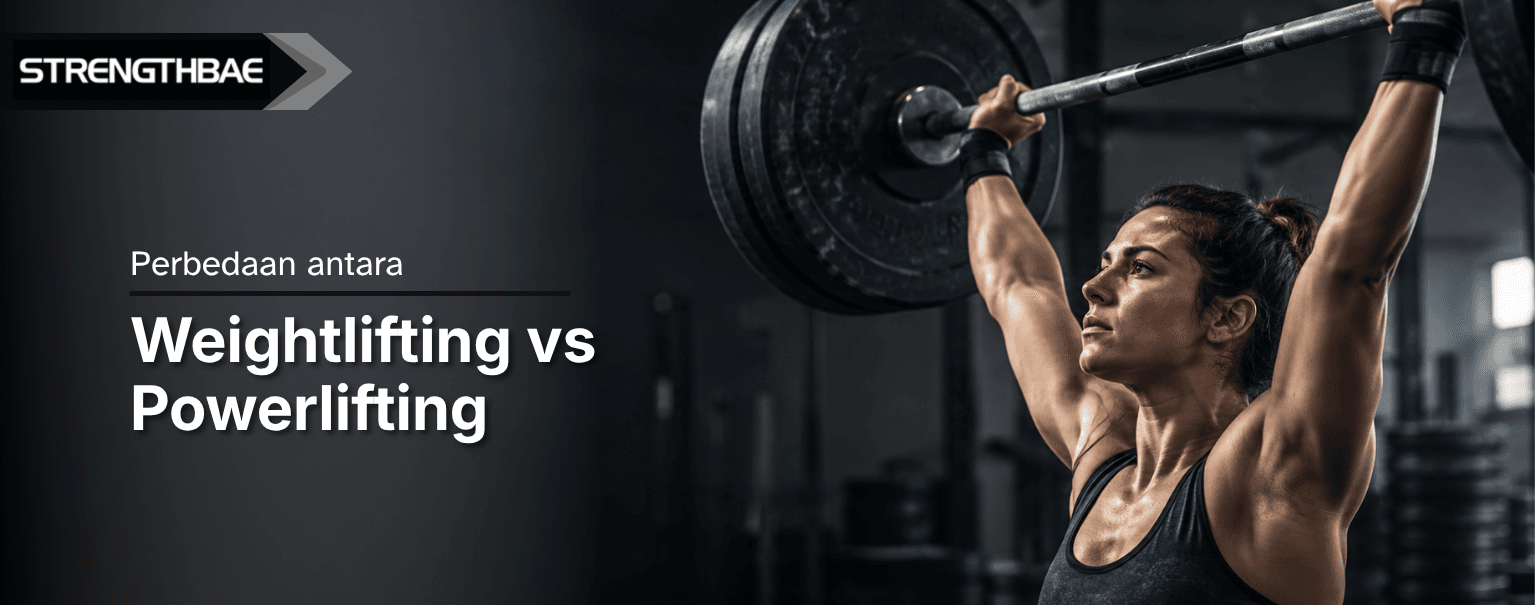
Weightlifting and powerlifting both use barbells to develop strength, but they have different focuses. Weightlifting focuses on the Snatch and Clean & Jerk, which require speed, explosive power, coordination, and mobility. Powerlifting, on the other hand, focuses on the squat, bench press, and deadlift to test maximal strength. These differences also affect technique, training programs, and the equipment used. If you are new to strength training, understanding the difference between weightlifting and powerlifting can help you determine which type of training best suits your goals and abilities.
What Is Weightlifting?
Weightlifting, often referred to as Olympic Weightlifting, is a strength sport that tests an athlete's ability to lift a barbell from the floor to overhead quickly and precisely. The sport requires a combination of strength, speed, explosive power, coordination, and mobility.
In competition, there are two main lifts:
Snatch: Lifting the barbell from the floor directly overhead in one movement, with the arms locked out.
Clean & Jerk: Lifting the barbell from the floor to the shoulders (clean), then driving it overhead until the arms are fully extended (jerk).
What Is Powerlifting?
Powerlifting is a strength sport that tests how much weight an athlete can lift for one repetition maximum (one-rep max/1RM). Unlike weightlifting, which relies heavily on speed and explosive power, powerlifting focuses more on maximal strength, technique, and the ability to control heavy loads with stability.
In competition, athletes perform three main lifts:
Squat: Lowering the body with a barbell on the back until reaching the required squat depth according to competition standards, then driving the body back up to a standing position.
Bench Press: Lying on a bench and lowering the barbell under control until it touches the chest, then pressing it back up until both arms are fully extended. In competition, the movement must follow the required pause and body-position rules.
Deadlift: Lifting the barbell from the floor until standing upright with the knees and hips locked out.
Weightlifting vs Powerlifting Comparison
The following matrix summarizes the key differences between weightlifting and powerlifting:
Comparison Criteria | Weightlifting (Olympic) | Powerlifting |
Main Lifts | Snatch, Clean & Jerk | Squat, Bench Press, Deadlift |
Main Physical Focus | Explosive power, speed, mobility, coordination | Pure maximal strength (1-Rep Max) |
Tempo | Very fast, explosive, and acceleration-focused | Controlled and slower, focused on force production |
Mobility Requirements | Very high (shoulders, ankles, hips, wrists) | Moderate (specific to official lifting positions) |
Barbell Specifications | Smooth sleeve rotation with bearings, with whip/flex | Stiff, rigid bar with aggressive knurling and center knurl |
Weight Plate Type | Rubber bumper plates (safe for dropping) | Cast iron / steel plates (or bumper plates) |
Supporting Equipment | Wooden/rubber platform, weightlifting shoes | Power rack, combo rack, bench, belt, wraps |
Complexity Level | Very high (steep learning curve) | Moderate (more intuitive movement patterns) |
Competition Status | Official Olympic sport | International/national competitions (IPF, etc.) |
Differences in the Main Lifts of Weightlifting and Powerlifting
The main lifts in weightlifting and powerlifting have different characteristics based on the goals of each sport.
Weightlifting
Weightlifting uses the Snatch and Clean & Jerk, which are fast and explosive movements. The barbell is lifted from the floor to overhead in a short period of time. These lifts require strength, speed, coordination, balance, and good mobility.
Athletes must also be able to control their body while catching the barbell in a squat position before driving it overhead. Because of this, timing and coordination are extremely important in weightlifting.
Powerlifting
Powerlifting uses the squat, bench press, and deadlift to lift as much weight as possible. The movements are more controlled and do not require the same level of speed as weightlifting.
The main focus is producing maximal strength while maintaining stable technique and body positioning. Lifters must also be able to overcome the most difficult part of a movement, known as the sticking point, without losing control of the weight.
Physical Differences Between Weightlifting and Powerlifting
Both sports develop different physical abilities based on the demands of their respective competitions:
Speed and Explosive Power
Weightlifting relies heavily on speed and explosive power to move the barbell quickly. Athletes must be able to produce a large amount of force in a short period of time. Powerlifting also requires explosive force, but places greater emphasis on the ability to produce and maintain strength while lifting heavy loads.
Strength
Powerlifting focuses more on maximal strength, or the ability to lift as much weight as possible. Weightlifting also requires significant strength, but that strength must be combined with speed and explosive power to move the barbell effectively.
Mobility and Coordination
Weightlifting requires good mobility, particularly in the ankles, hips, wrists, and shoulders. This mobility helps athletes achieve positions such as the front rack and overhead squat. Coordination is also extremely important because some movements are performed quickly and sequentially.
Powerlifting also requires sufficient mobility to perform the squat, bench press, and deadlift with proper technique, but its mobility requirements are generally not as demanding as those of weightlifting.
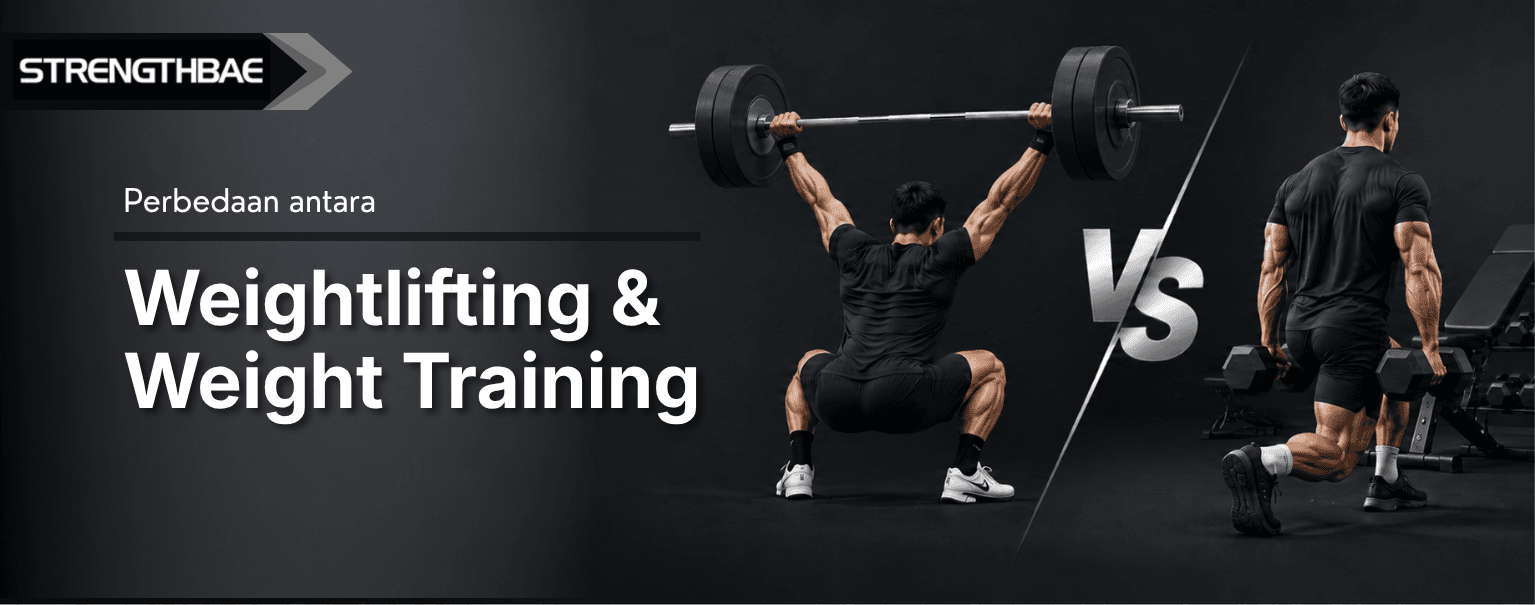
Read Also: Weightlifting vs Weight Training
Differences in Weightlifting and Powerlifting Technique
In weightlifting, lifting technique focuses on the ability to quickly move the body under the barbell and catch the weight in a stable position. The barbell moves from the floor to overhead, requiring good coordination, speed, and body control.
In powerlifting, lifting technique follows competition rules, such as squat depth and the pause requirement during the bench press. Athletes can also adjust their hand and foot positions to make each lift more efficient. For example, using a sumo stance in the deadlift or a wider stance in the squat can help reduce the barbell's range of motion while still staying within the rules.
Differences in Weightlifting and Powerlifting Training Programs
Weightlifting training programs involve frequent practice of the snatch and clean & jerk to improve technique, speed, and coordination. Supporting exercises such as snatch pulls, clean pulls, front squats, overhead squats, and push presses help strengthen the areas needed for both lifts.
Powerlifting training programs focus on improving strength in the squat, bench press, and deadlift. Variations such as pause squats, pin bench presses, and deficit deadlifts can be used to train difficult portions of each lift, while accessory exercises help strengthen weaker muscle groups.
Differences in Sets, Repetitions, and Intensity Between Weightlifting and Powerlifting
In weightlifting, the main lifts typically use low repetitions, around 1–3 reps per set. The goal is to keep the movement fast while maintaining good technique. Too many repetitions can cause fatigue, which may reduce technique and movement control.
In powerlifting, the number of repetitions can change depending on the training phase. During muscle-building and higher-volume phases, exercises may use around 5–10 repetitions. As competition approaches, repetitions are usually reduced to 1–3 with heavier loads to prepare the body for maximal lifting.
Weightlifting vs Powerlifting Equipment
Weightlifting and powerlifting equipment are designed around the specific demands of each sport.
Weightlifting Equipment
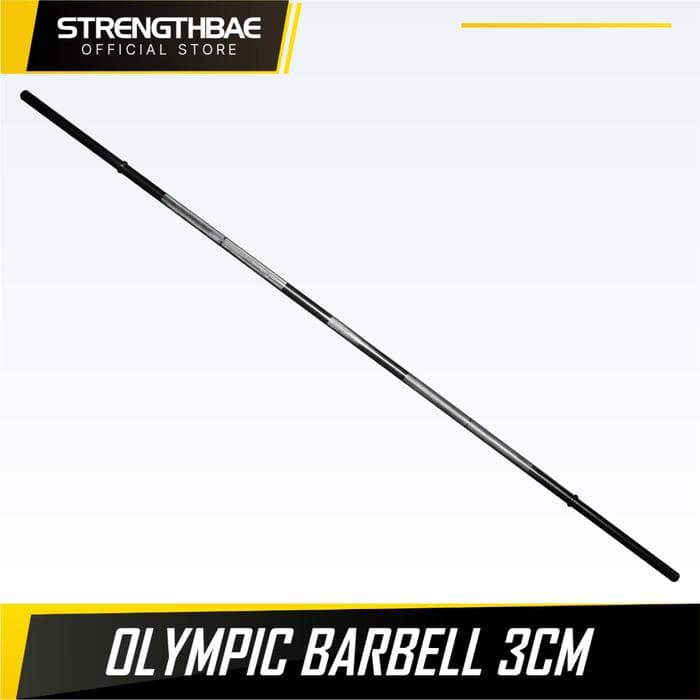
Weightlifting equipment includes an Olympic weightlifting barbell, rubber bumper plates, a wooden or rubber weightlifting platform, weightlifting shoes with hard soles and slightly elevated heels, and chalk to improve grip.
Powerlifting Equipment
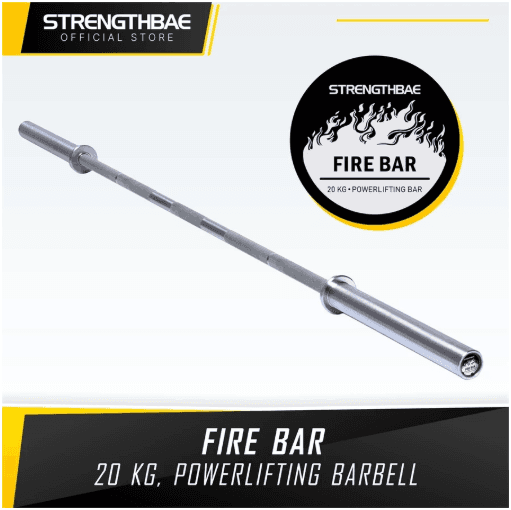
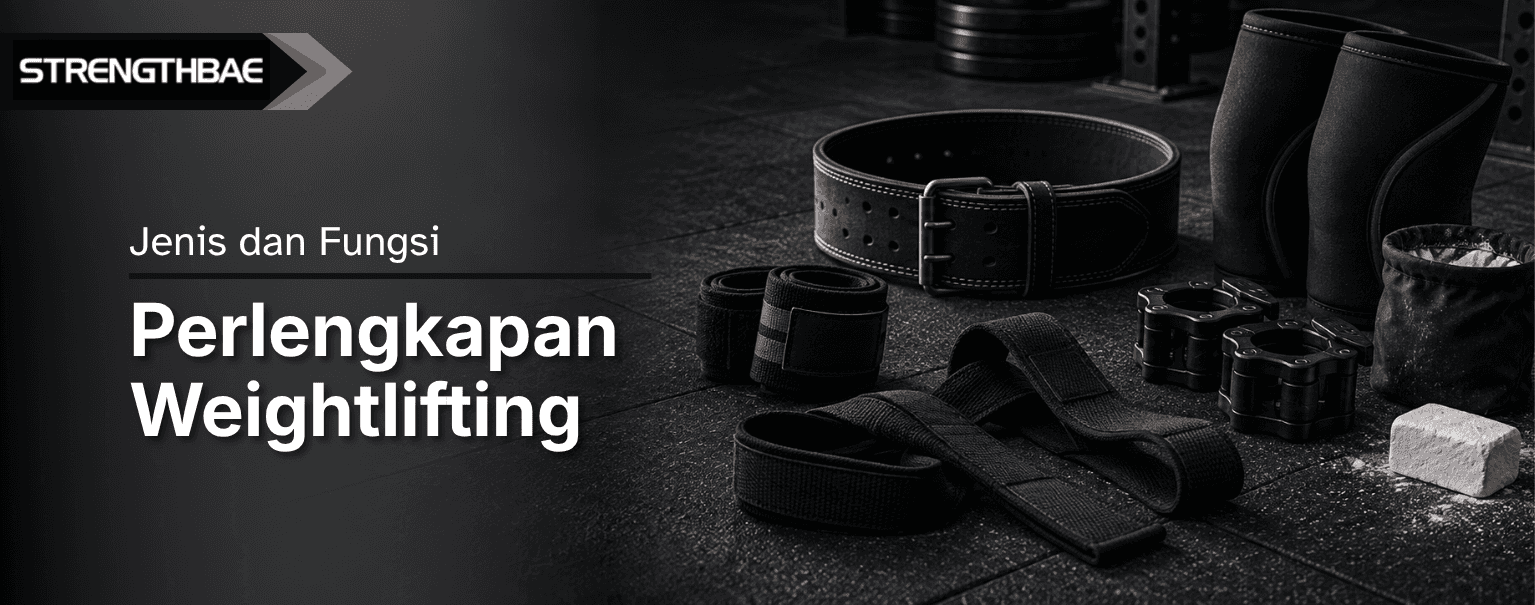
Powerlifting equipment includes a stiff powerlifting barbell, power rack or combo rack, bench press station, iron or steel weight plates, and supporting equipment such as lifting belts, knee sleeves or wraps, and wrist wraps.
Differences in Barbells and Weight Plates
Weightlifting barbells are designed with sleeves that rotate smoothly using bearings, allowing the barbell to follow the movement of the hands during fast lifts. The shaft also has a certain level of flexibility, or whip, which helps with explosive barbell movements.
Powerlifting barbells, on the other hand, are designed to be stiffer to provide greater stability when lifting heavy loads. They typically have more aggressive knurling and center knurling to help keep the barbell securely positioned on the back during squats.
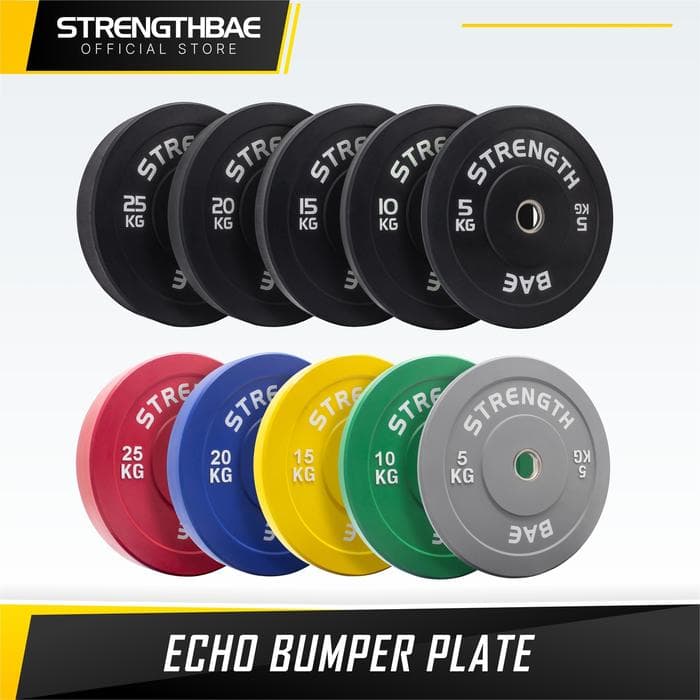
In weightlifting, bumper plates are used so the barbell can be safely dropped from an overhead position onto the platform, reducing the risk of damage to the floor and equipment. Powerlifting more commonly uses thinner iron or steel weight plates, allowing more weight to be loaded onto the barbell.
Read More: Earth Barbell Strengthbae
Weightlifting vs Powerlifting for Beginners
Both types of training can be learned safely when performed with proper technique and appropriate guidance. However, the term "beginner" here refers to someone who is already familiar with strength training, rather than someone who is completely new to exercise. Make sure you have a solid foundation in basic strength training techniques before taking up either sport.
For beginners who already have a foundation in strength training, powerlifting is generally easier to learn because the squat, bench press, and deadlift have relatively straightforward movement patterns that can be practiced progressively.
Weightlifting, on the other hand, involves more complex techniques and requires greater mobility and coordination. If you are completely new to strength training, it is better to build your strength and master the basic movements first before learning weightlifting.
Benefits of Weightlifting and Powerlifting
The choice between weightlifting and powerlifting should depend on your training goals:
For Increasing Strength
Powerlifting is more suitable if your main goal is to increase maximal strength. Training focuses on the squat, bench press, and deadlift using heavy loads.
For Increasing Explosive Power
Weightlifting is more suitable for developing speed and explosive power. Movements such as the Snatch and Clean & Jerk require the body to produce a large amount of force in a short period of time.
For Building Muscle
Both can help build muscle mass. Results are influenced by training volume, training load, progressive overload, nutrition, and recovery.
For Supporting Athletic Performance
Combining both can be beneficial for athletes. Weightlifting helps develop power and speed, while powerlifting helps build foundational strength that can support various athletic activities.
Combining Weightlifting and Powerlifting
You do not necessarily have to choose between weightlifting and powerlifting. Both can be combined in a single training program to develop explosive power as well as strength.
For example, perform the snatch or clean (weightlifting) at the beginning of the session while your body is still fresh. These movements require speed, coordination, and explosive power, so they are best performed before excessive fatigue sets in. After that, continue with exercises such as heavy squats or bench presses (powerlifting) to develop maximal strength.
However, training volume and loads should still be adjusted to allow sufficient recovery. Combining both sports is more effective when training volume is controlled and proper technique is maintained.
FAQ
Do weightlifting and powerlifting have to be done for competition?
No. Weightlifting and powerlifting can also be part of everyday strength training without competing. Their movements can help improve strength, muscle mass, bone density, and overall fitness.
Which is better for building muscle, weightlifting or powerlifting?
Both can help build muscle mass. Powerlifting primarily trains the legs, chest, and back through the squat, bench press, and deadlift, while weightlifting engages nearly the entire body through fast and explosive movements. Both can also be supplemented with accessory exercises for more comprehensive development.
Can beginners learn weightlifting and powerlifting on their own?
Beginners should ideally learn the basic techniques with the help of a coach or a reliable training guide. Powerlifting is generally easier to learn progressively, while weightlifting involves more complex technique and coordination, particularly for overhead movements.
What type of barbell and weight plates should I buy for a home gym or commercial gym?
For general training and weightlifting, use a barbell with smooth sleeve rotation and bumper plates. For heavy powerlifting, a stiff power bar and a sturdy power rack are more suitable.
Are weightlifting and powerlifting movements safe for joint health?
Both can be performed safely when proper technique is used, the load is appropriate for your ability, and you allow enough time for warm-up and recovery. Regular strength training can also help maintain bone, muscle, and supporting tissue strength around the joints.
Achieve Your Best Weightlifting and Powerlifting Performance with Strengthbae
Understanding the differences between weightlifting and powerlifting can help you choose the right training methods and equipment for your goals. Whether you want to develop explosive power through weightlifting or improve maximal strength through powerlifting, using the right equipment can make training safer and more comfortable.
Strengthbae provides a range of weightlifting and powerlifting equipment, along with supporting accessories, for both home gyms and commercial gyms. Our selection includes barbells, bumper plates, power racks, and various training accessories. Contact the Strengthbae team for equipment recommendations based on your needs.
Strengthbae is a professional gym equipment brand providing solutions for commercial gyms and home gyms. From racks and All in One Trainers to functional training equipment for HYROX-standard training, everything is available from Strengthbae.