How to Build a Home Gym in a Basement: Guide & Tips
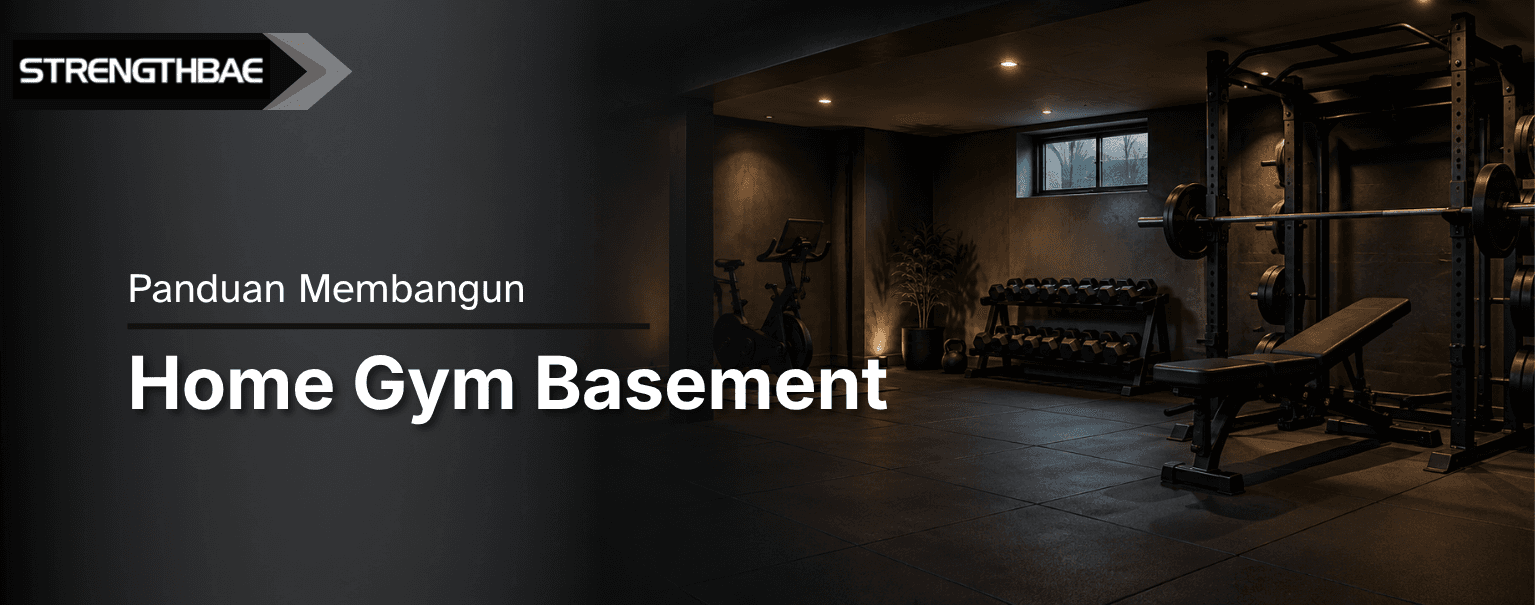
Building a home gym in a basement should start by making sure the room is safe and comfortable. A basement can be a good choice for a home gym because its temperature tends to be more stable and it is separated from the main activities in the house.
However, basements also have several factors that need to be considered, such as the risk of water seepage, stuffy air, humidity that can cause rust, and limited ceiling height. Therefore, planning should be done before purchasing and installing gym equipment.
This article covers checking the condition of the basement, managing humidity, preventing rust, reducing noise, arranging the layout, and choosing suitable gym equipment.
Check the Room Condition Before Building a Basement Home Gym
The condition of the basement should be inspected before bringing in gym equipment, especially heavy equipment. Basement home gyms are more susceptible to humidity and water-related problems than rooms on upper floors. If these conditions are not properly addressed, they can damage fitness equipment and make the room less comfortable to use.
Check the walls, floor corners, and surrounding areas for water seepage, standing water, mold, musty odors, or condensation. Also make sure the waterproofing and drainage systems are working properly. If there are still water-related problems or the basement structure is not yet safe, make the necessary repairs before installing gym equipment.
Basement Humidity
High humidity is one of the main concerns in a basement home gym because it can accelerate rust on metal components such as barbells, weight plates, cable machine cables, guide rods, bolts, and steel frames. Humidity above 60% can also encourage mold growth on benches, rubber mats, and fabric accessories. Ideally, maintain room humidity around 40–60% and use a hygrometer to monitor it.
Maintain Air Circulation and Temperature
Use an air conditioner to keep the basement home gym at a comfortable temperature during workouts. However, an AC alone is not enough to manage humidity. A dehumidifier with a drain hose can help continuously reduce humidity and prevent musty odors.
Ensure Adequate Ventilation
Basements usually have limited natural airflow. Proper ventilation helps keep the air fresh, reduce humidity, and lower the risk of mold. You can use an exhaust fan, mechanical ventilation, or an HVAC (Heating, Ventilation, and Air Conditioning) system for your basement home gym. Make sure gym equipment does not block ventilation pathways or vents.
Consider the Risk of Water and Flooding
Check the floor drain, drainage system, and sump pump to make sure water can drain properly. Avoid placing electronic equipment or gym equipment directly in areas at risk of water seepage or flooding. Keep in mind that rubber flooring only protects the basement home gym floor from impact and is not a substitute for basement waterproofing.
Consider the Size of the Basement Home Gym
The physical condition and dimensions of the basement determine what equipment and exercises can be performed safely. Therefore, measure the home gym space accurately to ensure equipment does not hit the ceiling, become difficult to use, or fail to fit during delivery.
Pay Attention to Ceiling Height
Ceiling height is an important factor when choosing fitness equipment for a basement. Measure the height from the floor to the lowest point of the ceiling, including areas obstructed by pipes, HVAC ducting, concrete beams, or lighting fixtures.
Also consider the height of equipment such as Power Racks, Smith Machines, All-in-One Trainers, cable machines, and pull-up bars. In addition to the equipment's height, leave enough overhead clearance when performing pull-ups and movements such as overhead shoulder presses.
Consider the Access Route for Gym Equipment
Make sure the gym equipment can be brought into the basement home gym. Measure the width and height of doors, stair dimensions, corridor turns, and the available maneuvering space around the stairs. Compare these measurements with the dimensions of the equipment packaging when shipped.
Large equipment such as commercial treadmills, Smith Machines, leg presses, and All-in-One Trainers can weigh hundreds of kilograms. Therefore, it is advisable to choose equipment with a knockdown design that can be disassembled into several parts, making it easier to transport and install in the basement home gym.
Check the Condition and Load Capacity of the Floor
Basement floors are usually made of strong concrete, but floor capacity still needs to be considered when using multiple heavy pieces of equipment. Take into account the weight of the equipment, weight plates, dumbbell racks, as well as the user's weight. Avoid placing all heavy equipment in one area or corner of the room.
If the basement home gym is located above a specific floor structure or has an open space underneath, have the structure inspected by a building professional to ensure that the floor can support the load.
Choose the Right Flooring
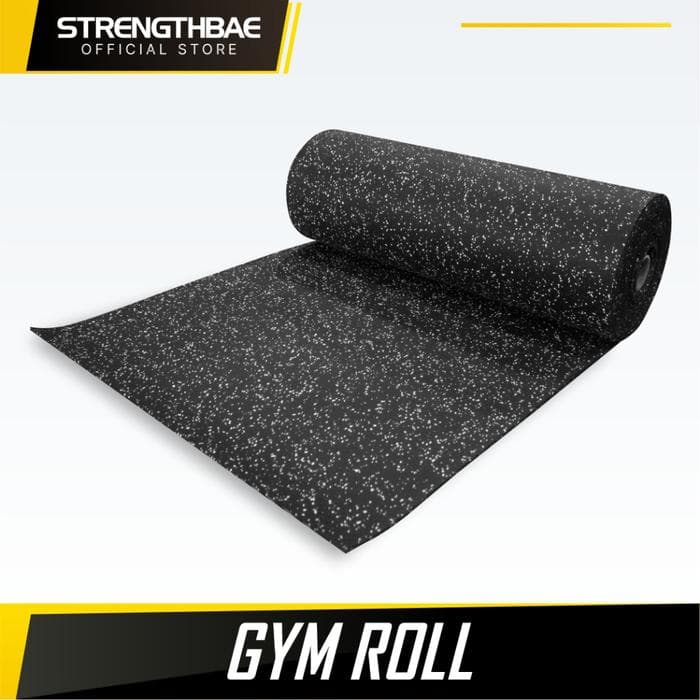
Use rubber flooring such as interlocking rubber tiles or horse stall mats with a thickness of around 15–30 mm to help protect the basement home gym floor. Rubber flooring can reduce impact, help absorb vibrations, improve grip to prevent slipping, and make the home gym look more organized.
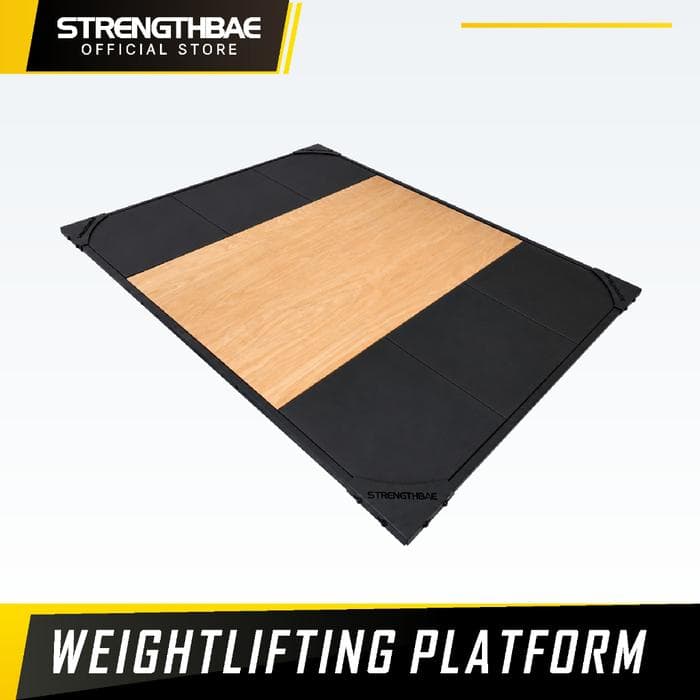
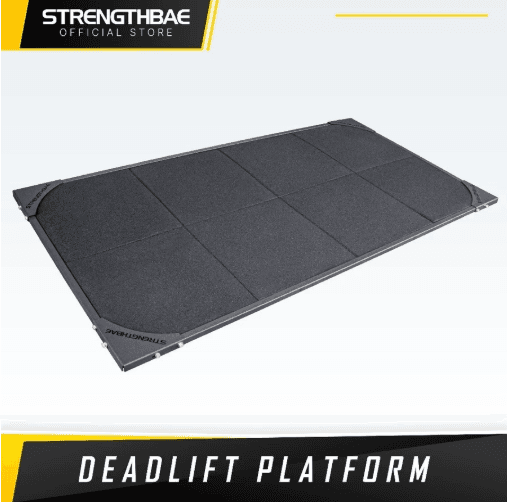
For deadlift or Olympic weightlifting areas, use an additional lifting platform made of wood and rubber. Before installing the flooring, make sure the concrete floor is completely dry and free from water seepage problems so that moisture does not become trapped underneath the rubber flooring.
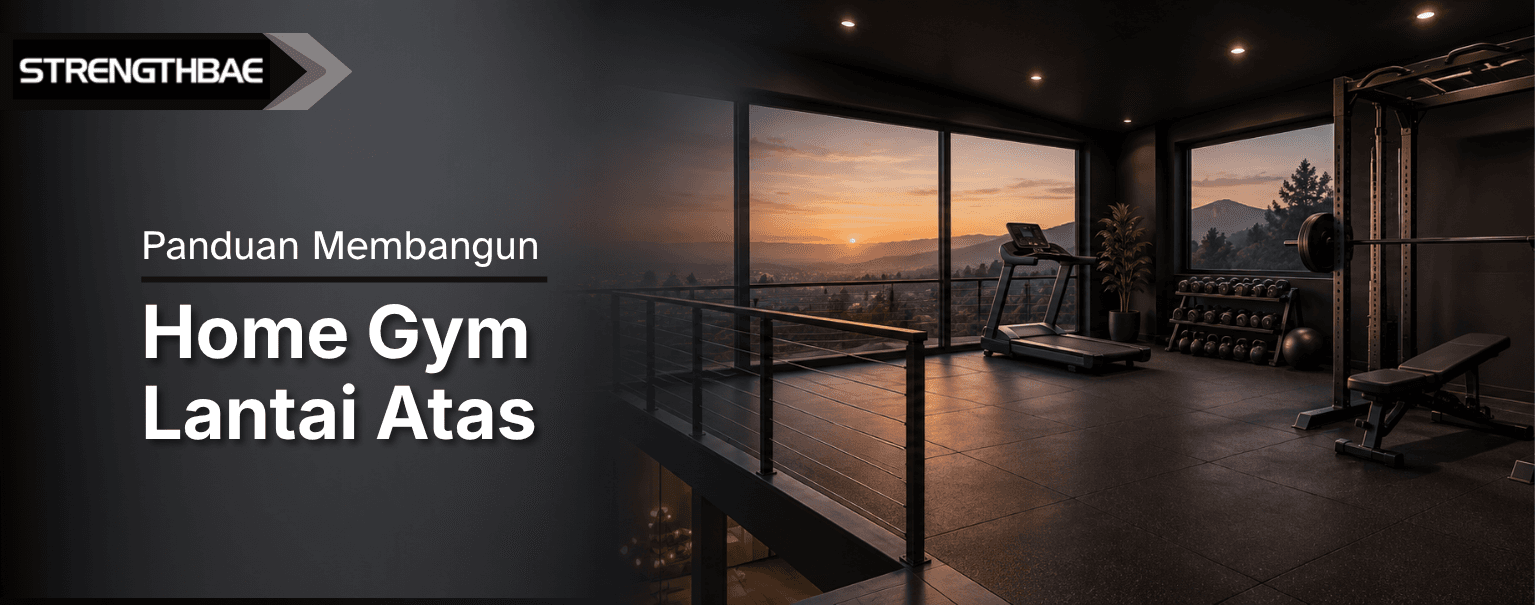
Read Also: Guide to Building a Home Gym on an Upper Floor
Set Up Electricity, Lighting, and Sound Reduction for Your Basement Home Gym
Supporting features such as safe electrical systems, sufficient lighting, and sound reduction can make a basement more comfortable to use as a home gym.
Set Up Electricity Safely
Determine the location of electrical outlets before arranging the home gym layout. Make sure cables from the treadmill, dehumidifier, fan, and TV do not cross walking paths and create a tripping hazard.
Avoid placing electrical outlets or cable connections in areas that could be exposed to water, and use electrical components that meet appropriate safety standards.
Pay Attention to Lighting
Basements usually have limited natural light, so they require sufficiently bright and evenly distributed lighting. Use LED lights that do not hang too low so they do not reduce headroom.
Make sure every training area has adequate lighting and that the lights do not cause glare when lying on a bench or using a mirror.
Reduce Noise and Vibration
Noise and vibrations from treadmills or dropped weights can travel to the areas of the house above the basement. Use sufficiently thick rubber flooring, bumper plates, and crash pads, especially in the deadlift area, to help reduce impact and vibration.
Whenever possible, avoid dropping weights from a height because this can damage the basement home gym floor and potentially disturb other occupants of the house.
Design the Basement Home Gym Layout
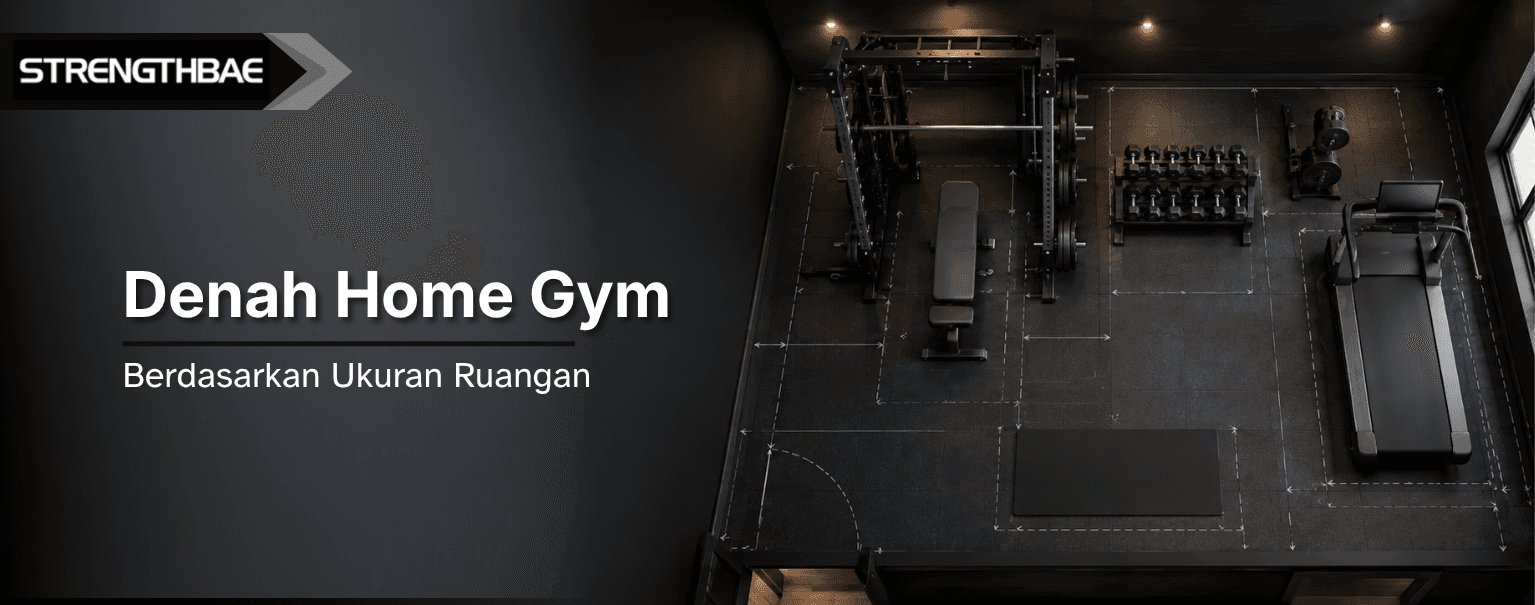
A well-planned layout helps make a basement home gym safer, more comfortable, and easier to use. Arrange the equipment so that walking paths remain clear and each training area has enough space.
Basement for Strength Training
If the primary focus is strength training, place the Power Rack, Smith Machine, or All-in-One Trainer near a sturdy wall. Position the adjustable bench in the rack area and store weight plates and dumbbells on racks that are easy to access. Leave enough open space for squats, lunges, deadlifts, and other free-weight exercises.
Basement for Cardio
Place the treadmill, exercise bike, air bike, or rowing machine in an area with good air circulation. Make sure there is a safe electrical outlet for motorized equipment and sufficient space around the equipment. For treadmills, leave enough clear space behind the machine so users can get on and off safely.
Basement for Strength and Cardio
If the basement is used for both purposes, divide the home gym into strength and cardio zones. Place large equipment around the walls so that the center of the room remains open and walking paths are not obstructed.
Leave Space for Maintenance
Do not place all equipment too close to the walls. Leave space around the machines to make them easier to clean, inspect, and repair. Also make sure the equipment does not block access to electrical panels, drainage systems, or technical areas of the building.
Keep Exit Routes Safe
The route from the basement home gym to the door or stairs should always remain clear of equipment and weights. Do not use exit areas or emergency access routes to store dumbbells, weight plates, or other gym equipment.
Protect Basement Home Gym Equipment from Rust and Mold
Regular maintenance is important to keep gym equipment in good condition, especially in a basement home gym where humidity can be higher. After training, immediately wipe sweat from barbells, benches, and machine frames using a dry cloth. Make sure the dehumidifier continues to operate to help control room humidity.
Regularly inspect metal components, coatings, bolts, and cables for signs of rust. Apply appropriate lubricant to the guide rods of Smith Machines or weight stacks according to the manufacturer's instructions. Also avoid storing mats, cloth, or foam-based equipment while they are damp.
Read More: Strengthbae All in One Trainer
Basement Conditions and Recommended Home Gym Solutions
The following table summarizes common basement conditions and solutions that can be considered when building a home gym:
Basement Condition | Challenge | Solution & Recommendation |
Humidity | Rust on equipment and mold on mats or benches | Use a dehumidifier to maintain humidity around 40–60%, wipe away sweat, and use appropriate lubricant as needed. |
Low Ceiling | Equipment may be too tall and overhead movements may be limited | Choose a compact rack, All-in-One Trainer, seated press, or adjustable dumbbells according to the room height. |
Air Circulation | The room feels stuffy, hot, or has an unpleasant odor | Use AC and an exhaust fan, and do not block ventilation pathways with equipment. |
Noise & Impact | Vibrations and noise can travel to the floor above | Use 20–30 mm rubber flooring, bumper plates, and crash pads. Avoid dropping weights. |
Access Route | Narrow doors and stairs can make equipment delivery difficult | Measure the access route before purchasing and choose equipment with a knockdown design that can be disassembled. |
Checklist Before Building a Home Gym in a Basement
Use the following checklist to help you choose and arrange equipment for your basement home gym:
[ ] Basement wall and floor waterproofing is secure and there are no leaks.
[ ] The risk of water seepage and standing water has been addressed with a floor drain / sump pump.
[ ] Temperature and humidity have been measured with a hygrometer, with a target RH of 40–60%.
[ ] Ventilation systems such as AC / exhaust fan / HVAC are functioning properly.
[ ] Ceiling height has been measured, including pipes, ducting, and lighting fixtures.
[ ] The condition and load capacity of the concrete floor have been checked.
[ ] Electrical outlets are available in safe locations and cables do not cross walking paths.
[ ] Lighting is sufficient and evenly distributed throughout the training area.
[ ] Doorways, stairs, corridors, and turns have been measured to accommodate equipment access.
[ ] Access routes for large equipment such as treadmills, Smith Machines, and All-in-One Trainers have been confirmed.
[ ] Equipment dimensions and the space required to use them have been taken into consideration.
[ ] Around 30–50 cm of space for equipment maintenance and cleaning is available.
[ ] Emergency exit routes are free from equipment and other items.
[ ] The required 15–30 mm rubber flooring has been calculated.
[ ] Equipment that is sensitive to water and humidity is placed in a safe area.
FAQ
Is a basement safe to use as a home gym?
Yes, a basement can be safely used as a home gym as long as it does not have water seepage problems, has good air circulation, and its humidity can be controlled with a dehumidifier. Also make sure the floor and room structure are in good condition and use rubber flooring to help protect the floor and equipment.
What is the minimum ceiling height for installing a power rack in a basement?
A recommended ceiling height is 220–240 cm. However, make sure the power rack you choose fits the room height and still leaves enough headroom for movements such as pull-ups and overhead presses.
How can you control humidity in a basement gym?
Use a dehumidifier to maintain humidity around 40–60%. A dehumidifier with a drain hose is more practical because water can be continuously drained. Air circulation can also be supported with an exhaust fan. After training, immediately wipe sweat from metal equipment.
Is rubber flooring alone enough to prevent water problems in a basement?
No. Rubber flooring protects the floor from impact, reduces vibration, and helps improve grip. Rubber flooring is not a substitute for waterproofing. If the basement still has water seepage or leaks, the problem should be fixed before installing the flooring.
Which is better for a basement, an All-in-One Trainer or separate equipment?
For a basement with limited space, an All-in-One Trainer can be a more practical option because several functions, such as a Power Rack, Smith Machine, and Cable Machine, can be combined into a single unit. This allows you to have more exercise options without requiring multiple separate machines.
Build Your Dream Basement Home Gym with Strengthbae
Building a basement home gym can be a long-term investment to support a healthy lifestyle for the whole family. Make sure humidity is controlled, the ceiling is high enough, the flooring is suitable, and the layout is arranged according to your training needs. Check the condition of the basement first before choosing equipment, then select gym equipment that suits the size and condition of the room.
If you need help planning a layout, choosing equipment, or preparing a basement home gym package, another home gym setup, or a commercial gym, you can consult the Strengthbae team for free today.
Strengthbae is a professional gym equipment brand that provides solutions for commercial gym businesses and home gyms. From racks and All in One Trainers to functional training accessories such as HYROX-standard sandbags, everything is available at Strengthbae.