Guide to Building a Home Gym on an Upper Floor
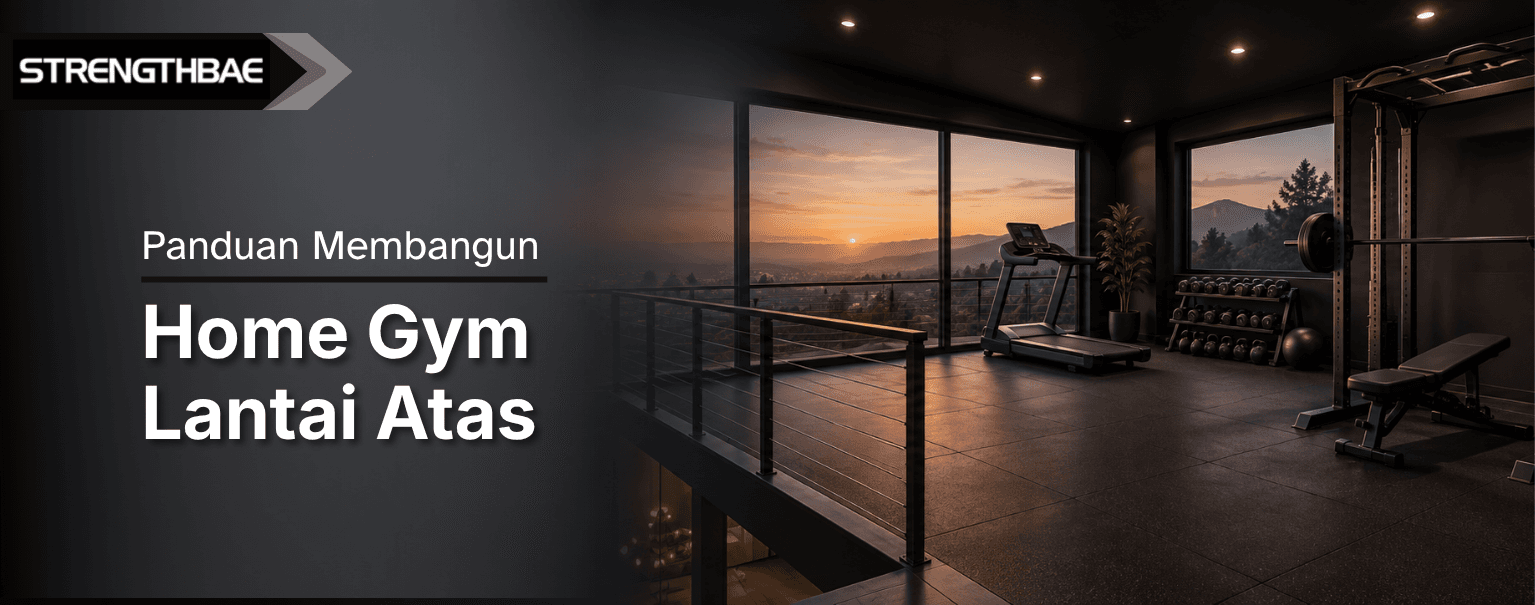
Building a home gym on an upper floor can be an attractive solution for making use of unused space at home without adding a new structure. However, an upper-floor home gym requires more careful planning because you need to consider equipment weight, training loads, vibrations, and the building's structural capacity.
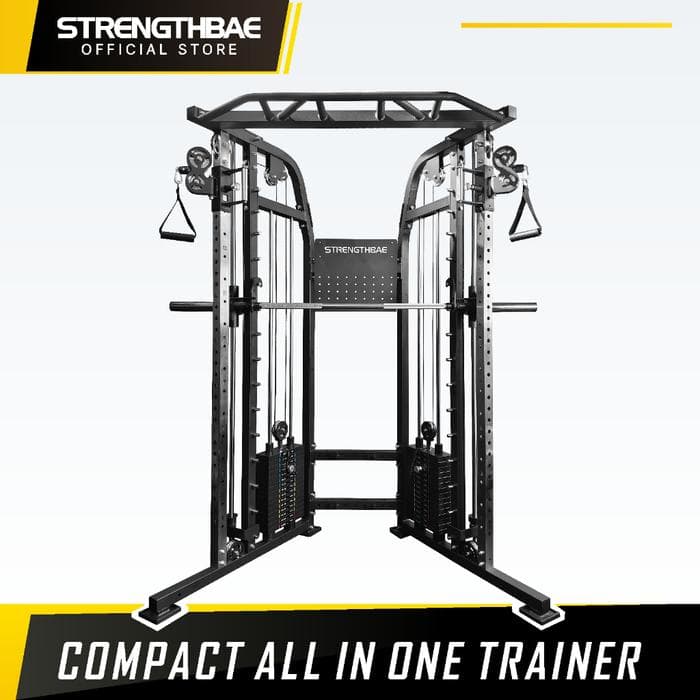
Before placing equipment such as a Smith Machine, All in One Trainer, leg press, treadmill, or free weights, make sure the floor and building structure are adequate. The choice of rubber flooring, equipment placement, and load distribution should also be considered so the home gym remains safe, comfortable, and does not cause structural problems in the house.
Understand the Upper-Floor Structure for an Upper-Floor Home Gym
Before placing heavy gym equipment in an upper-floor home gym, it is important to understand the type of upper-floor construction being used. Houses commonly use reinforced concrete, steel joists, or composite slabs, and each has a different load-bearing capacity.
Also pay attention to the position of beams and columns supporting the floor beneath the future home gym area. The spacing between supports or the floor span also matters. This is because an upper floor with a longer span may flex more easily when receiving a load.
For older houses or buildings that have been renovated, it is advisable to recheck the structural condition and use structural drawings or as-built drawings if available. What matters most is not only the condition of the floor surface, such as tiles or parquet, but also the structure beneath the upper-floor home gym that actually supports the weight of the gym equipment.
Check the Load Capacity for an Upper-Floor Home Gym
Checking floor capacity means calculating the total load that will be placed in the room. This is especially important if your upper-floor home gym uses heavy equipment or is used for intensive training every day.
Floor capacity is not determined only by the size of the room. The calculation also needs to consider the weight of the gym equipment, weight plates, user weight, equipment placement, and the type of exercises being performed. If you plan to use heavy equipment or regularly perform heavy lifts, it is advisable to have the structure inspected by an engineer to ensure the upper-floor home gym can safely support the load.
Read Also: Building a Home Gym from Scratch: Where to Start
Calculate the Total Equipment Weight for an Upper-Floor Home Gym
Calculating the total load of a home gym is not enough by looking only at the equipment's unloaded weight. The actual load should include the equipment weight, weight plates, user weight, and other accessories.
The simple formula is:
Total Weight = Equipment Weight + Weight Plates + User Weight + Accessories
For example, an All in One Trainer or Smith Machine weighing 250 kg, combined with 200 kg of weight plates, an 80 kg user, and 70 kg of dumbbells and a bench, results in a total load of 600 kg in the upper-floor home gym. Therefore, do not forget to calculate all equipment and additional loads when planning a home gym on an upper floor.
Avoid Concentrated Loads
Loads distributed across a larger floor area have less impact than loads concentrated at a single point. For example, stacking hundreds of kilograms of weight plates on a single weight tree can place significant pressure on a small floor area.
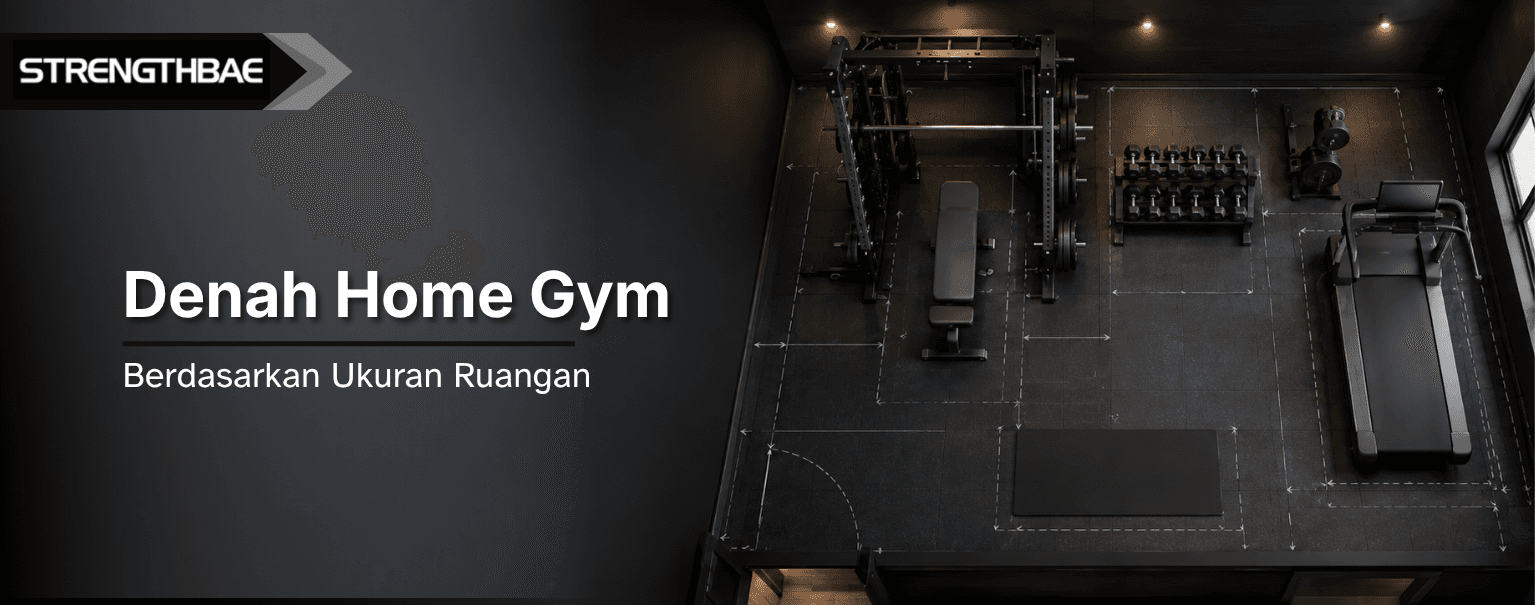
The same applies to heavy equipment such as a leg press or All in One Trainer, which transfers its load through several support points. Therefore, avoid placing all heavy equipment, dumbbell racks, and weight plates in one area. Distribute the equipment so the load is more evenly spread and pressure on the upper-floor home gym is not concentrated in one area.
Difference Between Static and Dynamic Loads
Upper-floor safety for a home gym needs to consider two types of loads: static and dynamic loads. Static loads are the weight of equipment, benches, and weight plates resting on the floor without moving. Meanwhile, dynamic loads come from movement, impact, or vibrations during training, such as when a barbell is dropped.
As a general illustration, residential upper floors are often designed to support evenly distributed loads of around 195–245 kg/m². However, this figure does not guarantee that every floor can safely support gym equipment with that load. A 200 kg barbell placed carefully is different from a barbell being dropped, as the impact can generate a much greater force. For an upper-floor home gym, avoid dropping weights and make sure the structural capacity is checked if you are using heavy loads.
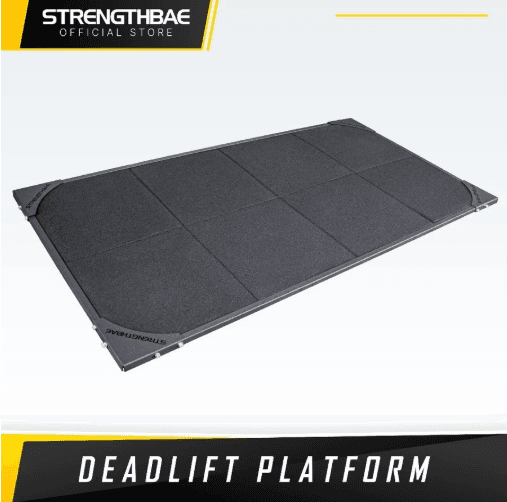
For a home gym on the second or third floor, avoid intentionally dropping weights because heavy deadlifts, Olympic weightlifting, box jumps, plyometrics, and skipping can generate significant impact and vibrations. If you want to perform high-impact exercises, make sure the upper-floor home gym structure has been inspected and use a platform or flooring that can help absorb impact.
Cardio Equipment Vibration in an Upper-Floor Home Gym
Treadmills and cardio equipment need to be considered more carefully when building an upper-floor home gym because they produce vibrations and dynamic loads. Treadmills also have a relatively high weight, in addition to the user's weight while walking or running. Therefore, pay attention to floor capacity and equipment placement, and use mats or flooring that can help reduce vibrations and noise transmitted to the floor below.
Other cardio equipment such as ellipticals, stationary bikes, and rowing machines generally produce less vibration than treadmills during running. Even so, still consider the equipment weight and type of movement, especially if the upper-floor home gym is directly above a bedroom or living room. Proper equipment placement and use can help reduce disturbing noise and vibrations.
Additional Flooring for an Upper-Floor Home Gym
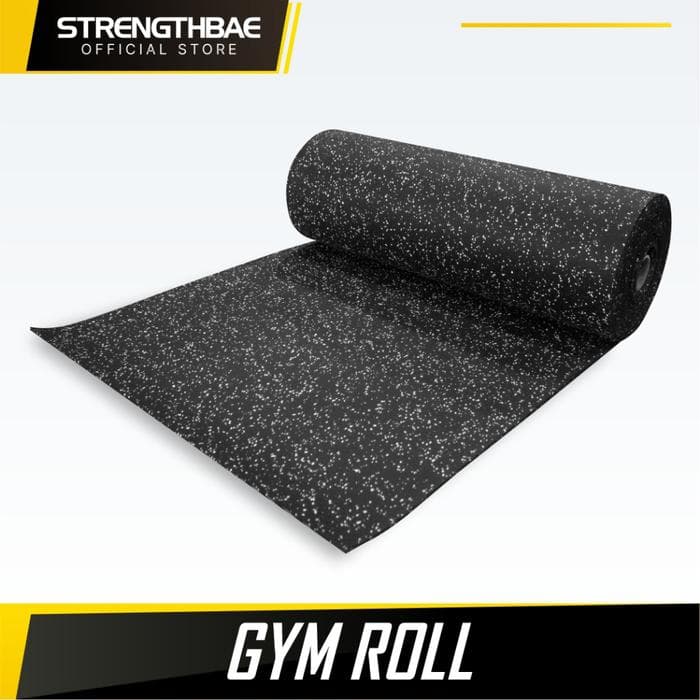
Using rubber flooring for an upper-floor home gym, such as rubber mats, SBR tiles, or EPDM tiles, is highly recommended. In addition to protecting the floor from scratches and impact, rubber flooring also helps reduce vibrations and noise when equipment is being used or weights are placed down.
However, rubber flooring does not make the upper-floor structure stronger. Rubber thickness should not be used as a reason to place loads that exceed the building's structural capacity. Make sure the floor capacity is still checked before installing heavy equipment or placing heavy loads.
Read Also: 4 Types Gym Flooring and Platform in Strengthbae
How to Determine Rubber Flooring Thickness
The following is a simple guide to help determine the type of flooring and equipment placement for an upper-floor home gym.
Gym Equipment Type | Estimated Total Load | Load Characteristics | Flooring | Placement Tips |
All in One Trainer / Smith Machine | 350–600+ kg | Static load | 20–30 mm rubber | Place in an area with strong structural support and use an isolation pad |
Heavy Deadlift & Barbell Station | 250–500+ kg | Dynamic load and impact | 30–40 mm rubber + platform | Use bumper plates and avoid dropping weights without a platform |
Treadmill | 200–380 kg | Dynamic load and vibration | 20 mm rubber + anti-vibration pad | Use a vibration-damping mat and follow the manufacturer's recommendations |
Dumbbell & Bench | 150–300 kg | Concentrated load | 15–20 mm rubber | Distribute the dumbbells and avoid stacking all the weight in one area |
Bike / Rower | 80–180 kg | Static load and low vibration | 10–15 mm rubber | Generally produces less vibration, but floor capacity still needs to be checked |
Keep in mind that rubber flooring is intended to protect the floor and help reduce impact and vibration, not to increase the structural capacity of the floor. For heavy equipment and loads, the condition and structural capacity of the building remain the primary factors.
Consider Gym Equipment Mobility into an Upper-Floor Home Gym
Gym equipment that is structurally safe still needs to be brought into the upper-floor home gym. Therefore, before purchasing, check the dimensions of doors, stairs, headroom above the stairs, and corridor width to make sure the equipment can pass through the entire access route.
Also consider the size and weight of the equipment packaging. If possible, choose equipment with a knockdown design that can be disassembled into several parts to make it easier to carry upstairs and assemble in the upper-floor home gym.
Consider Consulting a Professional or Civil Engineer
Do not assume that all second- or third-floor structures have the same load-bearing capacity, for example, based only on a figure of 200 kg/m². Floor capacity is affected by the type of construction, span length, load position, building condition, and dynamic loads from training activities. Two rooms with the same dimensions do not necessarily have the same structural strength.
If the total equipment and weight plates are relatively heavy, you plan to perform heavy deadlifts or Olympic weightlifting, use a treadmill intensively, the building is more than 20 years old, or the home gym is located on the second floor or higher, it is advisable to consult a civil engineer. When consulting, prepare the weight of each piece of equipment and weight plate, as well as the home gym layout, so the structural condition and load distribution can be assessed more accurately.
Checklist Before Building a Home Gym on an Upper Floor
Use the following checklist as a required verification before purchasing and arranging gym equipment in your upper-floor home gym.
[ ] The type of floor construction is known, such as reinforced concrete, steel joists, or a concrete slab.
[ ] The position and condition of the supporting beams and columns have been checked.
[ ] The total weight of the equipment, weight plates, and users has been calculated.
[ ] The placement of heavy loads such as weight plates and racks has been arranged so they are not concentrated in one area.
[ ] Dynamic loads and vibrations from training activities have been considered.
[ ] Dropping weights has been avoided if the safety of the floor structure has not yet been confirmed.
[ ] Potential noise and vibrations transmitted to the room below have been considered.
[ ] Rubber flooring has been selected according to the type of equipment and training needs.
[ ] The dimensions of doors, stairs, corridors, and turning paths have been measured for equipment delivery.
[ ] Upper-floor structural drawings or as-built drawings have been checked if available.
[ ] The capacity and safety of the structure have been evaluated by a professional or engineer, especially for the use of heavy equipment and loads.
FAQ
Is it safe to build a home gym on an upper floor?
Yes, an upper-floor home gym can be built safely as long as the floor has sufficient load capacity, equipment loads are distributed properly, and training activities are suited to the building's vibration tolerance. Calculating the total accumulated weight and using appropriate rubber flooring are key factors in maintaining the safety of an upper-floor home gym.
Does a rubber mat make an upper-floor home gym stronger?
No. A rubber mat is used to protect the ceramic floor from scratches, absorb impact, and reduce sound and vibrations transmitted to the floor below. However, a rubber mat does not increase the structural load capacity of the concrete slab and floor beams.
Is it safe to place a treadmill in an upper-floor home gym?
A treadmill can be placed on an upper floor as long as the floor structure can support the combined weight of the machine and user, and an anti-vibration pad is used. Position the treadmill near the main supporting beams to help minimize vibration transmission during daily running.
Can I do deadlifts in an upper-floor home gym?
Deadlifts can be performed on an upper floor by controlling the lowering of the weight and avoiding the habit of dropping the barbell or weights. Using bumper plates, a vibration-damping deadlift platform, and thick rubber mats is highly recommended to help absorb impact on the floor.
Can a Smith Machine or All-in-One Trainer be placed in an upper-floor home gym?
A Smith Machine and All-in-One Trainer can be suitable for an upper-floor home gym because their frame structure distributes the load across a relatively large footprint. Before purchasing, check the unloaded weight of the unit, plan the amount of weight plates carefully, and position the unit near an exterior wall or structural beam of the house.
Build Your Upper-Floor Home Gym with Strengthbae
Building a home gym on an upper floor requires more planning than simply measuring the room size. Consider the structural strength of the floor, total equipment and load weight, equipment placement, and the selection of suitable equipment to keep the home gym safe and comfortable to use.
Before purchasing heavy equipment, prepare the equipment specifications and room layout for review by a structural engineer and fitness professional. Strengthbae can also help you choose an All in One Trainer, Smith Machine, rubber flooring, and home gym equipment packages suitable for an upper-floor home gym.
Strengthbae is a professional gym equipment brand providing solutions for commercial gym businesses and home gyms. From racks and All in One Trainers to functional training accessories such as Hyrox-standard sandbags, everything is available at Strengthbae.