Complete Guide to Gym Pec Fly Rear Delt Machine
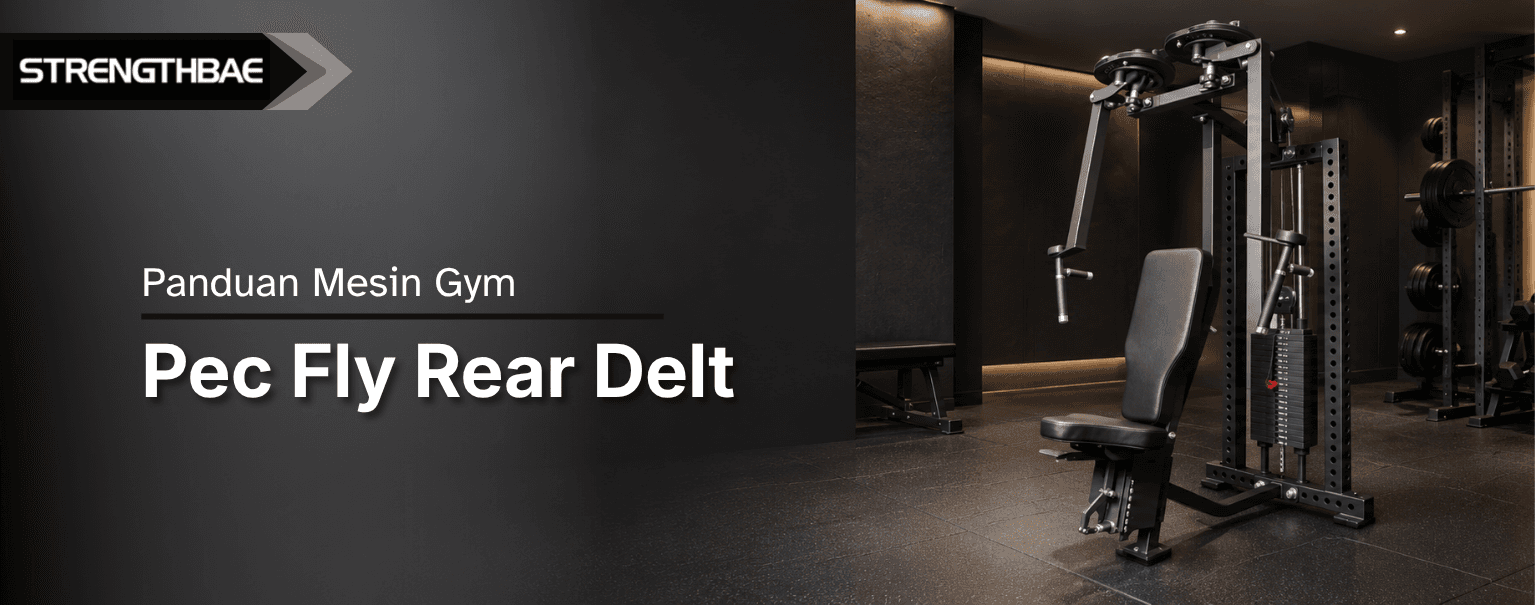
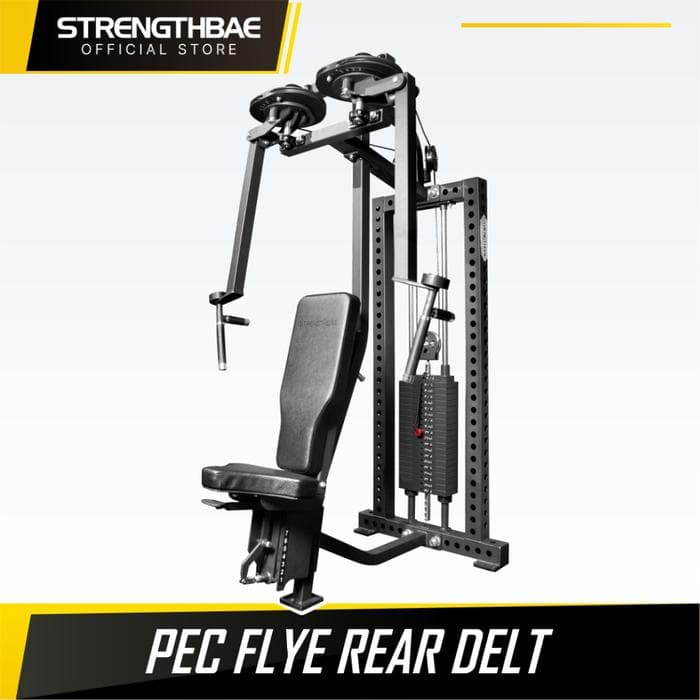
The Pec Fly Rear Delt Machine is a 2-in-1 gym machine that can be used to train the chest and rear shoulders with one piece of equipment. The Pec Fly mode is used to train the chest by moving both arms forward until they come closer together, while the Rear Delt Fly mode is used to train the rear shoulders by moving both arms outward and backward.
Before training, adjust the seat position, machine arm position, and weight of the Pec Fly Rear Delt Machine according to your needs. Proper adjustment helps keep your body comfortable and stable while making the movement more effectively target the intended muscles.
What Is a Gym Pec Fly Rear Delt Machine?
The Pec Fly Rear Delt Machine is a selectorized or pin-loaded strength training machine that combines two types of exercises in one machine. It can be used to train the chest through the Pec Fly movement and the rear shoulders through the Rear Delt Fly movement. Pec Fly involves bringing both arms together toward the front of the body, while Rear Delt Fly involves opening both arms outward and backward.
Both Pec Fly Rear Delt modes use machine arms that can be rotated and adjusted. The arm position is changed using the adjustment pin. When the machine arms are positioned behind the body, the machine is used for Pec Fly.
For Rear Delt Fly, the machine arms are moved toward the front, then the user turns their body around to perform the movement by pulling the arms backward.
Several main parts of the Pec Fly Rear Delt Machine that you should recognize before using it include:
Seat: The user's seat, which can be raised or lowered using the adjustment lever underneath the seat. The seat position should be adjusted so that the body is in the correct position during exercise.
Back Pad: The pad that supports the back when performing Pec Fly. When using Rear Delt Fly mode, the body position is reversed so that the pad supports the chest.
Handle or Arm Pad: The part used to grip or support the arms during the movement. This part transfers the load when the arms are pushed or pulled.
Adjustment Pin: The locking pin located at the top of the machine arm pivot. This pin is used to adjust the position and angle of the arms according to the selected exercise mode.
Weight Stack: A stack of metal plates inside the machine frame that provides the load or resistance during exercise.
Selector Pin: The pin inserted into the weight stack to select the amount of weight to be used.
Differences Between Pec Fly and Rear Delt Modes
The main differences between Pec Fly and Rear Delt modes are the direction of the arm movement, body position, and primary target muscles.
In Pec Fly mode, the user sits facing outward with their back against the back pad. Both arms move from an open position at the sides of the body toward the front of the chest. This movement primarily trains the chest muscles or pectoralis major.
In Rear Delt Fly mode, the body position is reversed so that the chest faces and rests against the back pad. Both arms start in front of the body and are then opened outward and backward. This movement primarily trains the posterior deltoid or rear shoulder, with assistance from the upper back muscles.
Criteria | Pec Fly Mode | Rear Delt Fly Mode | Effect on Training |
Body Position | Facing outward with the back against the pad | Facing inward with the chest against the pad | Determines body position and movement direction |
Movement Direction | Arms move together toward the front of the chest | Arms move outward and backward | Changes the shoulder movement from horizontal adduction to horizontal abduction |
Primary Muscle | Pectoralis major or chest muscles | Posterior deltoid or rear shoulder | Determines the primary muscle being trained |
Supporting Muscles | Anterior deltoid or front shoulder | Upper back such as the rhomboids and trapezius | Helps support the movement and body stability |
To change the machine from Pec Fly mode to Rear Delt Fly mode, pull the adjustment pin at the top of the arm pivot, then rotate the machine arms to the appropriate position. Once they are in the desired position, make sure the pin is fully inserted and securely locked before pushing or pulling the weight.
Read Also: Chest Press vs Bench Press Comparison
Muscles Trained by the Pec Fly Rear Delt Machine
Understanding which muscles work during the Pec Fly Rear Delt Machine exercises helps you structure your workout to maintain balanced upper-body development.
Pec Fly
The Pec Fly mode primarily trains the pectoralis major or chest muscles. When both arms move together toward the front of the body, the anterior deltoid or front shoulder also assists the movement. Because the movement focuses more on the chest and involves less triceps activity, Pec Fly can be used to add training volume and target the chest more directly.
Rear Delt Fly
The Rear Delt Fly mode primarily trains the posterior deltoid or rear shoulder. Upper-back muscles such as the rhomboids and middle trapezius also help control the movement of the shoulder blades as the arms move backward. This exercise helps strengthen the rear shoulders and balance chest training, which is often performed more frequently.
How to Adjust the Seat and Machine Position
Proper positioning of the Pec Fly Rear Delt Machine helps the muscles work more effectively and keeps the shoulders comfortable throughout the exercise. Follow these steps:
Adjust the seat height so that the handles or arm pads are aligned with the middle of your chest when using Pec Fly mode, or aligned with your shoulders when using Rear Delt Fly mode. Avoid setting the seat too low, as this can cause the shoulders to elevate during the movement.
Make sure both feet are firmly planted on the floor. In Pec Fly mode, your back should rest against the back pad, while in Rear Delt Fly mode, your chest should rest against the back pad.
Adjust the machine arm position using the adjustment pin. Choose an angle that provides a comfortable muscle stretch without pulling the shoulders too far backward.
Make sure the adjustment pin is securely locked into the selected position before lifting the weight.
Use a comfortable setting as the starting position for future workouts, then readjust as needed according to your body posture and the machine's design.
How to Perform a Pec Fly
Sit upright with your back and the back of your head against the back pad.
Grip the handles with a neutral grip or place your elbows on the arm pads according to the machine's design.
Keep your arms stable with your elbows slightly bent.
Inhale, then exhale as you slowly move both hands together toward the front of your chest.
Contract your chest muscles as your hands come together without lifting or pushing your shoulders forward.
Slowly return the handles over 2–3 seconds while maintaining tension in the chest muscles.
Avoid using momentum or swinging your body to move the handles. Do not allow the weight to pull your arms back suddenly. Keep the movement controlled and focus on contracting the chest muscles during each repetition.
How to Perform a Rear Delt Fly
Set the machine arms to Rear Delt mode, then sit facing inward with your chest against the back pad.
Grip the handles with your palms facing each other or facing downward.
Keep your elbows slightly bent in the same position and engage your core.
Exhale while opening both arms outward and backward using the rear shoulder muscles.
Pull until your arms are aligned with your shoulders, then contract the rear delts and upper back.
Slowly return the arms while maintaining control of the load.
Avoid raising your shoulders toward your ears or using body momentum to assist the movement. Do not arch your lower back. Use a weight that allows you to maintain control throughout the movement and keep your focus on the rear shoulder muscles.
Pec Fly Rear Delt in a Daily Workout Program
Because the Pec Fly Rear Delt Machine has two training functions, users can incorporate it flexibly into their workout program.
Pec Fly mode is suitable after main pressing exercises such as barbell bench press, dumbbell incline press, or chest press. This movement can be used as an accessory exercise to train the chest after the main exercise.
Rear Delt Fly mode is suitable after back exercises such as lat pulldown and bent-over row, or can be included in a shoulder workout to train the rear shoulders.
Both movements are generally performed after the main exercises because they focus more on muscle isolation. If you use one machine for both exercises, simply change the arm position and adjustment pin to switch from chest training to rear shoulder training.
Read More: Pec Fly Rear Delt 2 in 1 Strengthbae
Advantages of the Strengthbae 2-in-1 Pec Fly Rear Delt Machine
Choosing the Strengthbae 2-in-1 Pec Fly Rear Delt Machine offers several benefits for both home gym and commercial gym owners, especially in saving space and adding exercise variety.
Two Functions in One Machine
Can be used for chest and rear shoulder isolation exercises without needing to purchase two separate machines.
Space Saving
One machine can be used for two types of exercises, making floor space more efficient while leaving room for other gym equipment.
Quick and Easy Mode Switching
Equipped with an adjustment pin that makes it easy to switch from Pec Fly to Rear Delt Fly mode in less than 10 seconds.
Heavy-Duty Construction
Uses a thick steel frame, durable coated cable, and weight stack with precise and smooth movement.
Suitable for Home Gyms and Commercial Gyms
The Pec Fly Rear Delt Machine provides more exercise options at home while helping gym owners maximize the use of available space and equipment.
FAQ
Is the Pec Fly Rear Delt Machine suitable for beginners?
Very suitable. The Pec Fly Rear Delt Machine has a guided movement path, making it more stable and easier to control. Beginners can learn isolation exercises for the chest and rear shoulders without having to control the balance of the load as they would with free-weight exercises. Therefore, the Pec Fly Rear Delt Machine can also be used in both home gyms and commercial gyms.
What weight should be used when trying the Pec Fly Rear Delt Machine for the first time?
Start with a light weight to become familiar with the body position, machine adjustments, and movement path. You can use the lightest weight on the weight stack for warm-up.
Once you understand the movement, choose a weight that allows you to perform around 10–15 repetitions while maintaining proper control. If the movement feels stable and the repetitions can be performed easily, the weight can be gradually increased.
Should the weight for Pec Fly and Rear Delt Fly be the same?
Not necessarily. The weight used can differ because the strength of the chest and rear shoulder muscles is not the same. The chest muscles or pectoralis major are generally larger and stronger than the posterior deltoid or rear shoulder muscles.
Therefore, the weight used for Pec Fly mode can usually be heavier than the weight used for Rear Delt Fly mode. However, always choose the weight based on your individual ability and movement control.
How many times per week should I train the chest and rear delts using the Pec Fly Rear Delt Machine?
Chest and rear delt training can be performed around 2–3 times per week, depending on your workout split or training program.
Make sure you allow enough rest before training the same muscle groups again. A rest period of around 48 hours can be used as a general guideline to give the muscles time to recover, especially when training with relatively high volume or intensity.
Is this 2-in-1 Pec Fly Rear Delt Machine suitable for a home gym or commercial gym?
Very suitable. Because it can be used for two types of exercises in one unit, the Pec Fly Rear Delt Machine can help save floor space compared with purchasing two separate machines. This makes it practical for home gyms that need multiple functions in a limited space while also helping commercial gyms use their space and equipment more efficiently.
More Effective Pec Fly and Rear Delt Training with Strengthbae
The Pec Fly Rear Delt Machine offers two exercises in one piece of equipment. Pec Fly mode helps train the chest, while Rear Delt Fly focuses on the rear shoulder muscles. To make training more effective and comfortable, adjust the machine mode, seat height, body position, range of motion, and weight according to your needs.
Need the right gym machine for your needs? Consult the Strengthbae team for recommendations on Pec Fly Rear Delt Machines, layout planning, and complete equipment packages for your home gym or commercial gym.
Strengthbae is a professional gym equipment brand providing solutions for commercial gym businesses and home gyms. From racks and All-in-One Trainers to functional training accessories such as HYROX-standard hybrid race equipment, everything is available at Strengthbae.