Gym Business Tips: How to Determine Gym Membership Prices
When opening a gym business, gym membership prices should be determined through several steps, starting from researching competitor prices, identifying the target market, establishing the gym's positioning, evaluating the facilities, calculating operating costs and BEP, to setting the price and reviewing it regularly.
Determining prices is not simply about following the prices of other gyms or becoming the cheapest gym. The ideal membership price should be able to cover operating costs, maintain healthy cash flow, help recover the initial investment, and still provide facilities and a training experience that are worthwhile for members. This article discusses how to determine gym membership prices, from small studios to larger commercial gyms.
Understand Your Gym Business Target Market
Before determining membership prices, first identify the potential members who are most common around your gym business. Each group has different spending capacities, habits, and facility needs.
Gym business target markets can be divided into several groups:
Students & University Students: Usually more price-sensitive and need affordable and flexible packages.
Office Workers & Professionals: More likely to consider location, comfort, cleanliness, lockers, showers, and flexible operating hours.
Residential Communities & Families: Usually prioritize a nearby location, a comfortable environment, and safe parking areas.
Athletes & Specialized Fitness Enthusiasts: Prioritize the completeness and quality of equipment such as racks, bumper plates, powerlifting bars, and functional training areas over low prices.
After identifying your target market, adjust your membership prices and packages according to their spending capacity and needs. If your target market is more price-sensitive, offer more flexible and affordable packages. Conversely, if your target market prioritizes facilities and comfort, a higher price can still be acceptable as long as the benefits and services provided are worth the cost.
Consider Your Gym Business Location
The location of your gym business affects rental costs, consumers' spending capacity, and the number of competitors. The right location can also help attract members without requiring excessive marketing costs. Location is also closely related to your target market.
Consider the following characteristics of different gym business locations:
Campus Areas: Have many potential members, but attendance may fluctuate during semester breaks. Affordable and flexible student membership packages can be an option.
Office Areas: Frequently used by workers who need a gym before or after work. Mid-range to premium memberships can be implemented if supported by facilities such as showers, lockers, and flexible operating hours.
Residential Areas: Usually prioritize a nearby and convenient location for long-term use. Lower rental costs can also support family membership packages.
City Centers & Malls: Usually have higher rental costs. Gyms in these locations need to consider higher gym membership prices and premium facilities to cover operating costs.
Do not immediately copy the membership prices of other gyms. Compare prices based on location, target members, facilities, operating costs, and the level of competition in your own area.
Survey Competitor Prices Correctly
Competitor price research is conducted to determine the range of gym membership prices around your location, usually within a 3–5 km radius. Choose gyms with similar target members and concepts so the comparison is more relevant.
When conducting the survey, record the following pricing components:
Single Entry Price: The cost for a single visit or daily pass.
Monthly Membership: The membership price for one month.
3- and 6-Month Memberships: Medium-term membership package prices.
Annual Membership: The membership price for a 12-month package.
Registration Fee: The joining fee or initial administration fee.
Additional Fees: For example, locker, towel, or access card fees.
In addition to prices, also compare the facilities offered, such as the quality and quantity of equipment, training area size, cleanliness, operating hours, group classes, and personal trainer services. By comparing prices and facilities, you can determine gym membership prices that remain competitive while matching the value offered by your gym.
Determine Your Gym Business Positioning
Positioning is how you determine how you want your gym business to be perceived by potential members, for example as an affordable and practical gym, a gym with comprehensive facilities, or a premium gym offering a more exclusive training experience. This positioning is important because it will serve as the foundation for determining your facilities, target members, services, and gym membership prices.
In general, gym business positioning can be divided into three categories:
Budget Gym: Offers affordable membership prices with a focus on basic equipment and simple services. The main target is to attract a large number of members.
Middle-Tier Gym: Offers more complete equipment, a clean and comfortable environment, as well as facilities such as group classes at still-affordable membership prices.
Premium & Boutique Studio: Offers a more exclusive training experience, high-quality equipment, more spacious areas, and additional facilities such as a sauna or cold plunge, with higher membership prices.
Gym membership prices should match the positioning and facilities provided. Do not set prices too high if the facilities are not comparable, but do not set prices too low if your gym has premium facilities, as this can reduce profitability.
Determine the Value You Offer
Value refers to all the benefits, facilities, and convenience that members receive while using the gym. Members are not simply paying for access to the gym, but also for a training experience that matches the membership price they pay.
Some factors that can become added value for a gym include:
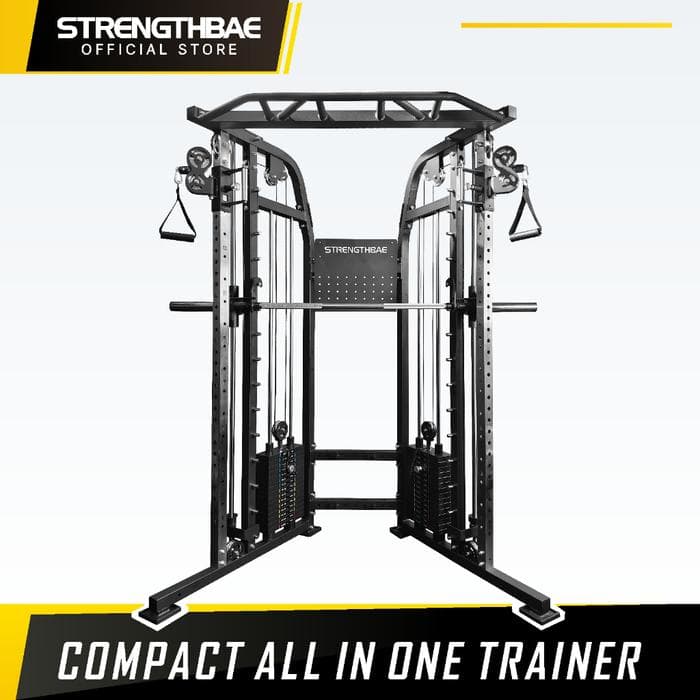
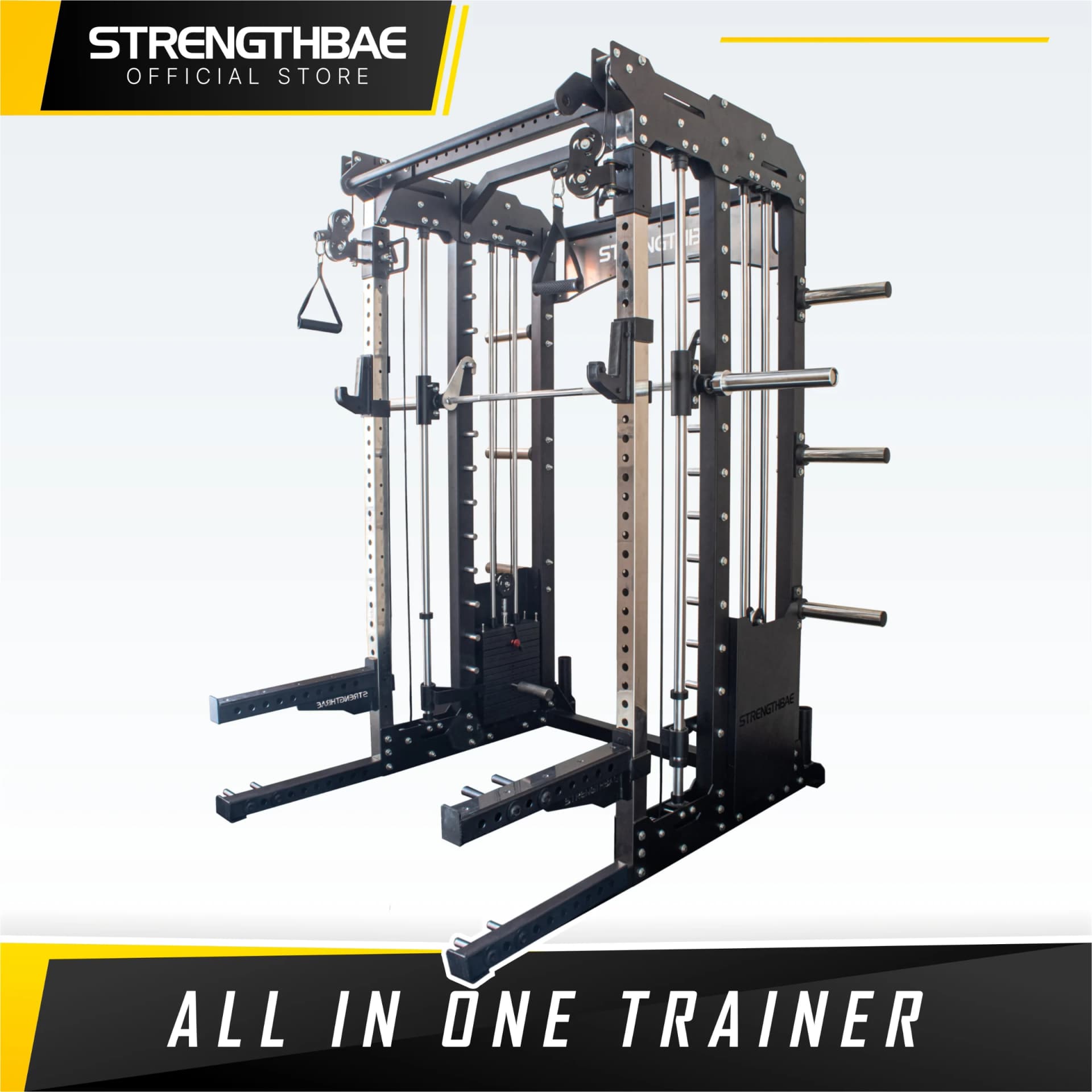
Equipment Quality and Variety: Providing equipment such as commercial racks, Smith machines, functional trainers, bumper plates, and a complete range of free weights.
Training Area Size and Comfort: A spacious, organized training area with good air circulation.
Cleanliness and Facilities: Clean training and changing areas, as well as facilities such as showers and lockers.
Operating Hours: Flexible opening hours, including options to open earlier or operate 24 hours.
Training Classes: Offering various classes such as yoga, Pilates, HIIT, cycling, or functional training.
Personal Trainers: Trainers who can help members follow appropriate programs and techniques.
Community and Service: A comfortable gym atmosphere with friendly and helpful staff.
Determine which values are most important to your target members, then make sure the facilities and services provided are worth the gym membership price being offered.
Basic Operating Cost Calculation for a Gym Business
Calculate all monthly operating costs or OPEX realistically. Gym membership prices should be sufficient to help cover these operating costs each month.
Operating cost components include:
Rent and Service Charge: The cost of renting the building or gym location.
Salaries and Labor: Salaries for staff, class instructors, and personal trainer commissions.
Electricity, Water, and Internet: Monthly utility costs.
Equipment Maintenance: Service and maintenance costs for fitness equipment.
Cleaning: Cleaning service and cleaning supplies.
Software and POS System: Membership applications, payment systems, and digital cashier costs.
Marketing and Advertising: Budget for gym promotions and acquiring new members.
After determining total OPEX, estimate the realistic number of active members based on the gym's capacity. From there, you can estimate whether membership revenue is sufficient to cover operating costs and generate healthy cash flow.
Calculate the Break-Even Point (BEP) and Gym Payback Period
BEP helps determine how much revenue or how many members are needed for the gym to avoid losses.
There are two things that need to be distinguished:
Operating BEP: The minimum amount of revenue or number of members needed to cover monthly operating costs.
Payback Period: The amount of time required to recover the initial investment, such as equipment purchases, renovations, flooring, and pre-opening costs.
A simple formula for calculating the BEP member target:
BEP Member Target = Total Monthly OPEX ÷ Average Membership Price
For example, if the gym's OPEX is Rp50,000,000 per month and the average membership price is Rp500,000, approximately 100 active members are needed to reach the operating BEP.
To reach BEP and recover the initial investment faster, do not rely solely on memberships. Add other revenue streams such as personal training, specialized classes, beverage or supplement sales, and merchandise.
Gym Business Scale | Area | Estimated Initial Capital (CAPEX) | Target Active Members | Estimated BEP / Payback |
Small Studio / Commercial Home Gym | 20–60 m² | Rp35–150 million | 30–80 members | 6–18 months |
Mid-Scale Gym | 80–250 m² | Rp250–600 million | 150–350 members | 18–30 months |
Large-Scale Commercial Gym | 300–1,000+ m² | Rp1–5+ billion | 600–1,500+ members | 24–48 months |
Determining Membership Pricing Packages for a Gym Business
Use the results of competitor research as a reference, not as a rule that must be followed. Compare market prices with your gym's positioning, facilities, and the value you offer.
Monthly gym membership prices can be determined using three options:
Below Market Price: Suitable for budget gyms with low operating costs and a target of attracting a large number of members.
At Market Price: Suitable if your gym's facilities, location, and target members are similar to those of competitors in the surrounding area.
Above Market Price: Suitable if your gym offers superior facilities or services, such as heavy-duty equipment, functional training areas, quality flooring, or experienced instructors.
Avoid lowering prices too much just to become the cheapest gym. Prices that are too low may result in insufficient revenue to cover operating and equipment maintenance costs.
Create 1-, 3-, 6-, and 12-Month Membership Packages
In addition to monthly memberships, create longer-duration packages such as 3, 6, and 12 months. These packages can offer members a lower monthly price while helping the gym generate more stable revenue and retain members for longer.
Discounts can be structured progressively:
Monthly Package: The most flexible option with the highest monthly price.
3-Month Package: Approximately 5–10% discount from the regular price.
6-Month Package: Approximately 15–20% discount from the regular price.
12-Month Package: Approximately 25–30% discount or a free-month bonus as the most economical option.
In addition to membership packages, you can also provide Single Entry or Daily Pass options for daily visitors and Trial Passes for potential members who want to try the gym before subscribing.
How to Know if Your Gym Membership Price Is Too High or Too Low
After implementing your gym membership prices, monitor the responses of potential and existing members regularly. This data can help you determine whether the price is appropriate or needs to be adjusted.
Signs the Price Is Too High: Many potential members make inquiries but do not register, frequently complain about the price during trials, or choose another gym.
Signs the Price Is Too Low: The gym is overcrowded and equipment queues are long, but revenue is still insufficient to cover operating and equipment maintenance costs.
Use data such as the number of inquiries, the number of trial participants who become members, and membership renewal rates before changing your prices.
Evaluate Gym Membership Prices Regularly
Gym membership prices do not always have to remain the same. Evaluate your prices every 6–12 months by looking at business conditions and changes in member needs.
Number of Members: Monitor active member growth and the number of members who leave.
Gym Capacity: Observe how crowded the training area is, especially during peak hours.
Operating Costs: Review changes in rent, electricity, water, salaries, and equipment maintenance costs.
New Facilities: Consider adding equipment, renovating the gym, upgrading flooring, or introducing new classes that increase the gym's value.
Competitor Prices: Monitor changes in the prices and facilities of other gyms around your location.
If the gym adds new facilities or makes significant investments in equipment and services, increasing membership prices can be considered as long as the benefits received by members also increase.
Common Mistakes When Determining Gym Membership Prices
When running a gym business, do not focus only on acquiring a large number of members. The following mistakes can make the business difficult to grow and lead to operational problems:
Copying Competitor Prices: Do not set prices based solely on other gyms without calculating your own rent, equipment, salaries, and operating costs.
Price Wars: Avoid lowering prices too much just to become the cheapest gym, as this can reduce profits and negatively affect facility quality.
Too Many Package Options: Keep membership packages simple so potential members can easily understand and choose them.
Ignoring BEP and ROI: Calculate how many members are needed to cover operating costs and how long it will take for the gym business investment to be recovered.
Too Many Discounts: Excessive discounts can reduce the perceived value of the gym and make members accustomed to waiting for promotional prices.
Exceeding Gym Capacity: Do not sell more memberships than the capacity of the space and equipment, as this can make the gym overcrowded, accelerate equipment wear, and reduce member comfort.
FAQ
Does the membership price have to be the same as competitors?
No. Gym membership prices can be set lower, equal to, or higher than competitors depending on your positioning, location, equipment quality, and the value of the facilities you offer. If your gym business provides more complete heavy-duty equipment and a cleaner training area, setting a price above the competitor average is perfectly reasonable.
What is a reasonable gym membership price for a new gym business?
There is no single fixed price for every gym. A reasonable price is one calculated based on total monthly operating costs (OPEX), a realistic target number of active members, location, and the purchasing power of the target market within the area surrounding your gym business.
Is a cheap monthly membership or an annual package better?
Both packages complement each other. A monthly membership provides flexibility for potential members who are just trying the gym, while an annual package provides better value for members while helping secure cash flow and retain customers for your gym business.
Do campus and office locations require different pricing strategies?
Yes, they are quite different. Campus areas require flexible and affordable student pricing packages, while office areas prioritize convenient locations, comfortable changing room and shower facilities, and flexible operating hours before and after work.
How do you know if your gym business membership price is too high?
The price may be considered too high if the conversion rate from potential members who visit or make inquiries into actual members is very low, and most prospects withdraw because they feel the cost is not proportional to the facilities they see during the trial.
Build a Successful and Profitable Gym Business with Strengthbae
Determining the right gym membership price is important for keeping your gym business financially healthy and profitable. Consider the target market, competitor prices, operating costs, gym capacity, and membership packages before setting your prices.
In addition to pricing, facilities and equipment quality also affect the value received by members. Use durable, commercial-grade gym equipment with warranties to keep the gym comfortable to use over the long term. If you need assistance determining the concept, layout, or equipment package for your gym business, contact the Strengthbae team.
Strengthbae is a professional gym equipment brand providing solutions for commercial gym businesses and home gyms. From racks and All in One Trainers to functional training accessories such as standard Hyrox sandbags, everything is available from Strengthbae.