Lower Blood Sugar with Easy Exercises at Home

Exercise is one effective way to help control blood sugar levels. When you exercise, your muscles use blood sugar (glucose) as an energy source. Exercise also helps make your body more sensitive to insulin, a hormone that helps blood sugar enter cells to be used as energy.
You do not have to go to the gym to get these benefits. Simple activities such as walking, light cardio, and strength exercises using your own body weight can be done at home.
By exercising regularly, your body can use blood sugar more effectively, helping maintain stable blood sugar levels and supporting overall health.
The Relationship Between Exercise and Blood Sugar
Muscles are one of the parts of the body that use the most blood sugar (glucose) as an energy source. When you move or exercise, your muscles need energy to work.
Therefore, your muscles take glucose from the blood and use it as fuel. This process can occur even without direct assistance from the hormone insulin.
In addition to helping control blood sugar during exercise, regular physical activity can also improve insulin sensitivity.
This means that your body becomes more sensitive to insulin, allowing blood sugar to enter muscle cells more easily to be used as energy or stored as a reserve.
Cardio and Strength Training to Help Lower Blood Sugar
To help maintain blood sugar levels over the long term, you can combine cardio exercises, such as walking or cycling, with strength training, such as squats, push-ups, or dumbbell exercises.
Cardio is a type of exercise that helps the body use blood sugar as an energy source while also supporting healthy blood flow and heart health.
Meanwhile, strength training is exercise that trains the muscles and helps improve muscle strength and mass.
To help control blood sugar, it is recommended to combine cardio and strength training according to your physical ability. For example, walk or cycle to train your heart, then add squats, push-ups, or dumbbell exercises to strengthen your muscles.
These two types of exercise offer complementary benefits that can help maintain blood sugar levels and overall fitness in the long term.
Easy Cardio Exercises to Help Control Blood Sugar
Here are five light cardio exercises that are easy to do at home without requiring much space or special equipment.
Walking at Home
How to Do It: Walk around the living room, hallway, or yard while keeping your body upright.
Duration: Start with 5–10 minutes, then gradually increase to 10–15 minutes.
Easy Version: Walk slowly for 2–5 minutes first. You can also walk back and forth in one room using short steps.
Marching in Place
How to Do It: Walk in place while alternately lifting your right and left legs at a comfortable pace.
Duration: 30–60 seconds per set.
Easy Version: Perform the movement while sitting on a sturdy chair, lifting your legs alternately.
Side Step Touch
How to Do It: Step your right foot to the side, then bring your left foot closer. Repeat the movement in the opposite direction alternately.
Duration: 30–60 seconds per set.
Easy Version: Use short steps and move your arms comfortably.
Step-Up
How to Do It: Step one foot onto a low, sturdy platform, such as the bottom step of a staircase. Raise your body, then slowly step down and repeat with the other leg.
Repetitions: 5–8 times per leg.
Easy Version: Use a very low step and hold onto a sturdy stair railing for balance.
Light Dance Workout
How to Do It: Play your favorite music, then move your body to the rhythm using simple steps and relaxed arm movements.
Duration: 3–5 minutes.
Easy Version: Move your arms and upper body along with the music while sitting on a chair.
Read Also: Ideas for Low-Calorie Diet Drinks
Strength Training Exercises to Help Control Blood Sugar
Here are five easy strength training exercises you can do at home to train your muscles and help control blood sugar levels.
Chair Squat / Sit-to-Stand
How to Do It: Sit on a sturdy chair with both feet flat on the floor. Push your body up to stand upright, then slowly lower your body back into a seated position.
Repetitions: 5–10 repetitions per set.
Easy Version: Use both hands on the chair handles to help your body stand up.
Wall Push-Up
How to Do It: Stand facing a wall about one arm's length away. Place both palms on the wall at shoulder height, bend your elbows until your chest approaches the wall, then push your body back to the starting position.
Repetitions: 8–10 repetitions per set.
Easy Version: Stand closer to the wall to make the movement lighter and easier.
Standing Calf Raise
How to Do It: Stand upright while holding onto a sturdy chair. Raise both heels until you are standing on your toes, hold briefly, then slowly lower your heels.
Repetitions: 10–12 repetitions per set.
Easy Version: Raise your heels only slightly according to your ability without having to rise too high onto your toes.
Glute Bridge
How to Do It: Lie on your back on a mat with both knees bent and your feet flat on the floor. Slowly lift your hips, hold for about 1 second, then lower them back down.
Repetitions: 8–10 repetitions per set.
Easy Version: Lift your hips only slightly without forcing your body to form a straight line.
Resistance Band Row
How to Do It: Sit on the floor with both legs extended forward. Loop the resistance band around the soles of your feet, hold both ends, then pull toward your waist while keeping your back upright. Slowly return your hands to the starting position.
Repetitions: 8–12 repetitions per set.
Easy Version: Use a resistance band with the lightest resistance and perform the pulling movement through a shorter range.
Exercise Program for Older Adults with Diabetes
For older adults with diabetes, exercise should involve light movements that match their physical ability. Choose exercises that are easy to perform, do not place excessive stress on the joints, and help maintain balance to reduce the risk of falls.
Here are several movements you can try:
Slow Walking: Walk at a relaxed pace on a flat, non-slip surface to reduce the risk of tripping or falling.
Seated Marching: Sit on a sturdy chair, then alternately lift your right and left legs as if you were walking in place.
Sit-to-Stand: Sit on a chair, then slowly stand up and sit back down to train leg strength.
Wall Push-Up: Perform push-ups against a wall to train the chest, shoulders, and arms.
Calf Raise with Support: Stand while holding onto a sturdy chair or table, then slowly raise both heels onto your toes.
If you have difficulty maintaining your balance while standing, seated exercises can be an easier option. However, if you experience dizziness, pain, or loss of balance, stop exercising immediately.
Start with simple movements and gradually increase the duration or number of repetitions. For older adults with diabetes, especially those with complications or who frequently experience low blood sugar, it is recommended to consult a healthcare professional about the appropriate type and intensity of exercise beforehand.
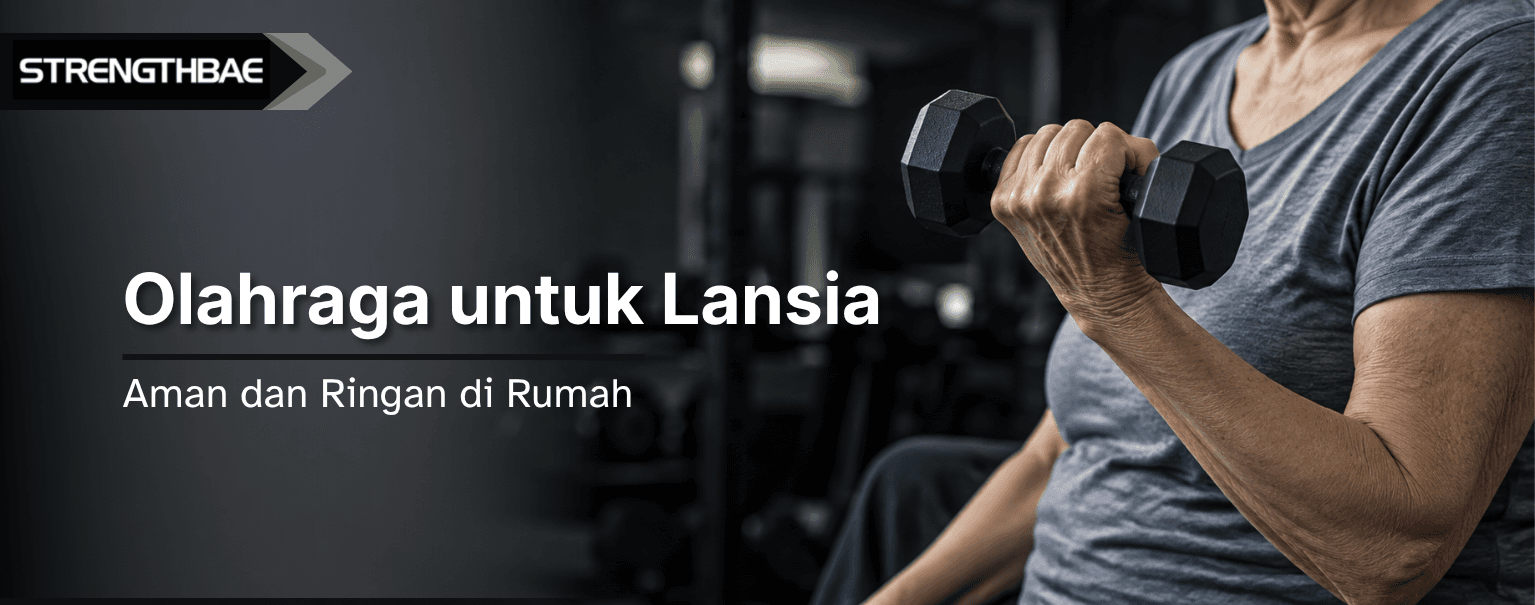
Read Also: Exercise for Older Adults at Home: Light and Safe
Best Time to Exercise to Help Control Blood Sugar
The timing of exercise to help control blood sugar can be adjusted according to your meal schedule, daily activities, and individual physical condition.
Exercise can be done before or after meals, either in the morning or evening. Each time can offer different benefits.
Exercise Before or After Meals?
Exercising before meals can still provide benefits for improving fitness and helping the body use insulin more effectively.
However, changes in blood sugar levels during exercise can vary from person to person, depending on the type of exercise, physical condition, and diabetes medications being used. For people taking certain medications, exercising before meals may also increase the risk of blood sugar becoming too low.
Meanwhile, light exercise after meals can help reduce the rise in blood sugar levels.
One easy approach is to walk at a relaxed pace for 10–15 minutes after breakfast, lunch, or dinner. This activity helps the muscles use some of the blood sugar as energy.
Morning or Evening Exercise?
Morning exercise is suitable if you want to work out before starting work or your daily activities. You can walk, do light exercises, or perform strength training according to your ability. If you have diabetes, pay attention to your blood sugar levels, meal timing, and medication schedule before starting exercise.
Evening exercise can also be an option, especially if you do not have free time in the morning or afternoon. Walking at a relaxed pace for 10–15 minutes after dinner can help reduce the rise in blood sugar after eating. Light activity in the evening can also help your body feel more relaxed.
Comparison of Exercise Times for Blood Sugar
Exercise Time | Benefits for Blood Sugar | Recommended Activities |
After Meals | Helps reduce the rise in blood sugar after eating | Walk at a relaxed pace for 10–15 minutes after breakfast, lunch, or dinner |
Before Meals | Helps the body use sugar as energy, but blood sugar levels need to be monitored | Walking or light exercise according to your ability |
Morning | Helps improve fitness and insulin sensitivity when performed regularly | Walking, light exercise, or strength training |
Evening | Helps control the rise in blood sugar after dinner | Relaxed walking or light activity |
Any Time | Helps maintain blood sugar levels and overall health in the long term | Choose the exercise time that best fits your routine |
Exercise Duration and Frequency to Help Lower Blood Sugar
For beginners, it is best to start exercising for a short duration that matches your physical ability. There is no need to immediately exercise for too long or at high intensity. The most important thing is to build a habit that can be maintained regularly.
Here are several guidelines for exercise duration and frequency to help control blood sugar:
Start with 5–10 minutes: Do light exercise for 5–10 minutes first to help your body gradually become accustomed to moving.
Make walking after meals a habit: Try walking at a relaxed pace for 10–15 minutes after meals to help reduce the rise in blood sugar.
Increase gradually: Once your body becomes accustomed to exercise, gradually increase the workout duration or number of repetitions according to your ability.
Weekly cardio target: Adults with diabetes are generally advised to perform moderate-intensity cardio activities, such as brisk walking, with a target of at least 150 minutes per week.
Strength training 2–3 times a week: Add exercises such as squats, wall push-ups, or dumbbell exercises on non-consecutive days so your muscles have time to recover.
People with either type 1 or type 2 diabetes can still benefit from regular exercise. However, the type and intensity of exercise should be adjusted according to each individual's health condition.
If you have diabetes-related complications, such as nerve problems in the feet, vision problems, or heart disease, it is recommended to consult a doctor first to determine which types of exercise are safe.
FAQ
Are bodyweight exercises and resistance bands safe for people with diabetes?
They can generally be performed, especially at light intensity and with proper technique. Exercises such as chair squats, wall push-ups, and resistance band exercises can be practical options for strength training at home.
When should you be more cautious when exercising to lower blood sugar?
You should be more cautious if you are at risk of hypoglycemia, use insulin or certain medications, or have very high blood sugar levels. Stop exercising if you experience symptoms such as shaking, dizziness, weakness, cold sweats, or confusion.
How long can exercise help lower blood sugar?
The effects of exercise on blood sugar can be felt after exercise and may continue for several hours. The results can vary depending on the duration, intensity of exercise, physical condition, and blood sugar level before exercising.
Do you need to prepare a sugary snack when exercising?
For people at risk of hypoglycemia, a source of fast-acting carbohydrates such as candy, juice, or glucose tablets should be available when exercising, whether at home or at the gym.
How can you protect your feet during exercise to prevent injuries in people with diabetes?
Wear comfortable shoes and socks, then check your feet before and after exercise. Make sure there are no overlooked blisters, wounds, or irritation, especially if you have nerve problems in your feet.
Choose the Best Exercise Options to Help Control Your Blood Sugar with Strengthbae
Regular light exercise and strength training can help maintain blood sugar levels while building a more active lifestyle. Home workouts can also be started with simple equipment such as adjustable dumbbells, resistance bands, and rubber mats.
If you want to set up a comfortable home gym for regular workouts, Strengthbae can help you choose equipment according to your needs, available space, and type of exercise. Contact the Strengthbae team for recommendations on a more practical and efficient home gym setup.
Strengthbae is a professional gym equipment brand that provides solutions for commercial gym businesses and home gyms. From racks and All in One Trainers to functional training accessories for hybrid race training according to HYROX standards, everything is available at Strengthbae.