Learn Muscle Names and Gym Terms for Beginners
For beginners, learning muscle names and basic gym terms can make gym training much easier to understand. You will know which body parts you are training, what terms such as reps, sets, or DOMS mean, and how to follow a workout program with more confidence.
By understanding these basics, you will not need to feel confused when reading workout guides, using gym equipment, or discussing training.
Why Should Beginners Know Muscle Names and Gym Terms?
Beginners often enter the gym and immediately perform various exercises without really understanding which muscle groups they are training. Learning muscle names and gym terms is not only for professional bodybuilders, but also an investment in knowledge to help you get more optimal results from your gym training.
There are four main benefits of knowing these muscle names and gym terms:
Improving the Mind-Muscle Connection
When you understand where a muscle is located, how it moves, and what its contraction feels like, you can consciously focus on activating the target muscle during the movement. This can make workout movements more effective and help stimulate muscle growth more optimally.
Ensuring Proper Technique
Understanding muscle names helps you perform each movement with proper technique. You can more quickly notice when your body starts using the wrong muscles or when you are placing unnecessary stress on the joints.
Preventing Injury and Muscle Imbalances
Knowing muscle names and gym terms helps you identify weakness and incorrect movement in muscles that are often overlooked. This helps prevent injuries caused by excessive dominance on one side of the body.
Designing an Effective Training Program
Understanding how muscle groups work together, including agonists, antagonists, and synergists, allows you to organize a gym training schedule between muscle groups, for example, balancing upper-body and lower-body muscles.
Main Muscle Names and Their Functions in Workouts
In fitness and sports, muscle names are divided into official medical terms in Latin and popular terms commonly used in gyms. Understanding both will make it easier for you to read workout guides.
Chest Muscles (Pectoralis / Pecs)
The chest muscles consist of the Pectoralis major, the main chest muscle that extends from below the shoulder blade area toward the armpit, and the Pectoralis minor, a smaller muscle located beneath the Pectoralis major.
This muscle group is responsible for pushing movements and bringing the arms toward the center of the body. Popular exercises for training the chest muscles include the bench press, chest press, push-up, and dumbbell fly.
Back Muscles (Lats, Traps, Rhomboids, Erector Spinae)
The back muscles are a large group of muscles located on the back of the body that play an important role in pulling movements. The Latissimus dorsi, or Lats, are wide muscles on the sides of the back that create the V-taper shape. Meanwhile, the Trapezius, or Traps, extends from the neck to the middle back and helps provide shoulder stability.
The Rhomboids help retract the shoulder blades, while the Erector Spinae are muscles that run along the spine and help maintain posture. Examples of back exercises include lat pulldowns, pull-ups, seated cable rows, and barbell rows.
Shoulder Muscles (Deltoids / Delts)
The shoulder muscles, or deltoids, have a rounded shape that covers the shoulder joint. These muscles are divided into three main sections: the Anterior deltoid, or front shoulder muscle, which lifts the arm forward; the Lateral/Medial deltoid, or side shoulder muscle, which lifts the arm to the side; and the Posterior deltoid, or rear shoulder muscle, which pulls the arm backward.
Some of the best exercises for training all three sections include the overhead shoulder press, lateral raise, front raise, and rear delt fly.
Arm Muscles (Biceps, Triceps, and Forearms)
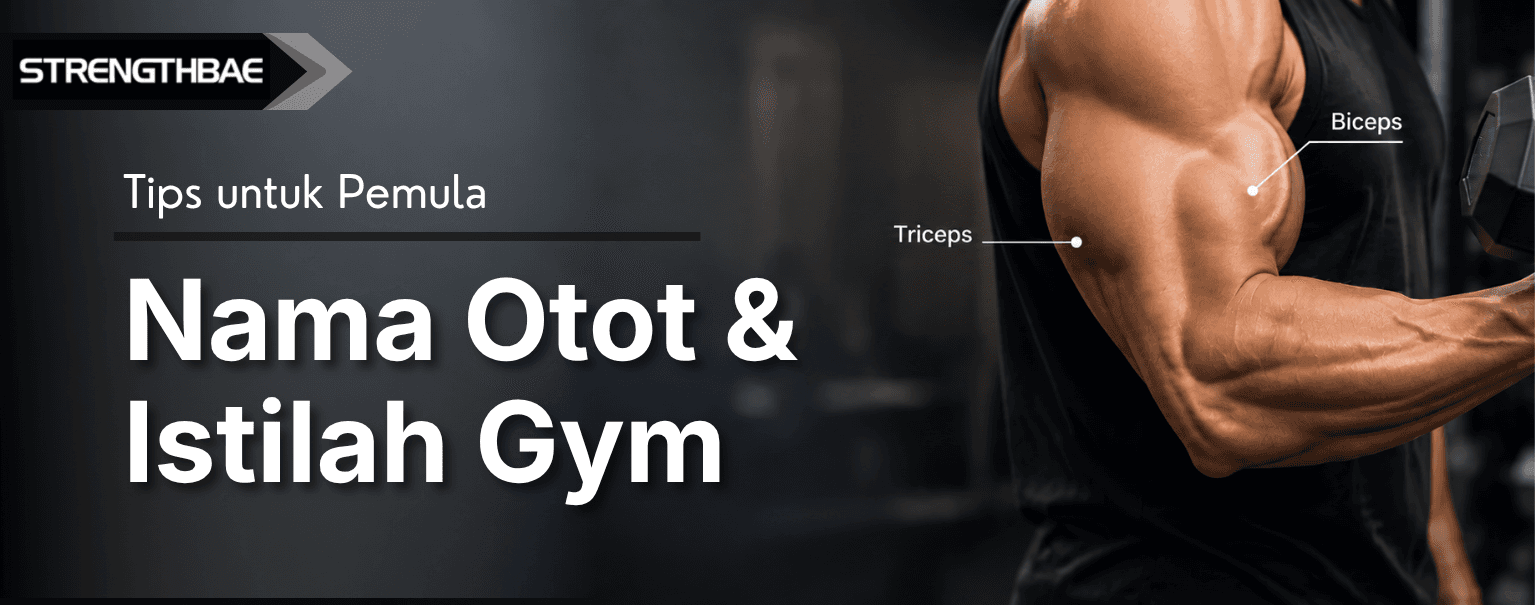
The upper arm muscles are divided into two main groups: the biceps at the front of the arm, which function to bend the elbow through flexion, and the triceps at the back of the upper arm, which function to straighten the elbow through extension.
In addition, the forearm muscles play a major role in grip strength and wrist stability. Popular arm exercises include the bicep curl, hammer curl, triceps pushdown, and overhead triceps extension.
Abdominal and Core Muscles (Abs, Obliques, Transversus Abdominis)
The core includes all the muscles around the middle of the body that help stabilize the spine. The Rectus abdominis is the muscle at the front of the abdomen that creates the six-pack appearance and helps bend the body forward.
The obliques are located on the sides of the abdomen and are responsible for torso rotation, while the Transversus abdominis is the deepest abdominal muscle and acts like a natural corset for the body. Core exercises include planks, crunches, leg raises, and Russian twists.
Thigh and Glute Muscles (Quads, Hamstrings, Glutes, Adductors)
The lower body is supported by several large muscle groups.
The Quadriceps, or Quads, are located at the front of the thighs and function to straighten the knees. The Hamstrings are located at the back of the thighs and function to bend the knees and assist with hip extension. The Glutes, including the Gluteus maximus, medius, and minimus, are the buttock muscles that act as a major source of explosive power for hip extension and stability. Lastly, the Adductors are the muscles of the inner thighs.
Main lower-body exercises include squats, leg presses, leg extensions, Romanian deadlifts (RDL), lunges, and hip thrusts.
Calf Muscles (Gastrocnemius & Soleus)
The calf muscles are located at the back of the lower legs and consist of the Gastrocnemius, the more visible outer muscle, and the Soleus, which lies deeper.
Both muscles are responsible for plantar flexion, which means pointing the toes downward or rising onto the toes. Specific calf exercises include the standing calf raise and seated calf raise.
Names and Terms for Workout Movements in the Gym
After learning the commonly used muscle names, the next step is understanding which exercises are used to train each part of the body. Below are several workout exercise names commonly used as gym terms, along with short explanations of how to perform them so they are easier for beginners to understand.
Chest Exercises
Bench Press
To perform this movement, lie on a bench, hold the barbell above your chest, lower it slowly toward your chest, then press it back up.
Chest Press
This workout movement requires you to sit on a chest press machine, hold the handles at chest height, push them forward, then return slowly.
Push-Up
Push-Up is a simple workout exercise that you can do at home. Place your hands on the floor about shoulder-width apart, lower your chest toward the floor, then push your body back up.
Dumbbell Fly
To perform this movement, lie down while holding dumbbells, open both arms out to the sides, then bring them back together above your chest.
Back Exercises
Lat Pulldown
Sit facing the machine, pull the bar down from above toward your chest, then return it slowly.
Pull-Up
Hang from a pull-up bar, pull your body upward until your chin approaches the bar, then lower yourself with control.
Seated Cable Row
Sit facing the cable, pull the handle toward your abdomen while keeping your chest upright, then extend your arms again.
Barbell Row
Stand with your torso slightly bent forward, pull the barbell toward your abdomen, then lower it slowly.
Shoulder Exercises
Overhead Shoulder Press
Hold dumbbells or a barbell around shoulder level, press upward until your arms are almost straight, then lower them again.
Lateral Raise
Hold dumbbells at your sides, raise both arms out to the sides until approximately shoulder height, then lower them.
Front Raise
Raise the dumbbells from in front of your thighs forward until approximately shoulder height, then lower them again.
Rear Delt Fly
Bend your torso slightly forward, open both arms out to the sides, then return them slowly.
Arm Exercises
Bicep Curl
Hold dumbbells at your sides, bend your elbows until the dumbbells approach your shoulders, then lower them again.
Hammer Curl
Perform the movement like a bicep curl, but keep your palms facing each other.
Triceps Pushdown
Hold the cable handle from above, push it downward until your elbows are straight, then return to the starting position.
Overhead Triceps Extension
Hold a dumbbell above your head, bend your elbows until the weight moves behind your head, then straighten your arms again.
Abdominal and Core Exercises
Plank
Hold your body in a straight position while supporting yourself on your arms and toes.
Crunch
Lie down with your knees bent, lift your shoulders slightly off the floor using your abdominal muscles, then lower them again.
Leg Raise
Lie down with your legs straight, raise both legs upward, then lower them slowly.
Russian Twist
Sit with your torso slightly leaning backward, then rotate your body alternately to the right and left.
Thigh and Glute Exercises
Squat
Stand with your feet about shoulder-width apart, lower your hips as if you are going to sit down, then push yourself back up to a standing position.
Leg Press
Sit on the machine, push the platform with both feet until your legs are almost straight, then slowly bend your knees again.
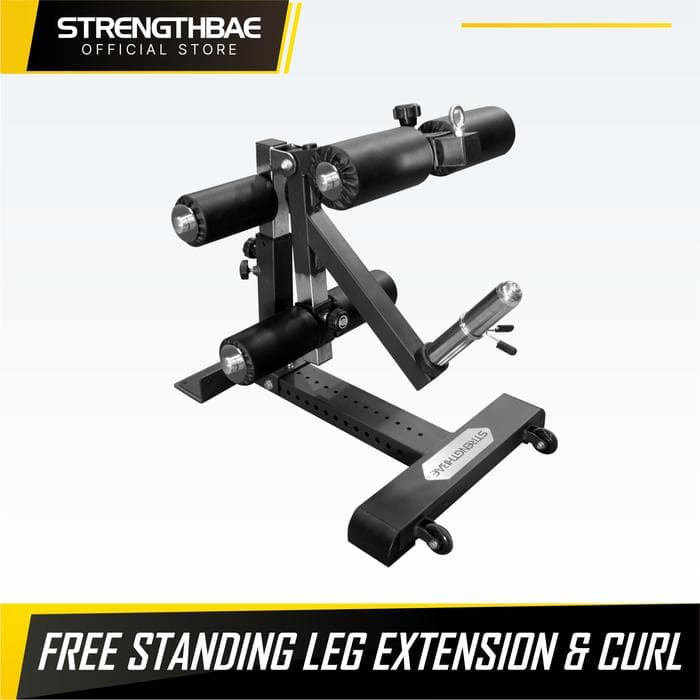
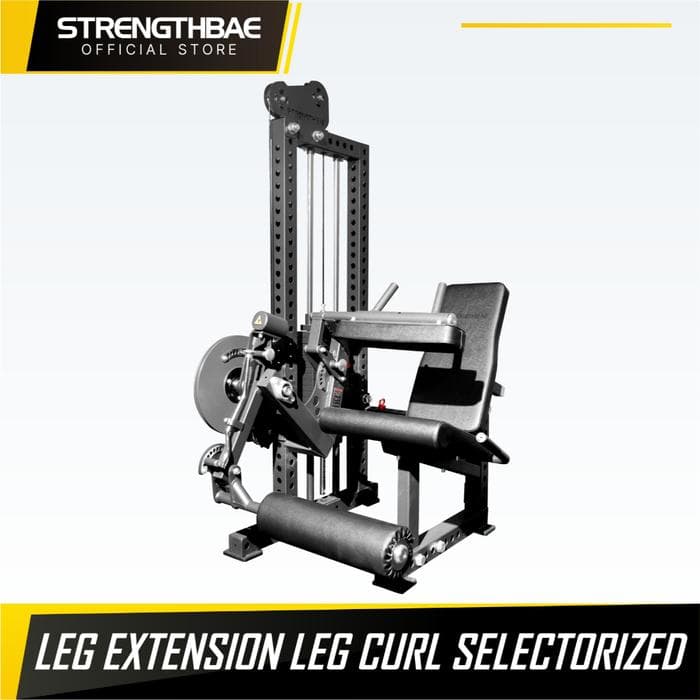
Leg Extension
Sit on the machine, straighten both legs forward, then lower them again.
Romanian Deadlift
Hold the weight in front of your body, push your hips backward while keeping your back straight, then return to a standing position.
Lunges
Step one foot forward, lower your body until both knees are bent, then return to the starting position.
Hip Thrust
Rest your upper back against a bench, drive your hips upward until your body forms a straight line, then lower them again.
Calf Exercises
Standing Calf Raise
Stand upright, raise your heels until you are standing on your toes, then slowly lower them again.
Seated Calf Raise
Sit with weight placed on your thighs, lift your heels off the floor, then lower them again.
Summary of Muscle Names, Movement Functions, and Exercise Examples
To make it easier to understand when creating your workout schedule, here is a summary table of the main muscle names, movement functions, and examples of effective exercises:
Muscle Group | Medical Name & Popular Term | Main Biomechanical Movement Function | Exercise / Workout Examples |
|---|---|---|---|
Chest Muscles | Pectoralis Major & Minor (Pecs) | Push weight forward and toward the center | Bench Press, Chest Press, Push-Up, Dumbbell Fly |
Back Muscles | Latissimus Dorsi (Lats), Trapezius (Traps) | Pull weight downward and backward | Lat Pulldown, Pull-Up, Seated Row, Barbell Row |
Shoulder Muscles | Deltoids (Anterior, Lateral, Posterior Delts) | Raise and rotate the arms in different directions | Shoulder Press, Lateral Raise, Front Raise, Rear Delt Fly |
Arm Muscles | Biceps, Triceps, Forearms | Bend and straighten the elbows, maintain grip | Bicep Curl, Triceps Pushdown, Hammer Curl, Dips |
Abdominal / Core Muscles | Rectus Abdominis (Abs), Obliques, Core | Bend the torso, rotate, and stabilize the spine | Plank, Crunch, Leg Raise, Russian Twist |
Thigh & Glute Muscles | Quadriceps (Quads), Hamstrings, Glutes | Straighten/bend the knees, hip extension | Squat, Leg Press, Lunges, RDL, Hip Thrust |
Calf Muscles | Gastrocnemius & Soleus (Calves) | Plantar flexion, rising onto the toes / pushing through the feet | Standing Calf Raise, Seated Calf Raise |
Supporting Terms in Training Sessions and Gym Programs
In addition to muscle group names, there are various technical terms related to equipment, program structure, and physical conditions that beginners should understand so they do not feel confused when communicating with a personal trainer or training partner.
Reps (Repetitions)
Reps is short for repetitions, meaning the number of times a movement is repeated continuously without stopping. Example: performing 10 squats means completing 10 repetitions.
Set
A set in the gym is a group of repetitions completed before taking a short rest. Example: 3 sets of 10 repetitions means you perform 10 reps, rest, and repeat the process for a total of 3 sets.
Superset
A superset is two different exercise variations performed consecutively without a rest period in between. It is highly efficient for saving time and increasing intensity.
Compound and Isolation
A compound exercise is a gym exercise that involves multiple joints and muscle groups at the same time in one movement, such as the squat, deadlift, bench press, and pull-up.
Meanwhile, an isolation exercise focuses more specifically on one muscle group or one main joint, such as the bicep curl, leg extension, and lateral raise. These exercises are usually used to give additional focus to a particular muscle.
DOMS (Delayed Onset Muscle Soreness)
DOMS stands for Delayed Onset Muscle Soreness, which refers to the normal muscle soreness and discomfort that can appear 24 to 48 hours after intense training. This occurs as part of the process of adaptation and recovery of muscle fibers in response to a new training load.
Failure
In the gym, failure is the condition where the target muscle can no longer complete the next repetition with proper technique because it has reached its maximum fatigue limit.
Pump
Pump is the term used for the sensation of muscles feeling fuller, tighter, and larger after training due to a significant increase in blood flow to the target muscle tissue.
Free Weight vs Weight Machine
Free weights are weights without a fixed movement path, such as dumbbells, barbells, and plates, which require control from stabilizer muscles. Weight machines are gym equipment such as cable machines and leg presses that use a guided movement path that is safe and more isolated.
Bulking & Cutting
Bulking is a phase of increasing calorie intake and training load to gain muscle mass. Cutting is a phase of reducing body fat levels so muscle definition and shape appear more visible and lean.
PR (Personal Record)
PR, or personal record, is a gym term that refers to the highest weight lifted or the highest number of repetitions someone has ever achieved throughout their training journey.
FAQ
Do I need to memorize all muscle names and gym terms before starting?
No. Beginners only need to understand the main muscle groups, such as the chest, back, shoulders, thighs, and abdomen, along with their basic functions. As you gain more gym training experience, you will naturally become more familiar with muscle names and gym terms.
Is there gym equipment that can be used to train all muscle groups at home?
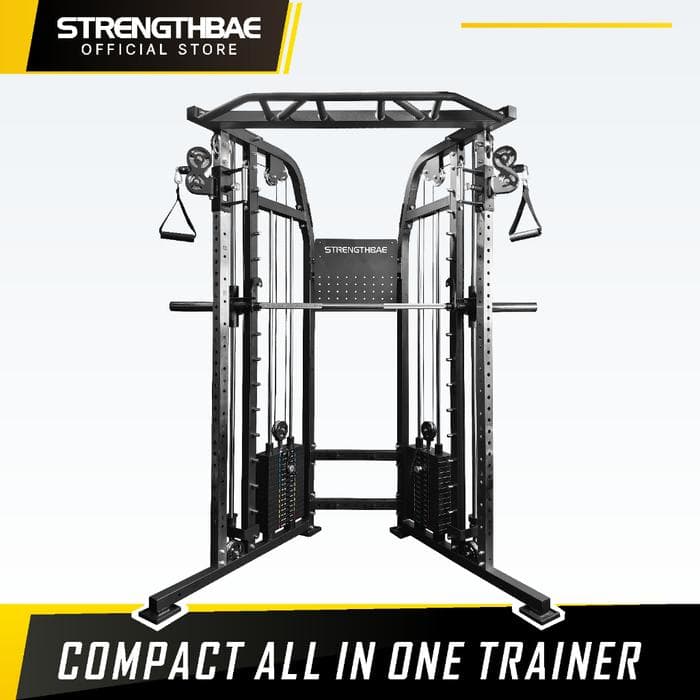
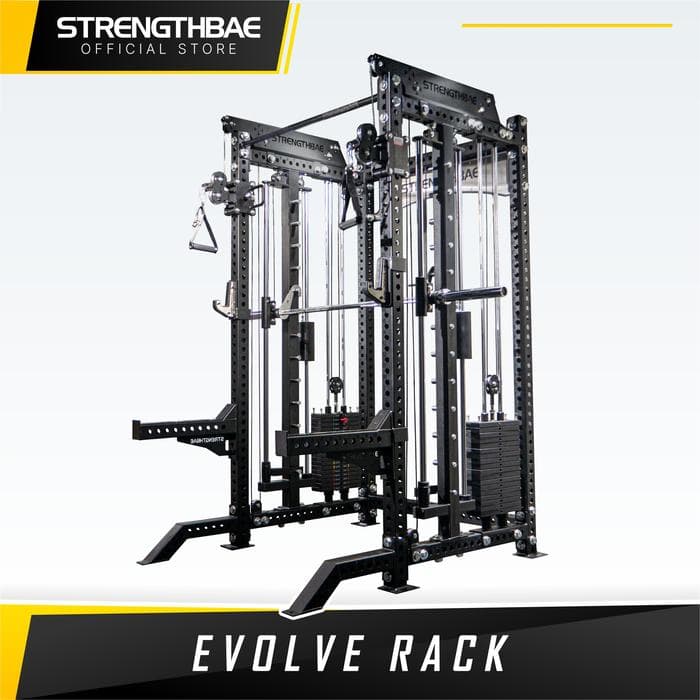
The most versatile home gym equipment for training all muscle groups is a combination of an All-in-One Trainer and a leg training machine. This combination supports hundreds of exercise variations in a complete and efficient setup.
Are gym machines easier for beginners to use than free weights?
Often, yes, because gym machines have a more guided movement path that is easier to learn. Beginners only need to learn technical aspects such as adjustment and proper use before and after training.
How can you make sure gym equipment matches your needs?
Check whether the seat, handles, pads, or exercise positions can be adjusted to match your height. In addition to referring to the table above, you can choose gym equipment based on the types of exercises you want to perform, the available space, and your ability level. If you are still unsure, consult the equipment specifications with the StrengthBae team before purchasing.
Which is better, going to a commercial gym or exercising at home?
Both can be equally effective. Commercial gyms offer a wider range of equipment, while home gyms are more practical because they can be used at any time without having to go out. The best choice depends on your training habits, budget, available space, and personal comfort.
Start Your Muscle Training and Gym Journey with StrengthBae
Understanding muscle anatomy and gym terms is an important first step toward training in a smarter, safer, and more structured way. Whether you want to build a space-efficient personal home gym or complete your commercial gym setup, StrengthBae can help make sure you have the gym equipment you need.
You can get complete, reliable gym equipment with an official warranty through StrengthBae. Consult your needs with the StrengthBae team today.
StrengthBae is a professional gym equipment brand that provides solutions for commercial, personal, and home gym needs. From racks and All-in-One Trainers to hybrid race gym equipment such as sandbags, everything is available at StrengthBae.