Raw vs Cooked Vegetables: Which Is Better for Your Diet?
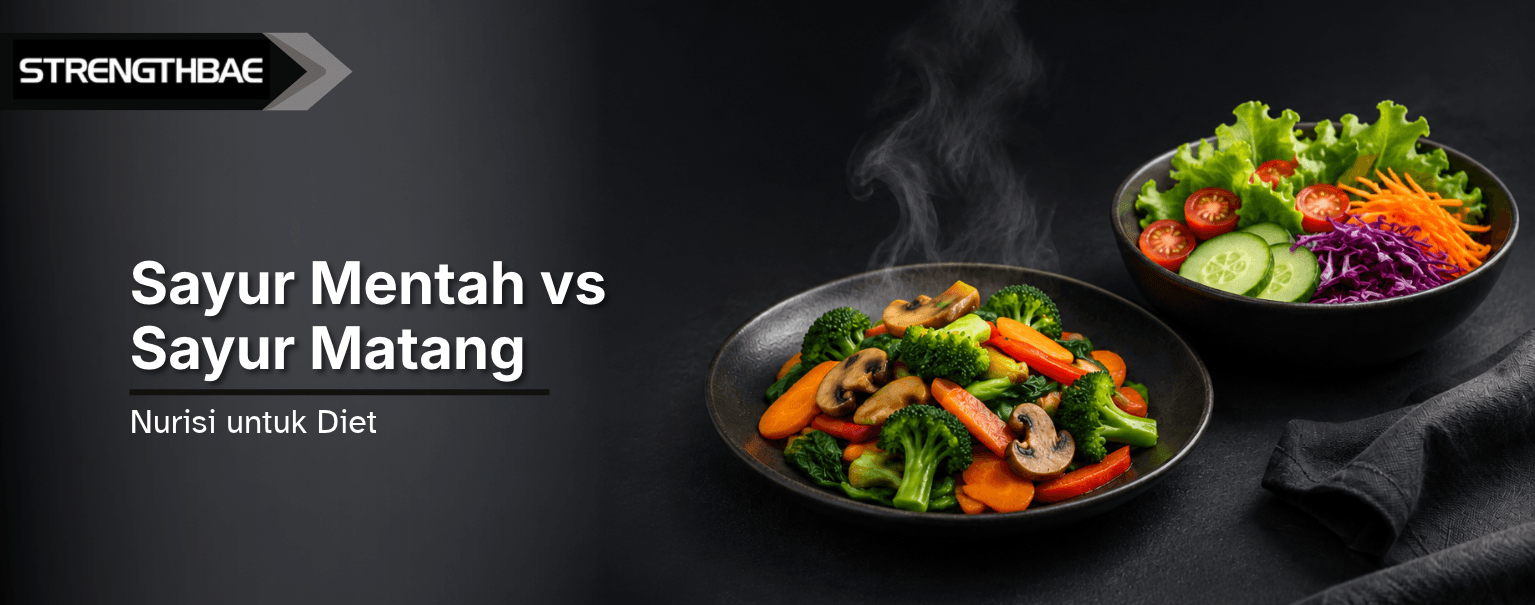
Vegetables are a source of fiber, vitamins, minerals, and antioxidants that are important for maintaining overall health, including when following a diet for weight loss.
Both have their own benefits. Raw vegetables tend to retain more of certain vitamins, while cooking vegetables can help the body absorb some nutrients more easily.
Therefore, combining raw and cooked vegetables can be a good option for meeting nutritional needs while dieting.
This article will discuss the nutritional differences between raw and cooked vegetables, the benefits of each, and how to prepare and consume them to maintain their nutritional value and support your diet.
Nutritional Differences Between Raw and Cooked Vegetables
Cooking vegetables can change their nutrient content. Some vitamins may decrease due to heat, but certain nutrients can become easier for the body to absorb after vegetables are cooked.
These changes depend on the type of vegetable, cooking method, and length of heating.
Raw Vegetables
Raw vegetables generally contain more heat-sensitive vitamins, such as vitamin C and some B vitamins, including folate.
Because they do not undergo cooking, these vitamins are better preserved, while the vegetables retain their fresh and crunchy texture.
In addition, some natural compounds in vegetables, such as the enzyme myrosinase in broccoli and cabbage, remain active when consumed raw.
However, some nutrients in raw vegetables may be more difficult for the body to absorb because they remain trapped within plant cell walls.
Cooked Vegetables
Cooking can make vegetables softer, easier to chew, and easier to digest.
The heating process can also help the body absorb certain antioxidants, such as beta-carotene in carrots and lycopene in tomatoes.
In addition, cooking can reduce certain natural substances that inhibit mineral absorption, such as oxalates in spinach, especially when spinach is boiled and the cooking water is discarded. Adequate heating also helps kill harmful microorganisms.
However, cooking for too long or using too much water can reduce certain vitamins, especially vitamin C and some B vitamins that are sensitive to heat or dissolve in water.
How Raw and Cooked Vegetables Affect Your Diet
Both raw and cooked vegetables have their own benefits. To get a variety of nutritional benefits, it is best to consume both alternately and use a preparation method that suits each type of vegetable.
Eating vegetables every day can also help maintain a healthy weight while dieting. Both raw and cooked vegetables can help control calorie intake and keep you feeling full for longer.
Calories
Vegetables are generally low in calories and contain a lot of water, especially when raw.
When cooked, some of the water in vegetables is reduced, causing them to shrink in size. As a result, the number of calories in a serving of the same size may appear higher, even though the cooking process itself does not add many calories.
What needs more attention is the additional ingredients used during cooking. Excessive use of cooking oil, butter, cream sauces, or cheese can increase the number of calories in a vegetable dish.
To keep vegetables suitable for a diet, choose cooking methods such as boiling, steaming, or stir-frying with a small amount of oil. For salads, you can also use a simple dressing made from vinegar or lemon juice.
Fiber and Satiety
Both raw and cooked vegetables contain fiber, which helps slow digestion, maintain blood sugar levels, and keep you feeling full for longer.
Raw vegetables usually have a crunchier texture, requiring more chewing. This can help you eat more slowly and recognize feelings of fullness more easily.
Meanwhile, cooked vegetables have a softer texture and shrink in size after cooking.
Therefore, you can eat more vegetables in one serving without taking up as much space on your plate.
For a balanced diet, try filling about half of your plate with vegetables and fruit, then complementing it with protein sources such as chicken breast, fish, tofu, or tempeh.
Combining raw and cooked vegetables with high-protein foods can help keep you feeling full for longer.
Read Also: 16 Fruits for Weight Loss Diet
How to Prepare Vegetables to Preserve Their Nutrients
The way vegetables are cooked can affect the amount of vitamins and minerals that remain. Some nutrients are easily damaged by heat or dissolve in water, so it is important to choose the right cooking method.
Here are three cooking methods that can help preserve the nutritional content of vegetables.
Steaming
Steaming is one of the cooking methods that can help preserve the nutrients in vegetables. Because the vegetables are not directly immersed in water, water-soluble vitamins such as vitamins B and C are not lost as much into the cooking water.
This method also helps maintain the color and texture of vegetables so they do not become too soft. Steaming is suitable for vegetables such as broccoli, carrots, and green beans.
Boiling
Boiling is a practical cooking method, especially for making soups or clear vegetable soups. However, if vegetables are boiled for too long, some B and C vitamins may dissolve into the cooking water or be damaged by heat.
To minimize nutrient loss, use only enough water and avoid boiling vegetables for too long.
If you are making soup or clear vegetable soup, some water-soluble vitamins can still be consumed by eating the broth.
Stir-Frying
Stir-frying involves using a small amount of oil and a relatively short cooking time. This method is suitable for various vegetables, such as spinach, carrots, and broccoli.
Using a small amount of oil can also help the body absorb fat-soluble nutrients such as vitamins A, E, and K, as well as antioxidants such as beta-carotene and lycopene.
However, still pay attention to the amount of oil used. Too much oil can increase the calorie content of food, especially if you are following a diet for weight loss.
Comparing Raw and Cooked Vegetables by Type
Each type of vegetable contains different nutrients. Some vegetables are better eaten raw to preserve their vitamins, while others may have nutrients that are more easily absorbed by the body after cooking.
Here are six types of vegetables that can be eaten both raw and cooked while dieting.
Tomatoes
Raw: Vitamin C is better preserved because it is not exposed to heat during cooking.
Cooked: Cooking helps the body absorb lycopene, a natural antioxidant found in tomatoes, more easily. However, some vitamin C may be reduced.
For Diet: Tomatoes can be eaten directly as a side dish or in a salad. You can also cook them into soup or tomato sauce with a small amount of oil.
Carrots
Raw: Have a crunchy texture and help preserve heat-sensitive vitamins such as vitamin C.
Cooked: Cooking carrots helps the body absorb beta-carotene more easily. Beta-carotene is a substance that the body can convert into vitamin A.
For Diet: Raw carrots are suitable as a snack or salad ingredient, while cooked carrots can be steamed or added to soup.
Spinach
Raw: Vitamin C and folate are better preserved because they are not exposed to heat.
Cooked: Cooking spinach, especially by boiling, can reduce oxalate levels, which can interfere with the absorption of certain minerals. Cooking also helps the body absorb certain carotenoids more easily.
For Diet: Spinach can be cooked into clear vegetable soup or stir-fried with a small amount of oil. Young spinach leaves can also be added to salads after being thoroughly washed.
Broccoli
Raw: Helps preserve vitamin C and the enzyme myrosinase, which plays a role in the formation of sulforaphane, a natural compound in broccoli that is currently being studied for its potential health benefits.
Cooked: Broccoli becomes softer and easier to chew. Cooking can also help the absorption of certain antioxidants, but excessive heating can reduce vitamin C and myrosinase activity.
For Diet: Broccoli can be eaten raw as a salad ingredient or lightly steamed to help preserve its texture and most of its nutrients.
Bell Peppers
Raw: Contain plenty of vitamin C, which is better preserved when not cooked. They also have a crunchy and refreshing texture.
Cooked: Bell peppers become softer after cooking. Some antioxidants, such as carotenoids, may be more easily absorbed by the body, although some vitamin C may be reduced.
For Diet: Bell peppers can be added to salads, lightly stir-fried with a small amount of oil, or used as an addition to grilled foods.
Cucumbers
Raw: Contain a lot of water, around 95%, making them refreshing and low in calories. Cucumbers also contain a small amount of fiber.
Cooked: Cucumbers can be cooked, but heating does not provide a significant improvement in nutrient absorption like it does with some other vegetables.
For Diet: Cucumbers are most practical when eaten fresh as a side dish, salad ingredient, or low-calorie snack.
Read Also: Different from a Regular Diet, Learn About Cutting
Examples of Raw and Cooked Vegetable Combinations for a Diet
Combining raw and cooked vegetables in one meal can help provide a wider variety of nutrients. You can combine them with protein and carbohydrate sources to create a more balanced meal.
Here are some simple meal examples you can try while dieting.
Main Meal | Raw Vegetables | Cooked Vegetables |
Rice and Grilled Chicken | Cucumber and tomato | Steamed broccoli |
Rice and Grilled Fish | Lettuce and red bell pepper | Spinach clear soup |
Rice and Tofu-Tempeh | Cucumber and tomato | Stir-fried carrots and green beans |
Vegetable Salad with Protein | Lettuce and cucumber | Steamed carrots and boiled corn |
You do not always have to eat raw and cooked vegetables in the same meal. They can be consumed alternately according to your preferences and needs.
As a general guideline, try to fill around half of your plate with vegetables and fruit, then complete the meal with protein and carbohydrates in appropriate portions.
This approach can help meet your fiber needs, maintain satiety, and support a healthy eating pattern during a diet.
FAQ
Can eating raw and cooked vegetables help maintain stamina when exercising at the gym or at home?
Yes, both can help meet your needs for vitamins, minerals, and antioxidants that are important for maintaining health and supporting recovery after exercise. However, exercise stamina is also influenced by adequate carbohydrate, protein, fluid, and rest intake.
Why are high-fiber vegetables important during a diet and exercise routine?
Fiber in vegetables helps slow digestion, maintain blood sugar levels, and keep you feeling full for longer. This can help reduce excessive hunger, making it easier to control calorie intake while dieting. Make sure your energy and protein needs are also met so your body has enough fuel for exercise.
What is the most practical way to cook vegetables for everyday diet meal prep?
Steaming and lightly stir-frying can be practical options. Steaming helps preserve water-soluble vitamins, while stir-frying with a small amount of oil can help the body absorb certain nutrients, such as beta-carotene. Avoid overcooking and use oil in moderation to keep food calories under control.
Does adding lemon or vinegar to a salad help with nutrient absorption?
Lemon juice contains vitamin C, which can help the body absorb iron from vegetables, especially leafy green vegetables. Vinegar can also be used to add a fresh, acidic flavor, but it does not contain as much vitamin C as lemon. Both can be simple dressing options to replace high-calorie sauces such as mayonnaise.
Build a Healthy Lifestyle and Achieve Your Ideal Physique with Strengthbae
Combining raw and cooked vegetables in your daily meals can help meet nutritional needs and support a healthy diet.
Both have their own benefits, so you do not have to choose just one. The most important thing is to eat a variety of vegetables, pay attention to cooking methods, and maintain balanced portions.
In addition to maintaining a healthy diet, regular exercise is also important to help with weight loss and maintain muscle mass. You can start with simple workouts at home using dumbbells, then add equipment as needed.
To support your exercise routine, Strengthbae offers a variety of gym equipment, such as adjustable dumbbells, power racks, and rubber mats, suitable for both home gyms and commercial gyms.
If you want to start building your own workout area, contact the Strengthbae team for recommendations on equipment that suits your needs, available space, and budget.
Strengthbae is a professional gym equipment brand that provides solutions for commercial gym businesses and home gyms. From racks and All in One Trainers to functional training accessories for hybrid race training according to HYROX standards, everything is available at Strengthbae.