Learn About Types of Resistance Bands and Their Functions
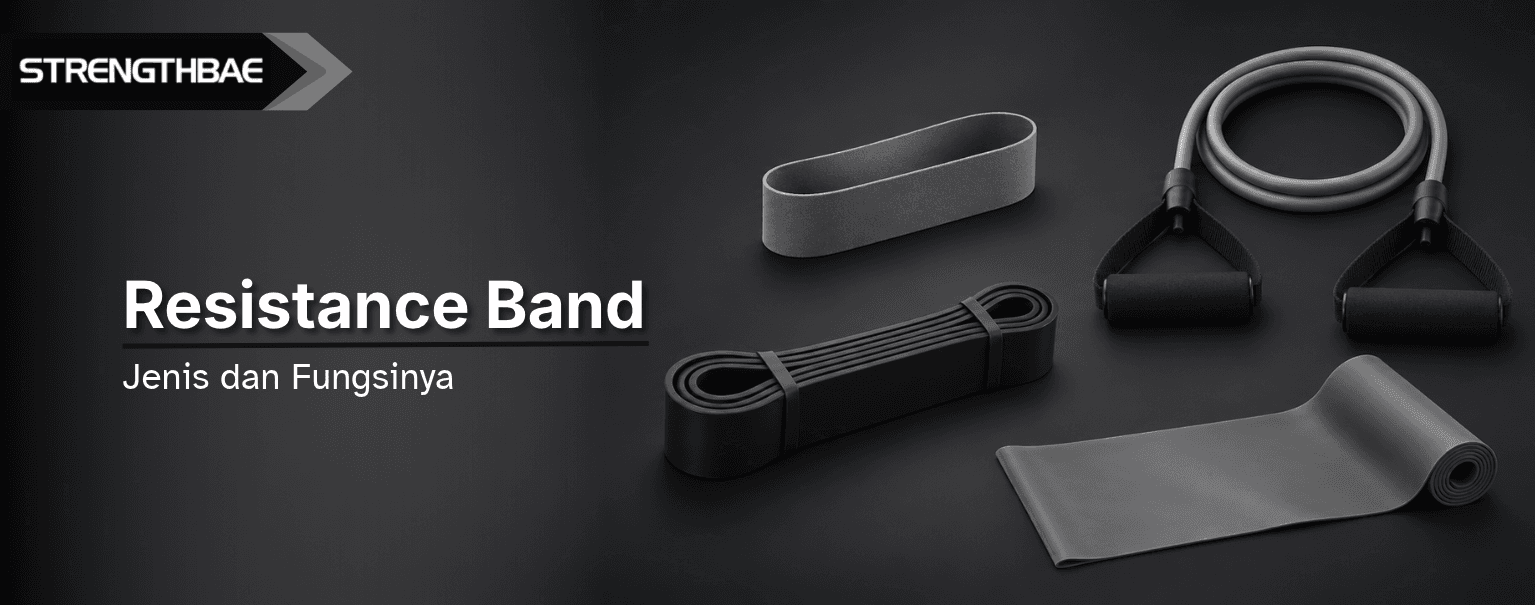
Resistance bands are exercise equipment in the form of elastic bands or cords used to train muscles by providing resistance during movement. There are several types, such as Mini Loop Band, Long Loop Band, Resistance Tube, and Flat Resistance Band, each with different shapes and uses.
Resistance bands can be used for various exercise needs, from strength training, building muscle mass, warming up, improving flexibility, to supporting physical recovery exercises. Their lightweight and portable design makes them practical for use at home or in the gym.
This article will discuss the types of resistance bands and their functions, differences in resistance levels, the advantages of latex and fabric materials, how to choose a resistance band according to your needs, and tips for maintaining it so it remains durable and comfortable to use.
What Is a Resistance Band?
A resistance band is an elastic training tool that provides resistance when stretched or pulled. This resistance makes the muscles work harder during various exercises.
Unlike dumbbells or barbells that use metal weights, resistance bands generate resistance from the tension of the elastic material. The farther the band is stretched, the greater the resistance that the muscles have to overcome.
Therefore, exercise difficulty can be adjusted based on the length of the stretch and the type of resistance band used.
Resistance bands can be used for various exercise needs, from strength training to improve strength and muscle mass to warming up before exercise.
This equipment can also help improve flexibility and joint range of motion so the body is better prepared for various training movements.
In addition, resistance bands can be used in physical rehabilitation exercises with light resistance and controlled movements according to the guidance of a healthcare professional.
Resistance bands can also help make difficult movements easier, such as assisted pull-ups and dips, by reducing part of the bodyweight that needs to be lifted.
How to Choose the Right Resistance Band
To avoid choosing the wrong resistance band, there are several things to consider before purchasing. Make sure the type, size, and resistance level match your training needs.
Training goal: Determine whether the resistance band will be used for strength training, warming up, improving joint mobility, or recovery exercises.
Muscle groups: Choose the type of band according to the muscles you want to train. For example, a Mini Loop Band for the thighs and glutes, while a Resistance Tube is suitable for the chest and arms.
Resistance level: Choose resistance that matches your ability so movements remain comfortable and controlled. Beginners should start with light resistance.
Material type: Choose latex if you need a more elastic band, or fabric if you prioritize comfort and want a band that is less likely to roll up.
Size and length: Adjust the resistance band's length to your height and the movements you will perform so the band is not too short or too long.
Additional accessories: For Resistance Tubes, check accessories such as handles, carabiners, and door anchors. Make sure all attachment points are strong and suitable for the exercises.
Types of Resistance Bands and Their Functions
Resistance bands come in various shapes and sizes designed for different training needs. Some are more suitable for training the leg muscles, full-body workouts, or warming up and recovery.
Here are four common types of resistance bands along with their functions and exercise examples.
Mini Loop Band
A Mini Loop Band is a resistance band in the form of a small loop, with a folded length of approximately 25–30 cm, depending on the product. This type is commonly used to train the lower body, especially the glutes, thighs, and muscles that help stabilize the hips.
To use it, simply place the band around the thighs above the knees or around the ankles, then perform movements against the band's resistance.
Examples of exercises include Lateral Band Walk, Banded Glute Bridge, Standing Hip Abduction, and Banded Squat.
Long Loop Band
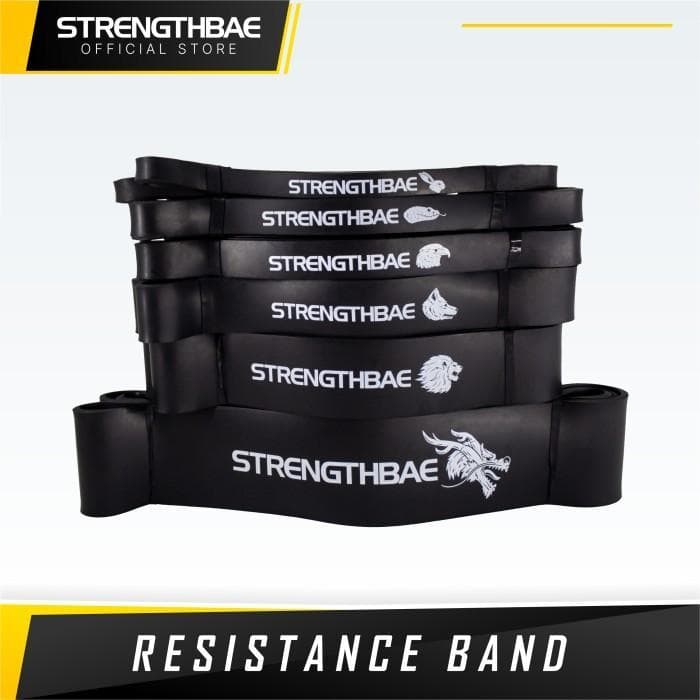
A Long Loop Band is a resistance band in the form of a long loop, generally measuring around 1–2 meters depending on the model. This band is available in various thicknesses, which determine its resistance level.
Long Loop Bands can be used for full-body workouts, especially movements involving multiple muscle groups at once.
It can be used by stepping on the band, pulling it with your hands, or attaching it to a sturdy pole.
Examples of exercises include Banded Squat, Resistance Band Deadlift, Seated Row, and Assisted Pull-Up.
This type is suitable for strength training at home as an alternative to dumbbells or barbells. Long Loop Bands can also help reduce part of the bodyweight when performing pull-ups.
Resistance Tube
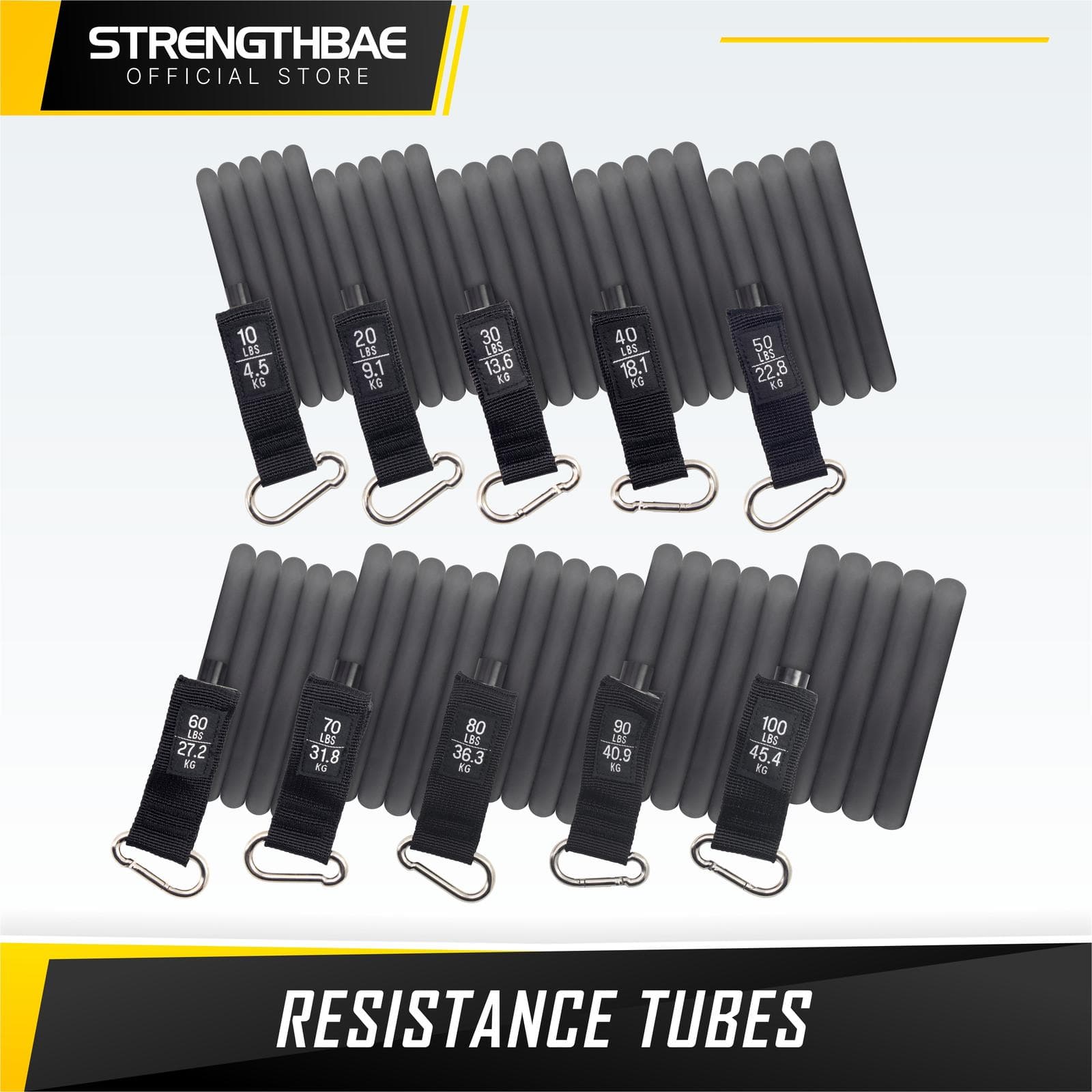
A Resistance Tube is a tubular elastic cord that usually has handles at both ends. These handles make it easier to grip and pull the band during exercise.
A Resistance Tube can be used by stepping on the middle section of the tube or attaching it to a suitable door anchor.
This allows you to perform various pulling and pushing exercises. Examples include Chest Press, Biceps Curl, Shoulder Press, and Seated Row.
Resistance Tubes are suitable for training the upper-body muscles, such as the chest, back, shoulders, and arms. They can also serve as a simple alternative to some cable machine exercises.
Flat Resistance Band
A Flat Resistance Band is a long, flat elastic band with open ends. Unlike a loop band, this type does not form a closed loop, making it easier to adjust the grip length and stretch.
Flat Resistance Bands are commonly used for warm-ups, mobility exercises, improving flexibility, and physical recovery exercises.
To use it, simply hold both ends of the band or attach it to a suitable anchor point.
Examples of exercises include Band Pull-Apart, Shoulder External Rotation, Seated Leg Extension, and shoulder stretches.
This type is suitable for light exercises before weight training, improving joint mobility, and rehabilitation exercises according to the guidance of a healthcare professional.
Read More: Strengthbae Resistance Tubes
Resistance Band Comparison
Resistance Band Type | Shape and Features | Exercise Examples | Main Uses |
Mini Loop Band | Short loop band, approximately 25–30 cm when folded | Lateral Band Walk, Glute Bridge, Banded Squat | Training the glutes, thighs, and hip stability |
Long Loop Band | Long loop band, approximately 1–2 meters | Banded Squat, Deadlift, Assisted Pull-Up | Full-body strength training and pull-up assistance |
Resistance Tube | Tubular elastic cord with handles | Chest Press, Biceps Curl, Shoulder Press | Training the upper body as an alternative to a cable machine |
Flat Resistance Band | Flat elastic band with open ends | Band Pull-Apart, Shoulder External Rotation | Warm-up, mobility, and recovery exercises |
Differences in Resistance Band Materials
The material of a resistance band can affect its elasticity, comfort during use, and long-term durability. Two commonly used materials are latex and fabric. Both have different characteristics and advantages.
Latex Resistance Band
Latex Resistance Bands are made from natural or synthetic latex rubber, which is elastic. This material is commonly used in Mini Loop Bands, Long Loop Bands, Resistance Tubes, and Flat Resistance Bands.
Characteristics: High elasticity and provides increasing resistance as the band is stretched.
Advantages: Flexible for various types of exercises, from light warm-ups to strength training with heavy resistance.
Care: Avoid direct sunlight, excessive heat, and oil, as these can cause the rubber material to deteriorate more quickly.
Fabric Resistance Band
Fabric Resistance Bands are made from woven fabric combined with elastic fibers. This material is commonly used for Mini Loop Bands, especially for training the legs and glutes.
Characteristics: Thicker fabric surface that is less likely to roll up or shift during use.
Advantages: More comfortable when in contact with the skin or clothing and less likely to pinch the skin when stretched.
Care: Generally has more limited elasticity and feels stiffer than latex bands, so its use should be adjusted according to the type of movement.
In general, Latex Resistance Bands are suitable for users who need an elastic band with a wide range of movement options. Meanwhile, Fabric Resistance Bands are suitable for lower-body exercises that require a band with a more stable and comfortable position.
For some people with latex allergies, natural latex can cause itching or redness on the skin. It is important to note that Fabric Resistance Bands are not necessarily latex-free because some products use latex in the elastic fibers inside the fabric. If you have a latex allergy, check the material composition and choose a product labeled latex-free.
Read Also: Resistance Band Exercises at Home for Beginners
Tips for Storing and Maintaining Resistance Bands for Longer Use
Properly maintaining resistance bands can help preserve their elasticity and make them last longer. Maintenance is also important to prevent the band from becoming damaged or breaking during use.
Clean After Use
After exercising, clean the resistance band from sweat and dust using a soft, damp cloth. Make sure the band is completely dry before storing it.
Avoid Heat and Direct Sunlight
Store resistance bands in a cool, dry place away from direct sunlight. Excessive heat can cause rubber materials to harden, crack, or lose their elasticity more quickly.
Roll Loosely
Roll or fold the resistance band loosely without creating sharp bends. Avoid storing it under heavy objects to help maintain its shape and material condition.
Do Not Store While Stretched
After use, remove the resistance band from poles, doors, or gym equipment. Do not leave it stretched for long periods, as this can reduce the material's elasticity.
Keep Away from Sharp Objects
Avoid using or storing resistance bands near sharp objects or rough surfaces that could cause scratches or tears. Use a dedicated storage bag to provide additional protection.
Check the Condition Regularly
Before exercising, check whether the resistance band has cracks, tears, or damaged areas. If using a Resistance Tube, also check the condition of the handles and attachments. Replace damaged bands immediately to maintain safety during training.
FAQ
Can resistance bands help build muscle like dumbbells or barbells?
Yes, resistance bands can help improve strength and build muscle mass. When the band is stretched, the muscles have to work against the resistance provided. To continue progressing, gradually increase the band resistance or number of repetitions. Make sure you also get enough protein and rest to support muscle growth.
How do beginners choose the right resistance level?
Choose a resistance band that allows you to perform 8–12 repetitions with proper technique. Ideally, the movement should start to feel challenging during the final few repetitions while still being performed correctly. If the band is too difficult to stretch or makes your body position unstable, use a lighter resistance level.
Are resistance bands safe for older adults or people with joint problems?
Resistance bands can be an exercise option for older adults because the resistance level can be adjusted according to their physical ability. Some exercises can also be performed while seated for greater comfort. However, people with joint problems or those recovering from an injury should consult a healthcare professional before choosing an exercise program.
When should a resistance band be replaced?
The lifespan of a resistance band depends on material quality, frequency of use, and maintenance. A well-maintained band can be used for a long time, but there is no universal replacement period that applies to every product.
Check the condition of the band before use. If it starts to show cracks, tears, stickiness, or loss of elasticity, replace it with a new one to maintain safety during training.
Complete Your Resistance Band Workouts with Strengthbae
Resistance bands are practical training tools with many uses. By understanding the differences between Mini Loop Bands, Long Loop Bands, Resistance Tubes, and Flat Resistance Bands, you can choose the type that best suits your training needs.
If you want to start exercising at home or add more variety to your resistance band workouts, Strengthbae provides various resistance bands and other gym equipment, such as adjustable dumbbells and rubber mats. Contact the Strengthbae team for recommendations on resistance bands that match your training needs and ability.
Strengthbae is a professional gym equipment brand that provides solutions for commercial gym businesses and home gyms. From power racks and All in One Trainers to functional training accessories for HYROX-standard hybrid races, everything is available at Strengthbae.