Pilates Exercises You Can Do at Home
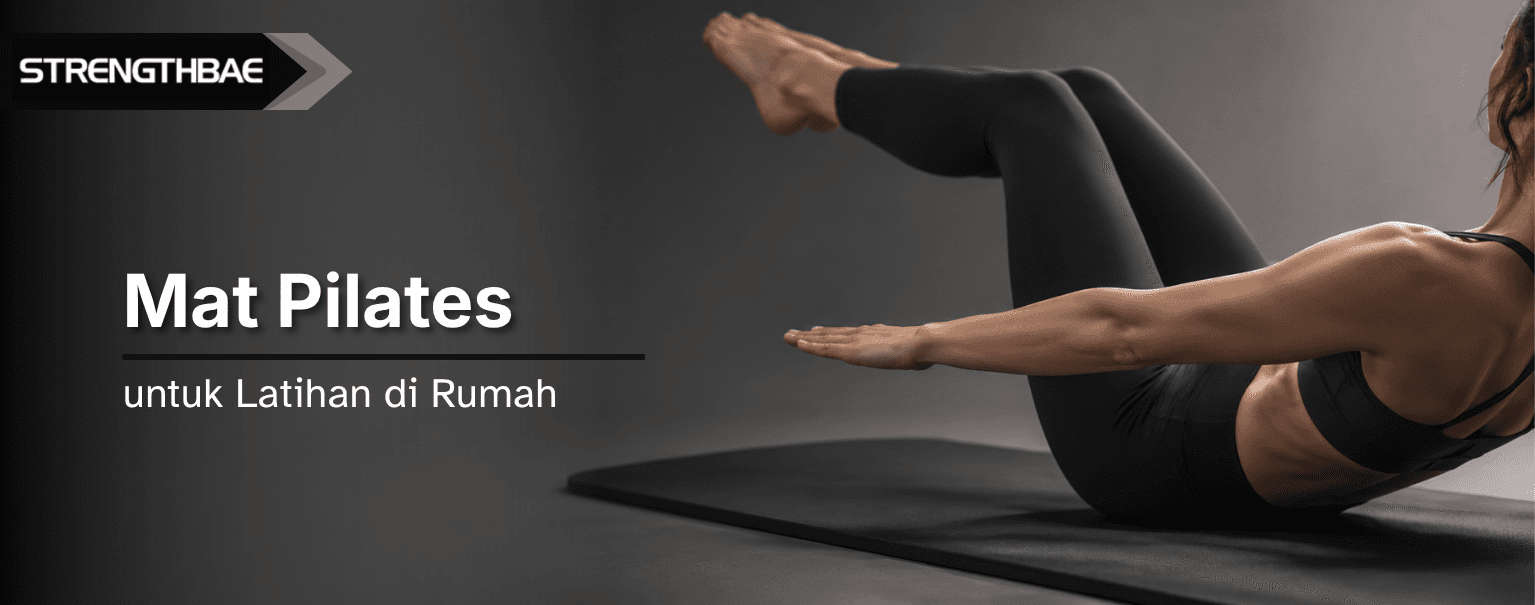
Pilates is a form of exercise that focuses on muscle strength, balance, flexibility, and body control. One type is Mat Pilates, which can be done at home using only a mat and bodyweight without requiring specialized equipment.
There are various Pilates exercises that can help train the abdominal muscles, hips, back, and overall body stability. These exercises are suitable for beginners and can be adjusted according to individual ability, either as a primary workout or as a complement to strength training.
What Is Pilates and Can It Be Done at Home?
Pilates is a form of physical exercise that focuses on movement control, coordination, breathing, and body stability.
There is no fixed limit to the number of Pilates variations because the method includes a wide range of exercises and movements.
In general, Pilates can be divided into two types: Mat Pilates, which uses a mat and bodyweight with or without small additional equipment.
The second type is Equipment-Based Pilates, which uses specialized Pilates equipment such as the Reformer, Cadillac, Tower, or Wunda Chair.
Mat Pilates is a practical option for exercising at home because it does not require specialized machines. Beginners can start with basic movements and gradually try more challenging variations as their strength and coordination improve.
Benefits of Doing Mat Pilates at Home
Doing Mat Pilates regularly can provide various fitness benefits, including:
Core Strength: Helps strengthen the abdominal muscles and muscles that stabilize the body.
Body Control: Trains the ability to control movement and maintain proper body position.
Stability and Balance: Helps the body remain stable and balanced during movement.
Flexibility and Mobility: Helps improve flexibility and joint range of motion.
Muscular Endurance: Trains muscles to perform repeated movements or maintain positions without becoming fatigued quickly.
Coordination and Breathing: Trains coordination between movement and controlled breathing patterns.
Pilates can also complement strength training, but it does not completely replace heavy resistance training or cardiovascular exercise.
Equipment for Doing Mat Pilates at Home
Mat Pilates at home only requires a few simple items, including:
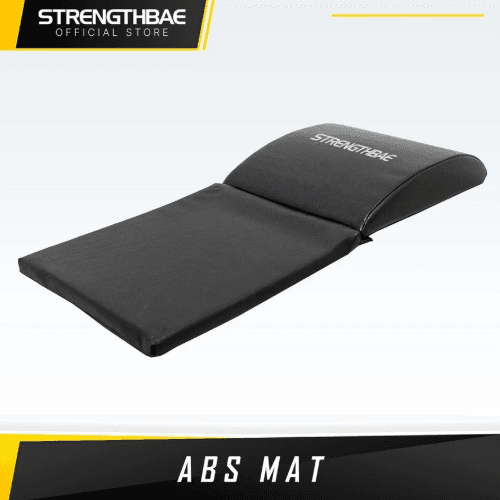
Pilates Mat: Provides cushioning to make floor exercises more comfortable.
Workout Clothes: Wear flexible clothing that does not restrict your movement.
Workout Space: Prepare a clean, flat area with enough space to move freely.
Small Towel or Thin Pillow: Can be used to support the head or back during certain exercises.
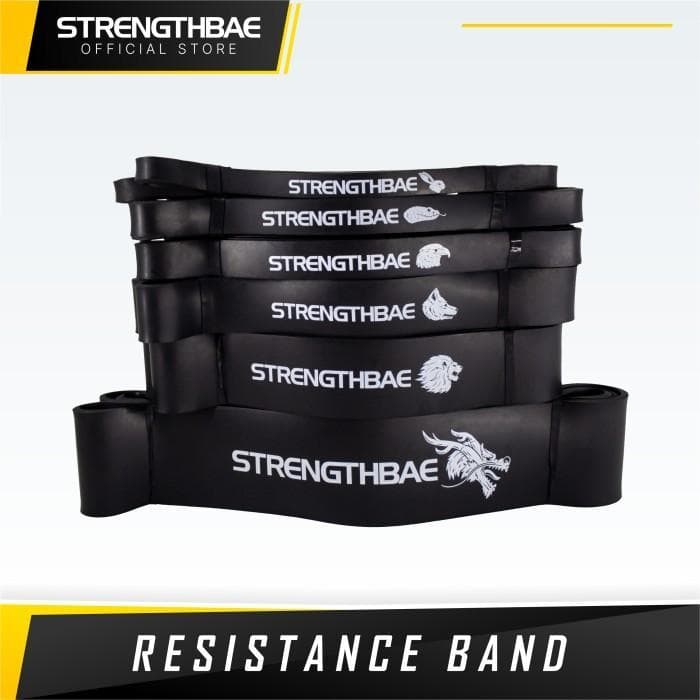
Additional Accessories: Resistance bands or a Pilates ring can be used for exercise variations, but they are not required for beginners.
Make sure the floor is flat, non-slip, and free from objects that could interfere with your movements.
Read More: Resistance Band Strengthbae
Mat Pilates Exercises for Abs and Core
The following Mat Pilates exercises focus on strengthening the abdominal muscles, core muscles, and hip flexors, which help lift and move the thighs.
The Hundred (Modified)
Primary Muscles: Abdominal and core muscles.
How to Perform: Lie on your back with your knees bent and feet flat on the floor. Lift your head and shoulders slightly if comfortable, then extend your arms alongside your body. Move both arms up and down with small, controlled movements while maintaining a steady breathing pattern.
Recommendation: Start with 3–5 breathing cycles, then gradually increase the duration.
Tips: Keep your neck comfortable and avoid holding your breath.
Single-Leg Stretch
Primary Muscles: Abdominal muscles, hip flexors, and muscles that stabilize the pelvis.
How to Perform: Lie on your back and lift both legs with your knees bent at 90 degrees. Extend one leg forward while drawing the other knee toward your chest. Alternate the position of your legs slowly and with control.
Recommendation: 6–10 repetitions per side.
Tips: Keep your head on the floor to make the exercise easier. Avoid excessive arching of the lower back.
Double-Leg Stretch
Primary Muscles: Abdominal and core muscles.
How to Perform: Lie on your back with both knees drawn toward your chest. Extend both arms and legs away from your body at the same time, then return to the starting position while keeping your body stable.
Recommendation: 6–8 repetitions.
Tips: Beginners can keep their head on the floor or move their arms and legs alternately to make the exercise easier.
Pilates Exercises for Hips and Glutes
The following Mat Pilates exercises focus on strengthening the glutes, hamstrings, and muscles that stabilize the hips.
Pelvic Curl / Pelvic Bridge
Primary Muscles: Glutes, hamstrings, and core muscles.
How to Perform: Lie on your back with your knees bent and feet flat on the floor. Slowly lift your hips until your body forms a straight line from your shoulders to your knees, then lower your hips back down with control.
Recommendation: 8–12 repetitions.
Tips: Avoid lifting your hips too high to prevent excessive arching of the lower back.
Single-Leg Circle
Primary Muscles: Hip flexors, hip stabilizers, and core muscles.
How to Perform: Lie on your back with one leg extended upward while the other leg remains on the floor or extended along the floor. Move the raised leg in a small circular motion while keeping your hips stable.
Recommendation: 5–8 circles in each direction for each leg.
Tips: Start with small circles and gradually increase the size if you can keep your hips stable.
Side-Lying Leg Lift
Primary Muscles: Gluteus medius, gluteus minimus, and hip stabilizer muscles.
How to Perform: Lie on your side with both legs straight or slightly bent. Slowly lift the top leg, then lower it without swinging the leg or leaning your body backward.
Recommendation: 10–12 repetitions per side.
Tips: Keep both hips aligned and avoid rotating your pelvis backward.
Mat Pilates Exercises for Back and Mobility
The following Pilates exercises focus on strengthening the back and stabilizing muscles while improving spinal flexibility.
Swimming Prep
Primary Muscles: Erector spinae, glutes, and shoulder stabilizer muscles.
How to Perform: Lie face down with both arms extended forward. Slightly lift one arm and the opposite leg from the floor, such as the right arm and left leg. Lower them slowly, then repeat on the opposite side.
Recommendation: 6–10 repetitions per side.
Tips: Do not lift your chest or legs too high to avoid excessive arching of the lower back.
Spine Stretch Forward
Primary Areas: Spinal stabilizer muscles, back flexibility, and the posterior chain.
How to Perform: Sit upright on the mat with your legs hip-width apart. Extend your arms forward, then slowly curl your spine forward without jerking your body.
Recommendation: 6–8 repetitions.
Tips: Slightly bend your knees if your hamstrings feel too tight.
Seated Spine Twist
Primary Muscles: Obliques and core stabilizer muscles.
How to Perform: Sit upright with your legs extended forward or crossed. Extend your arms to the sides or cross them over your chest, then slowly rotate your upper body to the right and left.
Recommendation: 6–8 repetitions per side.
Tips: Rotate slowly without forcing the movement through your neck or lower back.
Pilates Exercises for Full-Body Stability
The following Pilates exercise focuses on strengthening the core and maintaining stability throughout the body, from head to toe.
Pilates Plank / Front Support (Modified)
Primary Muscles: Core, deltoids, chest, and triceps.
How to Perform: Start on all fours, then extend both legs backward until your body forms a straight line from your head to your heels. Beginners can keep their knees on the floor to make the exercise easier.
Recommendation: Hold for 15–30 seconds for 2–3 sets.
Tips: Keep your head, back, and hips aligned. Avoid letting your hips drop too low.
Read Also: How to Do Cardio at Home Without Gym Equipment
How Often Should You Do Pilates?
Creating a regular Pilates routine can help improve your fitness without placing excessive stress on your muscles.
For beginners, Mat Pilates can be started 2–3 times a week for 15–20 minutes per session. This duration is suitable for those who are new to Pilates or have a busy daily schedule.
Once your body becomes accustomed to the exercises, you can gradually increase the duration or frequency according to your ability.
If you also regularly do strength training, Pilates can be used as a complementary workout to strengthen your core and improve body control.
Make sure your body also gets enough rest, especially if your Pilates exercises involve muscles that are also used during heavy strength training.
Example 15–30 Minute Mat Pilates Routine for Beginners
Here is an example of a Mat Pilates routine that beginners can easily do at home.
Warm-Up — 3–5 Minutes
Start by controlling your breathing while sitting or lying on your back. Perform gentle movements for your shoulders, back, and hips to prepare your body for the main workout.
Main Workout — 12–20 Minutes
Follow this sequence of Mat Pilates exercises for beginners:
No. | Pilates Exercise | Repetitions / Duration |
1 | Pelvic Curl | 10 repetitions |
2 | The Hundred (Modified) | 5 breathing cycles |
3 | Single-Leg Stretch | 8 repetitions per side |
4 | Single-Leg Circle | 5 circles in each direction per leg |
5 | Side-Lying Leg Lift | 10 repetitions per side |
6 | Swimming Prep | 8 repetitions per side |
7 | Seated Spine Twist | 6 repetitions per side |
8 | Pilates Plank (Modified) | Hold for 20 seconds |
Perform one round for a short session of around 15 minutes, or two rounds if your time and physical ability allow. Rest for 15–30 seconds between exercises. Focus on slow and controlled movements rather than speed.
You can also add Double-Leg Stretch or Spine Stretch Forward as variations in your next session to make your workout more diverse.
Cool-Down — 2–3 Minutes
Finish the workout with gentle movements and slow breathing until your body becomes relaxed again. If needed, perform light stretches for your back and hips.
Tips for Making Mat Pilates at Home More Effective
To make your Mat Pilates workouts more effective, prioritize proper technique and movement control rather than the number of repetitions. It is fine if you can only perform fewer repetitions as long as each movement is performed correctly and with control.
Pay attention to your breathing pattern throughout the workout. Inhale through your nose and exhale through your mouth regularly. Avoid holding your breath during the exercises.
If an exercise feels too difficult, adjust it according to your ability. You can bend your knees, reduce the range of motion, or keep your head on the floor to make the exercise easier.
Once you become more comfortable, gradually increase the difficulty by adding repetitions, extending the duration of holds, or trying more challenging exercise variations.
Finally, do not push yourself if you experience pain. Pilates should challenge your muscles without causing pain or injury.
FAQ
Can Mat Pilates be done without an instructor?
Yes. Beginners can perform basic Mat Pilates exercises at home by following clear instructions and choosing movements that match their ability. However, an instructor can still help correct technique and body positioning, especially for more difficult exercises.
Can Mat Pilates build muscle?
Yes. Pilates can help improve muscle strength, endurance, and development, especially for beginners. However, if you want to build significantly more muscle mass, it is recommended to combine Pilates with resistance training that gradually increases through progressive overload.
Can Pilates help with weight loss?
Yes. Pilates increases physical activity and burns calories. However, weight loss still requires a calorie deficit, which occurs when the number of calories consumed is lower than the amount of energy your body uses.
What is the difference between Mat Pilates and Yoga?
Mat Pilates focuses more on core strength, body stability, and movement control. Yoga combines various body postures, breathing techniques, and, in some forms, meditation. Although some of their movements may look similar, the two have different training focuses.
What gym equipment can complement Pilates training?
To complement Pilates training, you can use a comfortable Pilates mat, resistance bands to add muscle resistance, a Pilates ring to train strength and movement control, and a Pilates ball for balance and stability exercises. These accessories are optional because basic Mat Pilates exercises can still be performed with only a mat. If you want to combine Pilates with strength training, you can also add light dumbbells or kettlebells according to your needs.
Start Your Pilates Training with Strengthbae
Mat Pilates is a practical form of exercise that can be done at home without requiring specialized machines. With regular training and exercises suited to your ability, Pilates can help improve core strength, flexibility, balance, and body stability.
Want to equip your home gym or commercial gym facility for Pilates? Strengthbae provides a range of quality gym equipment, from mats and training accessories to professional-grade gym equipment that is durable and backed by an official warranty. Contact the Strengthbae team to get equipment recommendations based on your training needs.
Strengthbae is a professional gym equipment brand providing solutions for commercial gyms and home gyms. From racks and All in One Trainers to functional training accessories for HYBRID RACE workouts, everything is available at Strengthbae.