Beginner's Guide to Dumbbell Workouts at Home
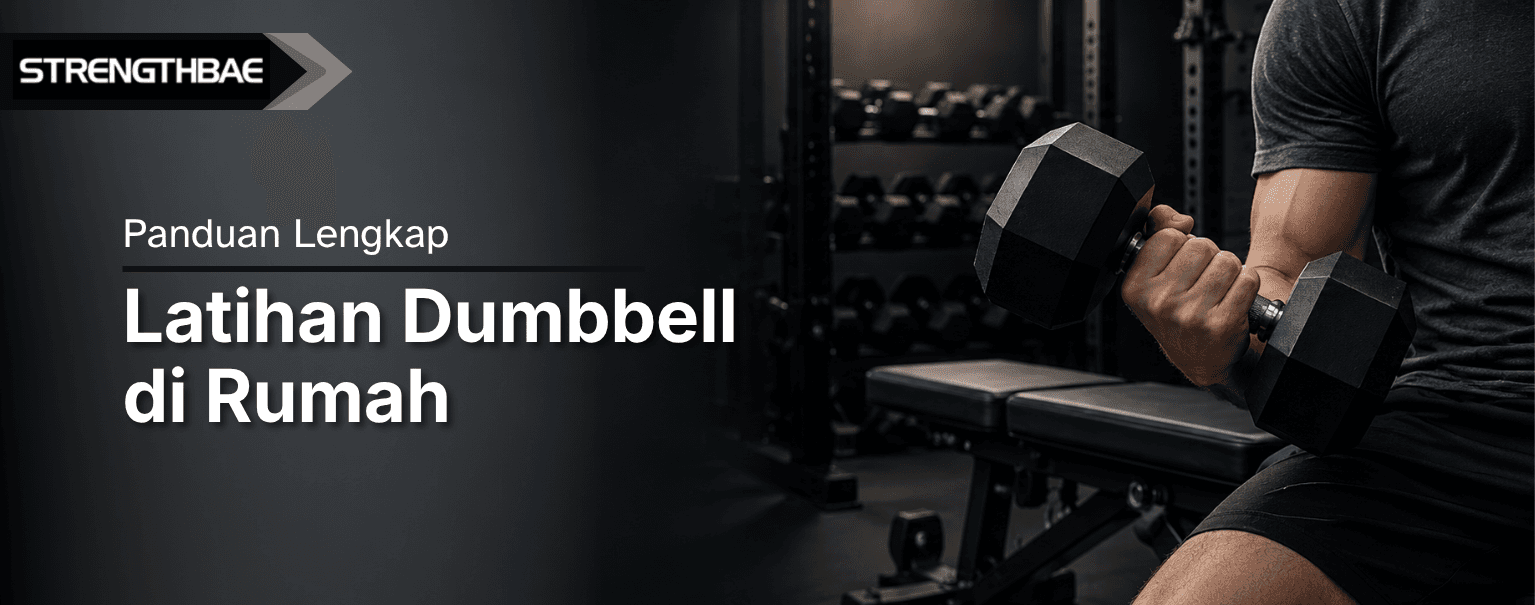
Dumbbell workouts at home are a practical and flexible option because a pair of dumbbells can be used to train various muscle groups without requiring much space. For beginners, the most important thing is not using heavy weights, but mastering proper technique, maintaining control throughout each movement, and training consistently.
This article covers how to choose the right dumbbell weight, set and repetition ranges, various upper- and lower-body exercises, a full-body workout example, and ways to gradually increase training difficulty at home.
Choosing Dumbbell Weight for Beginners
Beginners should choose dumbbell weights based on their individual ability rather than following a specific number. Choose a weight that allows you to complete all repetitions with proper technique and good control.
To determine whether the weight is appropriate, look for the following signs:
Weight is too heavy: Your technique starts to break down, you use momentum, your range of motion decreases, or the final repetitions become difficult to perform with control.
Weight is too light: All repetitions feel too easy and you still have plenty of energy left after completing the set.
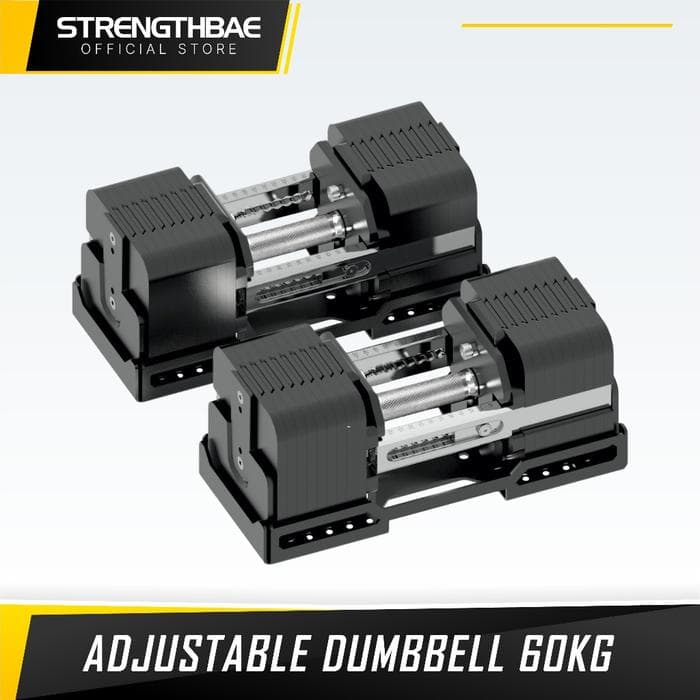
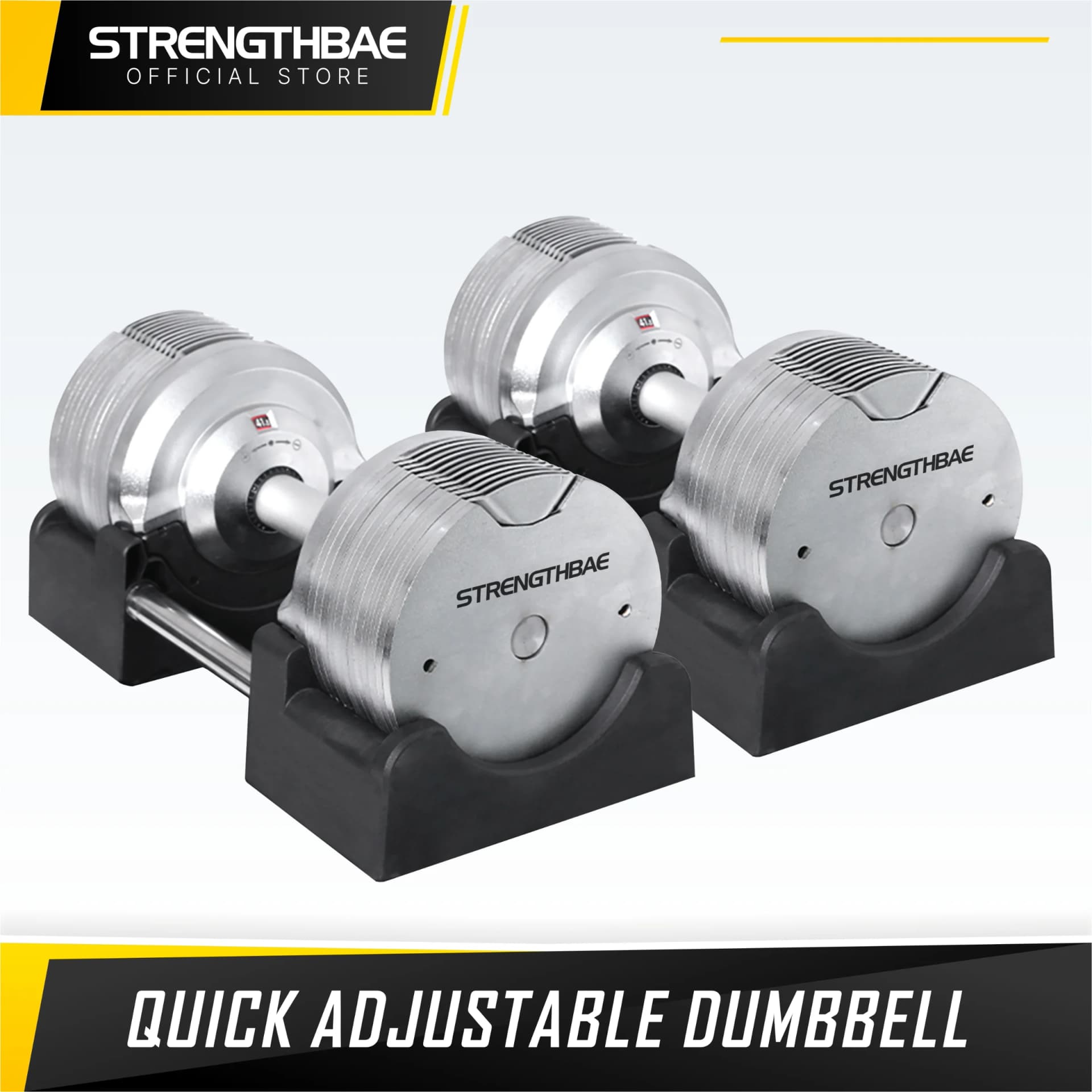
The type of exercise also determines the appropriate dumbbell weight. Isolation exercises such as lateral raises and biceps curls usually require lighter weights than compound exercises such as squats, Romanian deadlifts, and bent-over rows. If you use adjustable dumbbells in your home gym, the weight can easily be adjusted according to the exercise and muscle group being trained.
Determining Sets and Repetitions for Dumbbell Workouts
For beginners, use a simple set and repetition structure to make it easier to focus on technique and movement quality.
Compound exercises such as squats, RDLs, rows, and presses: 2–3 sets × 8–12 repetitions to build strength and muscle mass.
Isolation exercises such as lateral raises, biceps curls, and triceps extensions: 2–3 sets × 10–15 repetitions using a weight that can be controlled throughout the movement.
Carry exercises such as Farmer's Carry and Suitcase Carry: use a distance of 15–30 meters or a duration of 20–45 seconds per round rather than counting repetitions.
Rest for around 60–90 seconds between sets to allow your energy and focus to recover before continuing with the next exercise.
Dumbbell Exercises at Home
Here are 15 dumbbell exercises for home workouts covering fundamental movement patterns such as squat, hinge, lunge, press, pull, carry, and core stability:
Goblet Squat
How to perform: Hold one dumbbell in front of your chest with both hands. Stand with your feet shoulder-width apart, then lower your hips while bending your knees until your thighs are approximately parallel to the floor. Push through your feet to return to a standing position.
Main muscles: Quadriceps and glutes.
Tips: Keep the dumbbell close to your chest and maintain a stable back.
Romanian Deadlift
How to perform: Hold two dumbbells in front of your thighs with your palms facing your body. Push your hips backward while slightly bending your knees, then lower the dumbbells along your thighs to around below knee level. Drive your hips forward to return to a standing position.
Main muscles: Hamstrings and glutes.
Tips: Focus on the hip hinge by pushing your hips backward rather than bending through your lower back.
Reverse Lunge
How to perform: Stand upright while holding a dumbbell on each side of your body. Step one foot backward, then lower your body until your back knee is almost touching the floor. Push through your front foot to return to a standing position, then repeat with the other leg.
Main muscles: Quadriceps and glutes.
Tips: Maintain your balance and keep the front knee stable without allowing it to collapse inward.
Bulgarian Split Squat
How to perform: Place one foot behind you on a stable bench and the other foot in front. Hold a dumbbell in each hand, then lower your body while supporting yourself primarily with the front leg. Push through the front foot to return to a standing position.
Main muscles: Quadriceps and glutes.
Tips: Beginners can start without dumbbells to master balance and technique.
Read Also: Fixed Dumbbell Options for Home Gym: Round vs Hex Dumbbell
Dumbbell Floor Press
How to perform: Lie on your back on the floor with your knees bent. Hold a dumbbell in each hand at chest level. Slowly lower the dumbbells until your arms touch the floor, then press them back up.
Main muscles: Chest, triceps, and anterior deltoid.
Tips: Keep your wrists stable and lower your elbows in a controlled manner.
Dumbbell Shoulder Press
How to perform: Stand or sit upright while holding the dumbbells at shoulder height. Press the dumbbells overhead until your arms are almost fully extended, then slowly lower them back to the starting position.
Main muscles: Shoulders and triceps.
Tips: Avoid using your legs to drive the movement so the exercise stays focused on the shoulders.
Dumbbell Lateral Raise
How to perform: Stand upright with a dumbbell at each side of your body. Raise both arms out to the sides until they reach shoulder height, keeping your elbows slightly bent. Slowly lower them back down.
Main muscles: Lateral deltoid.
Tips: Use a light weight and avoid swinging your body or shrugging your shoulders during the movement.
One-Arm Dumbbell Row
How to perform: Place one knee and one hand on a sturdy bench. Hold a dumbbell with the opposite hand, then pull it toward your waist. Slowly lower it back down.
Main muscles: Latissimus dorsi, upper back, and biceps.
Tips: Keep your body stable and avoid rotating your torso while pulling the weight.
Dumbbell Bent-Over Row
How to perform: Stand upright, then push your hips back and lean your torso forward while keeping your back straight. Pull both dumbbells toward your waist, then slowly lower them back down.
Main muscles: Upper back, latissimus dorsi, and biceps.
Tips: Keep your back neutral and avoid rounding your back during the exercise.
Dumbbell Biceps Curl
How to perform: Stand upright with a dumbbell at each side of your body. Bend your elbows to curl the dumbbells toward your shoulders, then slowly lower them back down.
Main muscles: Biceps brachii.
Tips: Keep your elbows close to your body and avoid swinging your torso.
Dumbbell Overhead Triceps Extension
How to perform: Hold one dumbbell with both hands above your head. Bend your elbows to lower the dumbbell behind your head, then extend your arms to press it back up.
Main muscles: Triceps brachii.
Tips: Keep your elbows pointing forward and avoid letting them flare too far out to the sides.
Dumbbell Dead Bug
How to perform: Lie on your back while holding one dumbbell above your chest. Raise both knees to a 90-degree angle. Slowly lower one arm and the opposite leg, then return to the starting position and repeat on the other side.
Main muscles: Core and obliques.
Tips: Keep your lower back pressed against the floor and perform the movement slowly.
Suitcase Carry
How to perform: Hold one dumbbell in one hand as if carrying a suitcase. Walk while keeping your body upright and avoiding leaning to one side.
Main muscles: Core, obliques, grip, and shoulders.
Tips: Brace your core, keep your shoulders level, and take controlled steps.
Farmer's Carry
How to perform: Hold a dumbbell in each hand at your sides. Stand upright, then walk with steady and controlled steps.
Main muscles: Grip, forearms, shoulders, core, and leg muscles.
Tips: Choose a safe walking area that is clear of obstacles.
Dumbbell Thruster
How to perform: Hold the dumbbells at shoulder height and start in a squat position. Drive through your legs to stand while pressing the dumbbells overhead in one continuous movement.
Main muscles: Quadriceps, glutes, shoulders, and triceps.
Tips: Master the squat and shoulder press first before combining them into a thruster.
Choosing Dumbbell Exercises for a Full-Body Workout
To create a full-body workout program at home, you do not need to perform all 15 exercises in a single session. Too many exercises can lead to excessive fatigue and reduce movement quality.
Choose exercises that represent the main movement patterns:
Lower Body: Choose 1–2 exercises such as Goblet Squat, Romanian Deadlift, or Reverse Lunge.
Push: Choose 1–2 exercises such as Dumbbell Floor Press or Dumbbell Shoulder Press.
Pull: Choose 1 exercise such as One-Arm Dumbbell Row or Bent-Over Row.
Core & Carry: Choose 1 exercise such as Suitcase Carry, Farmer's Carry, or Dumbbell Dead Bug.
With 4–6 exercises, a full-body workout session can already be complete and efficient.
Example Full-Body Workout with a Pair of Dumbbells
No. | Exercise | Main Muscles | Sets & Reps | Rest |
1 | Goblet Squat | Quadriceps & Glutes | 3 × 8–12 | 90 seconds |
2 | Romanian Deadlift | Hamstrings & Glutes | 3 × 8–12 | 90 seconds |
3 | Dumbbell Floor Press | Chest & Triceps | 3 × 8–12 | 90 seconds |
4 | One-Arm Dumbbell Row | Upper Back & Lats | 3 × 8–12/side | 60–90 seconds |
5 | Dumbbell Shoulder Press | Shoulders & Triceps | 2–3 × 10–12 | 60–90 seconds |
6 | Farmer's Carry | Grip, Core & Shoulders | 2–3 rounds × 30 m | 60 seconds |
This full-body workout can be performed 2–3 times per week with at least 1 rest day between sessions to allow your body to recover.
Additional Tips for Dumbbell Workouts at Home
To keep your dumbbell workouts safe and comfortable, consider the following:
Make sure you have enough space to move without hitting furniture or other objects.
Use an adjustable bench or stable exercise mat for exercises that require support.
Make sure the floor is not slippery. Use rubber flooring or shoes with good grip.
Beginners should focus on technique and consistency before increasing the weight.
If you only have one pair of dumbbells, prioritize compound exercises to train more muscle groups in each session.
Read More: Choosing Weights for Home Workouts: Adjustable vs Fixed Dumbbells
FAQ
Are dumbbell workouts at home effective for building muscle?
Yes. Dumbbell workouts at home can effectively build muscle and strength when combined with proper technique, progressive overload, adequate nutrition, and sufficient recovery.
What dumbbell weight should I buy first for a home gym?
Beginners can choose adjustable dumbbells so the weight can be adjusted according to the exercise. Use lighter weights for isolation exercises and heavier weights for exercises such as squats or deadlifts.
Can beginners do a full-body workout with just a pair of dumbbells?
Yes. A pair of dumbbells is enough to train the thighs, glutes, chest, back, shoulders, arms, and core in a single workout session.
Which is better for a home gym, fixed or adjustable dumbbells?
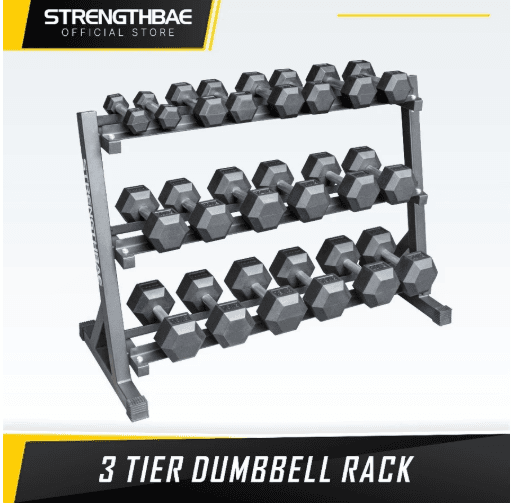
Both have their advantages. Fixed dumbbells are practical and ready to use, while adjustable dumbbells save space and can be easily adjusted according to your training needs.
How many times per week should I do dumbbell workouts at home?
For beginners, 2–3 sessions per week are enough. Allow at least 1 rest day between sessions so your body has enough time to recover.
Build Your Dumbbell Workout at Home with Strengthbae
Dumbbell workouts at home do not have to be complicated or require a lot of space. With exercises such as Goblet Squat, RDL, Floor Press, Row, Lunge, and Carry, you already have a solid foundation for a complete full-body workout.
Start with a weight that matches your current ability, focus on proper technique, and gradually increase the load as you become stronger. Need help choosing adjustable dumbbells or building your home gym setup? Contact the Strengthbae team for advice on fitness equipment that fits your needs.
Strengthbae is a professional gym equipment brand providing solutions for commercial gym businesses and home gyms. From racks and All-in-One Trainers to functional training equipment for HYROX-standard hybrid race training, everything is available at Strengthbae.