Dumbbell Workouts for Women: Are They Different?
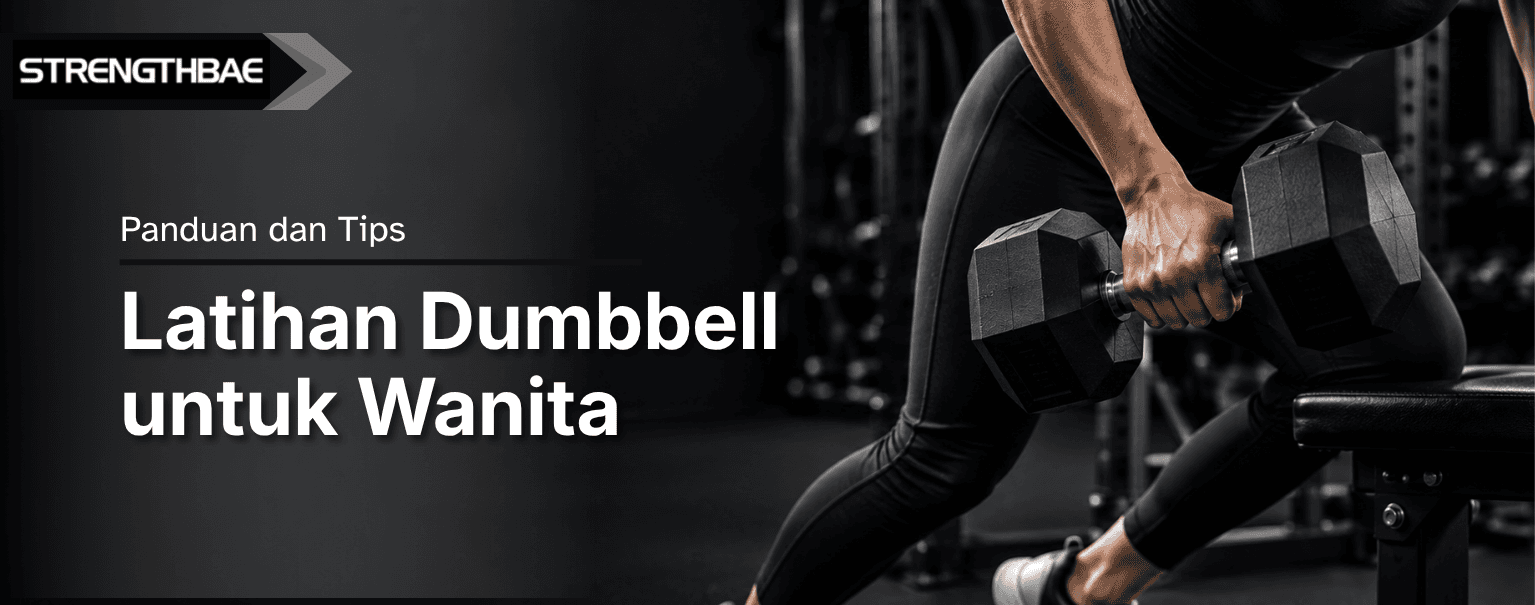
Dumbbell workouts for women basically follow the same strength training principles: regular training, gradually increasing the weight, and getting enough rest. However, the workout program should be adjusted based on your goals, starting ability, experience, and the amount of weight you can still control with proper technique.
There is also no need to worry about the common belief that weight training will make women look too muscular or “bulky.” Dumbbell workouts can help strengthen muscles, shape the body, maintain bone health, and improve overall fitness.
This guide covers how to choose the right dumbbell weight, upper body and lower body exercises, and a sample workout program for beginners.
Are Dumbbell Workouts for Women Different from Those for Men?
Dumbbell workouts for women follow the same principles as weight training in general. Muscles will develop when they receive sufficient training, the weight is gradually increased, nutritional needs are met, and the body has enough time to recover.
Dumbbell weight is also not determined by gender, but by each individual’s ability. For example, a woman who regularly trains with dumbbells may be able to lift the same amount of weight or more than a man who has never trained before. Therefore, the weight should also be adjusted based on the type of exercise, number of repetitions, and how well proper technique can be maintained.
For female beginners, it is naturally recommended to use different weights than those used by experienced lifters. Choose a weight that is challenging enough but still allows you to perform each movement with proper and controlled technique.
Recommended Dumbbell Weights for Female Beginners
For women who are just starting dumbbell workouts, the generally recommended starting weight range is around 0.5 kg to 5 kg. Choose a weight that you can still control with proper technique and a full range of motion.
For upper body exercises such as lateral raises, biceps curls, and overhead extensions, the weight is usually lighter, around 0.5–3 kg. For lower body exercises such as squats, Romanian deadlifts, and step-ups, you can usually use heavier weights, around 3–5 kg or more.
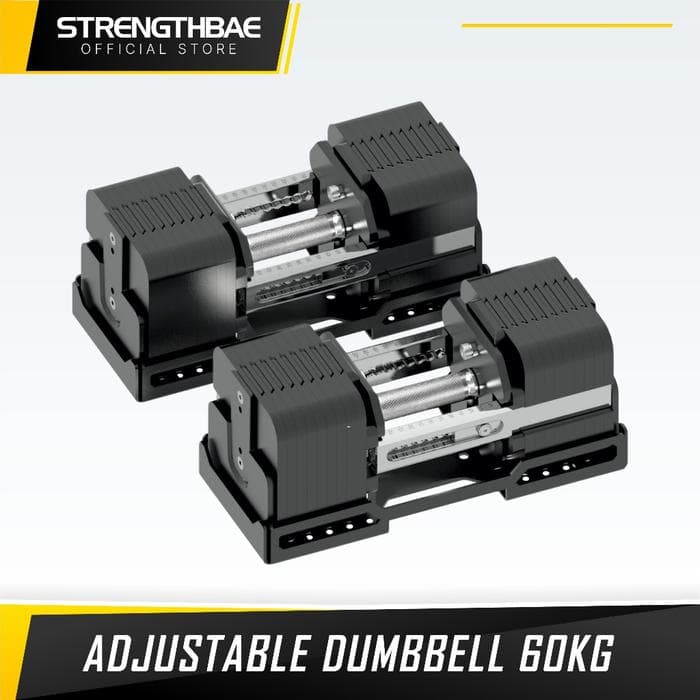
Because each exercise requires a different amount of weight, it is better to use several dumbbell sizes or adjustable dumbbells so the weight can be adjusted for each exercise.
Read Also: How to Choose the Right Adjustable Dumbbell Weight
Goals of dumbbell workouts for women: Toned vs bulky
One of the most common concerns about dumbbell workouts for women is the fear that lifting heavier dumbbells will make the body look too muscular or bulky. In fact, building a very large amount of muscle mass requires high concentrations of the hormone testosterone, very heavy and intense weight training over a long period, a planned calorie surplus, and years of training.
Regular dumbbell workouts alone are not enough to achieve this. A woman’s body will not suddenly become bulky simply from training with heavy dumbbells.
Perhaps a better term or goal is a “toned” or defined body, where the muscles look firm and defined. To achieve this, you need sufficient muscle mass and controlled body fat levels. Therefore, weight training such as dumbbell workouts remains highly relevant for women who want to tone their bodies, burn calories, and maintain good posture.
Muscles That Should be Trained During Dumbbell Workouts
A dumbbell workout program for women should be designed in a balanced way to train all the muscles of the body, even though your training goals may vary.
Lower Body Training
Lower body training focuses on strengthening the quadriceps (front thighs), hamstrings (back thighs), glutes (buttocks), and calves. The main exercises include squats, lunges, Romanian deadlifts, Bulgarian split squats, hip thrusts, and step-ups.
Upper Body Training
Upper body training targets the back, chest, shoulders, biceps, and triceps. The main exercises include dumbbell rows, chest presses, floor presses, shoulder presses, lateral raises, biceps curls, and overhead triceps extensions.
Training the back, chest, and shoulders is important for strengthening pulling and pushing movements, maintaining posture, and supporting everyday activities such as lifting objects. Training these areas will also not automatically make a woman’s body look too wide. What matters more is choosing the weight and training volume according to your goals.
Recommended Dumbbell Exercises for Female Beginners
Here are several dumbbell workout variations for women that can be performed at home or at the gym, along with technique guidelines and their main target muscles.
Goblet Squat & Squat Thruster
These dumbbell exercises train the quadriceps and glutes. Hold a dumbbell in front of your chest, perform a squat, then return to a standing position. For the squat thruster, press the dumbbell overhead as you stand up.
Dumbbell Romanian Deadlift
This dumbbell exercise trains the hamstrings and glutes. Hold the dumbbells in front of your thighs, push your hips back, lower the weights with control, then return to a standing position.
Dumbbell Reverse Lunge & Box Step-Up
These dumbbell exercises train the quadriceps, glutes, and balance. Perform alternating reverse lunges or step up onto a bench while holding dumbbells.
Dumbbell Chest Press & Floor Press
Dumbbell Chest and Floor Presses train the chest, front shoulders, and triceps. The movements can be performed on a bench or on the floor by pressing the dumbbells upward from chest level.
One-Arm Dumbbell Row & Renegade Row
These two dumbbell exercises train the back and biceps. Pull the dumbbell toward your waist. For the renegade row, perform the movement from a push-up position to involve the core more.
Dumbbell Shoulder Press & Lateral Raise
Both dumbbell exercises train the shoulders. The shoulder press is performed by pressing the dumbbells overhead, while the lateral raise is performed by lifting the arms out to the sides.
Dumbbell Biceps Curl & Overhead Triceps Extension
These two dumbbell exercises both train the upper arms. The biceps curl is performed by bending the elbows toward the shoulders, while the overhead triceps extension is performed by straightening the elbows from behind the head.
The following table summarizes the recommended starting weights and main target muscles for each dumbbell exercise for women:
Exercise | Main Target Muscles | Recommended Weight for Female Beginners | Target Repetitions / Sets |
Goblet Squat / Thruster | Quadriceps, Glutes, Shoulders | 3 kg – 5 kg | 3 sets × 8–12 reps |
Romanian Deadlift | Hamstrings, Glutes, Core | 3 kg – 5 kg | 3 sets × 8–12 reps |
Reverse Lunge / Step-Up | Quadriceps, Glutes, Calves | 2 kg – 4 kg | 3 sets × 10 reps/leg |
Chest Press / Floor Press | Chest (Pectoral), Triceps | 2 kg – 4 kg | 3 sets × 8–12 reps |
One-Arm Dumbbell Row | Back, Biceps | 2 kg – 4 kg | 3 sets × 8–12 reps |
Shoulder Press / Lateral Raise | Shoulders (Deltoid), Upper Chest | 1 kg – 3 kg | 3 sets × 8–12 reps |
Biceps Curl / Triceps Ext. | Biceps, Triceps (Arms) | 1 kg – 3 kg | 3 sets × 10–12 reps |
Read Also: Adjustable Dumbbells for Small Rooms: Full-Body Solution
Things to Consider for Female Beginners Starting Dumbbell Training
After learning the exercise names, movements, and weight recommendations for dumbbell workouts for women, there are several things to consider to help maintain stability and consistency.
Sets and Repetitions
Start with a simple program structure: 2 to 3 working sets per exercise with a target of 8 to 12 or 15 repetitions per set. The most important thing is to make sure your technique remains consistent and the weight feels challenging during the last 2–3 repetitions.
Progressive Overload
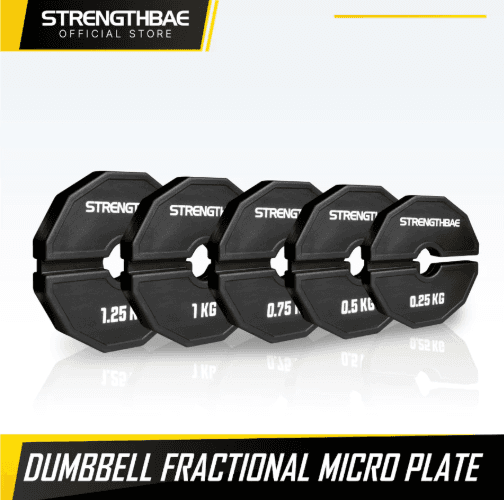
Consider increasing the weight gradually, for example by 0.5 kg to 1 kg, once you can complete all target repetitions with smooth technique. If the increase in dumbbell weight feels too large, progress by increasing the number of repetitions or improving movement control first.
Training to Failure
You do not need to perform every set until complete muscle fatigue, commonly known as muscle failure. The main focus for beginners is mastering technique and posture control. Dumbbell training close to failure can still provide good results without causing excessive fatigue.
Training Frequency per Week
For female beginners, training 2 to 3 times per week with a full-body workout routine is a very practical and effective starting point. Include rest days between training days so the muscles have enough time to recover.
Dumbbell Workouts for Reducing Belly Fat
Dumbbell workouts for women help maintain muscle mass while losing weight and can help the body burn more energy.
However, fat cannot be reduced from only one part of the body, such as the stomach, arms, or thighs. Fat loss occurs throughout the body through a consistent calorie deficit, which can be supported by dumbbell workouts and other physical activities.
The Effect of the Menstrual Cycle on Dumbbell Training
Training responses throughout the menstrual cycle can vary from one woman to another. Some women experience stable energy levels throughout the month, while others may experience lower energy, cramps, or discomfort during certain phases.
You do not need to automatically change your training program based on the cycle calendar. Adjust your training flexibly based on the actual symptoms you experience, such as reducing the training weight, lowering set volume, or choosing more comfortable exercises when your energy is lower.
Common Mistakes Women Make When Starting Dumbbell Training
Avoid the following common mistakes when you are just starting dumbbell training:
Being Afraid to Increase the Weight: Using the same weight for too long can cause training progress to stall. As a result, strength and muscle development may become slower.
Only Focusing on the Glutes and Legs: Training the lower body too much without training the upper body can lead to less balanced physical development. The back, chest, shoulders, and arms also need to be trained to support posture and daily activities.
Doing Very High Repetitions with Very Light Weights: If dozens of repetitions feel too easy, the muscles may not receive enough challenge. As a result, increases in strength and muscle mass may be slower.
Avoiding Chest and Back Training: Not training the chest and back can cause upper-body strength to fall behind. In the long term, muscle balance and posture may also become less optimal.
Changing Programs Too Often: Changing exercises too frequently makes progress difficult to measure. The body also does not get enough time to adapt and improve performance in the same movements.
Choosing Dumbbells Based on a “For Women” Label: Color or gender labels do not determine dumbbell quality. If you only follow these labels, you may choose weights that are too light or equipment that is less suitable for your training needs. Choose based on weight, grip comfort, quality, and function.
FAQ
What dumbbell weight is suitable for female beginners?
For female beginners, the recommended starting weight ranges from 0.5 kg to 5 kg. For smaller upper-body muscle movements such as lateral raises, you can start with 1–3 kg, while larger lower-body movements such as squats can start with 3–5 kg.
Which dumbbell exercises are the most effective for building the glutes?
The most effective exercises for training the glutes include Dumbbell Romanian Deadlifts, Dumbbell Hip Thrusts, Bulgarian Split Squats, Goblet Squats, and Reverse Lunges with proper hip hinge technique.
Can dumbbell workouts reduce fat only in the arms?
No. Body fat loss cannot be targeted to only one specific area. Dumbbell workouts can help strengthen and tone the arm muscles, while fat loss occurs throughout the body through a calorie deficit and regular training.
Can women do dumbbell workouts every day?
Beginners are not advised to train every day. Training 2 to 3 times per week with a full-body routine is already enough to provide muscle stimulation while allowing sufficient recovery time, whether in a home gym or commercial gym. Increase the frequency or training load once you are accustomed to the routine.
Are dumbbells alone enough to build and tone muscles?
Yes. Dumbbells are highly versatile free-weight training equipment that can effectively train the entire body in both personal home gyms and commercial gyms.
Start More Effective Dumbbell Training with Strengthbae
Dumbbell workouts for women do not require complicated methods that are different from basic fitness principles. The key to success lies in choosing the right weight, mastering proper technique, applying progressive overload gradually, and maintaining daily consistency.
Using high-quality dumbbells can also help ensure that every training session is safe, comfortable, and precise, whether in a home gym or fitness gym. To consult about dumbbell set options and recommendations for your home gym equipment, contact the Strengthbae team for the best guidance.
Strengthbae is a professional gym equipment brand that provides solutions for commercial gym businesses and home gyms. From racks and All in One Trainers to functional training accessories such as HYROX-standard sandbags, everything is available at Strengthbae.