Types and Differences in Dumbbell Handle Shapes
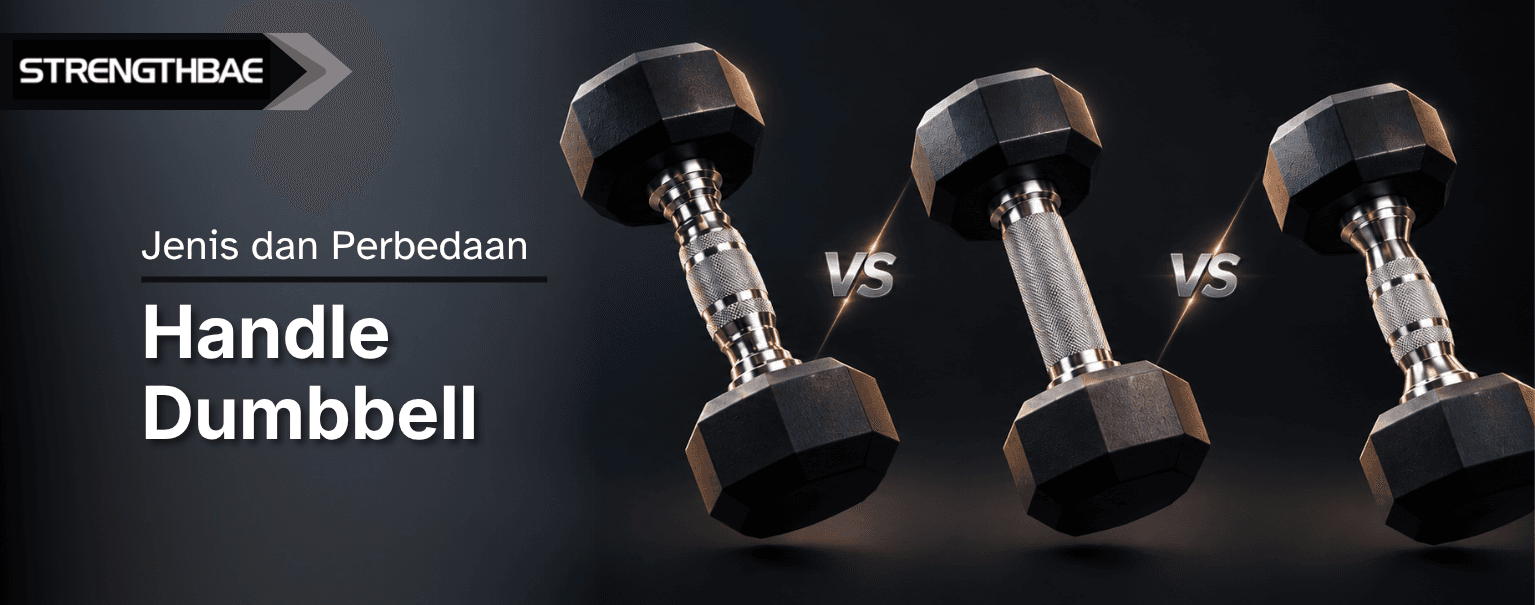
Choosing dumbbells is not only about the weight, but also the shape of the dumbbell handle being used. Common dumbbell handle types include straight handles (straight), contoured handles (curved/ergonomic), and tapered handles (narrowing). The shape, diameter, texture, and angle of a dumbbell handle can affect comfort, grip strength, stability, and wrist position during training.
Each dumbbell handle shape has different characteristics and provides a different grip feel. Therefore, understanding the differences can help you choose dumbbells that better suit your type of training and needs.
What Should You Consider About Dumbbell Handle Shapes?
When choosing dumbbells, the handle shape is not just about appearance. The size and design of a dumbbell handle can affect comfort, grip, and hand position during training. Some important factors to consider include:
Diameter: Determines how firmly your hand needs to grip the dumbbell. A handle that is too thick or too thin can make your hands fatigue more quickly.
Grip Shape: Straight, contoured, or curved dumbbell handles place different amounts of pressure on the palm.
Diameter Changes: Differences in thickness along the dumbbell handle can affect grip position and stability.
Handle Angle: An angled dumbbell handle can change the position of your wrist and elbow during training.
Knurling or Texture: Helps increase friction so the dumbbell is less likely to slip, especially when your hands are sweaty.
Grip Comfort: A comfortable grip is especially important when using dumbbells for multiple sets or repetitions.
Wrist Position: The shape of a dumbbell handle can help keep the wrist neutral or affect its angle during movement.
Grip for Heavy Loads: The right dumbbell handle helps maintain grip and control when using heavier weights.
How to Choose a Dumbbell Handle for Home Workouts
Choosing the right dumbbell handle can make your home workouts more comfortable and provide a more stable grip. Here are some things to consider.
1. Try the Grip if Possible
Hold the dumbbell directly to make sure the dumbbell handle feels comfortable and fits your palm well.
2. Check the Grip Area Size
Make sure the dumbbell handle is long enough to hold comfortably without feeling cramped between the dumbbell heads.
3. Match the Diameter to Your Hand Size
Larger hands are generally more comfortable with thicker handles, while smaller hands may benefit from a smaller diameter that is easier to grip.
4. Check the Texture or Knurling
Choose a texture that provides a secure grip without making your palms uncomfortable. For regular use, a medium texture or comfortable coating can be a good option.
5. Match It to Your Type of Training
Consider the exercises you perform most often. Straight handles are suitable for various exercises such as presses and rows, while contoured or tapered handles can be a good choice if you prefer a particular grip feel.
Straight Handle Dumbbell
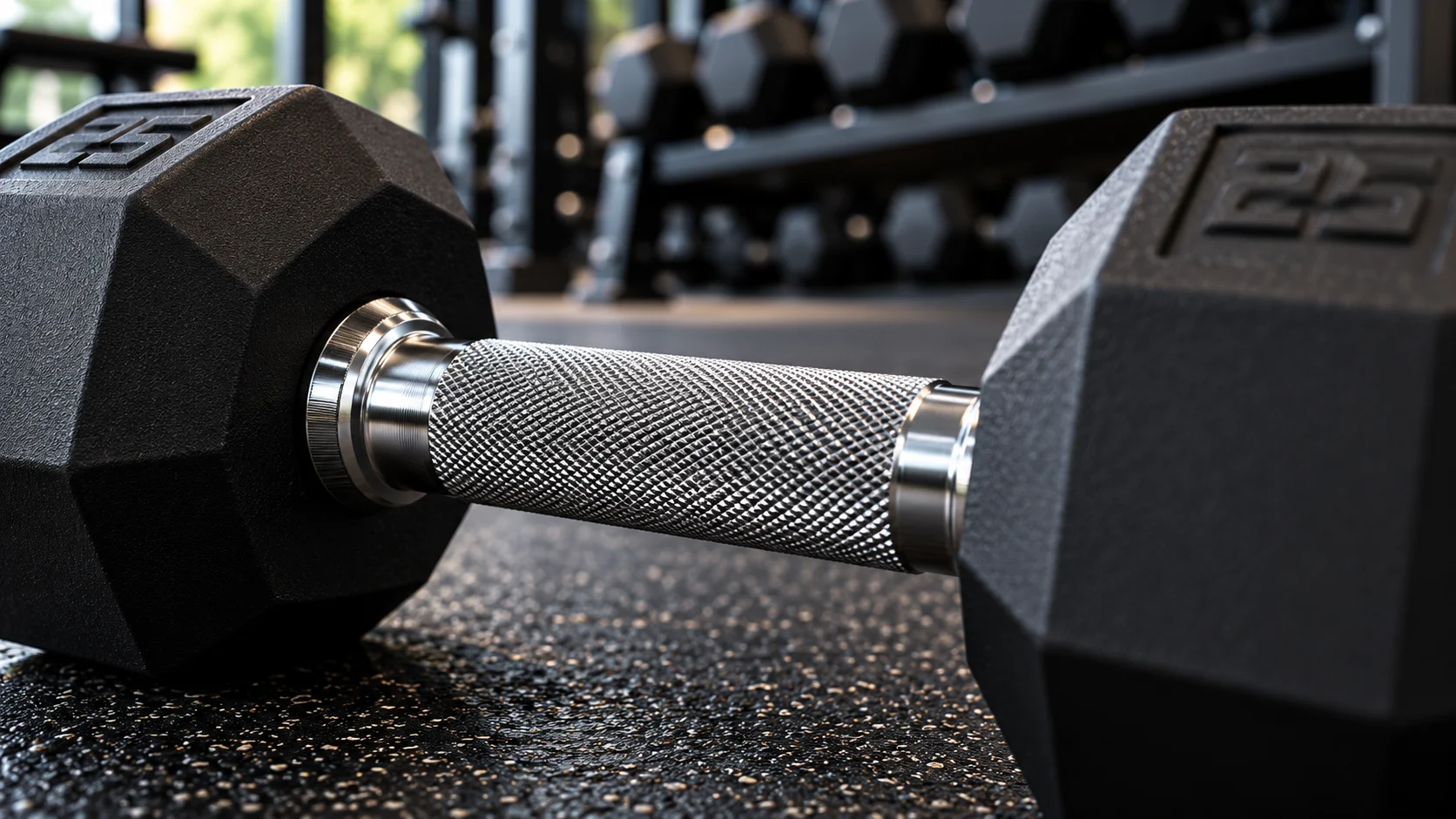
A straight handle dumbbell is the most common type of dumbbell grip. Its simple design makes it easy to use for various types of exercises, whether you are a beginner or an experienced user.
Physical Shape
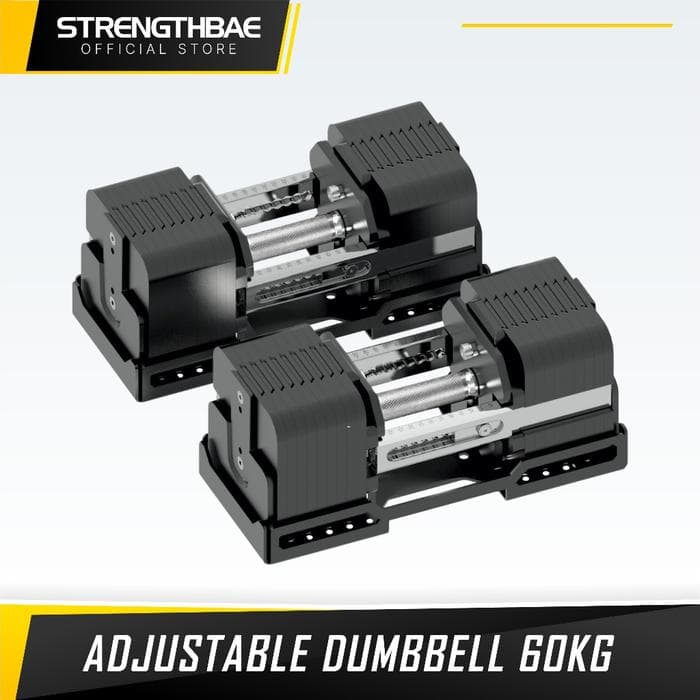
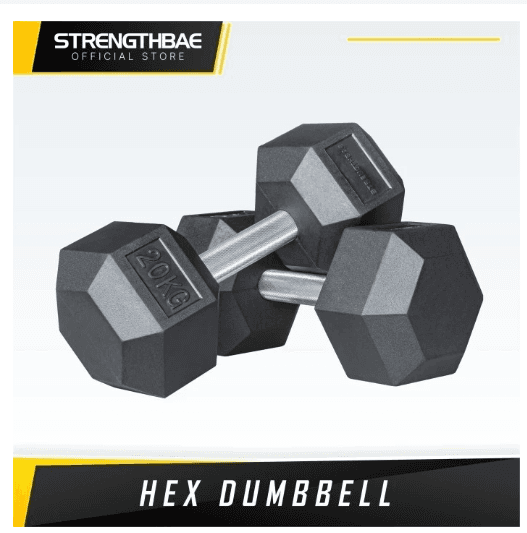
A straight handle is a cylindrical dumbbell handle with a relatively consistent diameter throughout the gripping area. This design is commonly found on fixed dumbbells such as rubber hex and pro-style dumbbells, as well as some adjustable dumbbells.
Grip Feel
The grip feels consistent because a straight handle dumbbell does not have specific contours designed to follow the shape of the fingers. Grip comfort is largely influenced by the handle diameter and surface texture.
Effect on Wrist Position
Because of its straight shape, this dumbbell handle does not provide a specific wrist angle. Wrist position is influenced more by how you grip the handle and the type of movement being performed.
Advantages and Disadvantages
A straight handle has a simple design, is easy to use, remains stable during training, and is suitable for various types of movements. However, during repeated use, this type of dumbbell handle may feel less comfortable for some users because its shape does not follow the natural contours of the palm.
Who Is It Suitable For?
Beginners who are just starting strength training.
Experienced users who prefer a simple grip.
Home gyms and commercial gyms that need versatile dumbbells.
Suitable Exercises
Dumbbell Bench Press and Incline Press
Dumbbell Row
Biceps Curl and Hammer Curl
Shoulder Press
Lateral Raise and Front Raise
Read More: Hex Dumbbell Strengthbae
Contoured Handle Dumbbell
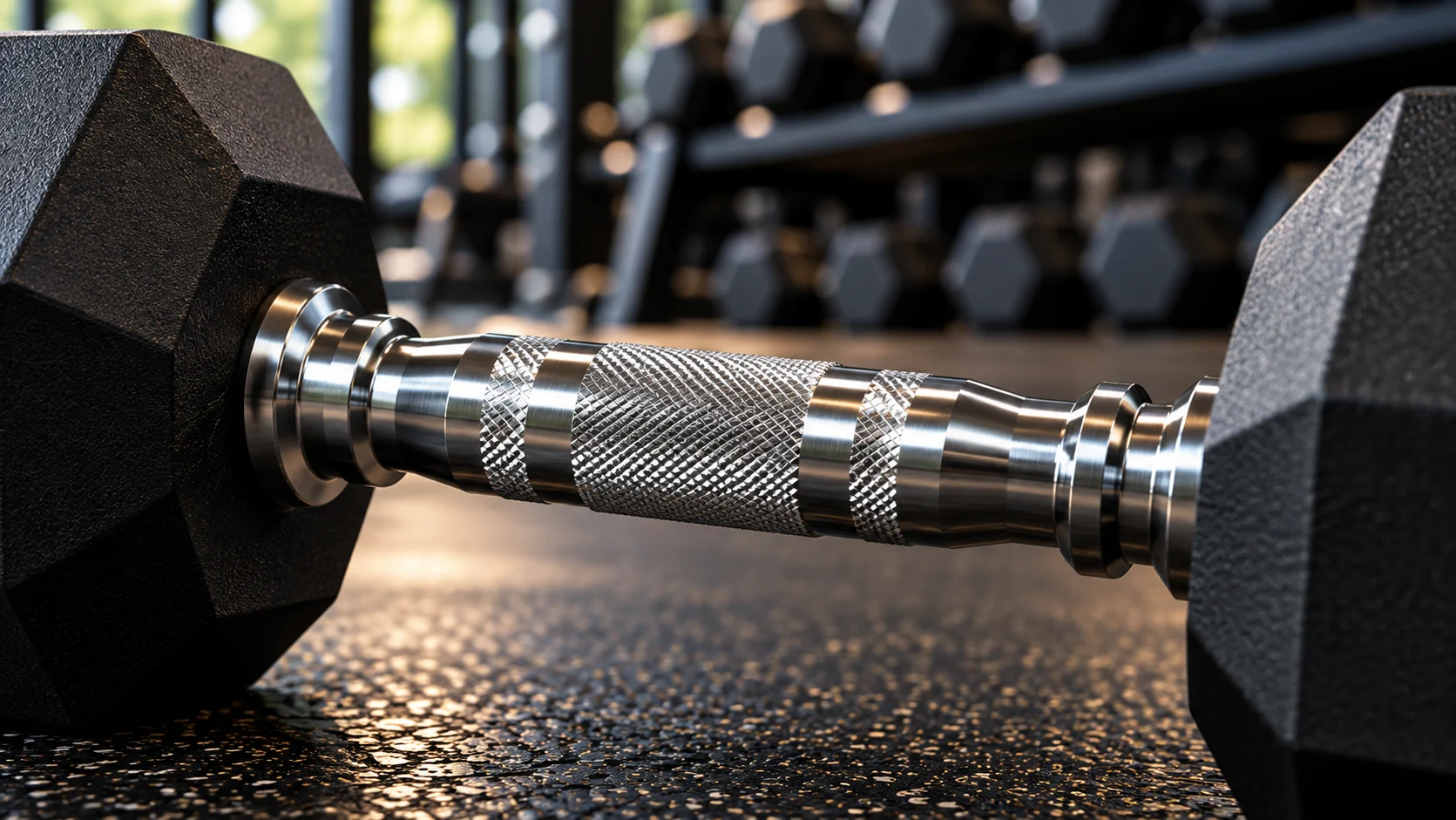
Contoured handle dumbbells have a contoured grip designed to provide a more comfortable and stable feel compared to straight handle dumbbells. Contoured handle dumbbells are also often referred to as ergonomic handle dumbbells.
Physical Shape
The center section of a contoured handle dumbbell is usually thicker and features contours that follow the shape of the palm and fingers. The shape and size of the finger space may vary between manufacturers, but all have sections designed to accommodate the fingers.
Grip Feel
The contoured handle helps fill the center of the palm, making the grip feel more stable and less likely to shift during use.
Effect on Wrist Position
The handle shape helps distribute pressure across the palm more evenly, but it does not change the angle of the wrist.
Advantages and Disadvantages
Contoured handle dumbbells feel more comfortable during high-repetition training and can reduce pressure on the fingers, but the handle contours may not fit every hand size equally well.
Who Is It Suitable For?
Users who prioritize grip comfort.
Users who frequently perform dumbbell exercises with high repetitions.
Suitable Exercises
Dumbbell Chest Press
One-Arm Dumbbell Row
Biceps Curl
Seated Shoulder Press
Various isolation exercises with longer durations
Tapered Handle Dumbbell
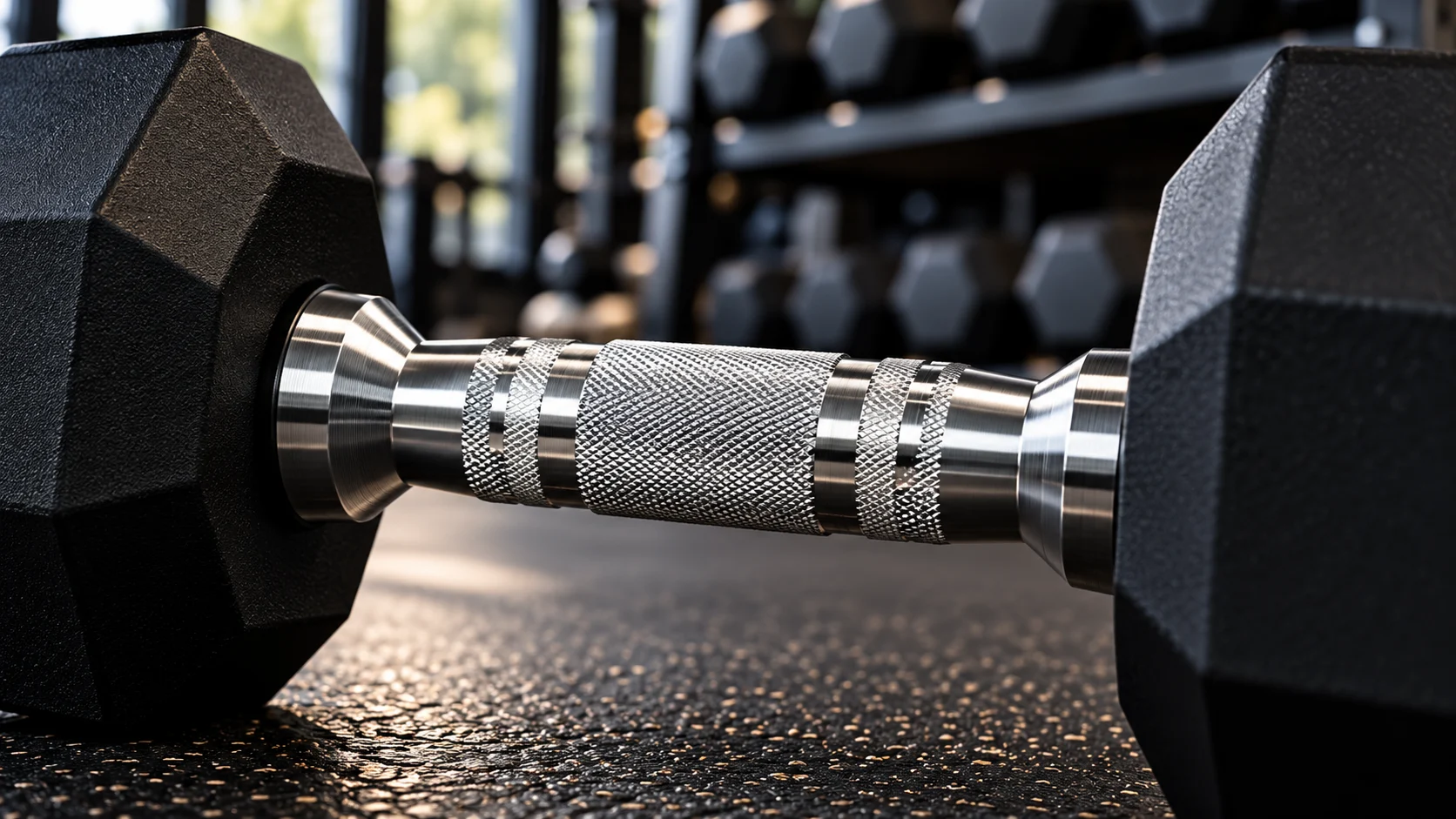
Tapered handle dumbbells have a grip diameter that gradually and smoothly becomes thicker or thinner from one end to the other, unlike contoured handles, which typically have more distinct and varied changes in thickness.
Physical Shape
With a tapered handle, the thickness of the dumbbell handle gradually changes along the gripping area, allowing different parts of the hand to experience different diameters.
Grip Feel
The varying handle thickness provides a unique grip feel and can create variation in how the fingers and hand work to maintain the grip.
Effect on Wrist Position
The taper can affect the position of the palm and wrist, depending on the direction of the taper and how the dumbbell is gripped.
Advantages and Disadvantages
A tapered handle has a gradual change in diameter, which can distribute pressure across the palm differently compared to a handle with a consistent diameter.
This dumbbell handle design can also provide a more directed grip on certain parts of the hand, but because the thickness is not uniform, the grip position may feel less consistent and require some adjustment during use.
Who Is It Suitable For?
Users who want to try a different dumbbell grip feel.
Users who already know their preferred grip style.
Suitable Exercises
Biceps Curl and Incline Curl
Dumbbell Row and Shrug
Flat and Incline Dumbbell Press
Dumbbell exercises with high repetitions.
Comparison of Straight, Contoured, and Tapered Handles
Each dumbbell handle shape provides a different grip feel. There is no single shape that is best for everyone because the choice depends on hand size, type of exercise, and user comfort.
Handle Shape | Physical Shape | Grip Characteristics | Wrist Position | Flexibility | Suitable Users |
Straight | Straight cylinder with a relatively consistent diameter | Consistent grip and easy to control | Neutral, depending on how it is gripped | High and versatile | Beginners to experienced users |
Contoured | Features contours or a thicker center section | Follows the shape of the palm more closely and feels more stable | More evenly distributed pressure on the palm | Moderate | Users who prioritize comfort |
Tapered | Diameter gradually changes from thick to thin | Provides a different grip feel across the fingers and palm | Can affect hand position depending on the design and how it is gripped | Moderate | Users who want a different grip characteristic |
Read Also: Adjustable vs Fixed Dumbbell: Choosing Weights for Home Workouts
Handle Shape and Type of Exercise
Each dumbbell exercise can place different amounts of pressure on the palm and wrist. The shape of the dumbbell handle can affect grip comfort and stability, so the choice can be adjusted to the type of exercise.
For Dumbbell Press
During chest press and shoulder press, the dumbbell rests in the palm, so the grip and wrist position should remain comfortable. Straight handle dumbbells provide a stable grip, contoured handle dumbbells help follow the shape of the palm, while tapered handle dumbbells provide a different grip feel because the diameter changes.
For Rows
During bent-over rows and single-arm rows, the grip needs to remain strong because the dumbbell is repeatedly pulled. Straight handle dumbbells with a good grip texture provide consistent control, while contoured dumbbells may feel more suited to the shape of the palm, and tapered handle dumbbells provide variation in pressure across the fingers.
For Curls
During biceps curls and hammer curls, the dumbbell grip needs to provide good control as the hand rotates or maintains a neutral position. All three types of dumbbell handles can be used, with the main differences being grip feel and individual comfort.
For Shoulder Press
When performing a shoulder press, pay attention to keeping the wrist stable and avoiding excessive bending. Choose a dumbbell handle shape that feels comfortable and allows you to control the dumbbell throughout the movement.
For Heavy Weight Training
When using heavy weights, the diameter and texture of the dumbbell handle become increasingly important because the grip needs to remain strong and stable. Straight, contoured, and tapered handles can all be used as long as the handle provides a secure and comfortable grip that suits the user's hand size.
FAQ
Do dumbbell handle shapes affect training results?
Dumbbell handle shapes only affect grip comfort, grip stability, and wrist position when lifting weights. Training results such as muscle growth and strength are still determined by program consistency, progressive overload, proper exercise technique, and adequate recovery.
Is a contoured handle dumbbell always more comfortable than a straight handle dumbbell?
Not always. Contoured handles are designed to follow the shape of the palm, but their comfort depends greatly on whether the contours fit the width of your palm. For users with very large hands, straight handles may actually feel more stable and flexible.
Which dumbbell handle shape is best for beginners?
Straight and contoured handles are ideal choices for beginners. Straight handles provide a versatile grip for learning various basic techniques, while contoured handles provide a comfortable, more secure grip when using light to moderate weights.
Why do commercial gyms often use straight handle dumbbells?
Commercial gyms prioritize material durability, ease of maintenance, and flexibility for hundreds of members with different hand sizes. Steel straight handle dumbbells with knurling are a universal standard that offers excellent durability and has proven suitable for a wide range of users.
How do you determine the right dumbbell handle diameter for your hand size?
The right dumbbell handle diameter allows your middle finger and thumb to touch or almost touch when wrapped around the handle, while still providing a firm and secure grip without feeling loose. A standard diameter of 28–32 mm is generally suitable for most adult users.
Choose the Right Dumbbells with Strengthbae
The shape of a dumbbell handle may seem like a small detail, but it can affect grip comfort and stability during training. Understanding the differences between straight, contoured, and tapered handles can help you choose dumbbells that suit your hand size and type of training.
Whether for a home gym or commercial gym, choose dumbbells with comfortable handles, a suitable diameter, and good grip texture. Complete your training setup with dumbbells and gym equipment from Strengthbae that can be tailored to your available space and training program. Talk to our team for a range of options to suit your needs.
Strengthbae is a professional gym equipment brand that provides solutions for commercial gym businesses and home gyms. From racks and All in One Trainers to functional training accessories such as Hyrox-standard sandbags, everything is available at Strengthbae.