What Is Streetlifting and What Are Its Benefits
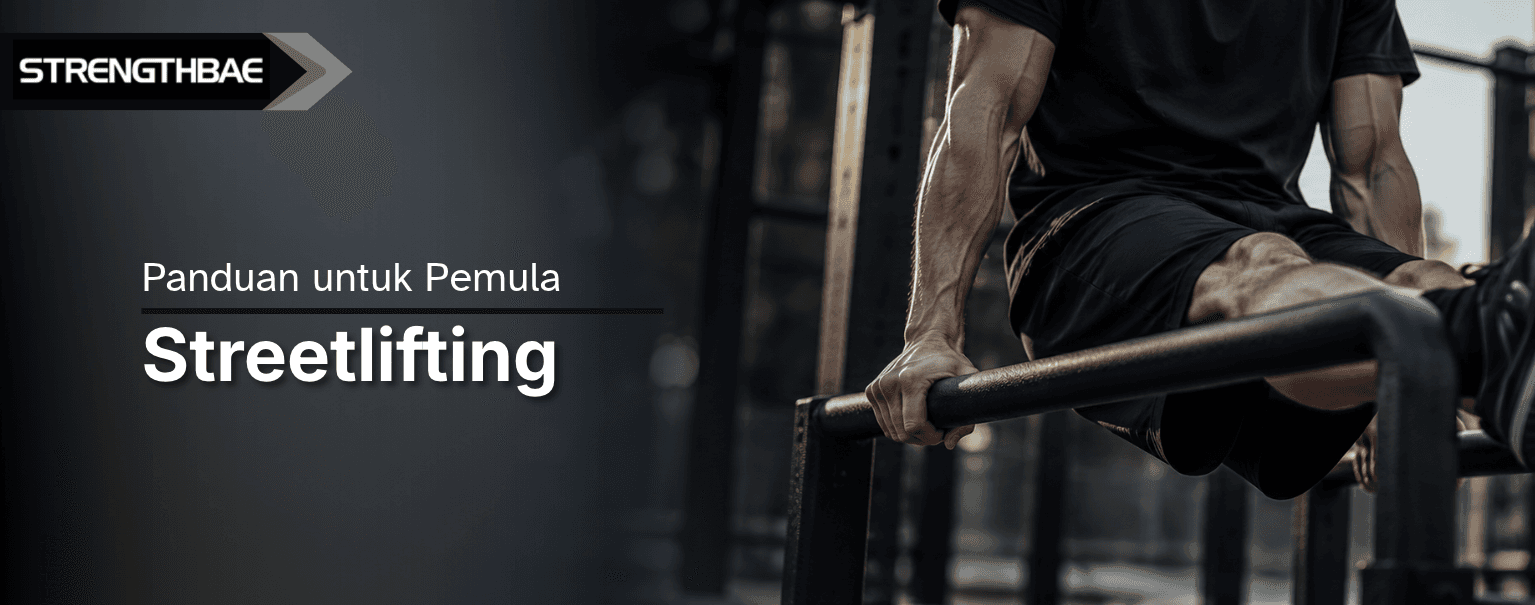
Streetlifting is a strength sport that combines calisthenics with additional weight. The added load is typically attached using a dipping belt and weight plate to increase the challenge of each exercise.
Unlike traditional calisthenics, which primarily relies on bodyweight, streetlifting focuses on building strength through movements such as weighted pull-ups, weighted dips, weighted muscle-ups, and barbell squats. Streetlifting can be practiced for fitness or as a competitive sport with specific rules and scoring criteria.
This article covers what streetlifting is, its benefits, the main exercises, the equipment you need, and how beginners can get started.
What Is Streetlifting?
Streetlifting is a strength sport that combines basic street workout movements with additional weight. The goal is to test and develop maximal strength by adding external resistance to bodyweight movements.
Streetlifting originally developed from the street workout community, where people commonly trained pull-ups and dips in parks or outdoor facilities. As the sport evolved, movements such as muscle-ups and back squats were also incorporated into streetlifting competitions.
To make the differences between these terms easier to understand, here is a comparison:
Streetlifting: A strength sport that tests movements such as pull-ups, dips, muscle-ups, and squats with additional weight using a dipping belt and weight plates.
Street Workout: Training that primarily uses bodyweight, usually performed in parks or outdoor facilities, with a focus on fitness and body control.
Weighted Calisthenics: Calisthenics performed with additional resistance, such as a weighted vest, dip belt, or resistance band. It includes a wider range of movements, such as handstand push-ups, front levers, back levers, and planches.
Streetlifting can be considered a more structured form of weighted calisthenics that focuses specifically on testing strength.
How Does Streetlifting Work?
Streetlifting combines your bodyweight with additional weight to increase training resistance. For example, if a 70 kg athlete performs a pull-up with an additional 10 kg weight plate attached to a dipping belt, the total load being lifted is 80 kg.
As strength improves, the additional weight can be gradually increased through the principle of progressive overload. However, increasing the load should always be accompanied by proper technique, controlled movement, and a full range of motion.
In streetlifting competitions, scoring can vary depending on the rules being used. Some competitions focus on the amount of additional weight lifted, while others take the athlete's bodyweight into account when comparing performance.
Benefits of Streetlifting
Regular streetlifting training can help improve strength, muscle mass, and body control.
Builds Upper-Body Strength
Weighted pull-ups train pulling strength, while weighted dips train pushing strength. Both movements engage multiple muscle groups at the same time.
Improves Relative Strength
Streetlifting develops your ability to produce force relative to your own bodyweight. You are not only lifting your bodyweight but also controlling additional external load.
Helps Build Muscle Mass
The additional resistance used in streetlifting places greater demands on the muscles, which can support muscle growth, particularly in the chest, triceps, shoulders, and back.
Improves Grip and Stability
Weighted pull-ups can help strengthen your grip and forearms. Your core and stabilizing muscles also work to keep your body stable and minimize excessive movement.
Makes Progress Easier to Track
Streetlifting progress can be measured clearly by tracking the amount of weight used. You can monitor strength gains based on how many additional kilograms you can lift with a dipping belt.
Read Also: Calisthenics Guide and Its Benefits for Your Health
Is Streetlifting Suitable for Beginners?
Streetlifting can be learned by beginners, but it is not ideal for someone who is completely new to strength training. In this context, a beginner means someone who is new to streetlifting but already has a basic understanding of calisthenics techniques and a sufficient foundation in strength training.
Before using a dipping belt and weight plates for streetlifting, you should ideally be able to:
Perform 8–10 pull-up reps with a full range of motion.
Perform 10–15 controlled dip reps.
Keep your core engaged without swinging your legs or using momentum.
Perform a proper warm-up and have adequate shoulder and wrist mobility.
If you cannot yet perform pull-ups or dips with good technique, start with easier variations such as band-assisted pull-ups or negative dips. Do not rush to add extra weight before your body has adapted to the basic movements.
Main Streetlifting Exercises
Streetlifting uses several key exercises that test upper- and lower-body strength, particularly pulling, pushing, and squatting movements.
Weighted Pull-Up
A weighted pull-up is performed by pulling your body up on a pull-up bar while wearing a dipping belt with additional weight attached. Pull yourself up until your chin clears the bar, then lower yourself under control until your arms are fully extended. This exercise primarily targets the back, biceps, and core.
Weighted Dip
A weighted dip is performed on parallel bars with additional weight attached. Starting with your arms straight, lower your body under control, then push yourself back up until your elbows are straight. This exercise primarily targets the chest, triceps, and front delts.
Weighted Muscle-Up
A weighted muscle-up combines a pull-up with a transition over the bar, followed by a dip. This movement requires strength, explosiveness, and good coordination. The muscles involved include the back, arms, chest, shoulders, and core.
Barbell Squat
A barbell squat is performed with a barbell across your back and additional weight plates loaded onto the bar. Lower your body into an appropriate squat position, then drive back up to standing. This exercise primarily targets the quadriceps, glutes, hamstrings, and inner thighs.
How to Start Streetlifting and Progress Your Loads
To gradually build streetlifting strength and reduce the risk of injury, follow these steps:
Start with Bodyweight
Master pull-ups and dips without additional weight first. Focus on controlled movements and proper technique so your body can adapt to the demands of the exercises.
Add Weight Gradually
Once you have mastered the basic movements, start using a dipping belt with a light additional load, such as 2.5–5 kg. Increase the weight gradually while maintaining consistent technique.
Set Your Sets and Reps
To build strength and improve technique, you can start with 3–4 sets of 5–8 reps. Use a weight that allows you to maintain proper form and rest for around 2–3 minutes between sets.
Add Supporting Exercises
Use additional exercises to strengthen the muscles involved in the main movements, such as Australian pull-ups or cable rows for the back, push-ups or triceps extensions for pushing strength, and ab wheel rollouts or hanging leg raises for the core.
Equipment for Streetlifting
Streetlifting equipment needs to be strong and stable enough to handle additional loads during training. Here are some pieces of streetlifting equipment you can use at home or try at a commercial gym.
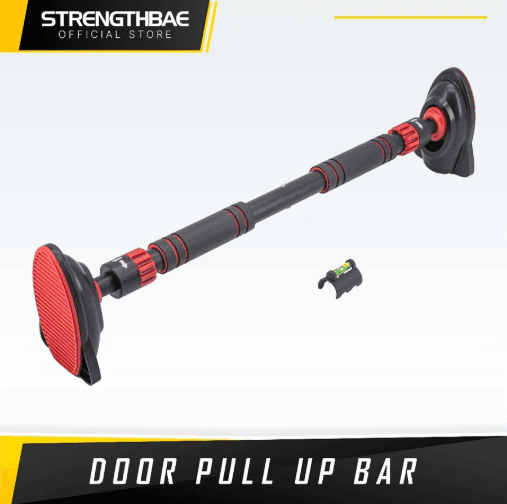
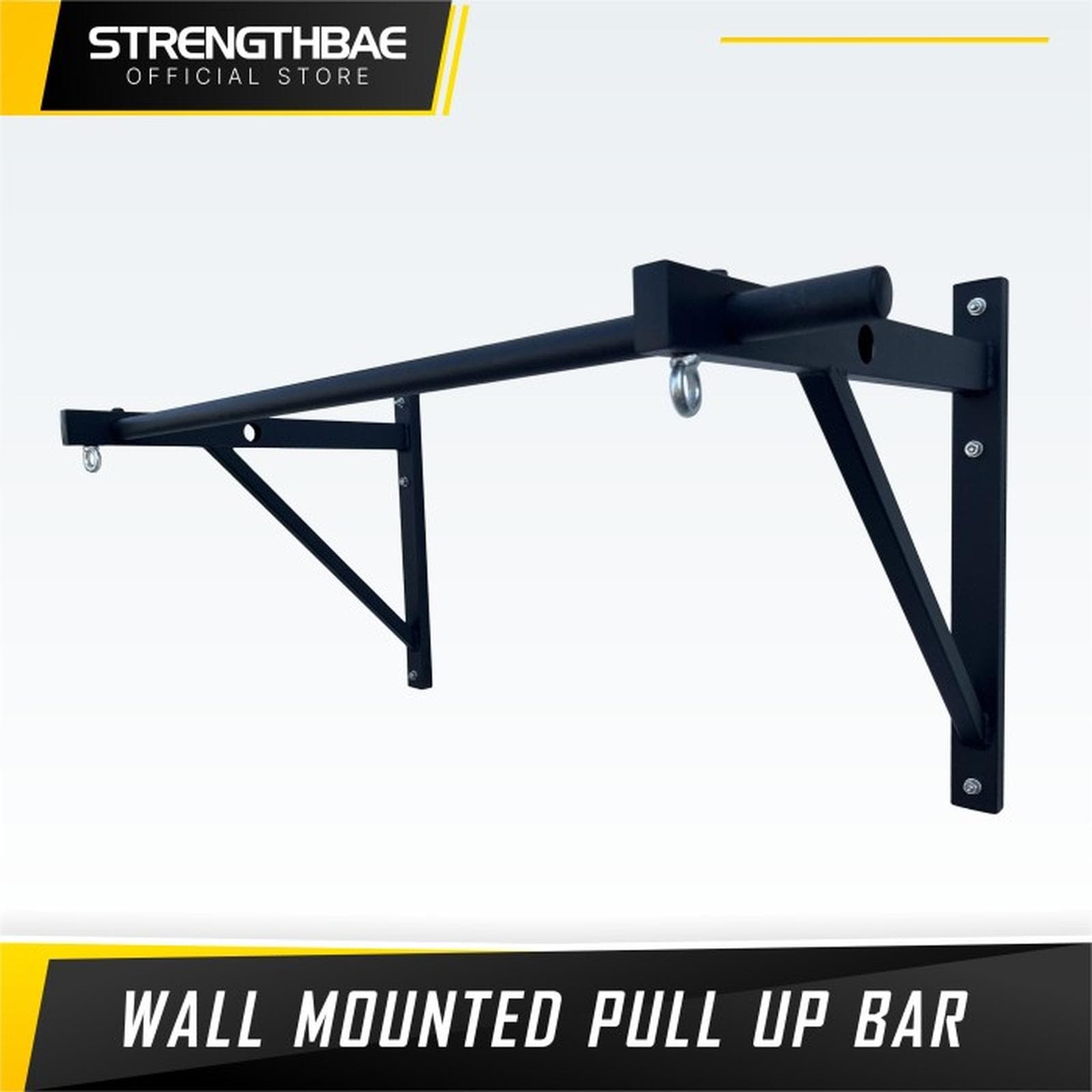
Pull-Up Bar
A strong and stable pull-up bar is essential for weighted pull-ups and muscle-ups. Make sure the frame can support your body weight and additional load without excessive movement.
Dip Bar
Use a sturdy dip bar or parallel bar with a width that suits your shoulder position. An adjustable-width model offers greater versatility.
Dipping Belt
A dipping belt is used to attach weight plates for pull-ups or dips. Choose a belt made from durable materials with a strong chain and secure attachment system that can safely support additional weight.
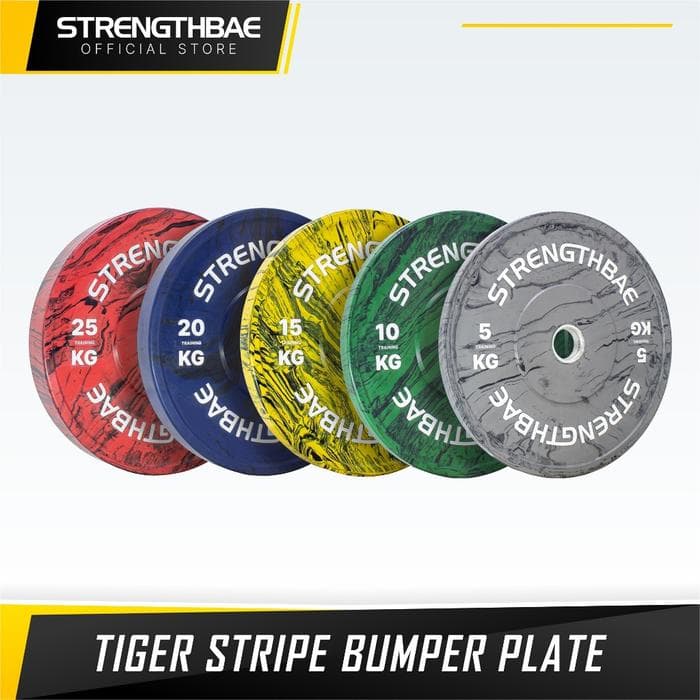
Weight Plate
Weight plates are used as additional resistance. Have plates in various sizes, including fractional plates, so you can increase the load gradually.
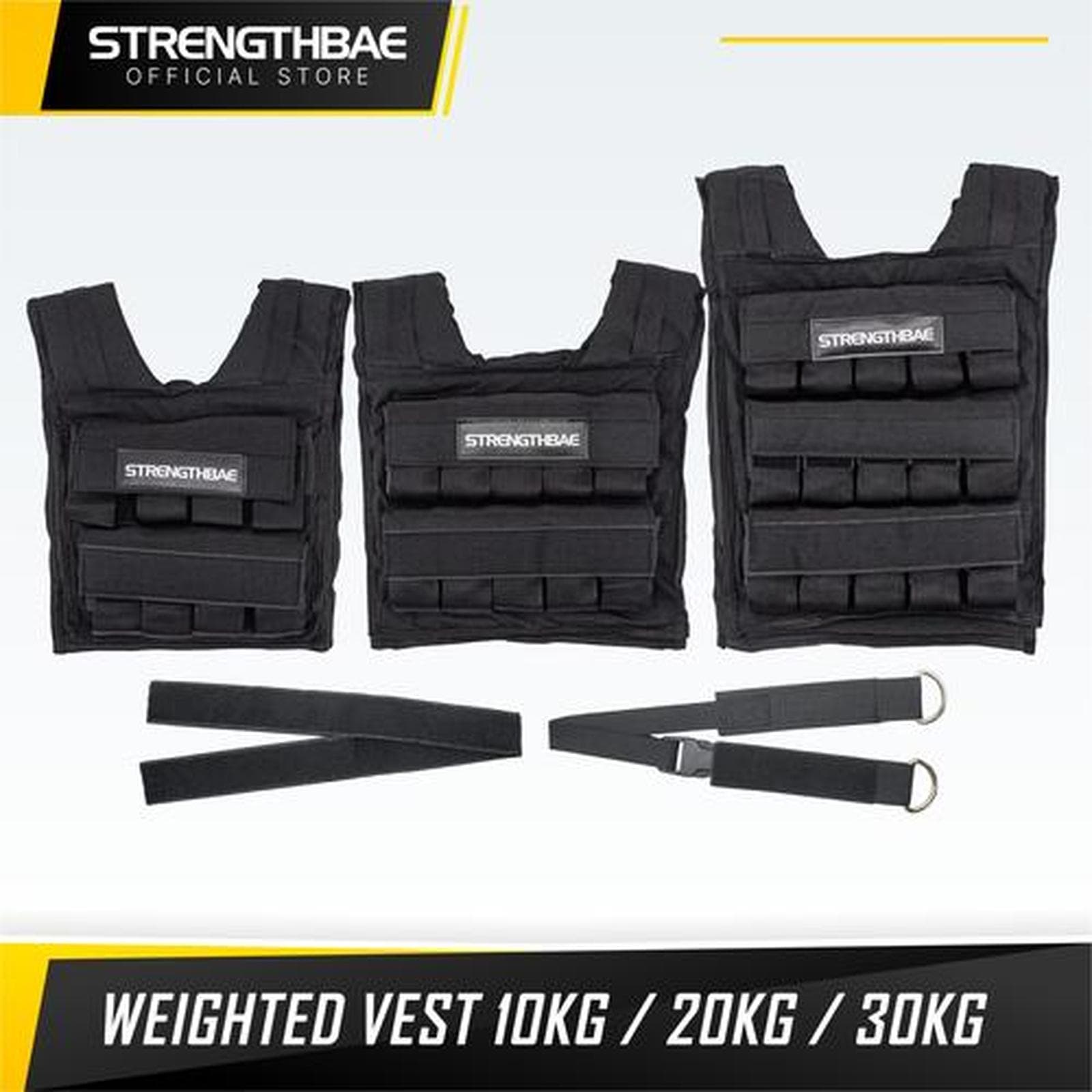
Weighted Vest
A weighted vest can be used to add light to moderate resistance to exercises such as push-ups and squats. However, its use may differ from official competition rules.
Barbell and Power Rack
If you want to train barbell squats, use a sturdy barbell and power rack. A power rack is equipped with J-hooks and safety arms to provide additional protection when squatting with heavy loads.
Other equipment such as wrist wraps, knee sleeves, and liquid chalk can also be used to improve comfort, stability, and grip during training.
Read More: Strengthbae Door Pull-Up Bar
A Brief Overview of Streetlifting as a Competitive Sport
Streetlifting competitions test athletes' strength through exercises performed under clearly defined rules and judging standards.
A Brief History
Streetlifting developed from the calisthenics and street workout communities in the early 2010s. As the sport became more popular, organizations such as the ISF (International Streetlifting Federation) emerged to establish competition rules and standards, allowing athletes' performances to be judged more objectively.
Competition Movements
Streetlifting competitions generally use two formats
Classic Style: Consists of weighted pull-up or chin-up and weighted dip.
European Style / All4: Consists of weighted muscle-up, weighted pull-up, weighted dip, and barbell back squat.
Scoring System
In the 1 Rep Max (1RM) category, athletes typically get three attempts for each movement and aim to achieve the heaviest valid additional weight. The successful weight from each movement is then added together.
In the Multi-Lift category, athletes aim to complete as many repetitions as possible using a predetermined weight.
Movement Standards
Each streetlifting movement has specific standards that must be met for a lift to count as valid. For example, in the pull-up, the chin must clear the bar without kipping. In the dip, the athlete must lower their body to the depth specified by the competition rules and return to the starting position under control. For the squat, the athlete must reach the depth required by the competition rules.
FAQ
Does streetlifting require additional weight?
Yes, additional weight is an important part of streetlifting. However, beginners should first master the movements using their bodyweight before adding a dipping belt and weight plates.
Can streetlifting build muscle?
Yes. Movements such as weighted pull-ups and weighted dips train the chest, triceps, shoulders, and back with additional resistance, which can help build muscle mass.
Do I need to compete to train streetlifting?
No. Streetlifting can also be incorporated into strength training to improve strength and fitness without competing.
Can streetlifting be done at home?
Yes. The basic equipment is relatively simple, such as a pull-up bar, dip bar, dipping belt, and weight plates. Make sure the equipment is sturdy and rated to safely support your bodyweight and additional load.
Improve Your Streetlifting Performance with Strengthbae
Streetlifting combines bodyweight training with additional resistance to build strength and muscle mass. With proper technique, gradual progression, and safe equipment, you can improve your streetlifting performance more effectively.
If you want to build a streetlifting area for your home gym or commercial gym, you can consult the Strengthbae team about your requirements. Our team can help you choose equipment ranging from power racks, dip stations, and dipping belts to calibrated plates and other training equipment.
Strengthbae is a professional gym equipment brand providing solutions for commercial gyms and home gyms. From racks and All in One Trainers to functional training accessories for HYBRID RACE-standard training, everything is available at Strengthbae.