Designing a Safe Home Gym in Flood-Prone Areas
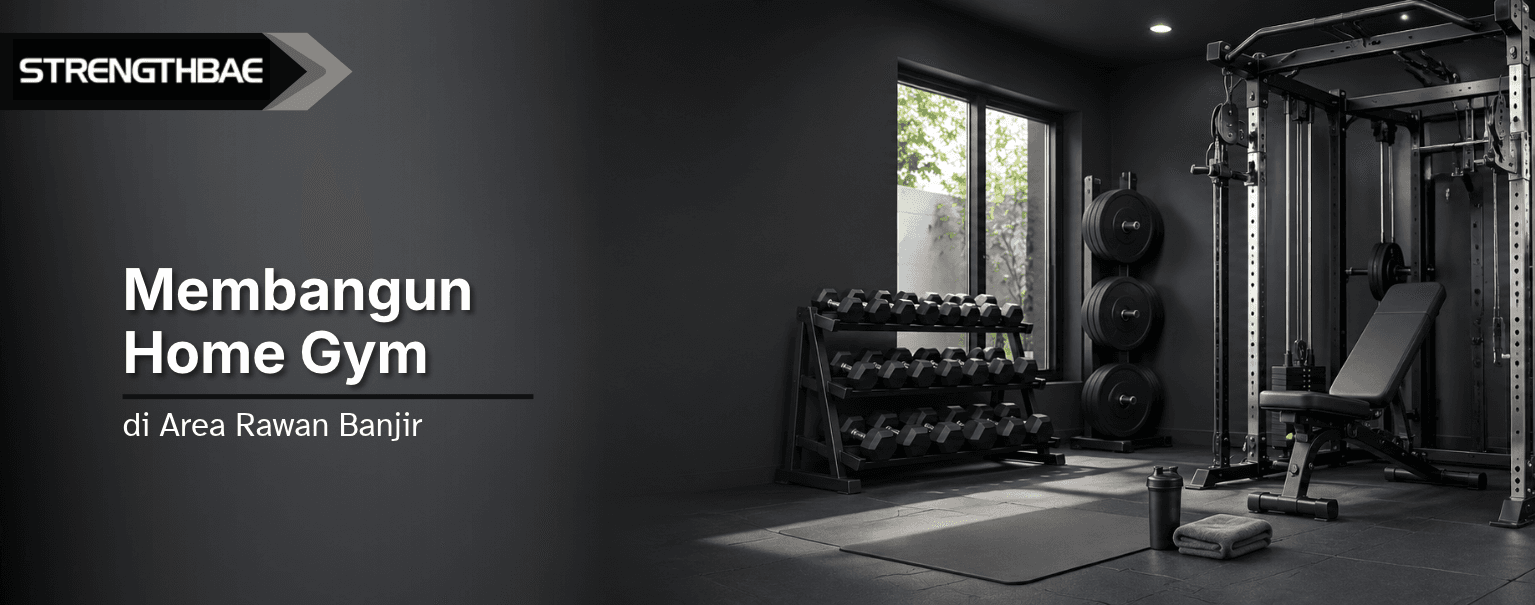
Building a home gym at home is an option for many people who want a more convenient way to exercise. However, if you live in a flood-prone area, there are several things to consider before preparing your workout space, especially room safety and protection for your gym equipment.
Floodwater and high humidity can cause rust on gym equipment frames, damage electronic components in cardio machines, and promote mold growth indoors. Therefore, choosing the right location, equipment, flooring materials, and electrical installation placement is important when planning a home gym.
This article will discuss how to design a safe home gym in a flood-prone area, from choosing suitable equipment and arranging the layout to protecting equipment from water and maintaining it so your gym equipment remains durable and safe to use.
Choosing the Home Gym Location
Choosing the right home gym location is important to reduce the risk of damage caused by flooding. Before placing gym equipment, consider the condition of the building and the flood history around your home.
Check the Flood History
Find out the highest water level that has ever entered your home over the past few years. Also consider how often flooding occurs and how long the water usually remains. Avoid rooms on the lowest ground level or areas where water tends to enter and collect.
Choose the Right Room
Choose a room with a higher floor level and away from areas that frequently become flooded. Make sure the doorway is wide enough to allow gym equipment to be moved easily during an emergency. If possible, place cardio machines and electronic equipment that are vulnerable to water on the second floor.
Check the Strength of the Upper Floor
If you want to build a home gym on the second floor, make sure the floor structure can support the equipment load. Heavy equipment such as power racks, barbells, and weight plates can place significant pressure on specific areas.
Consider the weight of all equipment, the user's weight, and additional pressure generated when lifting or dropping weights. It is recommended to consult a structural building professional before installing heavy gym equipment on an upper floor.
Read Also: Guide to Building a Home Gym on an Upper Floor
Choosing Gym Equipment for Flood-Prone Areas
Choosing suitable gym equipment can help reduce the risk of flood damage and make maintenance easier. Consider the type of equipment, materials, size, and how easy it is to move during an emergency.
Mechanical Gym Equipment
Mechanical equipment such as power racks, squat stands, barbells, dumbbells, and weight plates are suitable for flood-prone areas because they do not use electricity. This equipment is easier to inspect, clean, and dry after being exposed to water.
However, mechanical equipment can still develop rust, especially on exposed metal parts, bolts, and bearings if they remain submerged for too long.
Electronic Gym Equipment
Cardio equipment such as motorized treadmills, elliptical trainers, and stationary bikes with electronic displays are more vulnerable to water. Components such as motors, sensors, and electrical circuits can be damaged if exposed to floodwater.
If you want to use electronic cardio equipment, it is recommended to place it on an upper floor or in an elevated area protected from standing water.
Prioritize Equipment That Is Easy to Move
When choosing gym equipment, consider its size, weight, and how easily it can be moved during flooding.
Equipment such as dumbbells, kettlebells, and adjustable benches are generally easier to move. Meanwhile, large equipment such as power racks requires additional space and preparation because it is more difficult to evacuate.
Adjust your equipment selection according to the room size, condition of your home, and flood risk in your area.
Choose Moisture-Resistant Materials
Materials and protective coatings affect the resistance of gym equipment to moisture and rust. Consider the following:
Coated Steel: Steel with a protective coating that helps prevent direct contact between water and the metal surface.
Powder Coating: A coating that helps protect metal from minor impacts, moisture, and rust as long as it is not scratched or damaged.
Stainless Steel: A steel material that is more resistant to rust, depending on its type and quality.
Barbell & Weight Plate: Exposed metal parts still require cleaning and maintenance using suitable oil or lubricant.
Bearing, Bolts, & Pulleys: Small components such as bearings, bolts, and pulleys need to be inspected and maintained because they are vulnerable to rust or water damage.
Even when made with rust-resistant materials, gym equipment can still be damaged if it remains submerged in floodwater for an extended period.
Comparison of Gym Equipment for Flood-Prone Areas
The following comparison shows different types of gym equipment based on their risk of damage and how they can be protected:
Equipment Category | Examples | Flood Risk | How to Protect |
|---|---|---|---|
Mechanical Equipment | Power rack, barbell, weight plate, dumbbell | Moderate: rust and corrosion | Choose powder-coated or stainless steel equipment, clean it, and apply suitable lubricant as needed |
Electronic Cardio Equipment | Motorized treadmill, elliptical, smart bike | High: damage to motors, sensors, and electrical components | Place on an upper floor or in an elevated area protected from standing water |
Accessories and Benches | Adjustable bench, resistance band, lifting belt | Low–moderate: damage to foam, fabric, and water-absorbing materials | Store on elevated racks or in containers that are easy to move |
Choosing Flooring for a Flood-Prone Home Gym
Gym flooring helps reduce the impact of heavy equipment and protect the floor from scratches. However, for a home gym in a flood-prone area, choose flooring that is easy to clean, remove, and dry after being exposed to water.
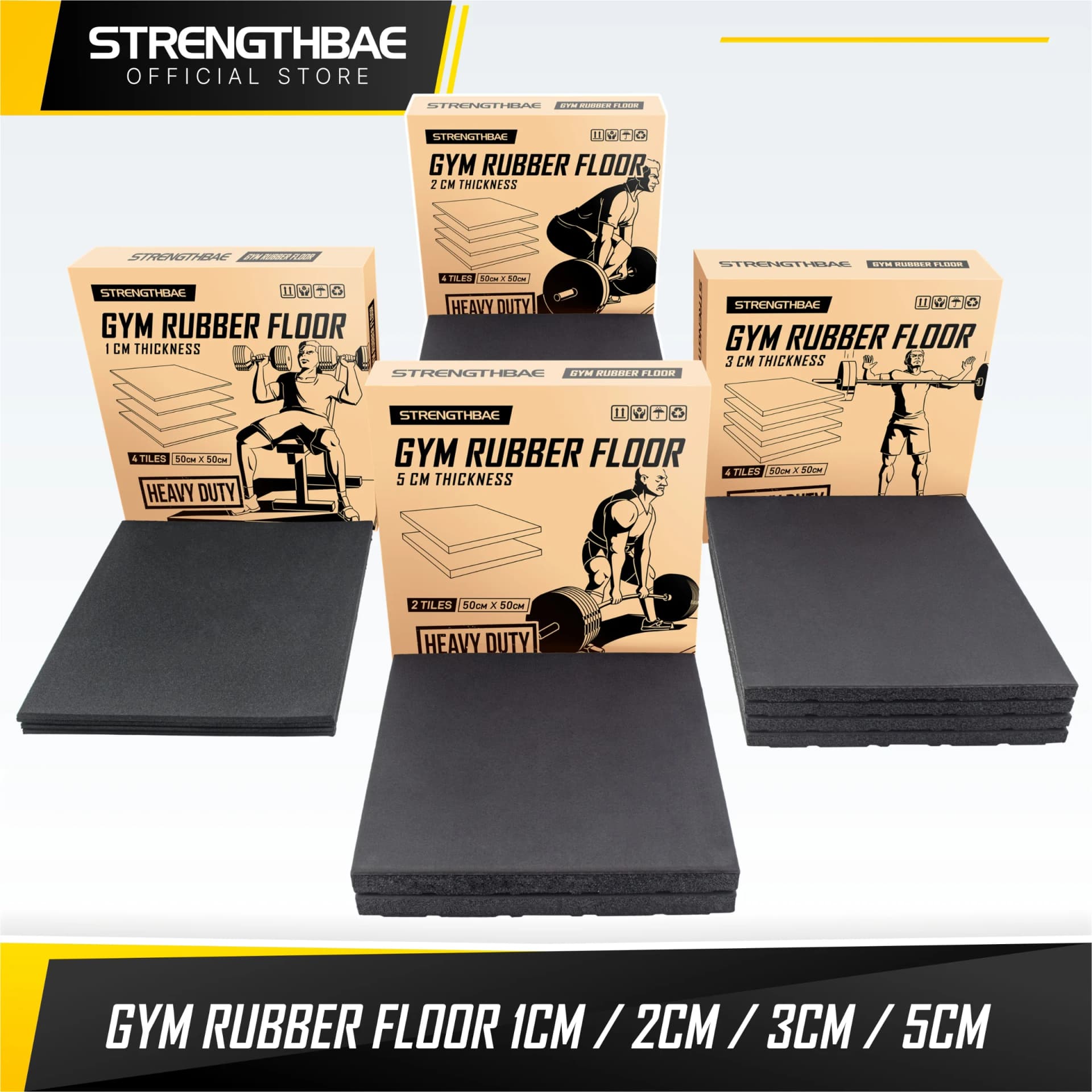
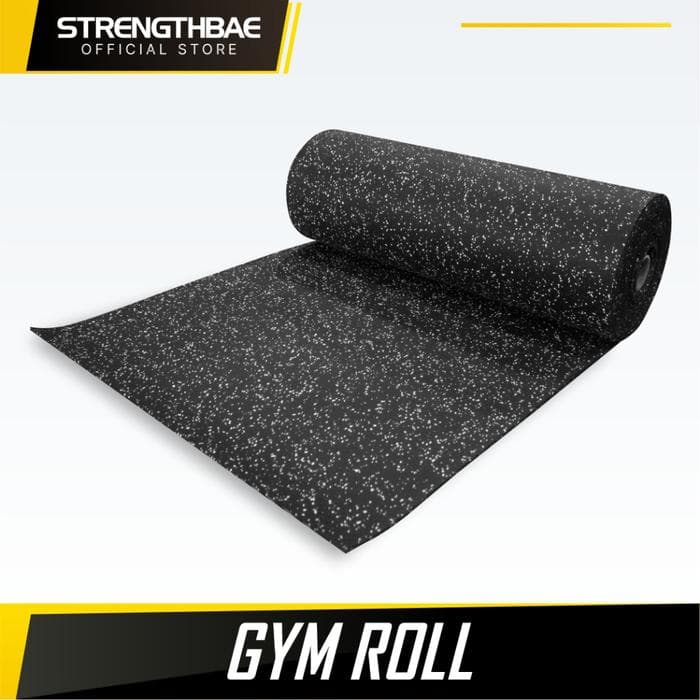
Rubber Mat
Solid rubber mats are suitable for home gym flooring because they help reduce impact and protect the floor during weight training.
For flood-prone areas, choose rubber mats that are easy to remove and clean. Puzzle or modular types with an interlocking system are more practical because each section can be disassembled when necessary.
Risk of Water Getting Trapped Under the Flooring
Floodwater can enter through the gaps between rubber mats and collect underneath them. If not cleaned immediately, the underlying floor can be difficult to dry, causing a musty odor and increasing the risk of mold and microorganism growth.
Therefore, rubber mats should be lifted after a flood so the floor underneath can be properly cleaned and dried.
Flooring Installation Method
Use an installation method without permanent adhesive (floating installation) so the rubber mats can be easily removed and moved during a flood.
Make sure the underlying floor has a proper drainage path and does not retain standing water. Keep in mind that rubber mats are designed to protect the floor from impact, not to act as a barrier against floodwater.
Read Also: "Types of Gym Flooring and Platforms at Strengthbae"
Gym Equipment Arrangement and Storage
Properly arranging home gym equipment can help reduce the risk of damage during flooding. Pay attention to equipment placement, storage areas, and electrical installation safety so equipment can be more easily protected or moved.
Use Storage Racks
Store dumbbells, kettlebells, and weight plates on strong and stable racks. Make sure the parts of the rack used for storage are positioned above the estimated highest flood level. Arrange the weights so the rack is less likely to tip over, with heavier equipment placed on the lower levels if they remain safely above standing water.
Arrange Gym Equipment Placement
Place large equipment such as power racks and lat pulldowns so they do not block doors or evacuation routes. Avoid placing equipment that can be easily damaged directly on the floor.
Leave sufficient space between the equipment and walls so the back of the equipment can be easily cleaned and dried after a flood.
Store Accessories Separately
Use waterproof plastic boxes or easy-to-lift containers to store resistance bands, lifting belts, cable attachments, and gym chalk.
Group accessories according to their type and size. Store equipment that can be easily damaged by water on upper shelves so it is better protected and easier to move.
Home Gym Electrical Installation Safety
Electrical installations require special attention because floodwater can cause short circuits and electric shocks.
Outlet Position: Place electrical outlets at least 30–50 cm above the estimated highest flood level, with the final position determined based on an assessment by an electrician.
Cable Arrangement: Avoid placing extension cords and electrical connections on floors that are at risk of flooding.
Electrical Panel: Place control panels and circuit breakers in an area protected from water splashes and seepage.
Electronic Equipment: Position treadmills and electric cardio machines so their cables and electronic components are protected from standing water.
Electrical Protection: Consult a professional electrician about installing residual-current protection devices such as an ELCB or RCD.
If electronic gym equipment has been submerged in floodwater, do not plug it in or turn it on immediately. The equipment should be inspected and declared safe by a qualified technician before being used again.
Preparing Your Home Gym When a Flood Is Expected
When extreme weather or a flood warning occurs, immediately take the following steps to protect your home gym equipment:
Monitor Flood Warnings: Check weather and water-level information through official local government sources.
Move Small Accessories: Store gym accessories, removable bench pads, and leather equipment in higher areas.
Secure Electronic Equipment: If conditions are still safe, unplug cardio machines, store the cables in a high location, and use protective plastic covers where possible.
Secure Mechanical Equipment: Remove weight plates from barbells and move them to storage racks that are safe from standing water.
Keep Evacuation Routes Clear: Do not stack equipment or other items in front of doors and exits.
Prioritize Family Safety: Do not take risks to save gym equipment. Evacuate immediately if necessary.
Inspecting Gym Equipment After a Flood
After the flood has receded, inspect the condition of the room and equipment before using the home gym again. Make sure the entire area is safe, clean, and dry.
Check the Condition of the Room
Make sure the building is safe to enter and that the electrical installation does not pose a hazard. Clean mud, debris, and dirt using clean water and an appropriate disinfectant.
Remove all rubber mats to clean and dry the floor underneath before reinstalling them.
Check Mechanical Equipment
Gym equipment exposed to flooding needs to be inspected to make sure there is no rust or damage to important components.
Frame and Weight Plates: Check for rust, damaged paint or coating, and loose bolts.
Barbell: Clean the bar and sleeves from mud, check the bearing rotation, and apply suitable lubricant as needed.
Cable Machine: Check the condition of the cables, pulleys, bearings, and carabiners to ensure they remain safe to use.
Bench: Make sure the bolts are not loose and that the padding is not retaining water or damaged.
Repair or replace damaged components before using the equipment for training again.
Check Electronic Equipment
Do not immediately turn on a treadmill or electronic cardio machine that has been submerged in floodwater. Even if the exterior is already dry, water may still remain inside the motor or electrical components.
Contact a professional technician to inspect, clean, and test the electrical system. Only use the equipment again after it has been declared safe by a technician.
FAQ
Are mechanical gym equipment such as power racks and barbells resistant to flooding?
Not completely. Although they do not use electricity, iron gym equipment can still rust if submerged in floodwater for too long. Water can also damage the paint or coating and affect the bearing rotation of barbells. Therefore, the equipment needs to be cleaned, dried, and treated with suitable lubricant after exposure to flooding.
How do you dry a rubber mat after it has been exposed to flooding?
Remove all rubber mats from the floor, then clean mud and dirt using water and a suitable cleaning solution or disinfectant. Dry both sides of the rubber mats in an area with good air circulation. Make sure the underlying floor is also clean and completely dry before reinstalling the rubber mats.
Is a treadmill that has been submerged in floodwater safe to use once it is dry?
Not necessarily. Even if the exterior is dry, water and mud may still remain inside the motor or electrical components. Do not immediately turn on a treadmill or other cardio machine before it has been inspected and declared safe by a professional technician.
What outlet height is safe for a home gym in a flood-prone area?
Electrical outlets should be placed above the estimated highest flood level, with an additional distance of around 30–50 cm as an initial consideration. The safe height should be determined together with an electrician based on the building's conditions. Use residual-current protection such as an ELCB or RCD to help reduce the risk of electric shock.
What gym equipment and flooring are suitable for flood-prone areas?
Choose mechanical gym equipment with powder coating or stainless steel materials that offer greater resistance to rust. For flooring, use modular or puzzle rubber mats that can be easily removed without permanent adhesive. These options make cleaning, drying, and moving equipment easier during a flood.
Build a Durable and Safe Home Gym with Strengthbae
Building a home gym in a flood-prone area is possible, but it requires proper planning, from choosing rust-resistant gym equipment and using modular rubber mats to arranging the space so equipment can be more easily protected and moved during flooding. With proper preparation, the risk of equipment damage can be reduced, allowing you to maintain a comfortable and safe training environment.
Strengthbae provides a range of quality gym equipment with sturdy construction and an official warranty for home gyms and commercial gyms. If you need help choosing equipment, determining suitable materials, or planning your gym layout, contact the Strengthbae team for consultation and recommendations based on your needs.
Strengthbae is a professional gym equipment brand providing solutions for commercial gym businesses and home gyms. From racks and All in One Trainers to functional training accessories for hybrid race training, everything is available at Strengthbae.