HYROX Fourth Station: 80-Meter Burpee Broad Jump Guide

Burpee Broad Jump is the fourth HYROX station. At this point, participants have already completed several kilometers of running as well as the previous three HYROX stations: SkiErg, Sled Push, and Sled Pull. Because of this, a movement that looks simple can feel much more difficult when performed while the body is already starting to fatigue.
Burpee Broad Jump consists of a movement that combines a burpee with repeated horizontal jumps until a distance of 80 meters is reached. The challenge is not simply being able to perform a burpee or jump far, but maintaining rhythm, technique, and energy use until the entire distance is completed. Below are the official rules, technique, and how to train the Burpee Broad Jump efficiently.
HYROX Burpee Broad Jump Specifications and Rules
At this fourth HYROX station, the Burpee Broad Jump is performed over a total distance of 80 meters, divided into two 40-meter sections (2 x 40 meters). Before entering this station, participants have completed the fourth kilometer of running as well as the previous three stations: 1,000-meter SkiErg, 50-meter Sled Push, and 50-meter Sled Pull. This movement is performed entirely using bodyweight without additional load or equipment.
Parameters & Categories | Official HYROX Movement Standards |
|---|---|
Total Station Distance | 80 meters (divided into 2 sections x 40 meters). |
External Load | No load (bodyweight only). |
Burpee Movement Standard | The chest and hips must clearly touch the floor on every repetition. |
Broad Jump Standard | Take-off and landing must be performed with both feet parallel. Jumping or landing on one foot is not allowed. |
Hand & Foot Position | The hands must be placed no more than 30 cm in front of the toes. The feet must not move past the position of the hands when standing up from the burpee. |
Lane Line Rules | Both feet must completely jump past the finish line. Landing on the line is considered invalid (no-rep). |
Rule Violation Penalties | The first violation receives an official warning. The second and subsequent violations receive a 15-second time penalty for each violation. |
How to Perform the Burpee Broad Jump in HYROX
The HYROX Burpee Broad Jump movement follows the eight structured steps below:
Start from an upright standing position behind the starting line.
Lower your body and place both hands on the floor, no more than 30 cm in front of your toes.
Move both feet backward into the burpee position.
Make sure your chest and hips fully touch the floor.
Bring your feet forward into a position ready to stand, with the soles of your feet not moving past the position of your hands.
Perform a broad jump by jumping horizontally forward using both feet at the same time.
Land with both feet parallel and your knees flexed to absorb the impact.
Lower your body back to the floor to perform the next burpee.
This movement pattern is repeated continuously in the sequence of burpee, broad jump, burpee, broad jump, until the full 80-meter distance is completed.
Main Muscles Working During the Burpee Broad Jump
The Burpee Broad Jump actively engages almost all of the body’s major muscle groups:
Front Thigh Muscles (Quadriceps)
Helps the body rise from the bottom position of the burpee, generates power when jumping, and helps absorb impact when landing.
Glute Muscles (Glutes)
Helps drive the hips forward and generate power for the horizontal jump.
Back Thigh Muscles (Hamstrings)
Helps with hip movement and keeps the knees stable when landing.
Calf Muscles (Calves)
Helps provide the final push from the ankles when jumping and maintains foot position during landing.
Chest Muscles and Triceps
Work when lowering the body to the floor and pushing the body back up during the burpee.
Shoulder Muscles
Helps support the body when the hands are on the floor and keeps the upper body stable during movement transitions.
Core Muscles
Keeps the body stable while lowering, rising, jumping, and landing, while also helping connect force between the lower and upper body.
Why Can the Burpee Broad Jump Feel So Difficult?
Burpee Broad Jump feels extremely physically demanding because it combines two movements that both require a lot of energy: the burpee and the horizontal jump. The body continuously moves from standing, down to the floor, back up again, and then immediately jumps forward.
This movement causes the heart rate to rise quickly because almost the entire body works continuously. The challenge becomes greater because this station is performed after participants have completed several previous HYROX sections, including running, SkiErg, Sled Push, and Sled Pull.
In addition, the movement provides almost no time to rest. If the jumps are performed too aggressively from the beginning, the leg muscles can also fatigue more quickly and cause the training rhythm to decline.
Efficient Burpee Broad Jump Technique
Applying the right technique helps you conserve energy and maintain smooth movement throughout the 80 meters:
Find a Rhythm You Can Maintain
Avoid starting the station like a sprint. Use a stable and consistent rhythm from the first meter to the 80th meter.
Do Not Always Jump Too Far
A very long broad jump requires a large amount of explosive power. Slightly shorter but consistent jumps are much more energy-efficient.
Use Your Hips and Legs When Jumping
Do not rely only on the quadriceps. Use hip extension, the glutes, and controlled arm swings to increase jump distance.
Land with Stability
Land with both feet parallel and the knees flexed. Avoid landing too hard, as it can interfere with the next transition.
Make the Transition as Smooth as Possible
After landing, immediately prepare to place your hands on the floor for the next burpee without standing for too long. Efficient transitions can save a lot of energy.
Control Your Breathing
Avoid holding your breath during the movement. Use a regular breathing pattern that follows the rhythm of lowering to the floor, rising, and jumping.
How Beginners Should Train the Burpee Broad Jump
For beginners, Burpee Broad Jump training should be done gradually rather than immediately aiming for the full 80-meter distance. Start by learning the burpee and broad jump techniques separately, then practice several repetitions with controlled landings.
Once the basic movements start to feel comfortable, combine them into 3–5 Burpee Broad Jump repetitions per set. Progress can be added gradually by increasing the number of repetitions, distance, reducing rest time, or maintaining a stable pace.
Once the body becomes more accustomed to the movement, training can be made more similar to race conditions by using a pattern of short running, Burpee Broad Jump, and then running again. The main focus for beginners should remain on movement quality and consistent rhythm, not simply completing the distance as quickly as possible.
Gym Exercises That Help with the Burpee Broad Jump
Below are supporting gym exercises along with brief guidance to strengthen the main muscles:
Squat
Use a barbell, dumbbell, Smith machine, or squat rack to perform controlled squats to strengthen the quadriceps, glutes, and lower body.
Romanian Deadlift
Use a barbell or dumbbell to train the hip hinge and strengthen the glutes, hamstrings, and posterior chain.
Box Jump
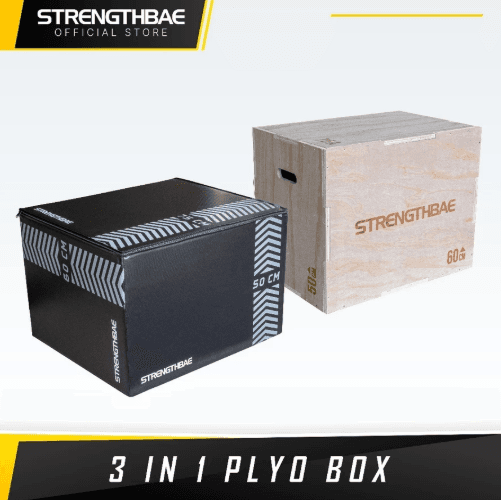
Jump onto a plyo box using both feet to train explosive power and coordination during take-off and landing.
Broad Jump
Perform horizontal jumps on the floor without equipment to train the specific jumping pattern, parallel landing, and balance control.
Walking Lunge
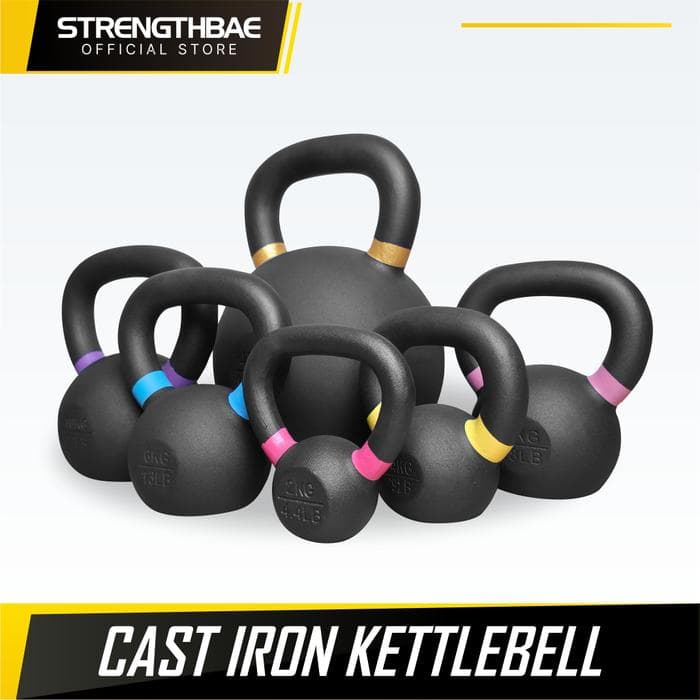
Use a dumbbell, kettlebell, or barbell while stepping forward to build unilateral strength and leg endurance.
Push-Up
Use your own bodyweight or assistance from a resistance band to push your body away from the floor and strengthen the chest, triceps, and shoulders.
Medicine Ball Throw or Slam
Slam or throw a medicine ball explosively to train full-body power as well as core and hip coordination.
Air Bike or Treadmill Interval
Perform high-intensity intervals on an Air Bike or treadmill to train breathing conditioning as the heart rate increases.
Core Training
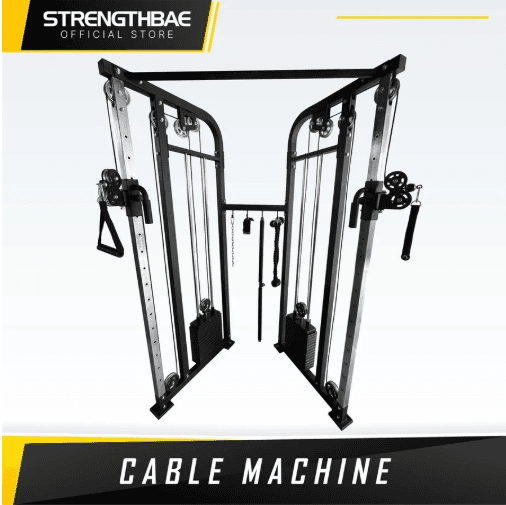
Perform planks, dead bugs, or Pallof presses using a mat, cable machine, or resistance band to maintain body stability.
Common Beginner Mistakes During the Burpee Broad Jump
Avoid the following common beginner mistakes to prevent penalties or early fatigue at the fourth HYROX station:
Jumping too far from the beginning, quickly using up explosive power.
Moving too quickly during the first repetitions, causing the heart rate to spike and become difficult to maintain.
Unstable landing, which disrupts balance and slows the transition into the next burpee.
Feet not remaining parallel during take-off or landing, which violates official HYROX movement standards.
Placing the hands too far in front of the feet (more than 30 cm in front of the toes) when preparing to perform the burpee.
The chest and hips not fully touching the floor, causing the repetition to be considered invalid (no-rep).
Standing too long after landing, which interrupts the movement rhythm without providing significant recovery.
Only training the broad jump without developing chest, shoulder, and breathing endurance for the burpee portion.
FAQ
Can the Average Beginner HYROX Participant Complete the Burpee Broad Jump Station?
Yes, absolutely. Although it is demanding on stamina, the Burpee Broad Jump can be mastered by beginners by maintaining a steady rhythm and choosing a step-up technique when standing up from the burpee.
How Can You Train the Burpee Broad Jump If Your Training Space at Home Is Limited?
You can train the burpee and broad jump separately, then combine them into short repetitions. For the broad jump, use the available distance and repeat the movement back and forth while maintaining proper technique and stable landings.
Do You Need to Buy a Lot of Equipment to Start HYROX Training in a Home Gym?
No. You can start with several versatile pieces of equipment, such as adjustable dumbbells, kettlebells, a plyo box, a mat, or a treadmill if available. Choose equipment that can be used for many types of exercises so your home gym remains efficient.
What Gym Equipment Is Most Effective to Have for Training the Burpee Broad Jump at Home?
The most essential home gym equipment includes a plyo box for explosive training, a pair of adjustable dumbbells or kettlebells for lunges, and an exercise mat for burpee and core movements.
Can the StrengthBae Team Help Choose Home Gym Equipment to Support HYROX Training?
Yes. The StrengthBae team can help adjust equipment choices based on your room size, budget, and the types of training you want to prioritize to support HYROX preparation at home.
Train Your HYROX Performance with StrengthBae
Ready to conquer the HYROX Burpee Broad Jump station and improve your HYROX training performance? Having high-quality gym equipment with an official warranty will help you train consistently and systematically at home or in the gym. For this reason, consult StrengthBae for equipment recommendations and home gym layout planning.
StrengthBae is a professional gym equipment brand that provides solutions for commercial, personal, and home gym needs. From racks and All-in-One Trainers to functional training accessories such as HYROX-standard sandbags, everything is available at StrengthBae.