Weightlifting vs Streetlifting: Key Differences
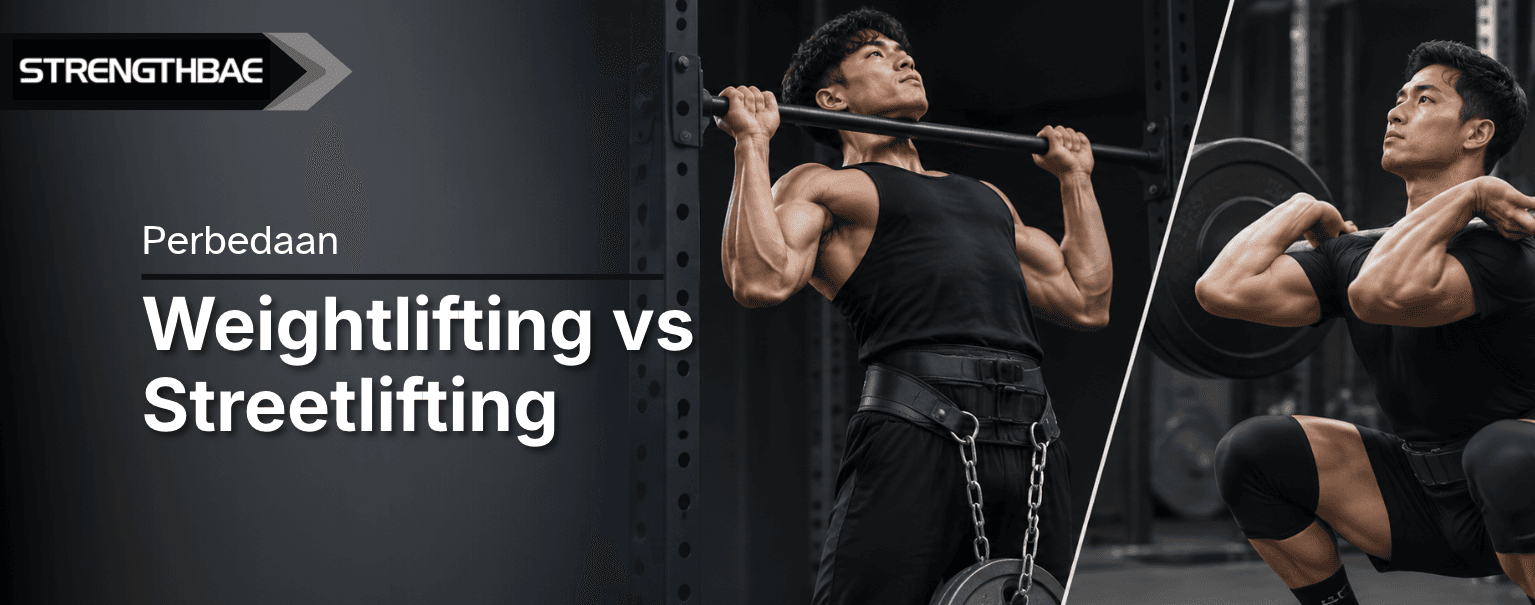
Weightlifting and Streetlifting are both strength-focused sports, but they involve different movements and training methods. Weightlifting emphasizes lifting a barbell from the floor to overhead through the Snatch and Clean & Jerk, which require strength, speed, and full-body coordination.
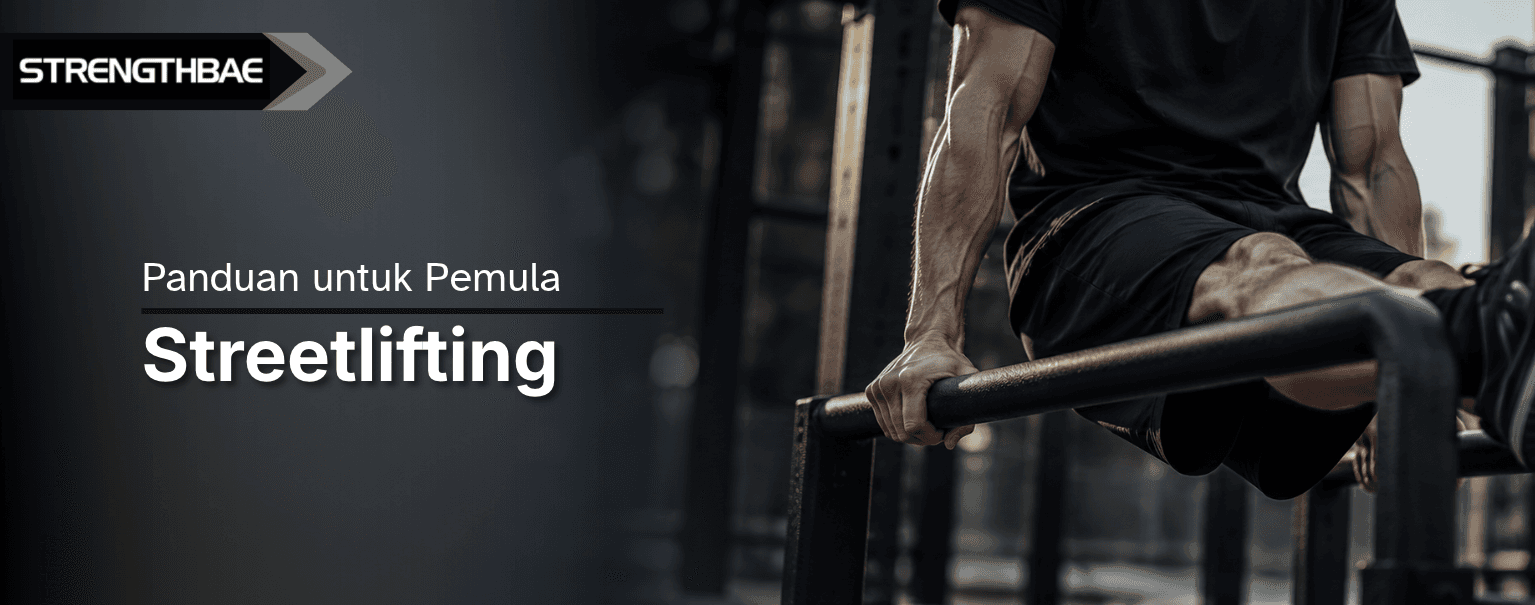
Streetlifting, on the other hand, combines bodyweight training (calisthenics) with additional weight, such as weighted pull-ups and weighted dips, to develop upper-body strength.
Both require good technique and body control, but they focus on different training goals and physical abilities.
What Is Weightlifting?
Weightlifting, or Olympic Weightlifting, is an Olympic sport that tests an athlete's ability to lift a barbell from the floor to overhead. The sport requires a combination of muscular strength, speed, flexibility, and body coordination to perform the lifts with proper technique.
In Weightlifting competitions, there are two main lifts:
Snatch: Lifting the barbell from the floor directly overhead in one continuous movement without stopping.
Clean & Jerk: Lifting the barbell in two stages: the Clean brings the barbell from the floor to the shoulders, followed by the Jerk, which lifts it from the shoulders overhead using a leg drive.
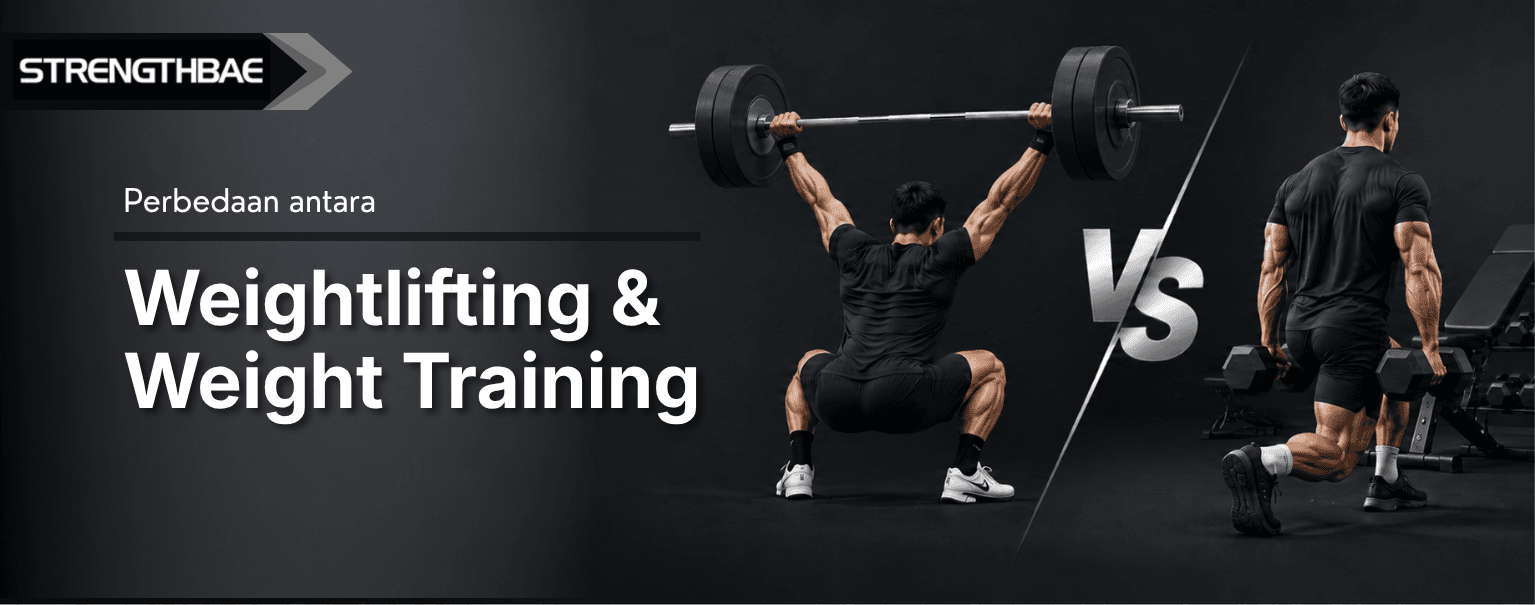
The term weightlifting is sometimes used to refer to all types of weight training in the gym, but the more accurate term for general resistance training is weight training. In competitive sports, Weightlifting specifically refers to Olympic Weightlifting, which consists of these two main lifts.
Benefits of Weightlifting
Explosive Power: Develops the ability of the muscles to produce a large amount of force in a short period through the Snatch and Clean & Jerk.
Lower-Body Strength: Strengthens the quadriceps, hamstrings, and glutes through loaded lifting movements.
Body Coordination: Trains the coordination between the legs, back, shoulders, and arms while lifting the barbell.
Overhead Stability: Improves the ability of the shoulders, upper back, and core muscles to stabilize the weight overhead.
Athletic Performance: Helps improve strength, movement speed, and explosive power that can benefit sports such as sprinting and jumping.
What Is Streetlifting?
Streetlifting is a strength sport that developed from calisthenics and is often referred to as weighted calisthenics. Unlike traditional calisthenics, which primarily uses bodyweight, Streetlifting adds external weight to increase the strength demands and test an athlete's ability to lift heavier loads.
In Streetlifting, athletes must lift their own bodyweight along with additional external weight. Two common competition movements are:
Weighted Pull-Up: Pulling the body up over a pull-up bar with additional weight attached using a dip belt.
Weighted Dip: Pushing the body upward using parallel bars with additional weight attached to a dip belt.
Streetlifting is a developing strength sport that is becoming increasingly recognized through various competitions, including those associated with the International Streetlifting Federation (ISF) and FinalRep. The sport is suitable for calisthenics enthusiasts who want to develop upper-body strength by progressively adding external weight.
Benefits of Streetlifting
Pulling and Pushing Strength: Improves pulling and pushing strength through weighted pull-ups and weighted dips.
Relative Strength: Develops the ability to lift your own bodyweight together with additional external weight.
Upper-Body Muscle Mass: Helps build the back, chest, shoulders, and arms through weighted exercises.
Body Control and Stability: Trains the core muscles and shoulder stability while hanging or supporting the body.
Progressive Overload: Makes it easier to gradually increase the load by adding weight plates to a dip belt.
Read Also: What Is Streetlifting and What Are Its Benefits?
Weightlifting vs Streetlifting Specifications Comparison
The following table highlights the differences between Weightlifting and Streetlifting based on movements, equipment, loading systems, muscles trained, and types of strength developed.
Criteria | Weightlifting (Olympic Lifting) | Streetlifting (Weighted Calisthenics) |
Main Movement | Lifting a barbell from the floor to overhead | Lifting or pushing your bodyweight with additional external weight |
Competition Movements | Snatch and Clean & Jerk | Weighted Pull-Up and Weighted Dip, along with other movements depending on the competition |
Main Equipment | Olympic barbell, bumper plates, platform, and weightlifting shoes | Pull-up bar, dip bar, dip belt, and weight plates |
Loading System | Uses weight loaded onto a barbell | Uses bodyweight combined with additional external weight |
Muscles Trained | Full body, especially the legs, hips, back, and shoulders | Primarily the back, chest, shoulders, arms, and core |
Strength Focus | Explosive strength, speed, coordination, and mobility | Maximal strength, relative strength, and body control |
Organizations and Competitions | International Weightlifting Federation (IWF) | International Streetlifting Federation (ISF) and competitions such as FinalRep |
The main difference lies in how the load is lifted. Weightlifting focuses on the ability to lift a barbell quickly and explosively from the floor to overhead. Streetlifting, meanwhile, focuses on the ability to lift your own bodyweight with additional external weight, primarily through pull-ups and dips.
Differences in Weightlifting vs Streetlifting Movements and Training
The main difference is that Weightlifting emphasizes the ability to lift a barbell quickly and explosively, while Streetlifting emphasizes the ability to lift and control your bodyweight with additional external weight. Both require proper technique, but they place different demands on strength and coordination.
Some Streetlifting competitions also use a four-lift format (All4) that includes the following two additional movements:
Weighted Muscle-Up: Pulling the body above the pull-up bar and then pushing the body upward with additional weight.
Barbell Squat: Performing a squat with a barbell across the upper back to test lower-body strength.
However, these additional movements are not required in every Streetlifting competition. The movements and rules depend on the competition format.
Differences in Weightlifting vs Streetlifting Equipment and Loading Systems
Weightlifting and Streetlifting have different loading systems and equipment requirements. Weightlifting uses the barbell as the primary load, while Streetlifting combines bodyweight with additional external weight.
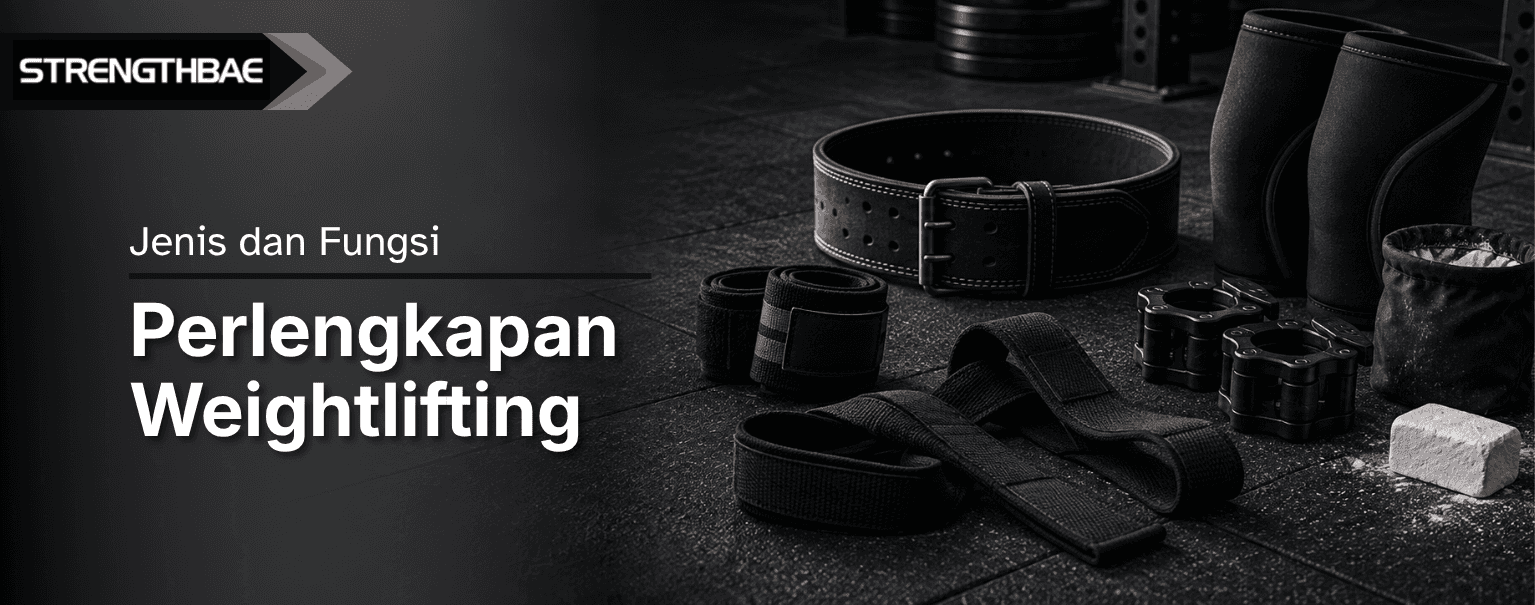
Weightlifting uses a barbell and weight plates for the Snatch and Clean & Jerk. The main equipment includes:
Olympic Weightlifting Barbell: A specialized barbell with rotating sleeves designed to support Olympic lifting movements. In competition, it typically weighs 20 kg for men and 15 kg for women.
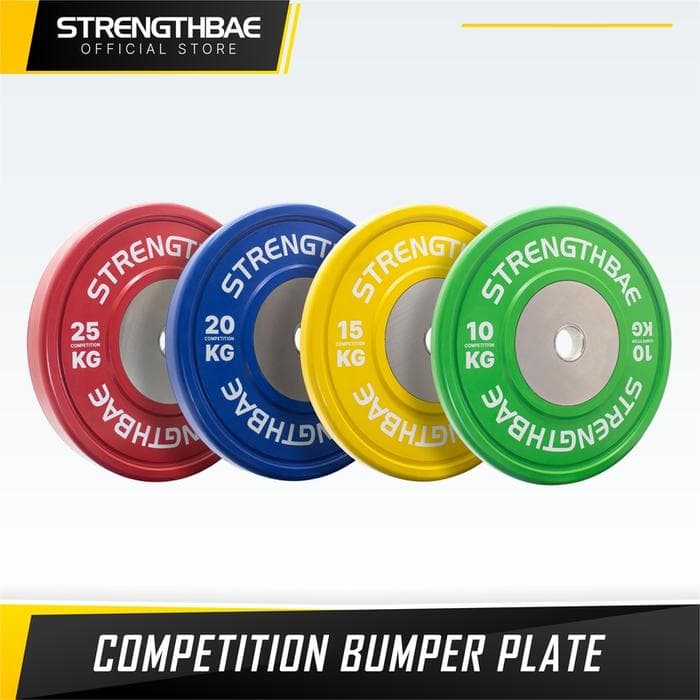
Bumper Plate: Rubber weight plates designed to withstand impact when the barbell is dropped onto a suitable surface.
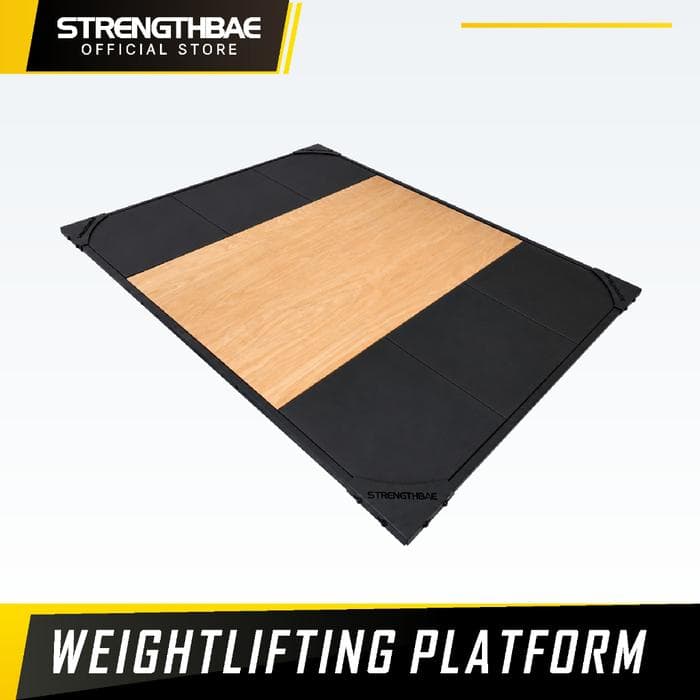
Weightlifting Platform: A training area with a wooden and thick rubber surface designed to help protect the floor and absorb impact when the barbell is dropped.
Weightlifting Shoes: Shoes with a firm sole and elevated heel to help improve stability and body positioning during lifts.
Streetlifting uses bodyweight with additional external weight to increase the difficulty of the exercises. The main equipment includes:
Pull-Up Bar: A sturdy bar for performing weighted pull-ups and muscle-ups.
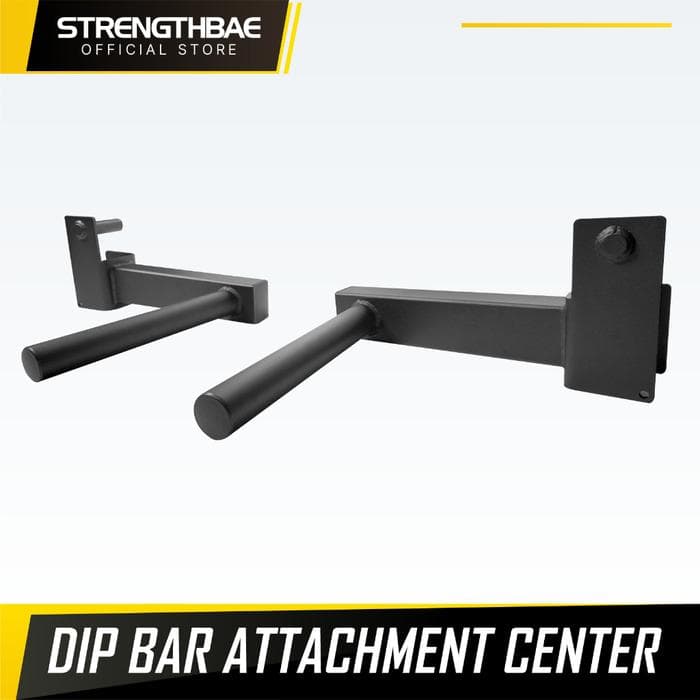
Dip Bar / Parallel Bars: Two parallel bars for performing weighted dips.
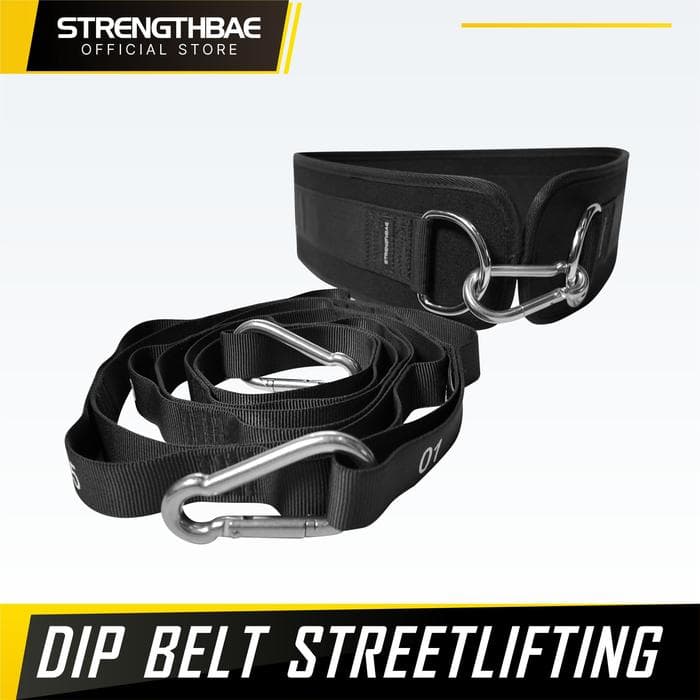
Dipping Belt: A specialized belt with a chain or strap for attaching additional weight during training.
Weight Plate: Weight plates attached to the dipping belt to increase the training load.
Weighted Vest, Barbell, and Rack: Additional equipment for exercise variations or certain competition categories.
Because the loading systems are different, the weight used in the two sports cannot be directly compared.
Differences in Muscles Trained: Weightlifting vs Streetlifting
Weightlifting and Streetlifting both develop muscular strength, but they have different areas of focus. Weightlifting engages the entire body, with greater emphasis on lower-body strength and explosive movements, while Streetlifting focuses more on upper-body strength and movement control.
Weightlifting
Lower-Body Muscles: Trains the quadriceps, hamstrings, glutes, and hip muscles to generate powerful drive when lifting the barbell.
Upper-Body and Core Muscles: Engages the upper back, shoulders, triceps, and core muscles to help lift and stabilize the load.
Strength Focus: Develops explosive strength, rate of force production, body coordination, and mobility in the ankles, hips, shoulders, and wrists.
Streetlifting
Pulling Muscles: Trains the back muscles (lats and upper back), biceps, and forearms through weighted pull-ups.
Pushing Muscles: Trains the chest, triceps, and front deltoids through weighted dips.
Core Muscles: Help maintain body stability and reduce swinging while lifting additional weight.
Strength Focus: Develops maximal upper-body strength, the ability to lift your own bodyweight with additional weight, grip strength, and shoulder stability.
Read Also: Weightlifting vs Weight Training: What's the Difference?
Differences in Competition Rules and Scoring: Weightlifting vs Streetlifting
Weightlifting and Streetlifting competitions have different rules, from the types of movements and number of attempts to how winners are determined. Each lift must meet the required standards to be considered valid.
Weightlifting Competitions
Weightlifting competitions follow the rules of the International Weightlifting Federation (IWF) and consist of two lifts: the Snatch and Clean & Jerk. Athletes are given three attempts for each lift.
Scoring is based on the combined total of the heaviest successful and valid Snatch and Clean & Jerk lifts.
To receive a total score, an athlete must successfully complete at least one valid lift in each movement.
Streetlifting Competitions
Streetlifting competitions use several competition formats, with rules that may vary depending on the organizer, such as the International Streetlifting Federation (ISF) and FinalRep.
In Classic Streetlifting (1RM), athletes attempt to lift the heaviest possible additional weight through one valid repetition of the weighted pull-up and weighted dip. In some formats, athletes are given three attempts for each movement.
Multirep Streetlifting, meanwhile, tests an athlete's ability to perform as many valid repetitions as possible using a predetermined additional load.
Some competitions use a two-minute time limit, for example with an additional load of 32 kg for pull-ups and 48 kg for dips, although the requirements may vary.
There is also a Weighted Calisthenics or All4 format featuring four movements: Weighted Muscle-Up, Weighted Pull-Up, Weighted Dip, and Barbell Squat. This format is not used in every Streetlifting competition.
Getting Started with Weightlifting
For beginners who want to try Weightlifting and already have experience with resistance training, the following preparation steps can help:
Learn the Basic Movements: Learn the squat, hip hinge (such as the deadlift), and how to keep the weight stable overhead.
Start with Technique: Use a light barbell or PVC pipe to learn the Snatch and Clean & Jerk movements before adding weight.
Work on Mobility: Warm up to improve the flexibility and range of motion of the ankles, hips, shoulders, and wrists.
Train with a Coach: Seek guidance from an experienced coach to help improve your technique and reduce the risk of injury while lifting.
Getting Started with Streetlifting
For beginners who want to try Streetlifting and already train calisthenics regularly, here are some preparation steps you can follow:
Master Bodyweight Movements: Be able to perform 8–10 pull-ups and 10–12 dips with proper technique before adding weight. These numbers can serve as a guideline, not a mandatory requirement.
Start with Light Loads: Add around 2.5–5 kg of weight using a dipping belt. Make sure the weight hangs securely and remains stable between your legs.
Maintain Proper Technique and Range of Motion: Perform pull-ups until your chin clears the bar and dips to a comfortable, controlled depth without swinging your body.
Increase the Load Gradually: Add weight little by little as your body adapts. Avoid attempting maximal loads too soon to give your muscles and joints enough time to adapt.
FAQ
Can Weightlifting and Streetlifting be combined in the same weekly training program?
Yes, they can be combined because their benefits complement each other. However, make sure your training schedule allows enough time for recovery.
How many times a week should beginners do Weightlifting or Streetlifting?
Beginners can start training 2–3 times a week with rest days between sessions. Adequate recovery is important to allow the muscles, joints, and tendons to adapt to the training. Training frequency can be gradually increased according to your body's ability.
Which requires more joint mobility, Weightlifting or Streetlifting?
Weightlifting generally requires a greater range of mobility throughout the body, particularly in the ankles, hips, shoulders, and wrists. Streetlifting, meanwhile, places greater emphasis on shoulder mobility and stability, especially during weighted pull-ups and dips.
Is Streetlifting equipment more practical for home training compared to Weightlifting?
Yes, Streetlifting generally requires less space and equipment, such as a pull-up bar, dip bar, dipping belt, and weight plates.
Weightlifting, on the other hand, requires an Olympic barbell, bumper plates, and a training area with flooring that can safely handle dropped weights. Both can be performed in a home gym with the appropriate equipment and space.
How can I safely increase the load in Streetlifting?
Increase the load gradually using small weight plates, such as 1.25 kg or 2.5 kg, once you can complete all sets and repetitions with proper technique.
Make sure your movements remain controlled, avoid swinging your body, and use a comfortable range of motion.
Avoid rushing to attempt maximal loads so your muscles and tendons have enough time to adapt.
Choose the Right Training Equipment with Strengthbae
Weightlifting and Streetlifting can both help build strength and muscle mass, but they involve different movements and equipment requirements. Whichever you choose, make sure you use the appropriate equipment to keep your training comfortable and focused.
Want to start Weightlifting or Streetlifting at home? Strengthbae offers a range of equipment such as Olympic barbells, bumper plates, pull-up bars, dip bars, and dipping belts to support your training.
Contact the Strengthbae team to find equipment that suits your needs, available space, and budget. Start building your dream home gym and take your training to the next level with Strengthbae.
Strengthbae is a professional gym equipment brand providing solutions for commercial gym businesses and home gyms. From racks and All in One Trainers to functional training accessories for HYROX, everything is available at Strengthbae.