Calisthenics Guide and Benefits for Physical Health
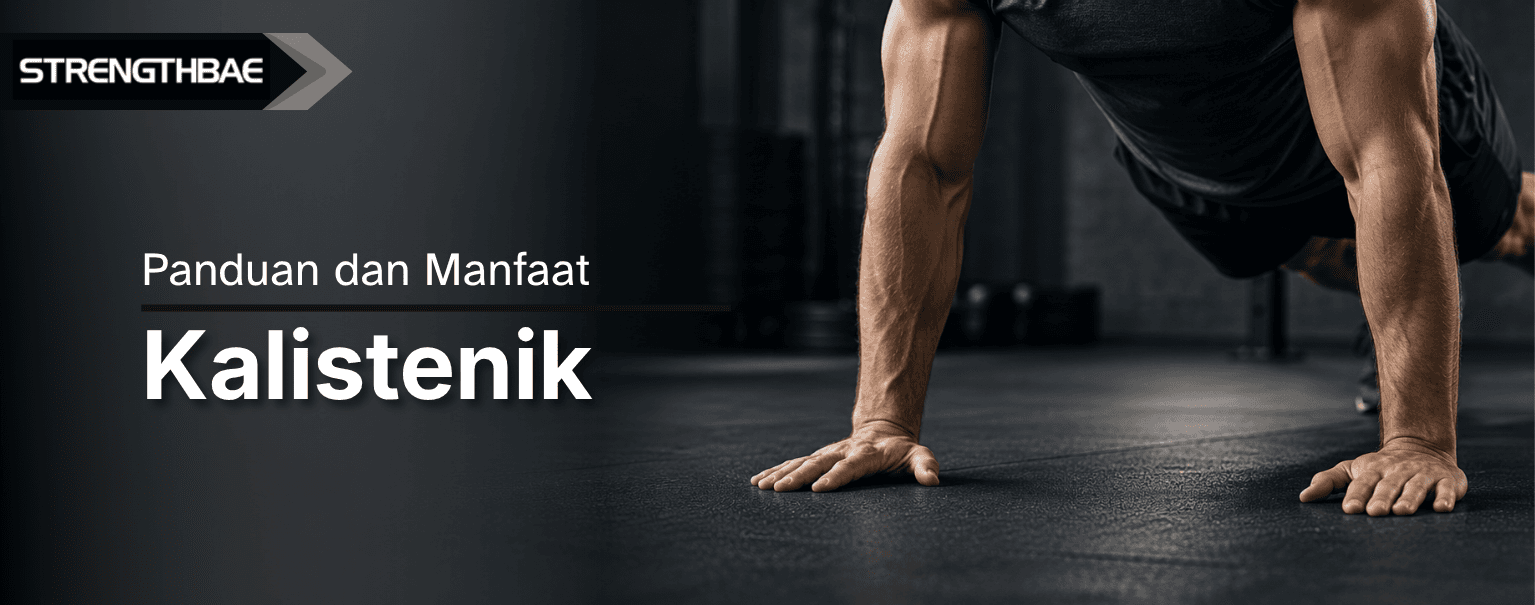
Calisthenics is a fitness exercise that uses your own body weight as the primary resistance. This training helps develop strength and the body's ability to move more effectively.
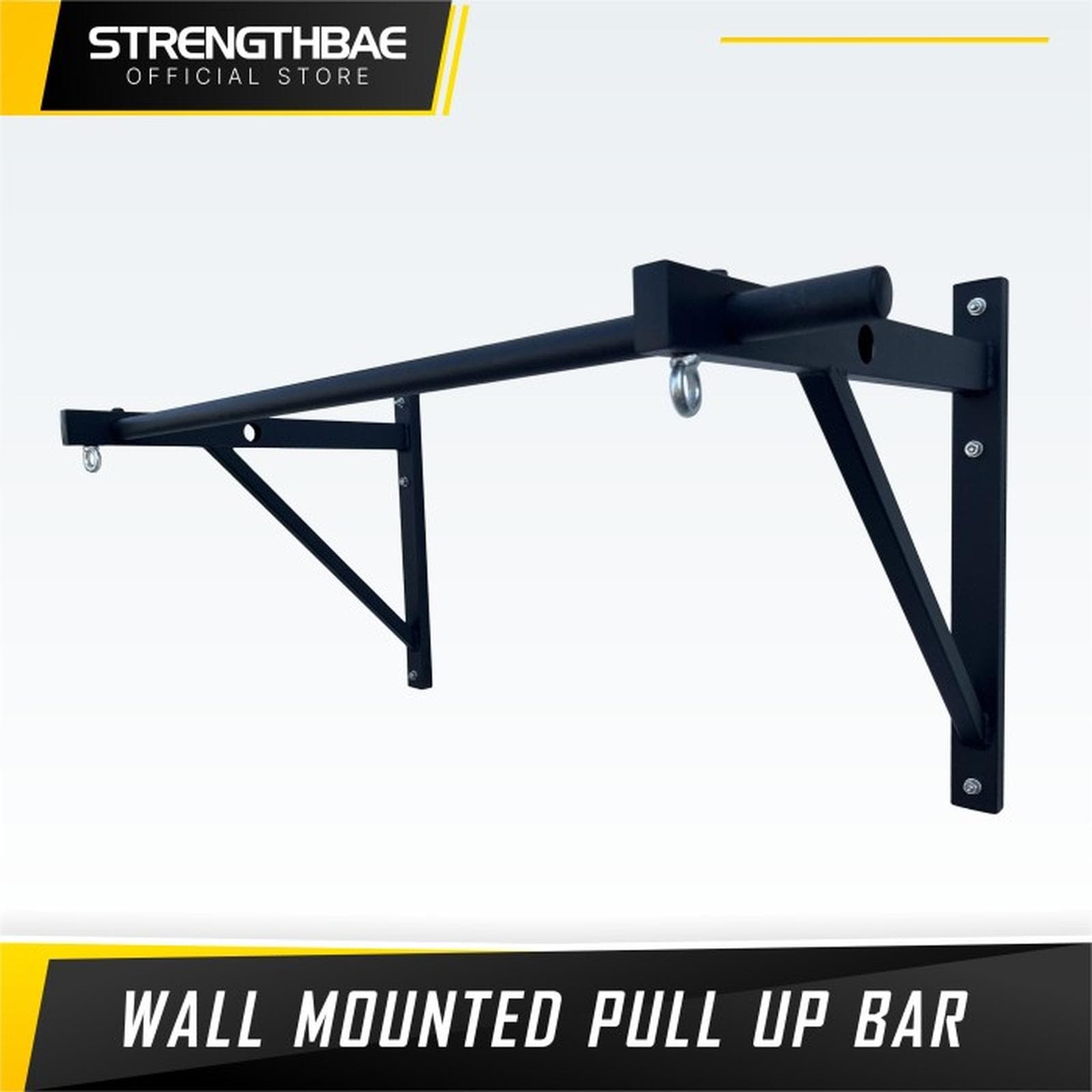
Calisthenics is commonly performed without equipment, for example through push-ups, squats, and pull-ups. However, training can also use equipment such as pull-up bars, dip bars, gymnastic rings, or resistance bands to add variety and increase the difficulty level.
In addition to improving strength, the benefits of calisthenics can also come from training balance, body control, and joint stability. Movements can be progressed gradually, from basic exercises to more difficult movements that require specific skills.
What Is Calisthenics?
Etymologically, the term calisthenics comes from a combination of two Ancient Greek words, kállos, meaning beauty, and sthenos, meaning strength. In practice, calisthenics is a training method that uses body weight as resistance against Earth's gravity. Its movements commonly use basic patterns such as pushing, pulling, squatting, and stepping, which are also frequently used in everyday activities.
Because the body moves without the assistance of machines, stabilizing muscles also work to maintain proper body positioning and joint stability. Calisthenics can also be performed almost anywhere, such as at home, in parks, fitness studios, or gyms, with or without additional equipment.
For everyday health and fitness, movements such as push-ups, squats, lunges, and planks can help improve muscular endurance, fitness, and body control. Meanwhile, advanced training focuses on movements such as handstands, muscle-ups, front levers, and back levers, which require greater strength, balance, and body control.
Characteristics of Calisthenics Training
Calisthenics training has several characteristics that distinguish it from other types of exercise:
Uses many compound movements. One movement can engage several muscle groups at once, such as push-ups and pull-ups.
Trains body control and balance. The body must maintain its position and balance throughout the movement.
Offers many difficulty levels. Movements can start with simpler variations for beginners and gradually progress to more difficult exercises.
Can use additional equipment. Calisthenics is not always performed without equipment. Pull-up bars, dip bars, parallel bars, rings, and resistance bands can be used to add training variations.
Difficulty can be adjusted. You do not always have to add weight. Difficulty can be increased by changing body position, increasing range of motion, slowing down the movement, increasing repetitions, or adding external weight.
Tempo control (slowing down), increasing repetitions, or adding external weight are methods known as weighted calisthenics.
Bodyweight vs Weighted Calisthenics
Before choosing the appropriate training method, it is important to understand the difference between calisthenics that uses only body weight and calisthenics with additional external weight.
Bodyweight Calisthenics
Bodyweight calisthenics uses your own body weight as the primary resistance. Examples include push-ups, pull-ups, squats, dips, lunges, and planks. This type of training is suitable for beginners because it helps develop familiarity with basic movements while building strength, endurance, and body control without requiring much equipment.
Weighted Calisthenics
Weighted calisthenics adds external resistance to calisthenics movements. The additional load can come from a weighted vest, a dip belt with weight plates, or dumbbells. Examples include weighted pull-ups, weighted dips, and weighted push-ups.
This type of training is suitable when bodyweight calisthenics has become too easy. By gradually adding weight, the exercises become more challenging and progressive overload can be applied in a more measurable way.
Equipment That Helps with Calisthenics Training
Calisthenics can be performed without equipment, but several basic pieces of equipment can help add movement variations and make training progression easier.
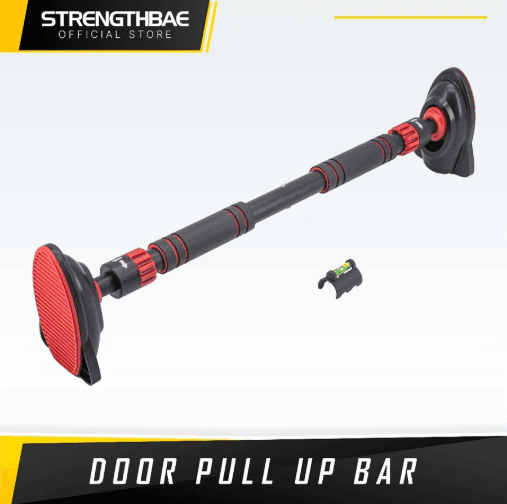
Pull-Up Bar: For pulling exercises such as pull-ups, chin-ups, and hanging leg raises.
Dip Bar: For performing dips and training the triceps and chest.
Parallel Bars (Parallettes): Help with exercises such as L-sits, support holds, and handstand preparation.
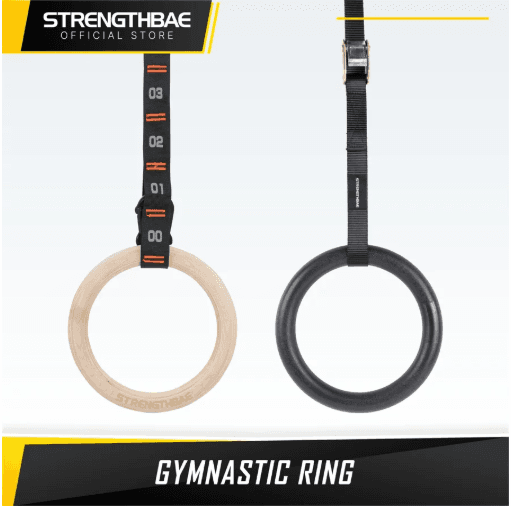
Gymnastic Rings: Provide a less stable support, causing stabilizing muscles to work more actively during ring rows, push-ups, or dips.
Resistance Band: Can assist with movements such as pull-ups and dips, or be used to add resistance to push-ups.
Benefits of Calisthenics
Calisthenics is not limited to a single training goal. By choosing the appropriate exercises, difficulty level, number of repetitions, and intensity, calisthenics can be used to build muscle, improve strength, lose weight, and improve body control and fitness. Here are some of the goals and benefits that can be achieved through calisthenics training:
Goal | Benefits | Training Key |
Building Muscle | Helps increase muscle mass. | Progressive overload and training close to fatigue. |
Losing Weight | Helps burn calories and maintain muscle mass. | Caloric deficit + physical activity. |
Increasing Strength | Improves the body's ability to generate force using its own body weight. | Gradually increase exercise difficulty. |
Improving Muscular Endurance | Helps muscles work longer without getting tired quickly. | Use higher repetitions or longer durations. |
Improving Control & Balance | Helps the body become more stable and coordinated. | Practice movements such as handstands, planks, and unilateral variations. |
Improving Fitness | Supports the body's ability to move and perform activities more effectively. | Combine strength training and circuit training. |
Supporting Athletic Performance | Helps develop relative strength, coordination, and body control. | Use movements that match the needs of the sport. |
Read More: Strengthbae Door Pull-Up Bar
Basic Calisthenics Exercises
Mastering basic calisthenics techniques is important for building strength, maintaining joint health, and reducing the risk of injury before attempting more difficult movements.
Push-Up
Start in a plank position with your hands slightly wider than shoulder-width apart and your body straight from head to heels. Bend your elbows to lower your body until your chest is almost touching the floor, then push back to the starting position.
Main muscles: Chest, triceps, and anterior deltoids.
Pull-Up
Hang from a pull-up bar with your palms facing away from you. Engage your core, then pull your body upward until your chin passes the bar. Lower your body slowly until your arms are straight again.
Main muscles: Back, biceps, and upper back.
Dip
Support your body on the dip bars with both arms straight. Bend your elbows to slowly lower your body until your elbows are around 90 degrees, then push yourself back up. If you are not yet able to support your body weight, use an assisted dip machine or resistance band.
Main muscles: Triceps, lower chest, and anterior deltoids.
Squat
Stand with your feet shoulder-width apart and your toes slightly turned outward. Lower your hips while bending your knees until your thighs are parallel to the floor, then push through your feet to return to a standing position.
Main muscles: Quadriceps, glutes, and hamstrings.
Lunge
Stand upright, then step one foot forward or backward. Lower your body until both knees are bent at around 90 degrees, then push through your foot to return to a standing position. Alternate between both sides.
Main muscles: Quadriceps, glutes, hamstrings, and stabilizing muscles.
Plank
Position your body face down, supported by your forearms or hands and the balls of your feet. Engage your abs and glutes to keep your body straight from head to heels. Avoid letting your hips drop or rise too high.
Main muscles: Core, abdominal muscles, obliques, and stabilizing muscles.
Advanced Calisthenics Exercises
After mastering basic calisthenics movements, you can try more challenging exercises. These movements require greater strength, balance, and body control.
Muscle-Up
Start by hanging from a pull-up bar. Pull your body upward with force until your chest approaches the bar, then push your body over the bar until you are positioned above it. Lower your body with control and repeat.
Main muscles: Back, biceps, chest, triceps, shoulders, and core.
Handstand
Start from a standing position, place both hands on the floor, then kick your legs upward until your body is inverted. Keep your arms straight and engage your core to maintain balance.
Main muscles: Shoulders, triceps, core, and stabilizing muscles.
Handstand Push-Up
Start in a handstand position, preferably with the support of a wall. Bend your elbows to slowly lower your head, then push your body back to the starting position using your shoulder and triceps strength.
Main muscles: Shoulders, triceps, upper chest, and core.
Front Lever
Hang from a pull-up bar with both hands. Pull your body into a position where it is straight and parallel to the floor, then hold the position. Keep your legs together and your core engaged.
Main muscles: Back, latissimus dorsi, shoulders, arms, and core.
Back Lever
Hang from a bar or rings, then rotate your body until your chest faces downward. Straighten your body until it is parallel to the floor and hold the position. Keep your arms straight and your body stable.
Main muscles: Anterior deltoids, chest, biceps, core, and back muscles.
Read More: Strengthbae Pull-Up Bar
Sesi Latihan Kalistenik untuk Pemula
Untuk membantu Anda meningkatkan kemampuan secara bertahap, setiap pola gerakan kalistenik dapat dimulai dari versi yang lebih mudah sebelum beralih ke gerakan yang lebih sulit. Pilih tingkat yang masih bisa dilakukan dengan teknik dan kontrol yang baik.
Push Progression
Wall Push-Up (push-up berdiri dengan tangan di dinding) → Incline Push-Up (tangan bertumpu pada permukaan yang lebih tinggi) → Standard Push-Up (push-up di lantai) → Decline Push-Up (kaki berada di permukaan lebih tinggi) → Weighted Push-Up (push-up dengan tambahan beban).
Pull Progression
Inverted Row (menarik tubuh ke arah bar dari posisi tubuh miring) → Band-Assisted Pull-Up (pull-up dengan bantuan resistance band) → Negative Pull-Up (fokus menurunkan tubuh secara perlahan dari posisi atas) → Standard Pull-Up (menarik tubuh hingga dagu melewati bar) → Weighted Pull-Up (pull-up dengan tambahan beban).
Dip Progression
Assisted Dip (melakukan dip dengan bantuan alat atau resistance band) → Bodyweight Dip (menurunkan dan mendorong tubuh menggunakan dip bar) → Weighted Dip (dip dengan tambahan beban).
Squat Progression
Box Squat (squat dengan bantuan duduk ke box atau bench) → Bodyweight Squat (squat menggunakan berat badan sendiri) → Split Squat (squat dengan satu kaki di depan dan satu kaki di belakang) → Single-Leg Squat Progression (latihan menuju squat dengan satu kaki).
Core Progression
Knee Plank (plank dengan lutut menyentuh lantai) → Standard Elbow Plank (plank dengan bertumpu pada siku dan ujung kaki) → Advanced Plank Variation (variasi plank yang lebih sulit) → L-Sit Hold (menahan tubuh dengan kaki lurus ke depan).
Utamakan teknik dan kontrol gerakan daripada mengejar banyak repetisi. Anda dapat menggunakan tempo sekitar 2 detik saat menurunkan tubuh dan 1 detik saat mendorong. Istirahat sekitar 30–60 detik antar-set dan lakukan 2–3 putaran sesuai kemampuan.
FAQ
Apakah kalistenik efektif untuk membentuk otot dan meningkatkan kekuatan?
Ya. Kalistenik dapat membantu membangun otot dan meningkatkan kekuatan selama latihan dilakukan dengan teknik yang baik, cukup menantang, dan progresif.
Apakah kalistenik memerlukan peralatan khusus?
Tidak selalu. Gerakan dasar dapat dilakukan tanpa alat, tetapi pull-up bar, dip bar, dan resistance band dapat menambah variasi latihan.
Apakah kalistenik cocok untuk pemula?
Ya. Gerakan kalistenik memiliki banyak tingkat kesulitan, sehingga pemula dapat memulai dari versi yang lebih mudah dan meningkat secara bertahap.
Mana yang lebih baik, kalistenik atau weight training?
Keduanya memiliki keunggulan masing-masing. Kalistenik unggul dalam melatih kontrol tubuh dan dapat dilakukan dengan sedikit alat, sedangkan weight training memudahkan penambahan beban secara lebih terukur.
Berapa kali seminggu sebaiknya latihan kalistenik?
Pemula dapat memulai 2–3 kali seminggu dengan latihan full-body. Berikan waktu istirahat yang cukup agar tubuh dapat pulih sebelum sesi berikutnya.
Latihan Kalistenik Lebih Efektif Bersama Strengthbae
Kalistenik dapat dimulai dari gerakan sederhana dan berkembang menjadi latihan kekuatan serta keterampilan tubuh yang lebih kompleks. Dengan menguasai teknik dasar, meningkatkan latihan secara bertahap, dan berlatih secara konsisten, Anda dapat membangun tubuh yang lebih kuat, sehat, dan bugar.
Jika membutuhkan perlengkapan kalistenik seperti pull-up bar, dip bar, gymnastic rings, dan resistance band, atau ingin merancang fasilitas home gym dan gym komersial untuk kalistenik, hubungi tim Strengthbae untuk konsultasi sekarang juga.
Strengthbae adalah brand peralatan gym profesional yang menyediakan solusi untuk kebutuhan bisnis gym komersial dan home gym. Mulai dari rack, All in One Trainer, hingga aksesori latihan fungsional hybrid race standar HYROX, semuanya tersedia di Strengthbae.