How to Do Cardio at Home Without Gym Equipment
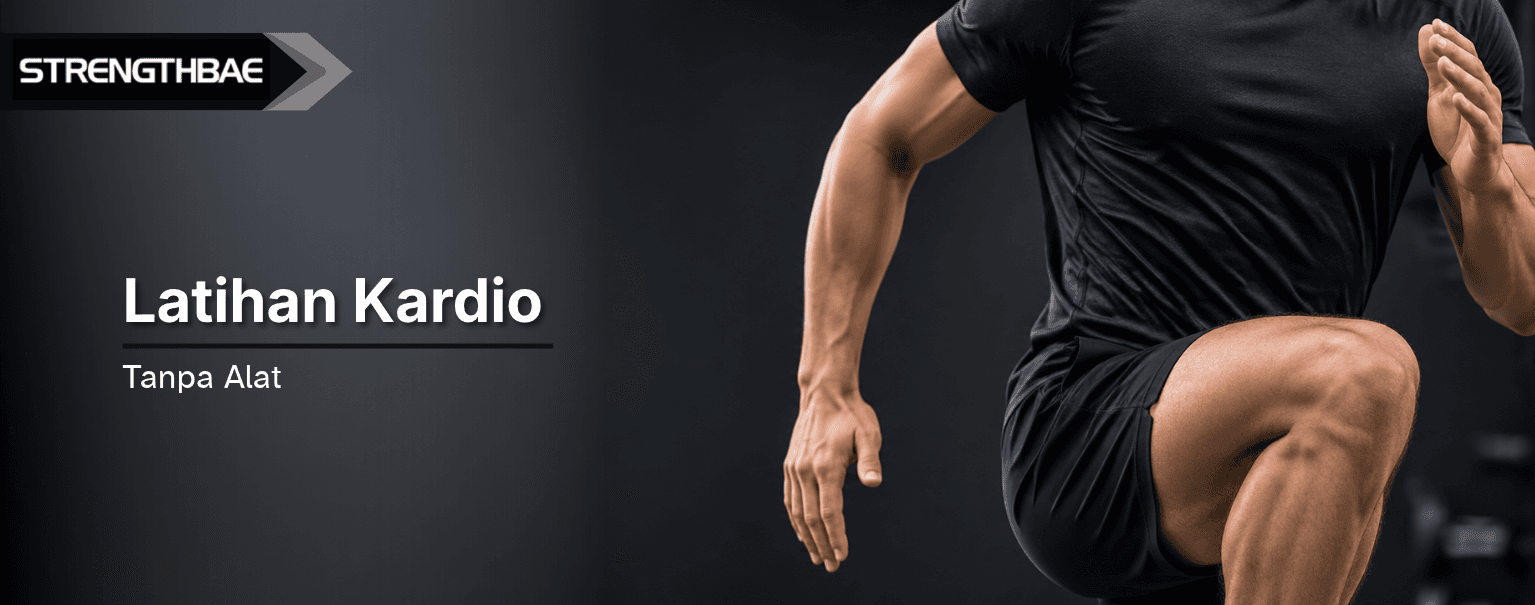
Cardio workouts at home without gym equipment can be done using various movements that rely on your own body weight. These types of cardio exercises can increase your heart rate and breathing, helping your body stay active.
By adjusting the movement speed, duration, and rest periods according to your ability, at-home cardio workouts can help improve stamina, burn calories, and support heart and lung health without requiring a treadmill or stationary bike.
Can You Do Cardio Without Gym Equipment?
Although you can choose popular cardio equipment such as treadmills and stationary bikes, you can also do cardio at home using your own body weight.
As long as an activity increases your heart rate and breathing for a certain period, the movement you perform can be part of a cardio workout.
Cardio workouts without equipment offer several benefits for your overall health, including:
Helping your body feel less tired during exercise and everyday activities.
Training the heart and lungs to work more efficiently during physical activity.
Increasing energy expenditure, which can support weight loss or weight management.
Helping strengthen muscles and improve movement abilities for everyday activities.
Keep in mind that the difficulty of a cardio workout can vary from person to person. A simple movement such as marching in place may feel easy for someone who exercises regularly but can be challenging for a beginner.
Therefore, choose cardio exercises and adjust the workout pace according to your fitness level. Start with a light intensity and gradually increase it as your stamina and fitness improve.
Preparing for Cardio Workouts at Home
Before starting a cardio workout at home, make sure both your workout area and body are ready to make the session more comfortable and reduce the risk of injury.
Preparing Your Cardio Workout Area
Choose a flat, clean, non-slip floor that is free of objects that could interfere with your movements. Prepare an area of around 2 × 2 meters so you can move freely.
If you live in an apartment or a multi-story house, use rubber flooring or an exercise mat to help reduce noise and impact during your workout.
Wearing Suitable Clothing and Footwear
Wear comfortable, flexible, and sweat-wicking workout clothes. Choose sports shoes with stable footing, especially for exercises that involve jumping.
If you prefer to exercise barefoot, make sure the floor is not slippery and start with low-impact movements that do not involve much jumping.
Warming Up
Warm up for around 5 minutes to prepare your muscles, joints, and heart rate before the main workout.
Marching in Place: Walk in place for 1 minute.
Shoulder Rolls & Arm Circles: Rotate your shoulders and arms for 1 minute.
Side Steps: Step from side to side for 1 minute.
Hip and Ankle Mobility: Perform slow circular movements for 2 minutes.
Light Cardio Exercises for Beginners
Light or low-impact cardio exercises place less stress on the joints because they do not involve jumping. These movements are suitable for beginners and can be made more challenging by increasing the tempo and moving the arms more actively.
Marching in Place
How to Do It: Stand upright, then alternately lift your right and left knees as if walking in place. Swing your arms along with your leg movements.
Duration: 30–60 seconds per set.
Tips: Keep your body upright and start at a comfortable pace.
Step Jacks
How to Do It: Stand with your feet together, then step your right foot to the side while raising both arms overhead. Return to the starting position and repeat with your left foot.
Duration: 30–45 seconds per set.
Tips: Adjust the width of your steps and maintain your balance.
Side Steps
How to Do It: Stand with your knees slightly bent. Step your right foot to the side, then bring your left foot toward it. Repeat in the opposite direction.
Duration: 30–60 seconds per set.
Tips: Adjust your step width according to the available space. Bend your knees slightly deeper if you want to increase the intensity.
Standing Knee Raises
How to Do It: Stand upright, then alternately raise your right and left knees toward your chest. Move both hands downward toward the raised knee.
Duration: 30–45 seconds per set.
Tips: Maintain your balance and raise your knees only as high as comfortable without rounding your back.
Shadow Boxing
How to Do It: Stand with one foot slightly in front of the other and both hands in front of your face. Perform alternating straight punches into the air. Add small forward and backward steps once you are comfortable.
Duration: 30–60 seconds per set.
Tips: Keep your punches controlled and avoid excessively straightening your elbows.
Read Also: Sitting Too Long While Working? Try These Stretching Exercises at Home
Higher-Intensity Cardio Workouts
For those of you who are used to exercising and want a more challenging cardio workout, high-intensity cardio can be an option. These cardio exercises involve jumping, rapid changes in position, and multiple muscle groups to increase your heart rate and calorie expenditure.
Jumping Jacks
How to Do It: Stand with your feet together, then jump while moving both feet out to the sides and raising your arms overhead. Jump back to the starting position and repeat.
Duration: 20–40 seconds per set.
Tips: Land softly and slightly bend your knees to reduce impact.
Beginner Alternative: Step Jacks without jumping.
High Knees
How to Do It: Run in place while alternately raising your right and left knees toward hip height. Swing your arms along with your leg movements.
Duration: 20–30 seconds per set.
Tips: Keep your body upright and avoid leaning too far backward.
Beginner Alternative: Standing Knee Raises at a moderate pace.
Butt Kicks
How to Do It: Jog in place while alternately bending your knees backward until your heels move toward your glutes.
Duration: 20–40 seconds per set.
Tips: Keep your body upright and avoid excessively arching your lower back.
Beginner Alternative: Alternately bend your legs backward without jumping.
Mountain Climbers
How to Do It: Start in a high plank position with your hands underneath your shoulders. Bring your right knee toward your chest, return it to the starting position, then alternate with your left knee.
Duration: 20–40 seconds per set.
Tips: Keep your hips stable and avoid raising or lowering them too far.
Beginner Alternative: Slow Mountain Climbers with slower leg movements.
Skater Jumps
How to Do It: Stand with your knees slightly bent, then jump to the right using your right foot while bringing your left leg behind you. Repeat the jump to the left side alternately.
Duration: 20–30 seconds per set.
Tips: Prioritize balance when landing before increasing the distance of your jumps.
Beginner Alternative: Side Steps or side-to-side steps without jumping.
Burpees
How to Do It: From a standing position, squat down and place your hands on the floor. Move both feet backward into a high plank position, then bring them forward again. Stand up and perform a small jump.
Duration: 20–30 seconds or 5–8 repetitions.
Tips: Keep your core engaged and your back stable while in the plank position.
Beginner Alternative: Step-Back Burpees by stepping one foot back at a time without jumping.
Example Equipment-Free Cardio Workout
This 18-minute cardio workout combines five low-impact exercises suitable for beginners. The cardio workout can be done at home without gym equipment and does not require a large amount of space.
Warm-Up — 5 Minutes
Perform each cardio exercise for 1 minute: Marching in Place, Shoulder Rolls, Side Steps, hip and ankle rotations, and Arm Circles. Gradually increase your pace.
Main Workout — 10 Minutes
Perform 2 rounds with 40 seconds of exercise and 20 seconds of rest for each movement. One round takes 5 minutes.
Order | Exercise | Duration | Rest |
1 | Marching in Place | 40 seconds | 20 seconds |
2 | Step Jacks | 40 seconds | 20 seconds |
3 | Shadow Boxing | 40 seconds | 20 seconds |
4 | Standing Knee Raises | 40 seconds | 20 seconds |
5 | Side Steps | 40 seconds | 20 seconds |
After the first round, immediately continue to the second round without additional rest.
Tips: If the workout feels too difficult, change it to 30 seconds of exercise and 30 seconds of rest. If it feels too easy, increase the movement speed or add a third round.
Cool-Down — 3 Minutes
Walk slowly in place for 1 minute to gradually lower your heart rate. Continue with light stretching for 2 minutes, focusing on the thighs, calves, shoulders, and hips.
How to Adjust Cardio Workout Intensity
Adjusting the intensity of your cardio workout is important to make the exercise effective without excessively tiring your body. You can use the Talk Test to measure intensity without a smartwatch or special equipment.
Light Intensity: You can still talk and sing comfortably. Your breathing is slightly faster.
Moderate Intensity: You can still talk, but singing becomes difficult because your breathing is faster.
High Intensity: You can only say a few words before needing to take a breath.
For beginners, prioritize moderate-intensity exercise. As your stamina improves, gradually add higher-intensity workouts.
How Often Should You Do Cardio at Home?
Beginners can start with cardio workouts at home 2–3 times per week, with rest days in between. On other days, stay active with light activities such as walking.
According to the World Health Organization (WHO), adults are recommended to do 150–300 minutes of moderate-intensity aerobic activity per week or 75–150 minutes of vigorous-intensity activity per week. This duration refers to the total amount of activity throughout the week, not in a single session.
For more comprehensive fitness, combine cardio with strength training at least 2 days per week. Make sure your body gets enough rest, especially after high-intensity workouts.
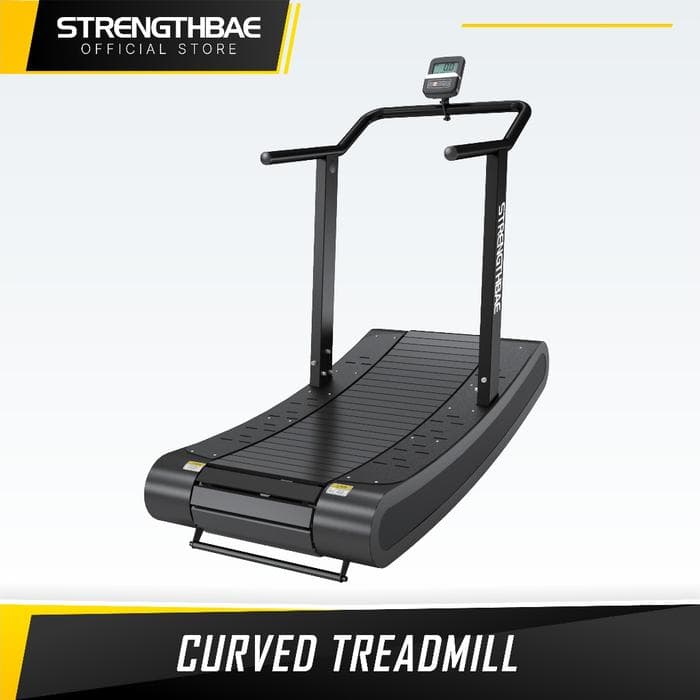
Read Also: Strengthbae Curved Treadmill
FAQ
Are equipment-free cardio workouts effective for burning calories and losing weight?
Yes. Cardio exercises such as burpees, mountain climbers, and jumping jacks can help burn calories because they engage multiple muscle groups. However, weight loss still requires a calorie deficit, a balanced diet, and consistent exercise.
How can I prevent joint pain or injury during high-intensity cardio workouts?
Warm up for around 5 minutes before exercising and try to land softly when performing jumping movements. If you experience knee or ankle pain, stop that movement and choose a low-impact cardio exercise such as step jacks or marching in place if it remains comfortable.
When is the best time to do cardio, before or after strength training?
Adjust it according to your training goals. If your goal is to improve strength and build muscle, prioritize strength training before cardio. If your focus is improving stamina or running performance, do cardio first.
Can beginners who are overweight safely do equipment-free cardio?
Yes, by choosing low-impact movements such as marching in place, side steps, and standing knee raises. Start with light intensity and gradually increase it according to your ability to avoid placing excessive stress on your joints.
What gym equipment is suitable for adding variety to cardio workouts at home?
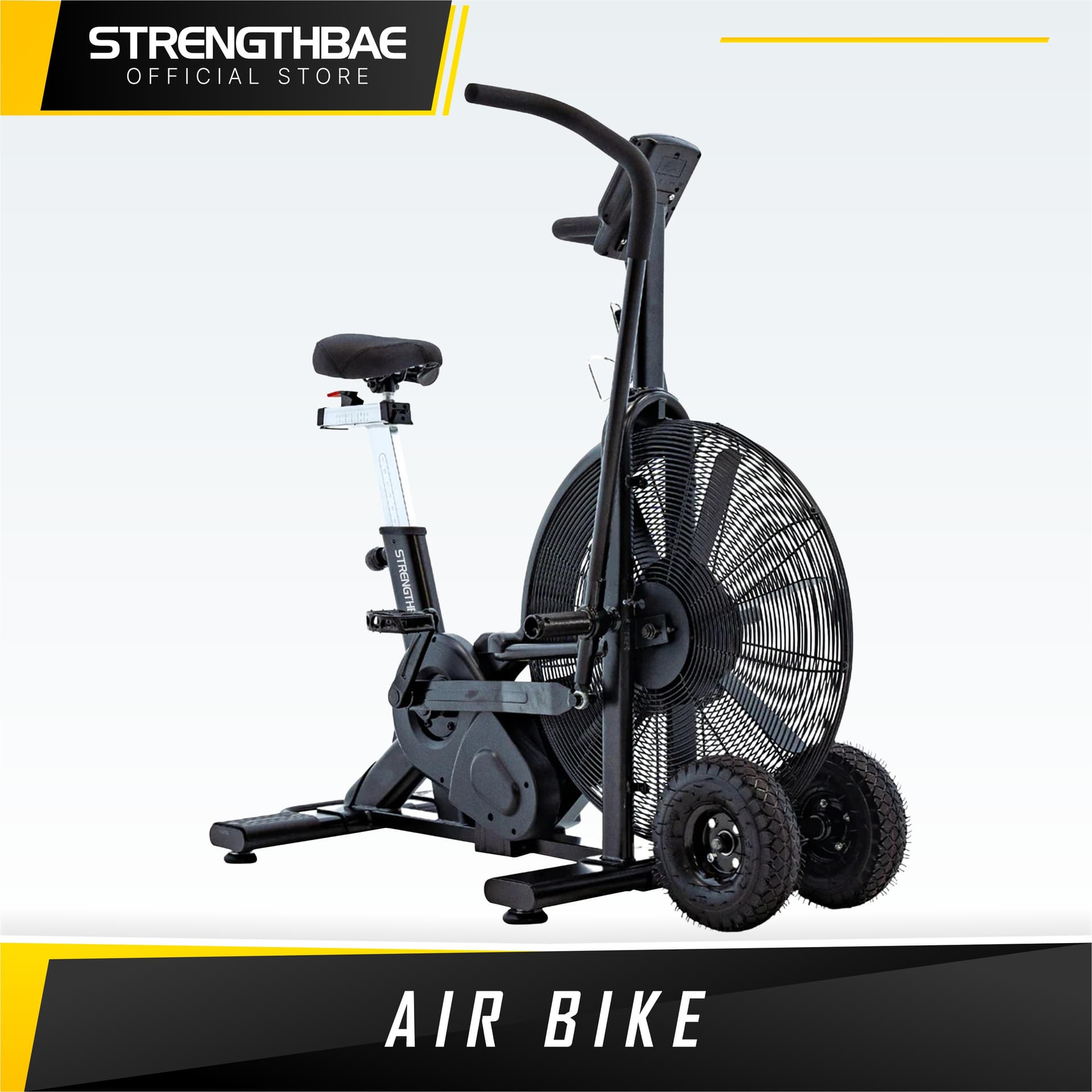
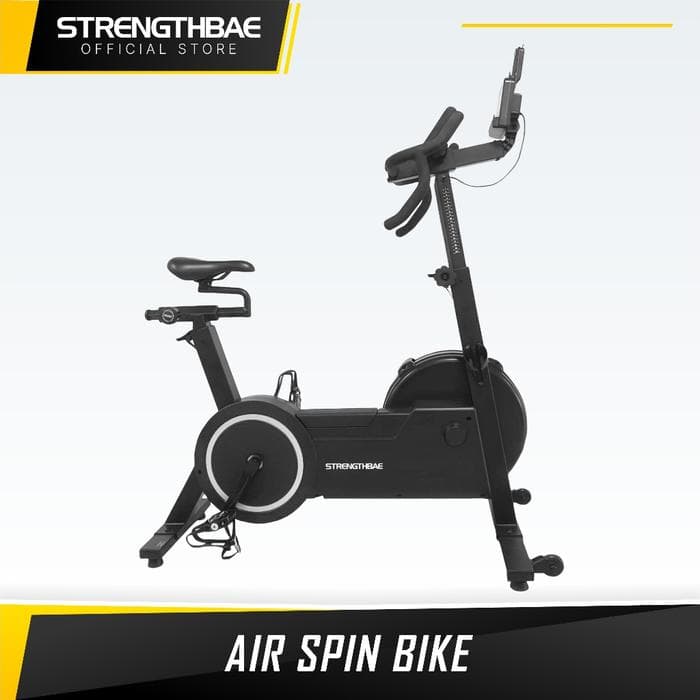
If you want to add equipment to your cardio workouts, you can consider a walking pad or treadmill for walking and running, as well as a stationary bike or air bike for cardio with lower impact on the joints. Choose equipment according to your needs, available space, and home gym budget.
Build Your Cardio Workout Routine with Strengthbae
Cardio workouts at home without gym equipment are a practical way to improve stamina, burn calories, and maintain overall fitness. By choosing low-impact or high-impact cardio exercises and adjusting the intensity according to your ability, you can build an exercise routine without needing specialized equipment.
However, if you want to add more variety and challenge to your workouts, you can start equipping your home gym with a treadmill, walking pad, stationary bike, or other cardio equipment. Explore various cardio equipment options at Strengthbae and consult our team about your home gym needs.
Strengthbae is a professional fitness equipment brand providing solutions for commercial gym businesses and home gyms. From racks and All in One Trainers to functional training accessories for HYROX-standard hybrid races, everything is available at Strengthbae.