How to Use a Weighted Vest and Its Benefits
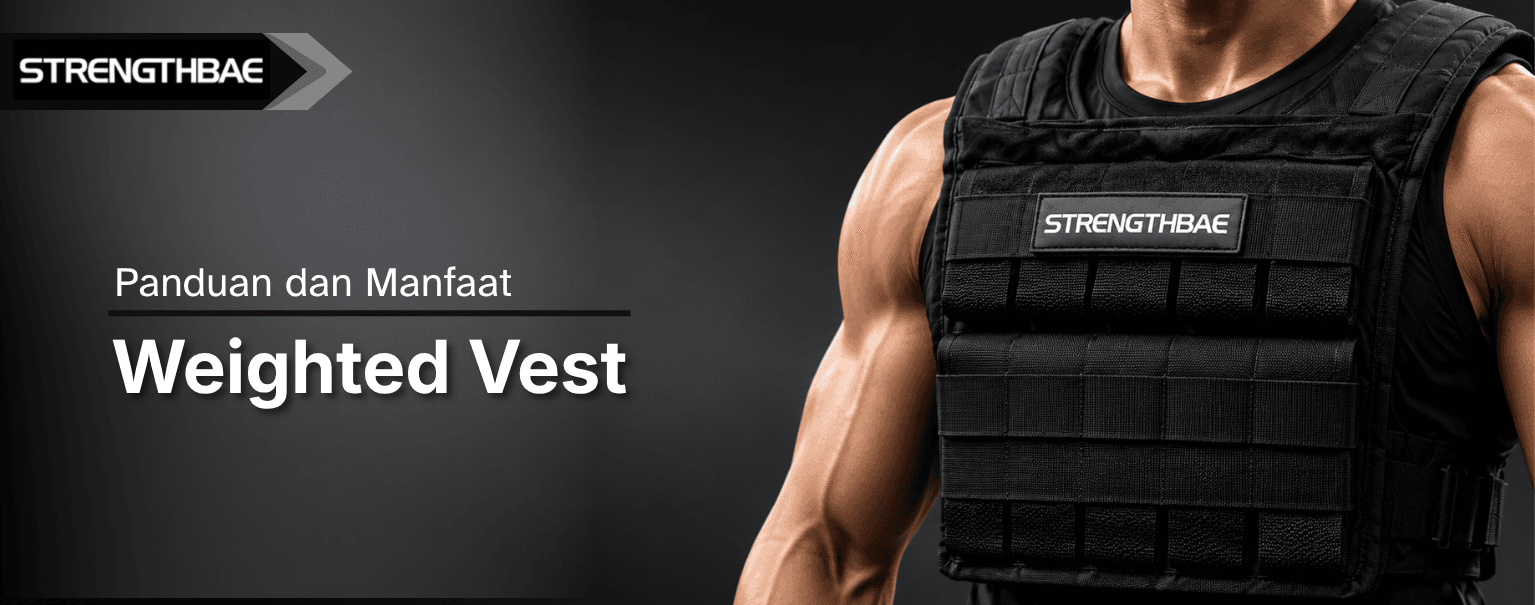
A weighted vest is a weighted vest used to add resistance during exercise without having to hold dumbbells or other weights. Using a weighted vest can make exercises such as squats, lunges, push-ups, walking, and running more challenging by adding weight to the body. It can be used for both strength and cardio, but the load should be increased gradually to keep training comfortable and safe. This article covers weight types, how to wear a weighted vest, exercise variations, benefits, and tips for beginners.
What Is a Weighted Vest?
A weighted vest is an exercise accessory in the form of a vest equipped with weights, such as metal plates, weight-filled pockets, or permanent weights. The weight is usually placed on the front and back of the vest to distribute the load more evenly.
Unlike dumbbells or barbells, which need to be held in the hands, a weighted vest is worn on the body, allowing both hands to remain free to move. Therefore, it can be used for various exercises without interfering with hand movement, including strength training, cardio, calisthenics, and functional training.
A weighted vest works by adding weight to the body, requiring the body to work harder during each movement. The main muscles and stabilizing muscles are placed under greater demand because they have to move and stabilize the body while carrying the additional weight.
Compared with a weight belt, which places the load around the waist, or a backpack, which tends to pull the body backward, a weighted vest distributes the load across the chest and back. This distribution helps the weight feel more balanced and allows the body to move more naturally during exercises such as squats, lunges, walking, running, or bodyweight exercises.
Types of Weighted Vest Loads
Choosing the right weight and type of weighted vest is important to keep training effective, comfortable, and appropriate for your physical ability. Weighted vests are available in various weight options, ranging from around 3 kg to 30 kg or more. The weight should be selected based on training experience, type of activity, and the user's ability.
Light Weight
A weighted vest with a load of around 3–5 kg or approximately 5% of body weight is suitable for beginners who are new to training with additional resistance. This weight can be used for walking, rucking, basic bodyweight exercises, or light-intensity training while allowing the body to adapt to the additional load.
Moderate Weight
A load of around 6–12 kg or approximately 10% of body weight provides a greater challenge for exercises such as squats, lunges, step-ups, push-ups, and circuit training. This level is suitable for users who are already familiar with using a weighted vest and want to gradually increase training intensity.
Heavy Weight
Weighted vests with a load of around 15–30 kg or more are more suitable for experienced users. This weight can be used for weighted training, calisthenics, or high-intensity strength training. Because the load is heavy, users need to ensure proper exercise technique and increase the weight gradually.
Types of Weighted Vest Loading Systems
Weighted vests come in several designs based on their loading system. In general, there are two of the most common types: fixed weight and adjustable weight.
Fixed Weight
A fixed weight vest is a vest with a predetermined weight that cannot be changed, such as 5 kg or 10 kg. The weight is usually permanently built into the vest. This type has a simpler, more compact design and can fit relatively close to the body, making it less likely to shift during dynamic activities.
Adjustable Weight
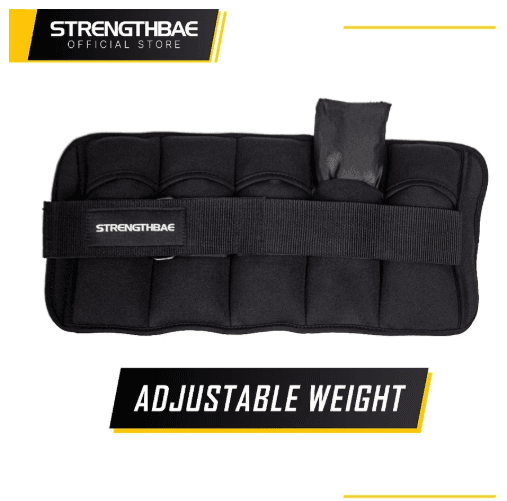
An adjustable weight vest has pockets or dedicated spaces for adding and removing weights according to training needs. With a single vest, users can adjust the weight from lighter to heavier loads, depending on the product's capacity and the type of exercise being performed. This type is more flexible for users who want to increase the load gradually.
How to Choose the Right Weighted Vest
A weighted vest should be selected based on your fitness level, type of exercise, and training goals. Most importantly, use a load that still allows you to maintain proper technique and body posture throughout the entire movement. This allows you to increase the load gradually without sacrificing movement quality or comfort during training.
The following table summarizes the differences between fixed weight and adjustable weight, along with the characteristics of each type of weighted vest.
Vest Category | Weight Range | Recommended Activities | Main Advantage |
Light Weight | 3–5 kg (5% BW) | Walking, rucking, beginner adaptation, rehabilitation | Very safe for the joints, does not cause extreme fatigue. |
Moderate Weight | 6–12 kg (10% BW) | Squats, lunges, push-ups, circuit training, hiking | Ideal balance between muscle and cardio stimulation. |
Heavy Weight | 15–30 kg+ | Advanced calisthenics, maximum strength, weighted pull-ups | Provides high resistance for hypertrophy & strength. |
Fixed Weight | 3–10 kg (Fixed) | Running, jumping, HIIT, dynamic activities | Compact design, fits closely to the body, and does not swing. |
Adjustable Weight | 2–20+ kg (Variable) | Versatile home workouts, gradual progression | One flexible vest for different training levels. |
How to Wear a Weighted Vest Properly
Using a weighted vest safely starts with choosing the right weight and properly securing the vest. Before exercising, make sure the weight, position, and fasteners are properly adjusted so the load does not interfere with movement or alter your body posture.
Choosing the Starting Weight
Start with a light load, around 5–10% of your body weight. Beginners should not immediately use heavy weights because the body still needs time to adapt to the additional load.
Excessive weight can place more stress on the knees, hips, and spine. The weighted vest load should also be adjusted according to the type of exercise. For example, the appropriate weight for walking may differ from the weight used for running or pull-ups.
Putting on the Weighted Vest
Put on the weighted vest so that it feels secure and stable on your body, but not so tight that it interferes with breathing. Make sure the weight is distributed properly across the front and back so your body remains balanced during movement.
After that, tighten the available straps, Velcro, buckles, or fastening straps. Make sure all fasteners are properly secured before starting your workout.
Checking the Position During Movement
Before performing your main workout, try several simple movements such as squats, lunges, push-ups, or walking for a few steps. Check whether the vest stays in position and does not shift, tilt, or move excessively while your body is active.
If the vest feels unstable, pulls your body backward, affects your balance, or changes your posture, readjust the position and straps or reduce the weight before continuing your workout.
Training with a Weighted Vest
Using a weighted vest for different types of exercise can provide an additional challenge to the muscles and cardiovascular system. The effects vary depending on the movement, intensity, and amount of weight used. Therefore, the vest weight should be adjusted according to your ability and the type of exercise.
Walking
Walking with a weighted vest or doing rucking can increase the body's workload and energy expenditure without creating as much impact as running. For beginners, start by walking for 10–15 minutes. Once your body becomes accustomed to it, gradually increase the duration or distance.
Running
Using a weighted vest while running can add a challenge to cardio training and increase energy expenditure. However, the additional weight also increases the impact on the ankles, knees, and hips.
Therefore, it is best to master walking and strength training first before running with a weighted vest. Use a light load and increase it gradually.
Bodyweight Squat
Perform squats as usual by lowering your body in a controlled manner, then return to a standing position by pushing through the floor with your feet. A weighted vest adds resistance that must be moved, causing the quadriceps and glutes to work harder. This exercise can be used to increase the difficulty of bodyweight squats before progressing to barbell squats.
Push-Up
Wear the weighted vest and perform push-ups with your usual body position. The additional weight increases the resistance that must be pushed by the chest, triceps, and front shoulders. Keep your core engaged so your lower back does not sag or arch due to the additional load.
Lunge
Step forward, then lower your body in a controlled manner before returning to the starting position. A weighted vest adds resistance to each step, making the thigh and glute muscles work harder.
This exercise also requires greater hip control and stability compared to unweighted lunges.
Step-Up
Use a sturdy and stable bench, plyo box, or step. Place one foot on the platform, then push your body upward using the leg that is on the platform.
A weighted vest adds resistance to the movement, making the thigh and glute muscles work harder, while keeping both hands free to help maintain balance.
Pull-Up and Dip
A weighted vest can be used as a progression for users who can already perform pull-ups or dips with proper technique. The additional weight makes the muscles work harder and can help improve strength.
It is best to start with a light load once you can perform several bodyweight repetitions with good control.
Stair Climbing
Using a weighted vest while climbing stairs increases the load your body has to carry with each step. This exercise increases the workload of the calves, quadriceps, and glutes while also raising your heart rate.
Start with a duration or number of steps that matches your ability before increasing the weight or intensity.
Bear Crawl and Functional Training
A weighted vest can be used for bear crawls and various functional training exercises to add an extra challenge to the core, shoulders, and entire body.
Make sure the vest is securely fitted so it does not shift when your body is bent forward or moving actively.
Calisthenics
Exercises such as push-ups, pull-ups, dips, squats, and lunges can be made more challenging with a weighted vest without requiring additional gym machines.
A weighted vest can be one way to apply progressive overload to calisthenics training after bodyweight movements have been mastered properly.
Hybrid Race Training such as HYROX
In hybrid race-style training such as HYROX, a weighted vest can be used as additional resistance during circuit training, running intervals, or certain conditioning exercises.
It is true that a weighted vest is not official equipment used in hybrid race competitions such as HYROX. However, its function is more as a training aid to increase the load and physical demands during conditioning sessions.
Read Also: 8 HYROX Equipment You Can Find at Strengthbae
Benefits of Using a Weighted Vest
The benefits of a weighted vest can vary depending on the weight used, type of exercise, and user's physical condition. In general, the additional load makes the body work harder, making both bodyweight and cardio exercises more challenging.
Increases the Challenge of Bodyweight Exercises
A weighted vest adds resistance to the body without requiring the user to hold dumbbells or kettlebells. This makes exercises such as squats, lunges, push-ups, and pull-ups more challenging while keeping the hands free to move.
With an appropriate load, users can still perform movements naturally while increasing muscle workload.
Helps with Progressive Overload
When bodyweight exercises start to feel too easy, a weighted vest can be used to gradually add resistance. This additional load provides a new challenge to the muscles without immediately requiring a transition to heavier training equipment.
By increasing the load gradually while maintaining proper technique, a weighted vest can help apply progressive overload.
Improves Strength and Muscular Endurance
Training with additional weight makes the muscles work harder compared to unweighted bodyweight exercises.
Regular use of a weighted vest can help improve strength and muscular endurance, especially in movements such as squats, lunges, push-ups, pull-ups, and step-ups. The extent of improvement still depends on the training program, load, and progression.
Adds a Cardio Challenge
A weighted vest can make activities such as walking, stair climbing, running, or circuit training more challenging because the body has to carry additional weight.
This can increase the workload on the heart and respiratory system and increase energy expenditure. When used as part of an appropriate training program, the additional load can also help improve cardiorespiratory fitness.
Improves the Efficiency of Home Workouts
A weighted vest is a practical option for home workouts because one piece of equipment can be used for many types of exercise. It does not require a large amount of home gym floor space like gym machines or barbells, while still allowing you to add resistance to various movements.
Therefore, a weighted vest is suitable for users who want to make their home workouts more challenging without adding a lot of equipment.
Weighted Vest Tips for Beginners
For beginners who want to start using a weighted vest, it is best to progress gradually so the body can adapt to the additional load. The following tips can help keep training safe and comfortable.
Start with basic movements that you can already perform well without additional weight, such as squats, lunges, push-ups, or walking.
Use a weighted vest after your technique and balance during bodyweight movements are consistent.
Prioritize strength training and walking before trying to use a weighted vest for running.
Make sure the vest fits securely and does not shift easily during movement, while still being loose enough not to interfere with breathing.
Choose a weight that allows you to maintain proper body posture. Do not increase the load if your body starts leaning forward, tilting, or losing control.
Stop exercising if you experience sharp pain or unusual discomfort in the knees, hips, back, or other joints.
Give your body time to adapt before increasing the weight or intensity. For heavy training, allow around 24–48 hours of rest before the next heavy session.
Weighted Vests from Strengthbae

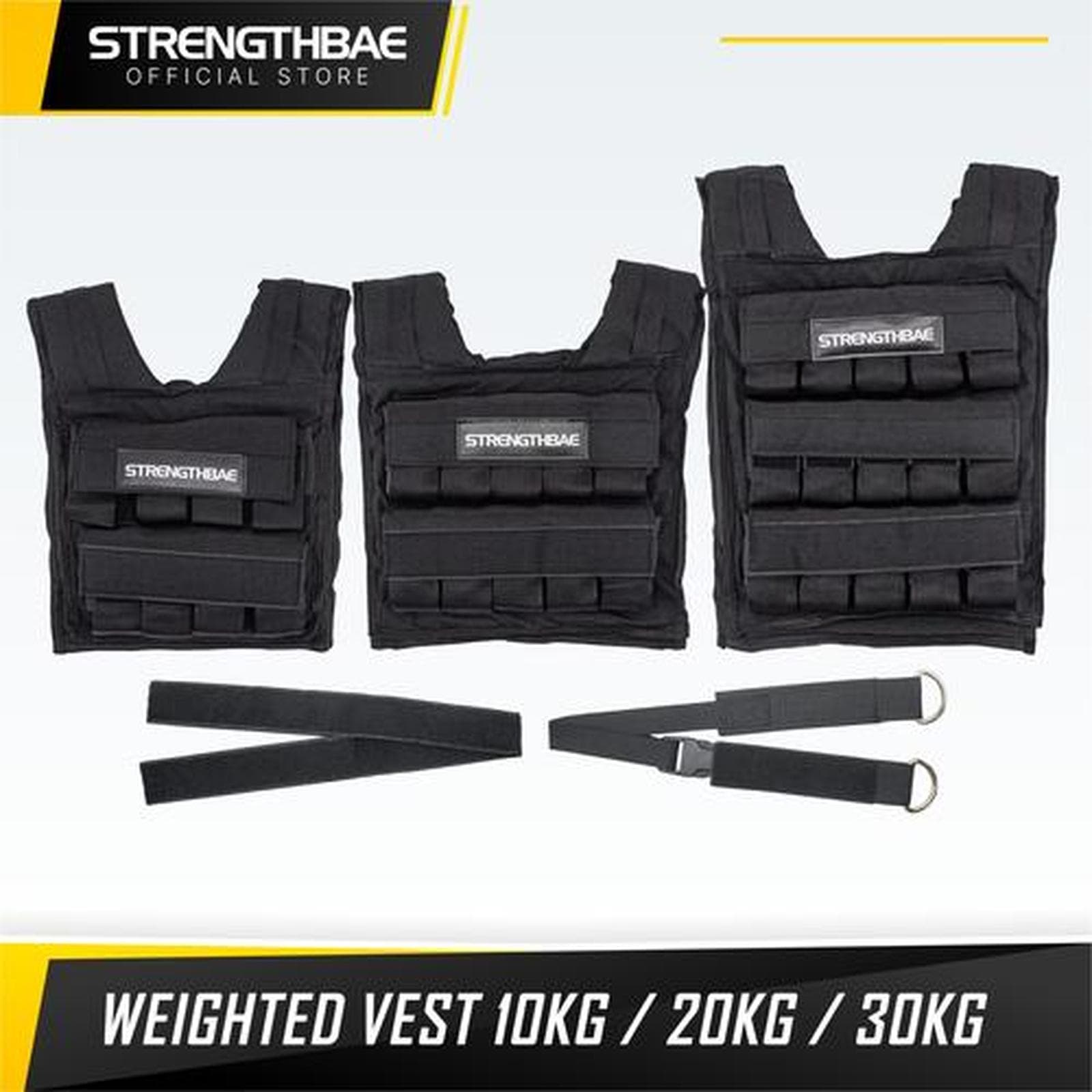
You do not have to look far; weighted vests are available at Strengthbae. The Strengthbae Adjustable Weighted Vest comes in 10 kg, 20 kg, and 30 kg options. The weight can be adjusted according to your needs, from no added weight up to the maximum capacity of each variant, making it suitable for different training levels.
Its compact design fits closely to the body with an adjustable strap around the abdomen, helping prevent the vest from shifting during use. This weighted vest is suitable for pull-ups, dips, push-ups, squats, lunges, and various other strength exercises.
The weight uses metal plates that are easy to remove and reinstall. Its compact design also makes the vest comfortable for walking and jogging, allowing you to add an extra challenge to both strength and cardio training with one piece of equipment.
Read More: Strengthbae Weighted Vest
FAQ
How much weight should a weighted vest have for beginners?
There is no single weight that is suitable for everyone. However, beginners should start with a light load, around 5–10% of body weight or approximately 3–6 kg, then adjust it according to their physical ability and type of exercise.
Can a weighted vest be used every day?
For low-impact activities such as walking or casual walks, a weighted vest can be used 3–5 times per week. However, for intensive strength training or high-impact activities such as running, allow rest days between sessions so the muscles and joints have enough time to recover.
Can a weighted vest help with weight loss?
Yes, a weighted vest can increase calorie expenditure and energy demand because the body has to work harder while carrying the additional load. However, sustainable weight loss still requires a combination of regular physical activity and a consistent calorie deficit.
Is a weighted vest suitable for running?
A weighted vest can be used for running, but it requires careful preparation and progression because the additional load increases impact forces on the leg joints. Beginners are advised to master using the vest for walking and strength training first.
Can a weighted vest replace dumbbells?
A weighted vest is very useful for complementing and increasing the challenge of bodyweight exercises, but it cannot completely replace dumbbells for specific isolation movements such as biceps curls or lateral raises.
Is a weighted vest suitable for home use?
Very suitable. A weighted vest is one of the most space-efficient pieces of equipment because it can be hung on a wall or stored in a cabinet while still providing a wide range of strength and cardio training options.
Train with a Weighted Vest at Home with Strengthbae
A weighted vest is a practical way to add an extra challenge to bodyweight exercises, walking, calisthenics, and functional training without requiring a lot of space.
Use a weight that matches your ability, make sure the vest is securely fitted, and increase the load gradually. For beginners, focusing on proper technique and movement control remains more important than immediately using heavy weights.
Complete your training with the Strengthbae Weighted Vest, which can be used for various activities, from strength training to walking and conditioning. Explore other home gym equipment from Strengthbae to build a more complete training setup according to your needs.
Strengthbae is a professional gym equipment brand that provides solutions for commercial gym businesses and home gyms. From racks and All in One Trainers to functional training accessories such as Hyrox-standard sandbags, everything is available at Strengthbae.